Matox News

Truth Over Trends, always!

Decoding Andy Burnham’s Low-Key Style Game: The Outsider’s Fashion Edge for Today’s Youth

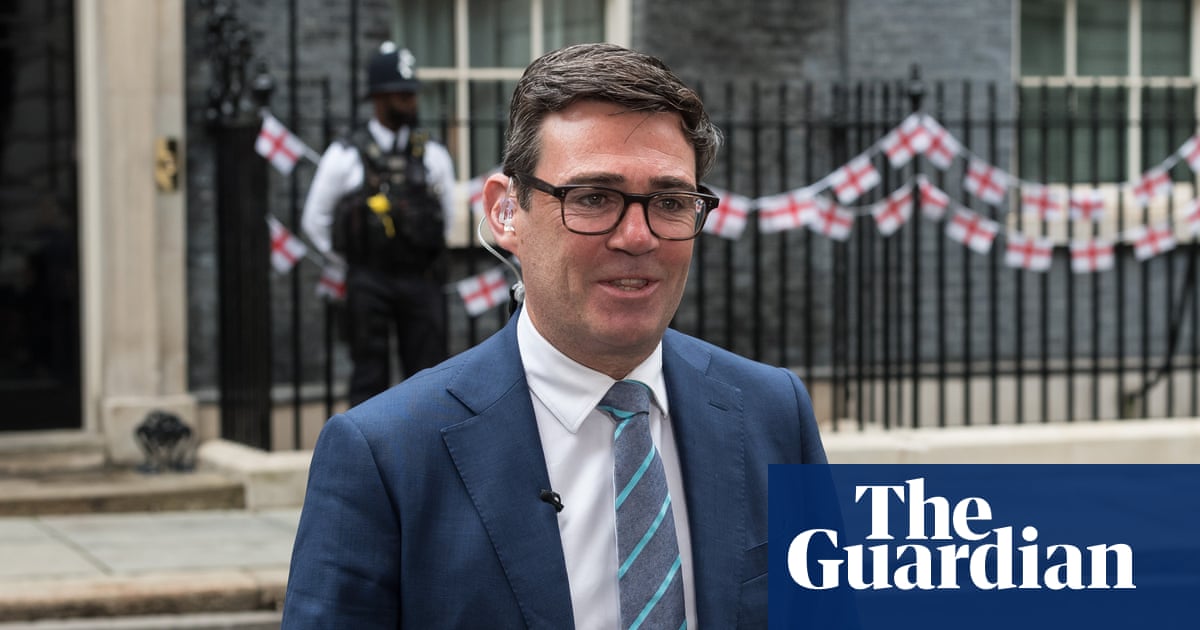
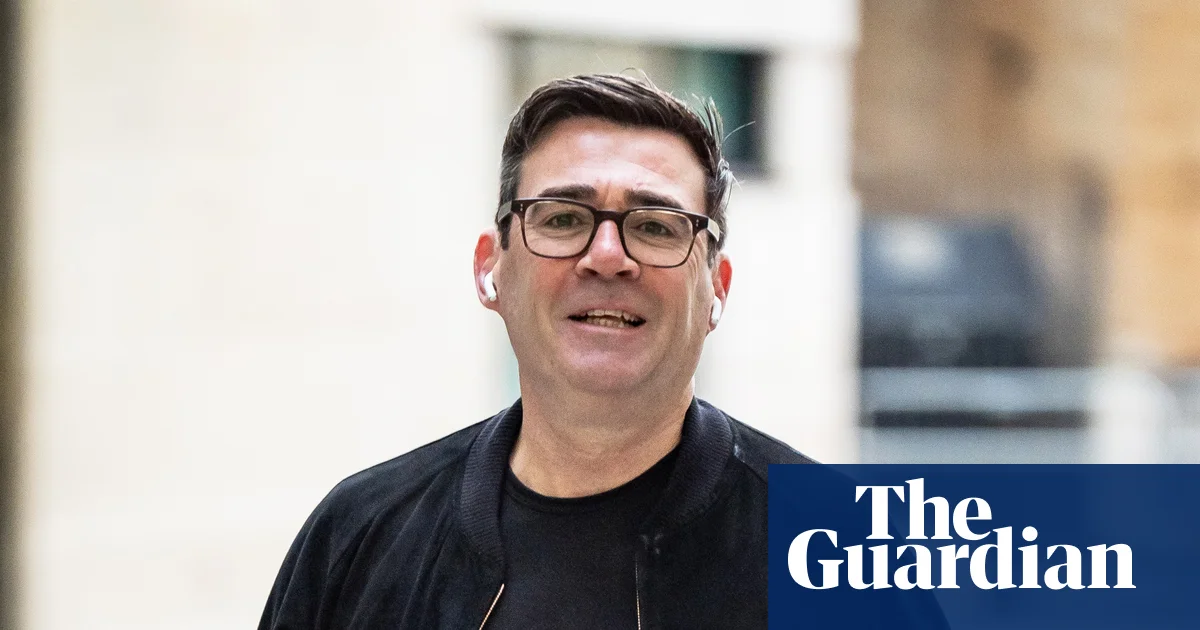
In the evolving landscape of politics, fashion has become an unexpected but powerful tool for shaping identity and making a social statement. Andy Burnham, the charismatic mayor of Greater Manchester and self-styled “king of the north,” has recently embraced a more casual, understated wardrobe during public appearances—trading suits for black joggers, bombers, and simple workwear-inspired pieces. His appearance at the launch of the Class Ceiling report at Whitworth gallery exemplifies a broader cultural shift: politicians are no longer just speaking through speech or policy; they’re communicating through their everyday style. Burnham’s wardrobe signals a departure from the polished, often detached London political class, and instead aligns with the working-class roots and regional pride that fuel his electoral base.

This deliberate shift toward casual, workwear-inspired fashion is more than mere aesthetics. For sociologists and fashion analysts like Andrew Groves, director of the Westminster Menswear Archive, Burnham’s all-black, nonconformist look is “as calculated as any Westminster suit, just aimed at a different audience.” It’s a visual rejection of the “parliamentary polish” that many associate with distant, elitist politics. Instead, it projects an image of practicality, authenticity, and regional solidarity—elements increasingly vital to engaging young voters who crave transparency and relatability in their leaders. As Jonathan Tonge, a politics professor at the University of Liverpool, asserts, Burnham’s fashion aligns with his moderate, left-of-center politics: a statement that “I’m different from Westminster.”

What’s truly fascinating is how Burnham’s personal style also represents a broader societal narrative: the emergence of regional identities in national discourse. His “Manchester way” aesthetic—described as “the Smiths meets Britpop”—evokes local cultural icons and musical heroes, reinforcing regional pride and resisting the homogenizing influence of mainstream London politics. Meanwhile, his style stands in contrast yet subtle proximity to Keir Starmer, whose slightly more mainstream Britpop-inspired look—Stone Island, Harringtons, open-neck shirts—signals a different political momentum. While Starmer maintains hints of non-conformity, Burnham’s more radical authenticity taps into the social momentum fueled by **youth culture** and regional resilience, making style an essential language of political legitimacy.

  • Growing regional pride and identity movements
  • Increased importance of relatable, non-elite visuals in politics
  • The unspoken cultural dialogue between London and the North
  • Fashion as a gateway to authenticity and grassroots trust

As the fashion of Andy Burnham continues to evolve, it raises a compelling question about the role of cultural symbolism in shaping political futures. Will politicians follow suit, turning their style into a strategic form of communication that bridges the gap between their policies and the everyday lives of voters? Or is this merely a fleeting trend, a superficial gesture that masks deeper societal divides? The next big question—possibly the most urgent of all—might be whether this deliberate dressing-down truly signifies a shift towards a more authentic, regional-driven politics or whether it’s just a temporary fashion statement in a landscape still dominated by traditional, top-down hierarchies. As Burnham’s casual yet meaningful style gains traction, the future of political culture may well rest on whether other leaders choose to embrace their regional roots and personal identity—because, in the end, style might yet become the most radical act of all.
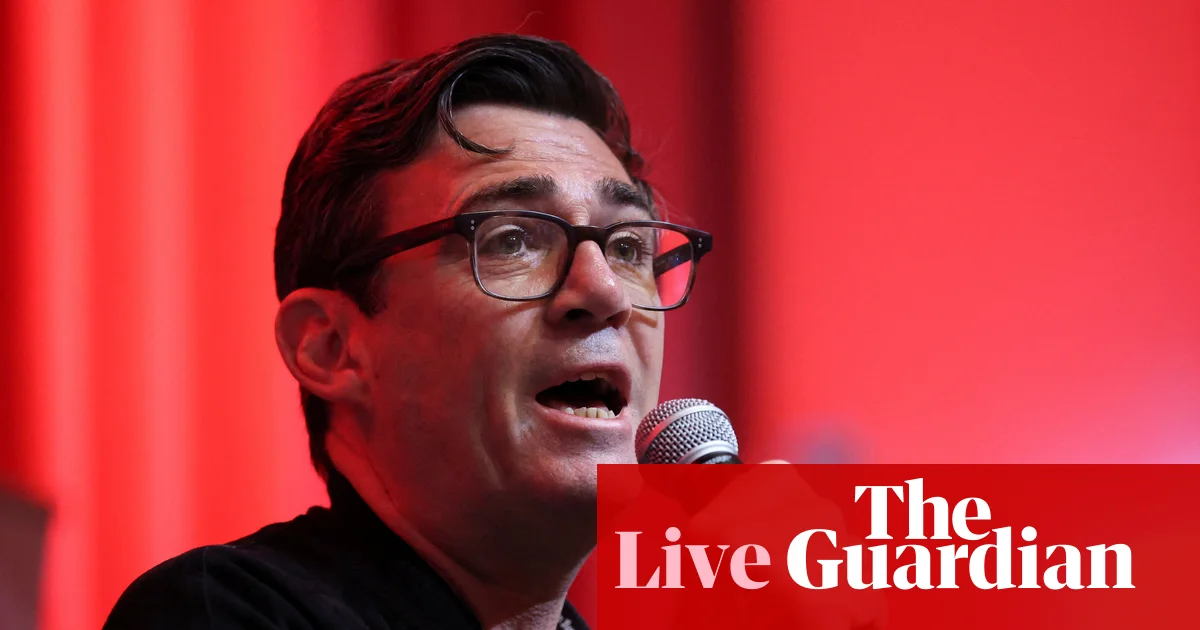
Andy Burnham Urges Labour to Drop Restrictive Asylum Rules — UK Politics Live

The UK’s Political and Immigration Innovations Signal a Shift in Global Power Dynamics

In an era characterized by relentless geopolitical transformation, the United Kingdom stands at a critical crossroads. Recent decisions emanating from Westminster exemplify a broader trend among Western nations striving to redefine their social fabric and geopolitical influence. The UK’s immigration policy reforms, coupled with efforts to reshape its political landscape, underscore a strategic repositioning—aimed at bolstering national sovereignty and economic resilience amid the evolving international order.

Central to these developments is Home Secretary Shabana Mahmood’s announcement of dramatic changes in migration rules. These measures, set to double the waiting period for indefinite leave to remain from five to ten years, and enforce stricter language and criminal record requirements, signal the government’s intent to prioritize control over sovereignty and social stability. Analysts like Dr. James Tennant, a geopolitical strategist, argue that such policies are designed to reinforce national borders against the destabilizing influxes that characterize unchecked migration flows. In essence, these reforms are not merely domestic adjustments but a calculated move to assert post-Brexit independence, signaling to global actors that the UK will prioritize sovereignty over open borders.

Yet, this shift is not happening in isolation. Andy Burnham, the mayor of Greater Manchester, reflected widespread sentiment among pragmatic leaders who see the long-term implications. Burnham, a prominent figure vying for Labour leadership, explicitly voiced concern over the proposed 20-year waiting period for settlement—highlighting how prolonged limbo could hinder national integration efforts and strain public resources. His stance exemplifies the mounting tension between those advocating for controlled immigration and those emphasizing social cohesion and economic stability. The ongoing debate vividly illustrates how internal policies are grappling with the geopolitical need to project strength while maintaining societal resilience.

Furthermore, the broader international context amplifies the significance of these shifts. Many analysts, including members of the International Institute for Strategic Studies (IISS), interpret these measures as part of a strategic calculus—aimed not only at bolstering domestic security but also at asserting the UK’s post-pandemic global stance. This recalibrated approach suggests a move away from the legacy of open-door policies, favoring instead a model aligned with traditional nationalist principles. Historically, nations that have prioritized sovereignty and robust border controls have often repositioned themselves to wield greater influence in global affairs. The UK’s renewed focus on internal control reflects a desire to reassert its influence in an increasingly multipolar world—balancing relationships with peer powers and regional allies.

As history continues to unfold, these decisions evoke echoes of earlier moments—when nations chose sovereignty over globalization. From the unrest of post-war Europe to the rise of nationalist movements, the trajectory of nations often hinges on their leadership’s willingness to assert control amidst international chaos. Historians warn that such policies, if poorly managed, could deepen societal divisions or provoke retaliatory measures from trading partners. Nonetheless, the current course signals that **the UK is eager to carve an independent path**, shaping a future where its influence is defined less by its proximity to Bruxelles and more by its strategic national interests.

The stakes are monumental. As Britain crafts its new identity—leaning into strength, sovereignty, and renewed national pride—the world watches with bated breath. The decisions taken today are not isolated; they are the threads woven into the fabric of history, setting a precedent for how nations respond to a shifting global landscape. In the shadows of these policies lies the promise—and peril—of a future shaped by bold choices. History’s pen continues to write, and the pages ahead will reveal whether Britain’s gamble will forge resilience or deepen its divisions. Either way, the unfolding story will mark a defining epoch in international history.

Andy Burnham warns investors: UK must stop relying on foreign lenders to stay strong

In a striking development that underscores the fragile state of Britain’s economic and political landscape, recent comments by Andy Burnham, the mayor of Greater Manchester, have sparked intense debate on both domestic and international stages. Burnham, a prominent figure within the Labour Party, has called for an end to the UK’s dependence on foreign lenders, advocating for measures such as increased taxation, public housing programs, and the nationalization of utilities to fund expanded public services. However, his stance has met with fierce resistance from City investors and international lenders, who warn that such policies could exacerbate the UK’s debt problems and trigger a renewed bond market crisis.

Global Financial Instability and the UK’s Mounting Debt Concerns

As yields on UK government bonds soar, reaching levels not seen since early September, the financial markets are visibly uneasy. The interest rate on 10-year bonds has climbed to 4.726%, while long-term 30-year gilt yields have surged to 5.54%, approaching a 27-year high. Analysts such as Kathleen Brooks, head of research at XTB, warn that these rising yields reflect mounting political risks and lacked confidence among international lenders. Historically, the UK’s 10-year yield was less than 1% in 2021, highlighting a stark shift driven by recent political discourse and fiscal uncertainty.

Historian and financial analysts emphasize that bond markets are often a mirror for a nation’s broader geopolitical stability and fiscal prudence. The escalation in borrowing costs signals more than just economic worries; it represents a deeper concern regarding Britain’s political direction—one that could have wide-reaching geopolitical repercussions. Rising debt costs constrain government options, forcing future leaders to navigate a treacherous landscape of fiscal austerity or confront the economic chaos that may follow from reckless spending or destabilizing policies.

Implications for United Kingdom’s Geopolitical and Economic Futures

The current crisis also underscores the broader vulnerabilities of the West’s fiscal model—particularly as London’s leadership debates how to fund expansionist social agendas amidst global economic turbulence. The specter of a bond market crisis rekindles memories of past financial upheavals, raising questions about London’s ability to maintain its status as a global financial hub. Meanwhile, the possibility of Burnham’s colleagues, including whispers of a challenge to Sir Keir Starmer’s leadership, indicates internal party divisions that threaten to destabilize the UK’s political fabric even further.

  • The UK’s fiscal trajectory is now under intense scrutiny from international financial institutions.
  • Growing bond yields threaten to spill over into higher borrowing costs for consumers and businesses alike.
  • Political rhetoric, especially from figures like Burnham, risks inflaming market fears, potentially accelerating economic destabilization.

These developments unfold at a critical juncture for Britain, with history warning that unsustainable debt levels and political missteps can quickly spiral into larger crises that reverberate globally. Analysts observe that, as the UK navigates this tumult, the challenges faced are emblematic of a shifting international order where economic resilience and political stability are now inextricably linked.

As markets tremble and leaders ponder their next move, the unfolding narrative of Britain’s economic saga leaves us with a haunting realization: the decisions made today will write the chapters of tomorrow’s history, shaping the geopolitical landscape for generations to come. The weight of this unfolding story rests heavily on the future—not just of a nation, but of a world awaiting the next move in a game of high-stakes financial diplomacy and political resolve.

Social Media Auto Publish Powered By : XYZScripts.com