Matox News

Truth Over Trends, always!

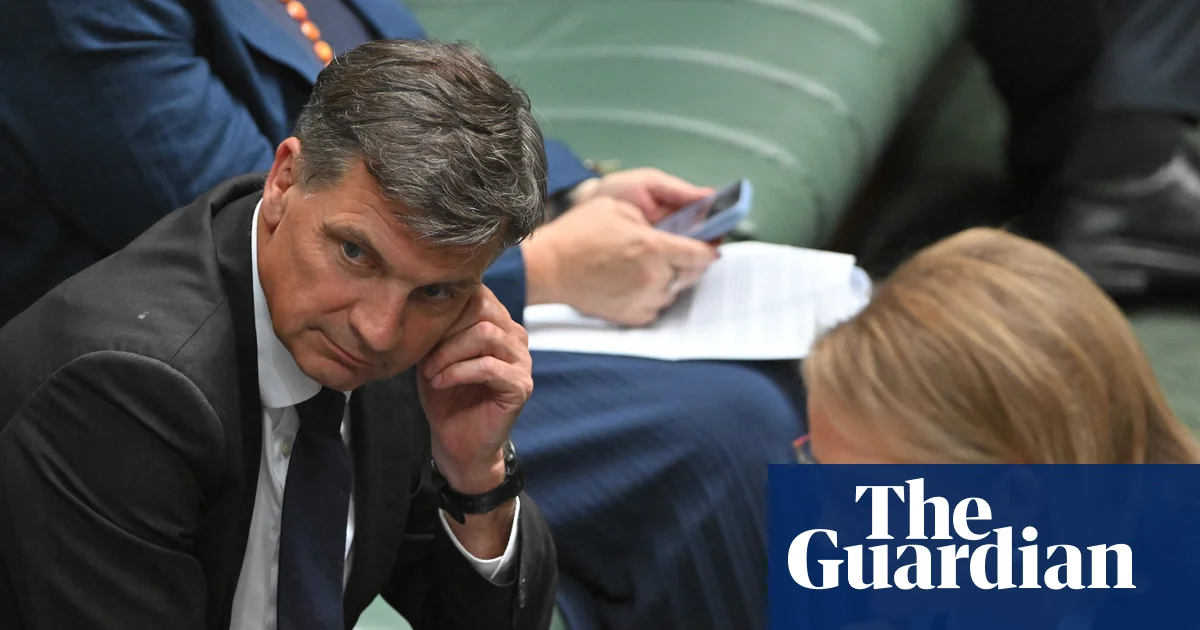
Australia updates: Dural ‘stronghold’ tied to Baghsarian kidnapping, NSW police reveal; Angus Taylor calls to ditch ‘net zero’ push

As 2026 unfolds, the world witnesses a series of seismic shifts that threaten to redefine geopolitics and global stability. From internal political tremors in Australia to sweeping changes in Europe and fragile peace negotiations in the Middle East, nations grapple with decisions that will echo through history. The choices made today set the trajectory for generations, and their impacts extend far beyond borders.

The recent developments in Australia exemplify the turbulence faced by democracies under pressure from both domestic political narratives and international expectations. The controversial shift by Angus Taylor and the Liberal Party’s declaration to abandon the previously embraced ‘net zero’ commitment signals a departure from global climate consensus. While the government asserts that this move offers flexibility, critics argue it undermines efforts coordinated through international climate accords. Analysts warn that this divergence could weaken Australia’s diplomatic standing and erode trust with allies committed to sustainability, further isolating a nation vital to the Indo-Pacific strategy. Historians caution that such policy reversals might be remembered as a pivotal moment where economic interests overrode environmental responsibility, casting shadows on the country’s global reputation.

Meanwhile, in the United Kingdom, the arrest of Andrew Mountbatten-Windsor at Sandringham on suspicion of misconduct has cast a spotlight on questions of accountability within the British monarchy. This unprecedented event ignites debates about tradition versus transparency, with international observers questioning whether the monarchy can adapt to the demands for moral integrity today. The fallout, if allowed to deepen, could influence Britain’s soft power and diplomatic alliances, especially as Europe faces its own challenges with regional unity and economic stability. Experts from the European Union warn that such internal struggles might embolden nationalist factions and threaten the unity of the bloc at a time when global powers are recalibrating their alliances.

Contrasting these internal political crises are the ongoing conflicts and security concerns in the Middle East. Reports from Syrian and Iraqi authorities confirm that over 5,000 detainees, including suspected former Islamic State fighters, have been transferred across borders. The potential for unrest or resurgence in extremism remains a troubling prospect for regional stability, drawing concern from international organizations like the United Nations. The transfer underscores the fragile balance of power in a region where diplomacy and military might intertwine dangerously. Should extremism reignite, it could trigger a broader security crisis impacting Europe and the United States, emphasizing how even regional disputes have global consequences.

In this high-stakes landscape, the decisions of today are shaping a world on the brink. The intertwined fates of nations—whether they choose resilience or retreat—carry implications far beyond their own borders. As the great historians of tomorrow sift through these moments, they may recount 2026 as a defining year—a year when the delicate fabric of international order trembled under the weight of rash decisions and forgotten commitments. History, with all its weight and consequence, continues to unfold, leaving a stark reminder: in geopolitics, the stakes are nothing less than the future of civilization itself.
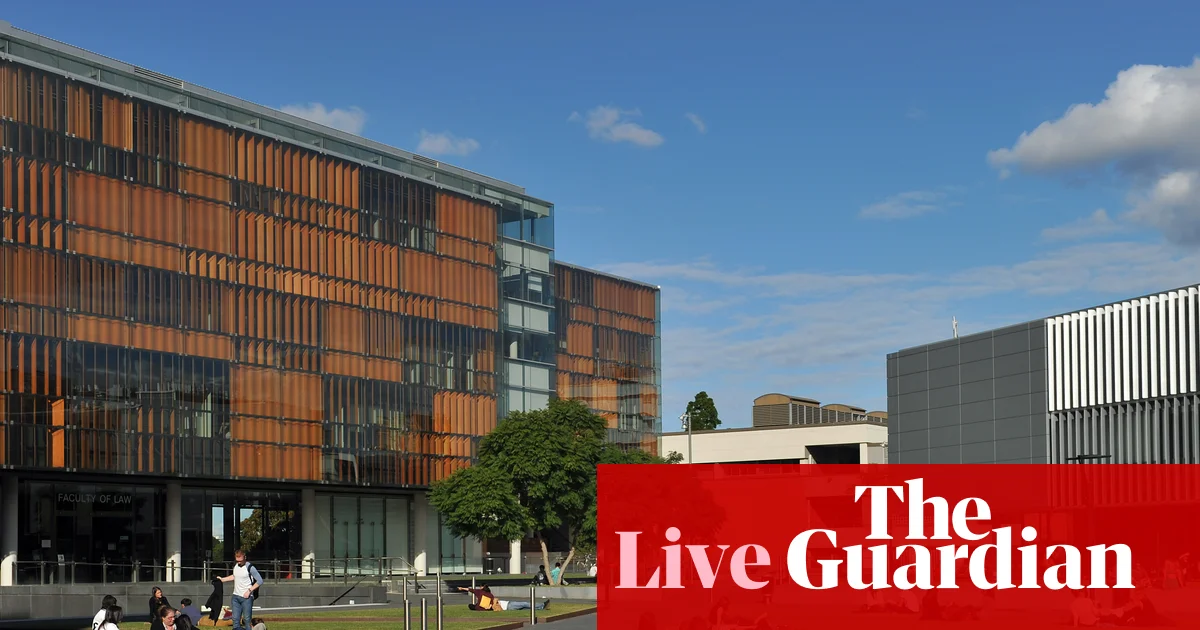

Australia Today: Universities’ Racism ‘Systemic,’ Angus Taylor Shuns Leaked Migration Plan

International Alert as Australia’s Political Landscape Faces Turmoil

The political environment in Australia is rippling with controversy following revelations about a proposed immigration policy fragment that has sparked international concern. An unreleased document, reportedly drafted under the leadership of former Sussan Ley, has outlined a plan to severely restrict migration from regions associated with terrorist activities across 13 countries. The plan, which aims to rapidly remove up to 100,000 asylum seekers and visitors on student visas, has been widely condemned by human rights and international watchdogs as a blatant exercise in discrimination. The Refugee Council of Australia labeled it an “appalling idea,” echoing global fears about rising populism and exclusionary policies that threaten Australia’s reputation for fairness and our commitment to humanitarian principles. Despite the current opposition leader Angus Taylor declaring he had no knowledge of the document, the internal divisions within the Liberal Party expose a troubling shift towards more hardline, Trump-inspired border policies.

Global Impact of Regional Policies and the Rise of Systemic Racism

The leaked proposals underscore a broader shift in global politics, emphasizing national sovereignty and security concerns over traditional humanitarian commitments. Such policies resonate with nationalistic narratives pushed by populist leaders worldwide, contributing to a dangerous normalization of prejudice. Meanwhile, international organizations like the United Nations warn that policies based on indiscriminate bans threaten to enlarge the gulf of distrust and xenophobia. In Australia, this trend is compounded by a disturbing report exposing the pervasive systemic racism endemic within the university sector. According to the Australian Human Rights Commission, a landmark study found that 70% of survey respondents had experienced indirect racism, with Palestinian and Jewish students experiencing rates as high as 90%. These findings highlight the damaging impact of institutional bias, which threatens the fabric of multicultural societies and undermines core democratic values. Critics argue that if such discrimination remains unchecked in education, it is only a matter of time before societal tensions escalate further, potentially igniting unrest on the streets.

How Decisions Shape Future Societies and the Winds of History

As analysts warn, the decisions taken today will reverberate for generations, shaping the moral and geopolitical landscape of the 21st century. Governments that resort to discriminatory policies in the name of security risk unleashing a wave of social fragmentation, fostering extremism rather than preventing it. Historical figures such as George Orwell and Hannah Arendt warned that totalitarian tendencies often emerge from fear and prejudice cloaked in national security rhetoric. The international community watches keenly as Australia’s internal conflicts reflect a wider, global struggle—whether to uphold the timeless ideals of justice and fairness or succumb to the siren call of exclusion. Underneath the surface, these decisions expose societal fractures rooted in ignorance and fear, threatening to derail the progress of multiculturalism and inclusion. The weight of history lingers, a reminder that the pathways chosen today define the societies of tomorrow—whether as beacons of hope or shadows of despair, remains an unfolding narrative on the scale of nations and civilizations.

Young conservatives rally behind Angus Taylor in leadership bid against Sussan Ley

Australia’s Political Landscape Shaken as Liberal Party Faces Leadership Crisis

In a dramatic turn of events, Australia’s political arena is witnessing a pivotal moment as the Liberal Party grapples with internal turbulence that could reshape the nation’s leadership. The outgoing leader, Sussan Ley, finds her position under threat amid a wave of resignations and shifting allegiances, signaling a deeper crisis within the party. The mounting tension reflects not only party dynamics but also a wider contest over the future direction of Australia, particularly in response to domestic and international challenges that demand firm leadership. Experts and analysts warn that the outcome of this leadership contest could influence Australia’s policy stance on issues such as climate change, immigration, national security, and economic recovery.

Key figures emerged as the battle lines solidified during this political upheaval. Angus Taylor, a former shadow defence minister known for his conservative stance, has garnered significant backing from influential party members, including Queensland senator James McGrath and opposition figures like Michaelia Cash. Their support underscores a growing divide within the party—between moderates who favored Ley’s leadership and conservatives rallying behind Taylor. The tension culminated when Taylor resigned from his shadow cabinet position to formally challenge Ley, claiming the party has “lost its way” and emphasizing the need for “strong and decisive leadership” to address Australia’s pressing issues. His narrative resonates with many young conservatives across the country who yearn for a return to traditional values and robust national policies, especially in light of international complexities such as regional security and economic resilience.

The leadership election, scheduled to be decided this week at Parliament House, is tightening as both sides claim the support of the 51-member party room. The possibility of a narrow victory hangs in the balance, with Ley maintaining that she still commands “the numbers,” even as critics argue her position has become increasingly untenable. Notably, the broader geopolitical impact of this internal party conflict extends beyond Australia’s borders—potential leadership shifts could influence Australia’s foreign relations, especially its stance toward China, the Indo-Pacific region, and global trade alliances. Historically, Australian parties’ leadership stability has impacted its international posture, with quick leadership changes often seen as destabilizing for diplomatic consistency and economic policy.

As Australia faces these tumultuous internal debates, the international community observes with cautious interest. The contest mirrors global struggles where nations look to their political parties to deliver stability amidst geopolitical turbulence. Analysts from organizations such as the Lowy Institute warn that a leadership upheaval could create a temporary vacuum, affecting Australia’s commitments to regional security pacts and trade agreements. The internal party dispute, while ostensibly about policy direction, symbolizes a broader cultural clash—between traditional conservatism and progressive ambitions—that will indelibly shape the country’s future. As the vote nears, the weight of history presses heavily, reminding all that leadership crises are not merely internal squabbles, but pivotal moments that may define a nation’s course for generations to come.

Angus Taylor allies gear up to challenge Sussan Ley for Liberal leadership soon

In a striking display of conservative instability, Australia’s ruling Liberal Party finds itself at a historic crossroads, with internal tensions threatening to fracture its very foundation. The political landscape has been shaken by a dramatic decline in electoral support, evidenced by the latest Newspoll revealing the party’s primary vote collapsing to an alarming 18%. This figure, a nine-point drop from previous months, has prompted urgent calls for change among party factions, especially as leader Sussan Ley faces mounting criticism and the looming prospect of a leadership spill. Conservative parliamentarians argue that, with support waning, it is only a matter of when, not if, the party will resort to reshuffling its top ranks to salvage electoral viability before the crisis deepens further.

While Ley, buoyed by some moderate voices, remains defiant—stating her job is “not expected to be in question”—the internal dissent has reached new levels of intensity. Supporters inside the party speculate that the fallout from the recent Coalition split over hate speech laws has gravely damaged Ley’s credibility, undermining any claims to stable leadership. Their fears are compounded by the internal power struggles exposed when Angus Taylor, a prominent conservative figure, emerges as a frontrunner for the leadership. According to insiders, Taylor may soon initiate a leadership spill, which would require Ley’s resignation from her current shadow cabinet position and a swift contest for the party’s leadership. Analysts emphasize that such a move could be the party’s last-ditch effort to restore voter confidence amidst a societal landscape increasingly aligned with populist sentiments elsewhere.

Internationally, Australia’s political turmoil resonates beyond its shores, as geopolitical analysts warn of the ripple effects on regional stability and alliances. The U.S. and UK, longstanding partners, scrutinize Canberra’s internal chaos, aware that a weakened Australian opposition could embolden rival powers like China and Russia in the Indo-Pacific. The possibility of leadership upheaval threatens to weaken Australia’s stance in critical multilateral engagements, including the Quad and regional security dialogues. Furthermore, experts observe that Australia’s political lessons echo a broader international pattern: when national parties falter in the face of societal shifts and electoral discontent, the resulting turbulence can have far-reaching consequences, altering regional geopolitics and the balance of power.

Meanwhile, within Australia, the debate shifts to the societal impact of these political upheavals. Moderate voices call for a strategic reevaluation, arguing that the party must embrace reforms to resonate with a generation increasingly attuned to issues like immigration, economic opportunity, and national sovereignty. Historians caution that the current crisis echoes past moments of ideological fissure, reminding voters and leaders alike that history often remembers the decisions made in these turbulent times as defining events—shaping the future course of the nation, for better or worse. As the political machinery grinds into motion, the weight of history presses down on the shoulders of its leaders, who must decide whether to cling to fading factions or forge a new path forward amid the chaos.

In the vast tapestry of history, moments of upheaval are often the dawn of transformation. As Australia faces its latest storm—a potential leadership overhaul in a time of societal and geopolitical flux—the question remains: will this be the beginning of a renewed national resolve or a slide into prolonged instability? The final chapter has yet to be written, but the echoes of this moment resonate across generations, challenging the very foundation of Australia’s political identity in the shadows of an uncertain future.

Social Media Auto Publish Powered By : XYZScripts.com