Matox News

Truth Over Trends, always!

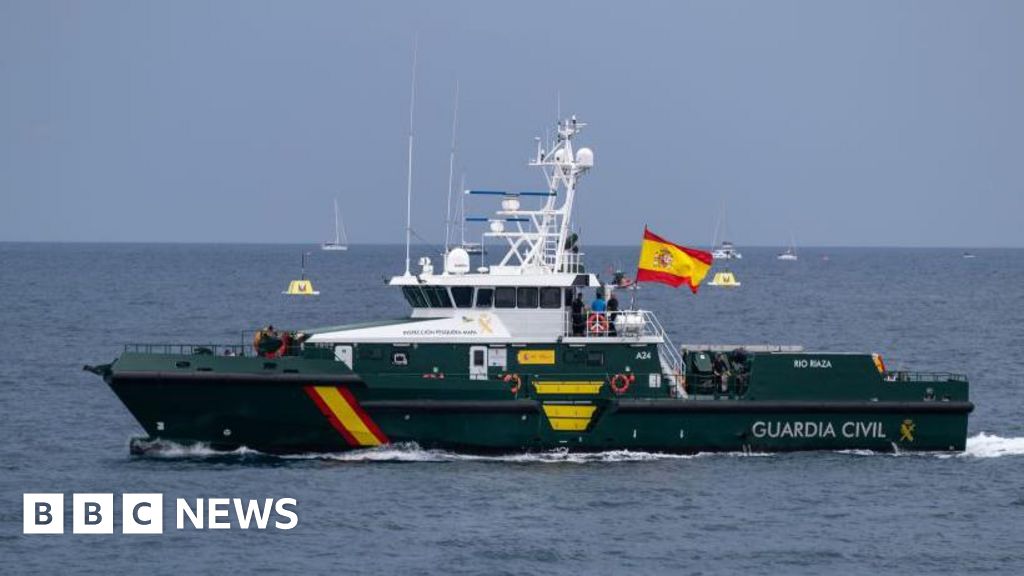
Spain intercepts historic cocaine haul in Atlantic, authorities announce

In a remarkable display of law enforcement prowess, the Civil Guard recently intercepted a massive illicit shipment of narcotics en route to Libya. Authorities uncovered between 30,000 and 45,000 kilograms of the drug on a freight vessel, marking one of the largest seizures in recent history. This operation not only highlights the ongoing challenge of transnational organized crime but also underscores the shifting dynamics within regional geopolitics that allow such trafficking to flourish.

The intercepted shipment, believed to be part of a well-coordinated network, signals a troubling escalation in the scope and scale of drug trafficking across Mediterranean routes. Analysts suggest this large consignment could significantly bolster the illicit markets within North Africa and Southern Europe, fueling instability and fostering environments where extremism and corruption thrive. “This seizure demonstrates the increasing complexity of international drug networks,” stated a senior officer within the Civil Guard, emphasizing the critical need for enhanced surveillance and international cooperation. The magnitude of this find also raises questions about the effectiveness of existing maritime border controls and the sophistication of traffickers who are continually adapting to enforcement tactics.

From a geopolitical impact perspective, this incident reverberates across multiple nations and interests. Libya’s ongoing destabilization, marked by civil strife and civilian displacement, facilitates the free passage of illicit cargos. Meanwhile, European nations pressure their counterparts and international organizations to strengthen counter-narcotics operations, aware of the social and economic toll these drugs inflict on societies. Global institutions like the United Nations Office on Drugs and Crime (UNODC) have long warned about the destabilizing effects of drug commerce—effects that stretch beyond borders and threaten regional security frameworks.

Historically, crises such as this also serve as a stark warning about the broader erosion of state sovereignty. As traffickers exploit weak governance and porous borders, the influence of non-state actors expands—an alarming trend confirmed by security experts and historians alike. With the international community’s gaze fixated on other global priorities, these challenges risk growing unchecked. The recent drug seizure thus highlights a moment where decisive action is required to preserve stability and uphold the rule of law amid a shifting global landscape, where alliances are tested, and the fabric of order itself is challenged.

As history continues to unfold, one cannot ignore the weight of this moment. The corridors of power, the battlefield of diplomacy, and the shadows where criminals operate are all converging in a narrative that will define the future of Mediterranean security and beyond. The outcome of these efforts—whether they lead to sustained stability or further chaos—remains a pivotal chapter in the ongoing story of nations striving to defend their sovereignty against those who seek to undermine it. The question persists—how will the world respond in the face of this audacious threat, and what new conflicts or alliances will emerge in the smoke of this massive seizures? Only time will reveal the next chapter in this unfolding saga of power, peril, and resilience.
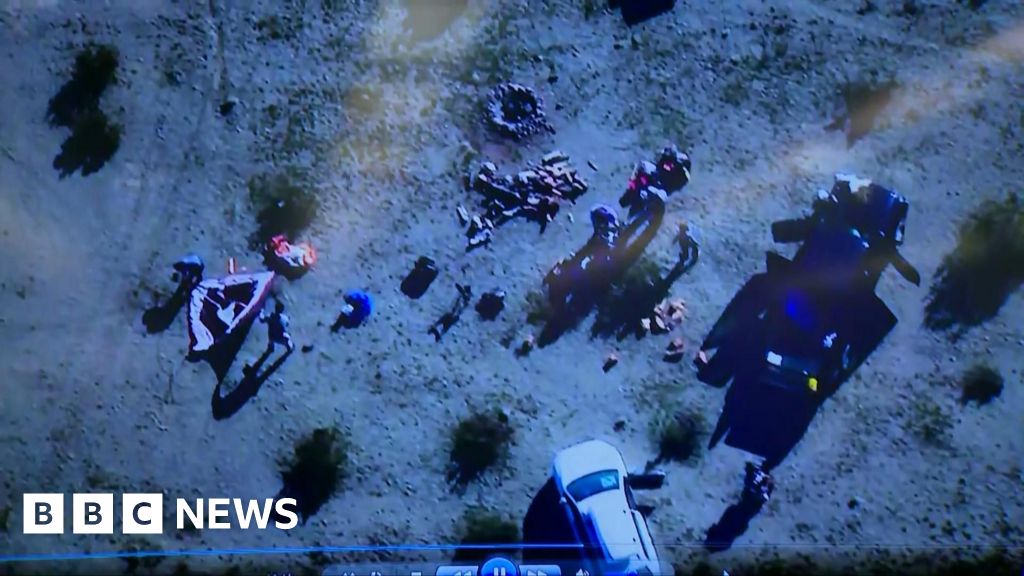

FBI Stops Los Angeles New Year’s Eve Terror Plot, Authorities Announce

The recent disruption of a potential terror attack in Los Angeles by federal authorities underscores the fragile geopolitical landscape and the persistent threat of extremism within the United States. According to officials, four members of the Turtle Island Liberation Front, a radical offshoot of a pro-Palestinian, anti-government faction, were arrested on suspicion of plotting a coordinated bombing campaign aimed at multiple locations across southern California. The plot, believed to have been scheduled around the New Year’s Eve festivities, involved testing improvised explosive devices in the desert east of the city—a development that raises alarm on multiple levels.

This incident illustrates a broader challenge confronting America’s national security apparatus amidst an increasingly complex geopolitical matrix. The FBI’s swift intervention, which utilized surveillance assets and tactical forces, demonstrates the importance of vigilant law enforcement in countering domestic terror threats. US Attorney General Pam Bondi labeled the foiling of this plot as a preventative measure against “far-left” extremists, emphasizing that the threat comes from varied ideological spectrums. Analysts note that this event signals a shift in how domestic threats are perceived, especially as radical groups exploit social grievances and ideological fissures to mobilize and plan violence.

Significantly, researchers and international organizations have long warned of the rising proliferation of radical ideologies and their potential to destabilize societies. The United Nations and Department of Homeland Security have argued that such plots, if successful, could have devastating impacts — not only on local communities but also on international perceptions of America’s ability to maintain internal security. The suspects, whose ages range from 24 to 41, face serious charges including conspiracy and possession of unregistered destructive devices, highlighting the criminal underpinnings that threaten peace and stability. The incident also spotlights the ongoing challenge of radicalization and the necessity of resilient national security policies rooted in both intelligence and community engagement.

The broader geopolitical impact of this event extends beyond U.S. borders, fueling debates around extremism, migration policies, and the influence of global conflicts on domestic security. As China, Russia, and other geopolitical players continue to extend their influence through strategic maneuvers, the stability of the United States remains critical in maintaining global equilibrium. Analysts warn that permitting radical factions to operate unchecked threatens not only national but international stability, prompting a renewed focus on intelligence-sharing and preventative measures. The foiled plot in Los Angeles is a stark reminder that history continues to unfold on America’s streets—a saga where the lines between domestic and international threats blur beneath the weight of political and ideological turmoil.

As authorities continue to investigate potential ties and broader networks, the question remains: how prepared is the international community to confront these multifaceted threats? The incident has become a cautionary tale, illustrating how decisions made in the corridors of power and the actions of small extremist groups can leave a lasting mark on the modern geopolitical narrative. Today, history watches as an unpredictable future emerges—one where the resilience of societies, the vigilance of nations, and the resolve of global institutions will determine whether this chapter ends with tragedy or resilience. And as the world turns its gaze to the unfolding story, the true significance of this foiled attack may only be understood with hindsight, leaving society to ponder a simple but profound truth: the era of peace is never guaranteed—only defended.

Social Media Auto Publish Powered By : XYZScripts.com


