Matox News

Truth Over Trends, always!

Ocado Announces 1,000 Job Cuts in £150m Cost Savings Plan

In a move emblematic of shifting global economic tides, Ocado, the British online grocery technology pioneer, announced a major restructuring plan involving the elimination of 1,000 jobs worldwide. This decision, which sees approximately 5% of its global workforce cut, underscores the mounting pressures faced by innovative tech companies amid an increasingly volatile international market. Most of the cuts are concentrated within its UK operations, notably affecting staff at its headquarters in Hatfield, Hertfordshire. Such measures highlight a broader pattern of corporate recalibration driven by technological and economic headwinds, and carry significant geopolitical implications in terms of technological sovereignty, employment, and economic resilience.

The restructuring aims to impose a sharp focus on cost discipline and AI efficiency, as Ocado seeks to cut approximately £150 million from its technology and support costs by 2026. The company’s strategy involves scaling back R&D, merging divisions such as Ocado Solutions and Ocado Intelligent Automation, and consolidating its commercial and support operations. These decisions appear to reflect broader global trends where nations and corporations are recalibrating their ambitions in artificial intelligence, automation, and technological dominance. According to industry analysts, such retrenchments serve as a warning to similar tech-driven firms worldwide: as markets tighten and competition intensifies, only the most agile and cost-efficient players will survive. Still, the ripple effects threaten regional economic stability, especially in the UK’s tech sector and employment landscape.

Adding to this tension, Ocado’s international partners are retreating. Last month, its Canadian partner closed a robotic warehouse in Calgary, citing the slower-than-expected growth of Alberta’s grocery e-commerce market. Likewise, its U.S. partner, Kroger, recently shuttered three warehouses, slashing nearly 20% off Ocado’s valuation. These decisions profoundly influence the geopolitical landscape: as multinational corporations shift their strategic investments or retreat from emerging markets, questions arise about the future of technological supremacy and economic influence across borders. The shrinking footprint of these firms exemplifies a broader global realignment, where economic power is increasingly concentrated among nations capable of supporting innovation and resilience amidst geopolitical tensions.

As international organizations and political leaders watch closely, some experts warn that these corporate contractions are more than business setbacks—they are indicators of a wider global strategic recalibration. Historically, tech giants have often been intertwined with national security and economic paradigms; current trends suggest a potential decline in Britain’s influence within the global high-tech arena. Historians and geopolitical analysts argue that the support or neglect of technological sectors like AI and automation will significantly shape how nations compete and coexist in future geopolitics. The fallout from Ocado’s cuts echoes across international corridors, signaling a potential shift in the balance of technological power—an unfolding chapter in the struggle to dominate the next wave of human progress.

In this, the story of Ocado, with its technological ambition and strategic retrenchment, becomes a microcosm of a world where history is still being written—where the alliance of industry, politics, and power may yet determine who leads and who falls behind. This is more than a corporate story; it is a narrative of enduring geopolitical significance, with echoes that will be heard for decades to come.
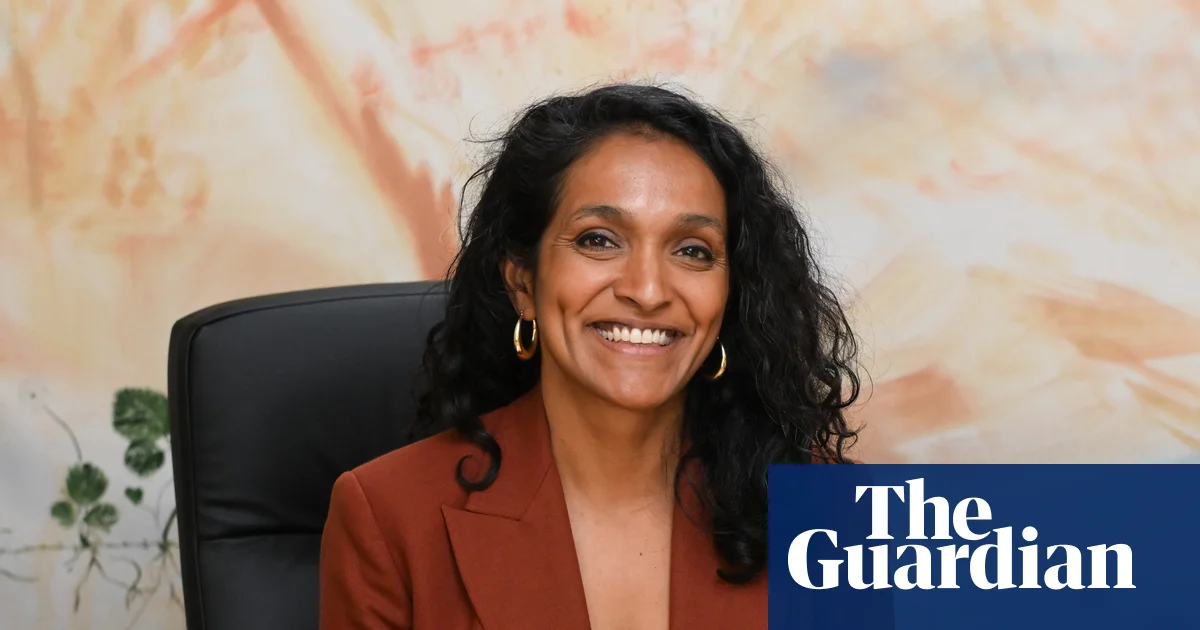
LA City Council Member Nithya Raman announces run for mayor—young voices, new leadership

Los Angeles’s Urban Crisis: A Mirror of Global Urban Struggles

The upcoming Los Angeles mayoral race underscores a broader narrative of urban decay spreading across major cities worldwide, with local leaders grappling with crises that threaten the social fabric and economic stability of their communities. In her campaign launch, City Council member Nithya Raman highlighted the profound challenges facing LA—a city renowned for its glamour yet fractured by severe issues such as housing shortages, homelessness, and rising crime. Her critique reflects a mounting global concern: how to restore opportunity and safety amidst relentless urban stressors.

As LA faces these internal crises, analysts note the geopolitical impact of such local governance struggles. Cities like LA serve as bellwethers for national stability since their economic and social health directly influences regional and even international perceptions of a nation’s resilience. The debate over building sufficient affordable housing and holding city departments accountable is not merely local politics—it signals a broader battle over sovereignty, economic policies, and the capacity of governments to respond to crises generated by rapid urbanization and demographic shifts. Countries across the world observe these developments intently; urban crisis management increasingly becomes a test case for global governance models rooted in federal and municipal cooperation.

Global Echoes: Urban Leadership and International Sociopolitical Shifts

  • Raman’s emphasis on building too little and too slowly echoes similar struggles in European and Asian megacities, where bureaucratic inertia hampers essential infrastructure development.
  • The recent rise of Yimby movements and progressive policies like upzoning in LA reflect a global push toward more equitable urban planning, often facing stiff resistance from entrenched interests and local communities wary of change.
  • Meanwhile, the city’s debate on homelessness and crime echoes in capitals worldwide, revealing how urban decay feeds societal unrest and tests the limits of law enforcement and social welfare programs.

Global institutions such as the United Nations and World Bank increasingly recognize urban health as a critical factor in stability and development. Yet, voices like Raman and local activists challenge a broader narrative: Are Western cities failing to adapt and innovate in governance? Her campaign’s focus on urgent action—a reflection of societal frustration—serves as a call for international attention to the governance failures that transcend borders. The homelessness crisis, housing affordability, and public safety are enduring issues that, if unresolved, threaten to erode public trust and social cohesion on a global scale.

Decisive Moments for the Future of Urban Governance

The Los Angeles mayoral race is more than just a local election; it embodies the tense crossroads at which an increasingly urban world must decide its priorities toward sustainability, security, and social justice. Raman’s entry into the race, her associations with advocates of rapid housing expansion, and her challenge to the incumbent Karen Bass symbolize a broader ideological contest—one that pits progressivism against established political establishments. Her campaign signals a potential shift in leadership paradigms, grounded in accountability and urgent reform.

Meanwhile, the geopolitical implications extend beyond city borders. The recent immigration raids and federal policies underscore external pressures that affect urban governance. As cities become battlegrounds for national identity, policy direction, and economic survival, the world’s eyes are on Los Angeles as a test case: can a city regain its sense of opportunity and safety? Will policymakers learn from LA’s local struggles and adapt strategies to foster resilient urban societies worldwide, or will they capitulate to the chaos of neglect and bureaucratic paralysis? The outcome of this political contest could set a precedent, echoing through the corridors of global power and shaping the future of urban living for generations to come.

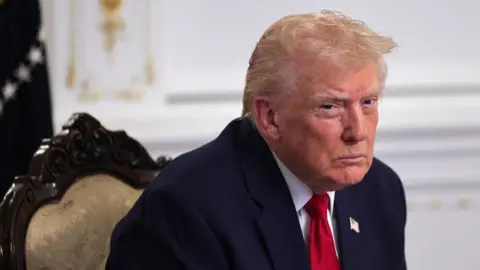
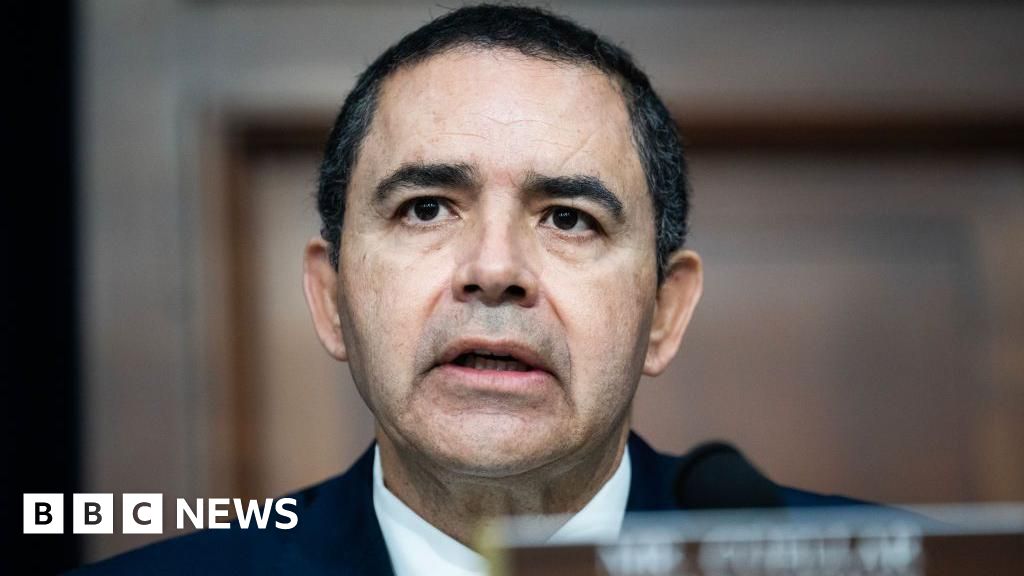
Trump announces pardon for Democratic congressman in bribery scandal

Global Stability in the Balance as U.S. Political and Judicial Shifts Reshape Alliances

The recent developments in United States politics underscore a critical juncture that could redefine international perceptions of American power and influence. President Donald Trump has announced his intention to issue a “full and unconditional” pardon to Congressman Henry Cuellar, a Texas Democrat embroiled in corruption charges linked to accepting bribes from foreign entities. This move, unprecedented in its boldness, ignites a debate over the integrity of U.S. political institutions and the influence of partisan interests on judicial processes, casting a long shadow over America’s global image.

Cuellar’s case, involving allegations of illicit payments from Azerbaijani and Mexican financial interests, exemplifies the complex web of foreign influence increasingly entwining domestic U.S. affairs. The Department of Justice under Joe Biden accused him of conspiring to sway U.S. foreign policy in favor of Azerbaijan and a Mexico City bank—charges that, if substantiated, reveal just how deeply foreign power centers seek to manipulate American decision-making. While Cuellar maintains his innocence, the political implications—especially given his moderate stance and opposition to the more progressive wing of the Democratic Party—highlight a fissure within the U.S. political landscape that investors and allies worldwide must watch closely.

Decisions That Echo Beyond Borders

  • The depiction of Cuellar as the “last pro-life Democrat” and his vocal stance on immigration have allegedly made him a target, according to his supporters, with Trump portraying the charges as politically motivated retaliation for his outspoken beliefs.
  • Meanwhile, Trump’s recent pardons of figures like Juan Orlando Hernández, the former Honduran president convicted of drug conspiracy, and the commutation of financial violator David Gentile signal a broader pattern of controversial clemency moves that challenge established legal norms.
  • International analysts suggest that such actions amplify the erosion of legal boundaries—potentially emboldening authoritarian tendencies and undermining legal sovereignty, thereby affecting diplomatic relations and security alliances vital to Western efforts against organized crime and corruption.

Adding another layer of complexity, these decisions resonate powerfully across global markets and diplomatic agreements. Countries watching U.S. policies unfold must now consider whether this pattern reflects a retreat from the rule of law or a strategic realignment driven by internal political battles. Historians like Niall Ferguson warn that American governance appears increasingly fragmented, risking the loss of moral authority that once positioned the U.S. as the beacon of liberal democracy and judicial integrity.

Implications for the International Arena

In a world teetering on the edge of geopolitical upheaval, stability hinges on the perceived reliability of superpowers. As President Biden confronts mounting domestic turmoil and diplomatic anxieties, the choices made in Washington will surely impact NATO unity, the intensity of the Russia-West rivalry, and the future of global economic stability. The narrative spun around these pardons and charges influences how allied nations interpret American commitment to justice and order, which in turn shapes their policies and alliances.

More broadly, international organizations like the United Nations and EU monitor these internal shifts for signs of weakening American influence. Many experts argue that such internal partisan and judicial turmoil could accelerate the fragmentation of global governance frameworks, presenting adversaries with a golden opportunity to advance their interests at the expense of Western alliances. If America appears discredited or internally divided, the power vacuum left behind could ignite conflicts and destabilize regions critical to world peace and economic security, such as the Indo-Pacific and the Middle East.

History’s Weighty Unfolding

As history continues its relentless march, the decisions made in the corridors of power today will be etched into the fabric of the future. The spectacle of political leaders pardoning convicted foreign-influence agents amid mounting questions about justice and transparency stands as a stark reminder that the tides of history are seldom predictable, and no nation is immune to their forces. How this chapter concludes remains to be seen, but the implications for world stability, national sovereignty, and the moral authority of the United States are profound and far-reaching. In an era where the balance of power depends on clarity and integrity, the unfolding story in Washington may yet reshape the geopolitical landscape for decades to come.

Trump Announces US Will Pause Migration from ‘Third-World Countries’—A Bold Move to Prioritize American Jobs

In an era where the fabric of society is constantly being rewoven, many young Americans are seeking their own path to well-being and personal empowerment. The evolving landscape of American lifestyle now encompasses a return to core values—strength, resilience, and a connection with communities that bolster individual growth. This shift is being fueled not just by cultural forces but also by a renewed emphasis on self-reliance and an attitude that champions the pursuit of a meaningful, content life amid turbulence. The contemporary youth, inspired by leaders such as Teddy Roosevelt’s call to “be, you own benchmarks,” are embracing a lifestyle that focuses on personal impact—whether that be through fitness, entrepreneurial ventures, or cultivating a resilient mindset.

Young individuals enjoying outdoor lifestyle activities
Engaging with nature and outdoor pursuits is central to modern lifestyle shifts.

For the modern young adult, wellness extends beyond the gym into a holistic connection with mind and body. Experts like Dr. Mark Hyman advocate for integrative health practices—embracing nutrition, mindfulness, and rigorous physical activity—to foster resilience and overall vitality. Many are turning to lifestyle hacks such as morning routines that include meditation, high-impact workouts, and time spent in nature. Travel also plays a vital role: a trip to Rugged National Parks, a weeklong camping excursion, or even retreats focused on self-mastery serve as invigorating escapes that atomize stress and rekindle purpose. The takeaway is simple: life’s most meaningful moments are often found in the pursuit of authentic experiences that challenge and inspire.

Part of embracing a lifestyle of personal growth involves taking ownership of one’s environment. Young Americans are increasingly investing in community-centered living—from co-living spaces to local activism—creating a sense of agency that resonates deeply within. The emphasis on becoming your own benchmark surfaces in entrepreneurial pursuits and side hustles that enable individuals to craft their futures on their terms. As authors like Jordan Peterson and wellness coaches underscore, resilience is rooted in discipline, clarity of purpose, and the ability to adapt to change. These principles serve as the backbone for a generation eager to redefine what it means to live a successful life, centered around personal impact rather than fleeting trends or external validation.

Growing Pains and New Horizons

As the cultural climate oscillates, so do perspectives on migration and global interconnectedness. While debates over borders and national sovereignty remain fierce, the deeper story resides in individual stories—like that of Rahmanullah Lakanwal, a former Afghan official who found refuge in the United States and became entangled in a tragic incident. His story underscores that behind headlines are personal narratives of resilience and the quest for purpose. For the younger generation, such stories evoke reflection on the importance of personal responsibility and community safety. Yet, they also serve as a reminder that true strength comes from understanding nuanced realities rather than succumbing to simplistic narratives. In an age of instant information, cultivating a mindset rooted in discernment and empathy remains vital.

The journey toward embracing a lifestyle of personal impact involves recognizing that growth often stems from adversity. Whether faced with global upheaval or individual challenges, rising above the fray requires resilience, clarity of purpose, and a resilient mindset inspired by shared values of liberty and community. By forging a path that combines physical vitality, mental clarity, and social responsibility, young Americans are shaping a future that honors their heritage while boldly venturing into uncharted horizons. As the journey evolves, one truth remains clear: a life well-lived is a lifelong pursuit—one marked by continual growth, courage, and unwavering pursuit of personal excellence.

Millions of UK workers set for pay boost as Reeves announces higher minimum wage — Budget 2025

In the latest move reflecting domestic economic policy intertwined with global labor trends, the United Kingdom has announced a significant increase in minimum wages, aiming to bolster the living standards of its low-paid workers. The country’s leadership under Prime Minister Rishi Sunak has committed to raising the national living wage from £12.21 to £12.71 per hour for over-21s starting April, an increase of 4.1%. This escalation is designed to lift approximately 2.4 million workers, pushing their annual earnings up by around £900—an effort to counteract stubbornly high inflation and resolve the ongoing cost-of-living crisis. At the same time, the government is narrowing the gap for younger workers by increasing rates for 18- to 20-year-olds by 8.5%, signifying a preference for wage equality that continues to shape the nation’s economic landscape.

International and economic analysts observe this development as a reflection of a broader global shift toward protecting worker rights, yet caution that such measures carry complex geopolitical repercussions. Critics argue that steep wage increases, particularly for youth, could hinder employment opportunities by discouraging employers from hiring entry-level staff, especially amidst a backdrop of rising national insurance and economic uncertainties. According to the Resolution Foundation, youth unemployment has surged to 14.5%, up from 13.7% a year ago, illustrating the delicate balance between social welfare and economic vitality. Empirical data suggest that artificially inflating wages without concurrent productivity growth risks hampering economic competitiveness—a concern echoed by business leaders who report struggles in hiring due to increased labor costs.

This policy debate, however, extends beyond UK borders and touches on international labor standards. European countries, with their own history of wage regulation, brace for potential shifts in investment and migration patterns should wage policies influence business decisions. Meanwhile, the International Labour Organization and various global economic think tanks warn that inconsistent wage policies across nations could exacerbate trade imbalances and disrupt global supply chains. The UK’s push to elevate wages is, in part, a reflection of how rising populist sentiments and economic nationalism are reshaping traditional international relations, increasingly framing labor rights as elements of national sovereignty and economic resilience.

Historian and geopolitical analyst Dr. Emily Carter emphasizes that these internal economic choices are also part of a larger narrative—one where nations are reasserting control over their economic destinies amid a shifting international order. As China and the United States grapple with their own wage and inflation issues, smaller nations like the UK are making bold moves that could ripple through the global geopolitical landscape. The decision to safeguard jobs and raise wages can be viewed as an attempt to secure social stability, but it also leaves out the broader question: will such measures ignite a race to the top—or to the bottom in global labor competitiveness?

As history continues to unfold in the coming months, the UK’s wage policies serve as a stark reminder of how domestic economic reforms are intertwined with international trends. The world watches as nations balance between protecting their citizens and maintaining economic strength in an era marked by upheaval and uncertainty. Decisions taken today are likely to set precedents for future global interactions—where the tug-of-war between social justice, economic stability, and geopolitical influence remains as fierce and unpredictable as ever. The stage is set for a new chapter in history—one written not only through policies and politics but through the lives and futures of millions caught in the crossfire of a rapidly changing world order.

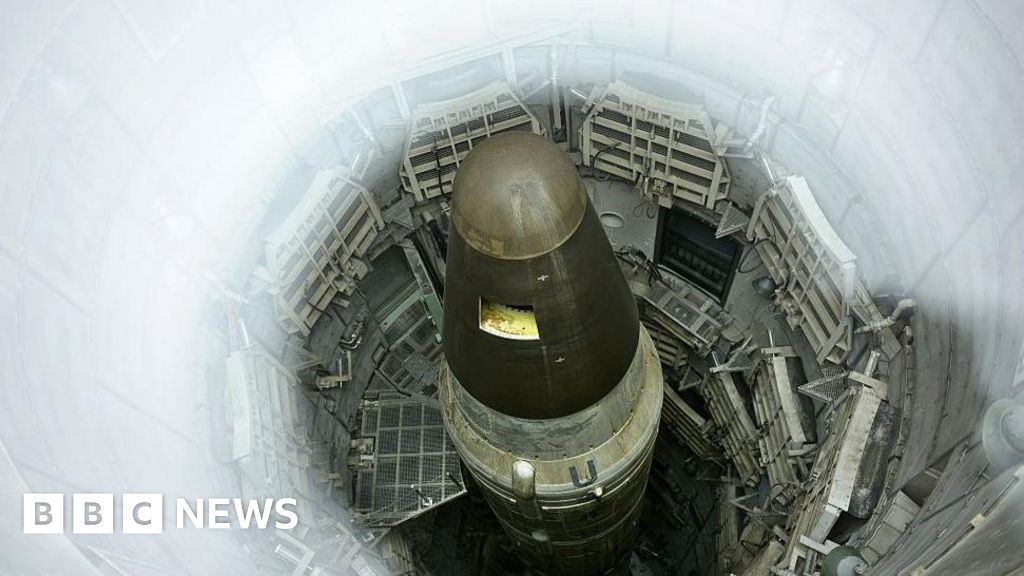
Trump Announces US to Resume Nuclear Tests After 30 Years

U.S. Reverses Nuclear Testing Moratorium Amid Rising Global Tensions

In a move that has sent shockwaves through the international community, President Donald Trump has announced the resumption of nuclear weapons testing, marking a stark departure from decades of U.S. policy aimed at nuclear non-proliferation. Just ahead of crucial diplomatic interactions with Chinese President Xi Jinping, Trump publicly declared that the United States would initiate testing “on an equal basis” with countries like Russia and China. This shift reflects mounting concerns over the rapidly evolving geostrategic landscape, where nuclear capabilities are increasingly seen as essential leverage and deterrence in a world marred by conflicts and technological advancements.

The decision to restart U.S. nuclear testing has notable geopolitical impact. Historically, the U.S. and Russia have maintained a delicate balance of nuclear arsenals, with recent estimates revealing Russia’s stockpile at approximately 5,580 warheads—more than the U.S.’s slightly lower count of about 5,225, according to the Federation of American Scientists (FAS). Meanwhile, China has dramatically increased its arsenal, reaching around 600 warheads and projected to exceed 1,000 by 2030, as per analysts from the Center for Strategic and International Studies (CSIS). By announcing a return to nuclear testing, the U.S. appears to be signaling a readiness to escalate the arms race, a move that critics warn could undermine the existing nuclear treaties and fuel further instability.

It’s worth noting that, since the last U.S. nuclear test in 1992, the international community has largely adhered to a moratorium on testing, reinforced by treaties such as the Comprehensive Nuclear-Test-Ban Treaty (CTBT). The recent Russian testing of advanced missile systems and the development of nuclear-capable underwater drones, like the Poseidon, showcase a new era of nuclear brinksmanship where technological innovation compounds strategic threats. The decision by the Trump administration, coupled with Russia’s own tests of new weaponry, may ignite a chain reaction of destabilizing responses among nuclear-armed nations. International agencies, including the United Nations and global disarmament advocates, have warned that a resumption of testing could jeopardize the nuclear non-proliferation regime, risking a future where nuclear conflict becomes more likely rather than less.

Leading historians and international analysts emphasize the gravity of this shift. For example, Dr. Hal Brands, a notable security expert, cautions that restoring a testing program could mark *”the end of the post-Cold War era of strategic stability”* and escalate the risk of nuclear proliferation among emerging powers. Meanwhile, opposition figures in Congress and advocacy groups have voiced fears over the revival of nuclear tests, arguing that this could “trigger a dangerous arms race” and undermine decades of diplomatic progress. The strategic calculus now moves perilously close to a precipice, with the future of global stability hanging in the balance. As the world watches, it remains uncertain whether diplomacy can contain this dangerous flashpoint, or if history will be rewritten in fire and radiation—an ominous testament to the fragile balance of peace and chaos that has defined the nuclear age.

Amazon Announces Large-Scale Corporate Layoffs to Cut Costs

Amazon’s Strategic Restructuring and the Global Impact of AI-Driven Economy

In a move that underscores the evolving landscape of international capitalism and technological innovation, Amazon has announced plans to cut approximately 14,000 roles in its global corporate workforce. This decision, executives claim, is driven by a push to become “more leanly organized” and to harness the transformative potential of artificial intelligence (AI). As the world watches, this cutting-edge reorientation signals a clear turning point, not just for the tech giant but for the broader geopolitical and economic terrains reshaped by AI’s rapid rise.

Despite recent strong financial reports—such as its 13% year-over-year increase in sales reaching $167.7 billion—the company’s leadership emphasizes a strategic foresight that anticipates an AI-fueled future. Beth Galetti, a senior vice president at Amazon, highlighted that AI is “the most transformative technology since the Internet” and that integrating it into Amazon’s core operations will “enable faster innovation” and more efficient resource allocation. Analysts such as those from the International Monetary Fund and World Economic Forum have warned that global economies are entering a new phase—one where technological leadership may redefine the balance of power among nations, especially as major powers invest heavily in AI-driven military, economic, and diplomatic capabilities.

Transformations and Uncertainties in a Tech-Driven World

  • Amazon’s previous layoffs—around 27,000 in 2022—highlight a pattern of restructuring as the company pivots toward AI investments.
  • Slower growth in Amazon Web Services (AWS)—its cloud division—raises questions among investors regarding the profitability of AI-centric expansion.
  • Experts like Dr. Li Wei, a Beijing-based AI researcher, warn of rising global competition to dominate AI technology, which could catalyze a new Cold War of tech supremacy.

This wave of corporate restructuring points to a broader shift in global economic dynamics. Countries like China, Russia, and the United States are racing to establish AI dominance, understanding that future geopolitical influence will depend heavily on technological superiority. Such developments seriously threaten to deepen the divides of the tech race, potentially destabilizing international alliances and prompting a new era of strategic competition. UNESCO and other organizations have warned that unchecked AI proliferation could threaten societal stability by exacerbating unemployment, economic disparity, and even security concerns.

How Decisions at the Corporate and National Levels Shape Our Future

Amazon’s workforce reduction, driven by AI’s disruptive potential, exemplifies how corporations are adapting to a new economic paradigm. The ongoing restructuring is a harbinger of the future, where geopolitical power will be defined increasingly by technological innovation rather than traditional military might. As noted by historians like Professor Samuel Roberts of Harvard University, history suggests that major disruptions—such as the rise of the internet or nuclear technology—have historically redrawn the geopolitical map. Today, AI’s rapid evolution promises to be no less decisive, with nations vying to lead on an uncharted frontier.

As world leaders grapple with these transformative shifts, a specter of uncertainty looms—will this new era usher in lasting prosperity or deepen global inequalities? The weight of history reminds us that pivotal moments like these are fraught with danger but also—if wisely navigated—possibilities for a more innovative, interconnected world. Yet, the current trajectory suggests a future where corporate strategy and international diplomacy are inextricably linked to AI’s unfolding potential—an era where the fabric of society itself could be forever altered.

In this unfolding narrative, the choices made today—by corporations and governments alike—may well determine the trajectory of civilization for generations to come. The relentless march of AI and the reshaping of economic and geopolitical landscapes underscore that we are hurtling toward a future written in algorithms, where the true winners and losers will be decided not just on the battlefield, but in the boardrooms and government chambers shaping the new world order.

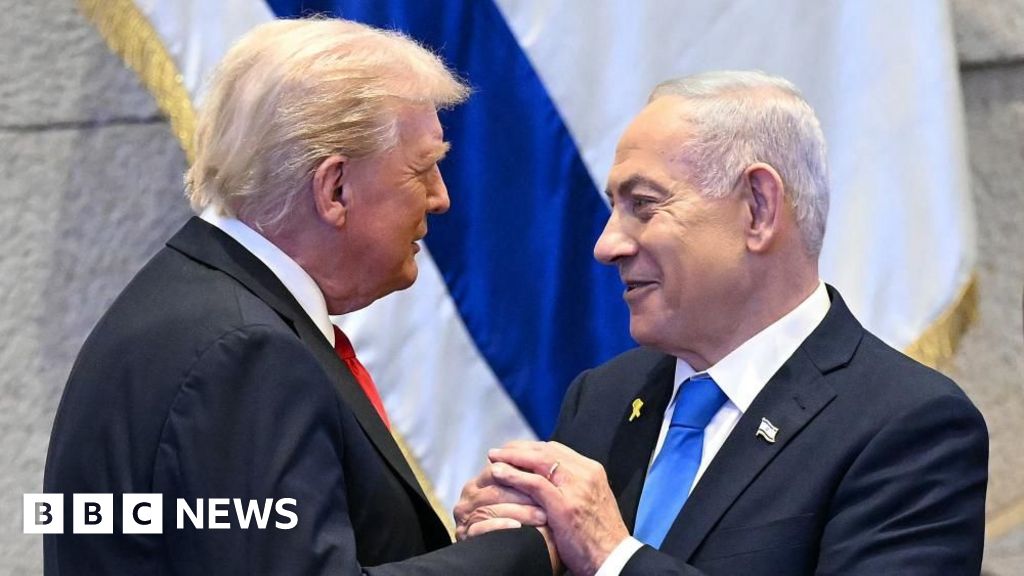
Trump announces promising new chapter for Middle East during Israeli parliament speech

In a remarkable turn of events, President Donald Trump emerged as a central figure in shaping the recent developments in the Middle East. His visit to Israel and subsequent declaration that “the war is over” in Gaza signals an unprecedented diplomatic shift after over two years of brutal conflict. Trump’s role in brokering a ceasefire between Israel and Hamas not only underscores his influence but also sets the stage for a potential reconfiguration of regional alliances. His assertion that this marks the “start of a new Middle East” underscores the geopolitical stakes involved—an era where the influence of the US might return to a more assertive, peace-promoting posture, or so the narrative suggests.

  • Trump’s participation in a peace summit alongside Egyptian President Abdel Fattah al-Sisi and other world leaders emphasizes the scaling of US engagement into a broader regional diplomacy. His presentation at the Knesset, where he was hailed as “the greatest friend Israel ever had,” reflects not only his personal diplomacy but potentially a larger strategic aim: consolidating anti-Iranian alliances and strengthening Israel’s security narrative. Many analysts, including historians tracking US foreign-policy shifts, warn that such moves could recalibrate traditional regional balances, possibly sidelining factions opposed to peace accords or regional stability.

But beneath the jubilant rhetoric lies the complex, often fragile fabric of international diplomacy. Trump’s claims of having secured the release of the last 20 hostages and facilitating the initial stages of peace through a 20-point plan represent highly delicate diplomatic achievements. While some world organizations have celebrated these breakthroughs, critics underscore the *precariousness* of the ceasefire, emphasizing that “the next phases are yet to be negotiated.” This underscores a crucial point: lasting peace depends on sustained commitment and regional cooperation, factors that historically prove difficult to maintain in such a volatile landscape. International security analysts warn that these “initial successes” may not symbolize the end of hostilities but rather a brief pause in a larger, unresolved conflict that could reignite at any moment.

The decision by Israel to release 250 Palestinian prisoners, alongside the withdrawal of over 1,700 detainees, signals a recognition of the importance of confidence-building measures. Yet, it also raises questions about the broader geopolitical impact—how will these gestures influence the long-term prospects for peace, and what are the implications for Palestinian societal stability? Historians like Rashid Khalidi and analysts from institutions such as the United Nations argue that such gestures, while significant, cannot substitute comprehensive solutions rooted in justice and territorial sovereignty. As the world watches the region’s fragile ceasefire, the question remains: how lasting can a peace that emerges amidst geopolitical expediency truly be? The potential for upheaval hangs over the process, with many considering the current developments as merely a chapter—an echo of a still-unfolding saga that will shape history’s judgment.»

As the shadows of this historic moment deepen, one cannot ignore the enduring weight of history still unmade. The corridors of power whisper of a new dawn, yet beneath these bright promises lie the enduring scars of centuries of conflict. The geopolitical calculus pivoting around Jerusalem and the wider Middle East teeters on a knife’s edge. Will this be the start of a genuine era of peace, or merely a respite before the storm resumes? The unfolding narrative remains a reminder that, in the chess game of nations, every move echoes through history, and often, it is the silent, unseen forces that hold the greatest sway over the destiny of peoples.

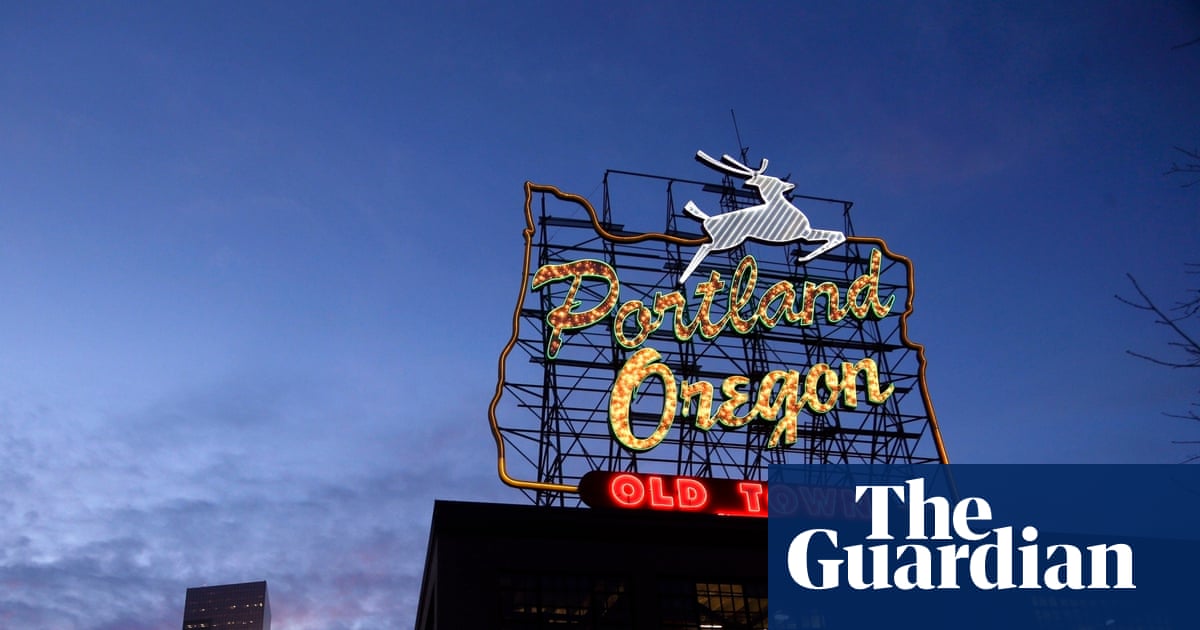
Trump Announces Troop Deployment to Portland to Restore Order

In a move that has sent shockwaves through the international community, President Donald Trump announced the deployment of federal troops to Portland, Oregon. This decision, outlined via social media, signals a controversial escalation in the ongoing unrest that has gripped the city since 2020, and raises profound questions about the trajectory of America’s internal stability and democratic values. Trump’s unilateral deployment of forces—despite opposition from local officials and members of Congress—reflects a broader pattern of asserting federal authority over Democratic-led cities, with significant geopolitical impact on U.S. stature both at home and abroad.

The political narrative surrounding this deployment centers on the administration’s claims of a persistent state of chaos, with Trump accusing local protesters outside an ICE facility of orchestrating violent acts, and describing the city as “amazing” yet “anarchy out there.” However, these claims have been widely contested by local authorities and independent observers. Oregon’s Mayor Keith Wilson voiced concern about the sudden influx of federal agents, asserting that their presence was neither requested nor justified. Meanwhile, video evidence from local media revealed peaceful protesters being subjected to force by federal officers, casting doubt on the administration’s portrayal of the situation. Analysts suggest this gambit may be rooted in an attempt to justify an authoritarian crackdown, reminiscent of historical interventions where order is claimed as a pretext for power consolidation.

International organizations and renowned historians have quickly weighed in on the transformative significance of such developments. Political scholars warn that the escalation of federal intervention in American cities could set a dangerous precedent, undermining the principles of federalism and peaceful protest. The United Nations and human rights watchdogs have expressed concern over reports of excessive force and the potential erosion of civil liberties. How decisions made in the coming weeks will shape the fabric of American society remains a pressing question for geopolitical stability and the future of democratic governance.

As the tumult unfolds, there is an unmistakable sense that the struggle reflects deeper fissures within the United States: a clash between the desire for federal authority and the principles of decentralized governance. The rhetoric employed by Trump and his supporters echoes historical attempts to portray domestic dissent as treacherous, framing vigilantism as a solution. However, critics contend this strategy risks tipping the nation into a more authoritarian phase, with potential ripple effects through allied democracies across the globe. The specter of militarized police and federal agents wielding power over American cities echoes darker moments in history that many nations have fought to overcome. As the nation holds its breath, the story of Portland becomes a microcosm of the global debate over liberty, order, and the limits of state power—a conflict that may very well redefine the course of 21st-century history.

Social Media Auto Publish Powered By : XYZScripts.com