Matox News

Truth Over Trends, always!

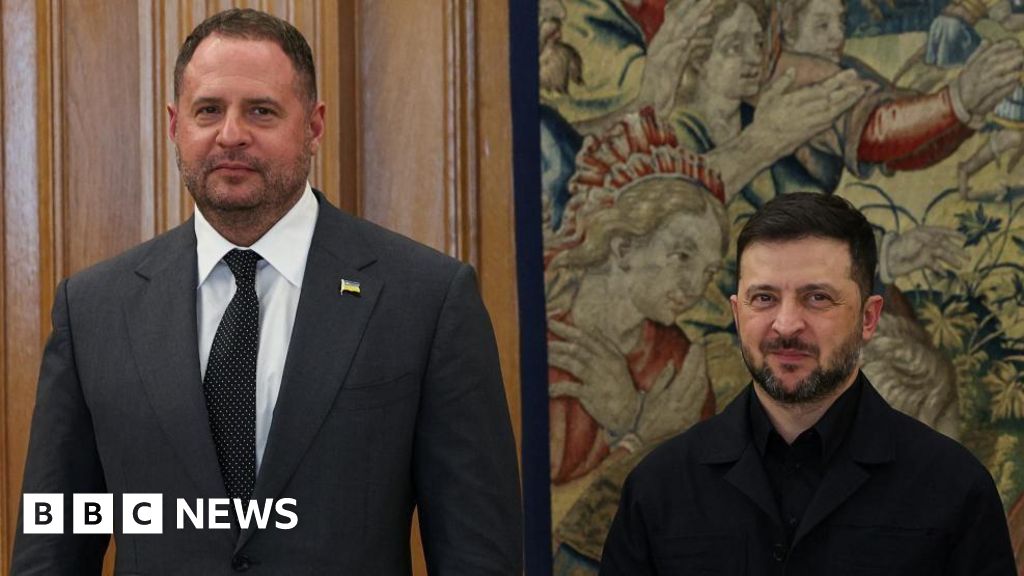
Ukrainian Anti-Corruption Raids Target Zelensky's Adviser Yermak’s Home
Ukrainian Anti-Corruption Raids Target Zelensky’s Adviser Yermak’s Home

In a move that underscores the volatile landscape of Ukraine’s internal politics amidst ongoing conflict, Ukraine’s anti-corruption agencies have initiated searches at the residence of President Volodymyr Zelensky’s chief of staff, Andriy Yermak. This development, confirmed by the anti-corruption bureau Nabu, signals a significant turn in the domestic fight against corruption, a persistent issue that has long hampered reform efforts in Ukraine. Despite these investigations, neither Zelensky nor Yermak have been formally accused of wrongdoing, but the unfolding events highlight internal struggles that threaten to destabilize Zelensky’s fragile political base.

Ukraine’s fight against corruption takes on particular importance amid the broader geopolitical contest involving Russia. Yermak, once praised for orchestrating diplomatic efforts and serving as Kyiv’s primary negotiator in peace talks with Western allies, now faces increasing scrutiny. Critics within Ukraine argue that the scandal reveals deeper issues of transparency and accountability, which could undermine foreign aid and international support crucial for Ukraine’s resistance against Russian aggression. As Ukrainian analysts and historians debate the significance of these events, some warn that internal divisions may be exploited by Moscow to weaken Kyiv from within, further complicating the fight for sovereignty.

International organizations, including the European Union and United States, watch closely. Their support remains conditional on Ukraine’s ability to demonstrate political stability and good governance. Yet, the political shakeup raises the stakes; each move of domestic power struggles resonates beyond national borders, reshaping perceptions of Ukraine’s resilience. As Yermak publicly cooperates, with full access granted to his lawyers, his case symbolizes the broader international dilemma: can Kyiv maintain unity and focus on defeating Moscow or will internal conflicts fracture its fragile front?

  • Yermak’s role as Kyiv’s chief negotiator makes his investigation a potential turning point in Ukraine’s diplomatic standing.
  • Critics suggest the scandals may be a result of internal power struggles more than genuine corruption.
  • Ukraine’s internal stability is essential for securing continued Western military and economic aid.
  • Geopolitical analysts warn that prolonged political infighting could embolden Russia’s ambitions.

The broader geopolitical imprint of these scandals extends beyond Ukraine’s borders, affecting international perceptions of its leadership and governance. As historians continue to analyze the unfolding events, the question remains: will Ukraine emerge from this crisis with strengthened resolve or fracturing alliances? The narrative of a nation fighting both external invaders and internal disloyalty hangs in the balance, carrying with it the weight of history still being written. Each action, each investigation, echoes across the halls of power in Kyiv and beyond, shaping the future of a country at the crossroads of East and West, caught in the relentless tide of history’s unfolding story.
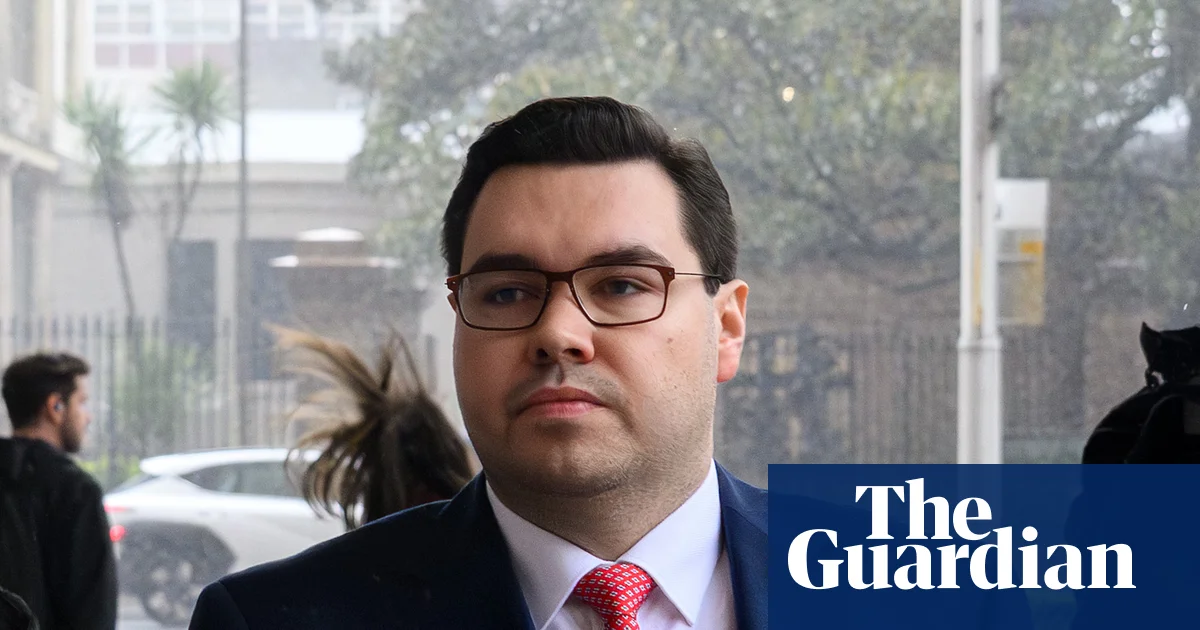

Bruce Lehrmann claims government should pay legal costs for anti-corruption raid over 'James Bond-style' claims in NSW
Bruce Lehrmann claims government should pay legal costs for anti-corruption raid over ‘James Bond-style’ claims in NSW

The Echoes of Domestic Turmoil and Their Global Geopolitical Impact

In a narrative increasingly becoming common in Western democracies, the domestic legal battles of disgraced political figures are now spilling beyond national borders, shedding light on how internal governance issues ripple out with far-reaching consequences. The recent case of Bruce Lehrmann, a sacked political staffer embroiled in scandal in Australia, exemplifies this trend. His legal disputes—centered on accusations of misappropriating sensitive documents related to French submarine deals—are more than a matter of local justice; they are a reflection of the unstable political terrain that the Indo-Pacific region now navigates.

Amid ongoing investigations, Lehrmann’s unresolved dispute over government funding for legal representation highlights how fragile political institutions have become. Justice Brigitte Markovic’s decision to order mediation by December 1st emphasizes a strategic attempt to avoid prolonged legal conflicts that could undermine public confidence in government processes. Yet, the underlying issues—such as Lehrmann’s claims of being denied funding despite assurances—highlight a broader crisis of transparency and accountability, both domestically and in the context of international perceptions of Australia. Analysts warn that such internal fissures risk eroding the trust in democratic institutions and complicate Australia’s diplomatic posture, especially in a strategic environment dominated by the United States, China, and Russia.

Adding an international dimension, Lehrmann’s legal saga is intertwined with other sensitive issues like his accusations involving his colleague, Brittany Higgins. The case touches on deeper concerns about political accountability and the handling of power within Parliament. While Lehrmann has dismissed allegations of rape—which are yet to be conclusively tested in a criminal court—the 2024 ruling by Justice Michael Lee finding the claims probable on the balance of probabilities escalates into a broader debate about justice, credibility, and the rule of law in Australia. His appeal against a defamation loss signals how these domestic issues could influence regional perceptions of legal integrity and policy stability.

From an international perspective, the distraction of internal scandals serves as a cautionary tale for European and Asian policymakers alike, emphasizing how domestic discontent can be exploited by external actors to weaken alliances. It raises questions about the geopolitical ramifications—particularly as China and Russia continue to scrutinize Western democracies’ internal divisions. Institutions like the European Union and ASEAN are watching closely, cognizant that internal instability can undermine collective security and influence regional rivalries.

Indeed, the Lehrmann case is a microcosm of a larger, tempestuous global landscape where internal power struggles and legal disputes may seem isolated but are in fact part of a wider narrative. These unfolding domestic dramas expose the vulnerabilities within democratic systems, which external powers are eager to observe and analyze. As historians and security analysts warn, the way nations handle these internal conflicts will determine their geopolitical fate in an era marked by strategic rivalry and shifting alliances. With history’s pen whirling, the story of Lehrmann and similar figures remains an enduring testament to the fragile fabric of modern democracies—threads that, if broken, could unravel the very global order upon which the future depends.

Social Media Auto Publish Powered By : XYZScripts.com


