Matox News

Truth Over Trends, always!

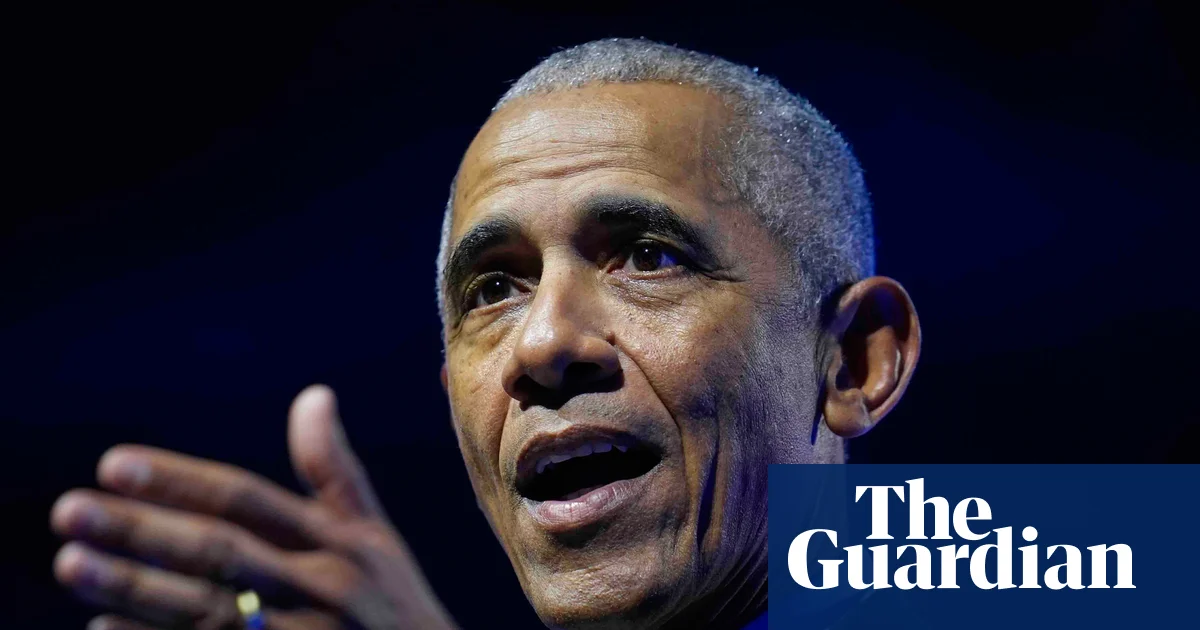
Obama backs anti-ICE protests in Minneapolis—Young voices rising for reform

The recent upheavals in Minneapolis and the surrounding Twin Cities expose a significant chapter in the ongoing struggle over U.S. immigration policies and federal authority. Former President Barack Obama publicly voiced his support for local demonstrators opposing the controversial Immigration and Customs Enforcement (ICE) operations, which he described as “unprecedented.” His remarks highlight the geopolitical impact of internal U.S. policies that not only shape the nation’s social fabric but also resonate broadly on the international stage. As mass protests erupt and authorities retreat, analysts argue these events underscore an inflection point in America’s internal stability and how its leadership chooses to wield federal power in the face of public dissent.

At the heart of this critical moment is how decisions at the federal level influence societal perceptions and international credibility. The escalation of ICE actions—deployed without clear guidelines and involving aggressive tactics like tearing gas canisters and entrapping families—has been widely condemned. Historically, experts like Dr. Samuel Harper, a senior analyst at the Global Policy Institute, underline that “the backlash against federal immigration enforcement reveals a broader narrative: Americans are deeply divided about the **values** that define their nation.” It is ironic that the federal government, which often portrays itself as the defender of national sovereignty, now faces accusations of endangering the very communities it claims to protect, thereby fueling accusations of overreach and authoritarianism.

U.S. officials, including Tom Homan, the former border czar, indicated a voluntary scaling down of operations following highly publicized deaths at the hands of federal agents—a turning point that many interpret as a response to mounting protests. These developments suggest that the message conveyed by the American populace, especially the youth, is one of resistance against what many see as overstepping constitutional bounds. The international community, including the United Nations and human rights organizations, has scrutinized these events, warning of damage to America’s global image and urging accountability. Yet, critics argue that such recalls signal a recognition of the tides turning, as a citizenry increasingly demands adherence to fundamental rights and the rule of law.

As the debate intensifies, the emotional narratives shared by leaders like Obama and Michelle Obama evoke a sense of crisis—a call for Americans to reflect on their core values. Historically, moments of internal unrest often serve as turning points in national identity; whether these protests mark a shift towards greater justice or signal unresolved divisions remains to be seen. What is undeniable is that the decisions made in the coming weeks will reverberate across generations, influencing policies, societal attitudes, and the very fabric of what it means to be an American. As history continues to unfold, the weight of this chapter will linger, a stark reminder that the struggle over liberty, justice, and sovereignty remains as vital as ever, etched into the annals of a nation still seeking its true direction amid tumult and change.

Why Anti-ICE Pin Badges Are the New Must-Have Accessory for Trendy Youth on the Move

The cultural landscape of activism has entered a new era where style and social justice are seamlessly intertwined, especially on the red carpet. The rise of protest accessories—most notably the humble pin badge—has transformed from simple ornamentation to a powerful symbol of resistance and social consciousness. At recent high-profile events like the Grammy Awards, celebrities such as Justin and Hailey Bieber and Billie Eilish have worn black-and-white pins emblazoned with “ICE out,” boldly condemning immigration enforcement policies associated with the US Immigration and Customs Enforcement agency. This has become a visual rallying cry that captures the attention of millions watching from home, illustrating how entertainment figures are leveraging their influence for social relevance.

This trend isn’t confined to the glamorous world of celebrities. It reflects a broader societal shift in activism—one that emphasizes **accessible, wearable protest** as a means of engaging a younger audience. TikTok, the driving force behind many contemporary movements, is flooded with tutorials on how to craft these badges, while online marketplaces have responded swiftly by offering variations such as “Abolish ICE” or “Nobody is illegal” sets. The cultural impact here is significant: what was once the domain of political rallies and protests is now woven into everyday fashion, transforming silent accessories into statements of identity and solidarity. Sociologists argue that this participatory form of activism—embracing DIY craft and social media—fosters a sense of community and personal agency among youth who might otherwise feel disconnected from large-scale political processes.

Influencers like Missouri-based beadwork artist Komina Guevara describe wearing these protest badges as “a small, intimate protest”—a sentiment that resonates deeply with a generation seeking authenticity and direct impact. Beyond pins, the activism has extended into fashion with viral T-shirts, such as those inspired by Bad Bunny’s Grammy speech, which declare “ICE out” with defiant boldness, and Ella Emhoff, stepdaughter of Vice President Kamala Harris, wearing a shirt bearing the message “The wrong ICE is melting” at Copenhagen Fashion Week. This fusion of style and activism isn’t just superficial: it’s a reflection of how social relevance becomes embedded in personal expression, transforming protest into a lifestyle for a more conscious generation.

The movement’s influence extends into craftivism—a blend of craft and activism championed by figures like Betsy Greer. She emphasizes that participatory projects like knitting “Melt the ICE” hats or crafting badges create connections that motivate sustained engagement. These small acts foster a sense of belonging and purpose, making it easier for individuals to engage in broader advocacy, whether that means calling politicians, volunteering locally, or attending protests. As social movements increasingly adopt this creative, personal approach, the question arises: **Are we witnessing a new form of cultural revolution, where individuality and activism fuse into daily habits, shaping the future of political engagement among youth?** It’s a question that challenges us to consider whether this blending of fashion, craft, and protest will fade or evolve into a resilient force capable of driving substantive change at a societal level.

Anti-ICE rhetoric sparks controversy over ammo after Dallas shooting kills detainee

United States continues to grapple with a troubling surge of politically motivated violence targeting Immigration and Customs Enforcement (ICE) facilities, highlighting the profound, destabilizing effects of rhetoric on societal security. Today’s attack in Dallas, Texas, marks yet another grim chapter in this disturbing pattern. A rooftop sniper, driven by ideological motives, opened fire at an ICE office—an action that underscores rising tensions within the country’s polarized political landscape. The incident resulted in the death of one detainee and critically injured two others, deeply unsettling a nation already divided over immigration policies and immigration enforcement tactics.

The attack was characterized by law enforcement officials as an act of targeted violence. FBI Director Kash Patel revealed that the gunfire was accompanied by anti-ICE messages, with ammunition casings bearing the phrase “ANTI-ICE.” While initial reports mistakenly indicated multiple fatalities, the current official account confirms that the shooter died from a self-inflicted gunshot. This incident is part of a broader escalation in violence against federal agencies, fueled by relentless political rhetoric that equates ICE with oppressive regimes, such as the Nazi Gestapo, as publicly condemned by **Homeland Security Secretary Kristi Noem**. Such narratives, analysts warn, dangerously blur the lines between lawful opposition and violent extremism, threatening the stability of the nation’s law enforcement apparatus.

Experts and international observers are warning that these attacks are not isolated acts but symptoms of a deeper social fracture that politicians and media personalities have exacerbated through inflammatory language. The Department of Homeland Security has indicated that the shooter’s actions were ideologically motivated, reflecting a broader climate of polarization and radicalization. Previous incidents include shootings at ICE offices in Texas—San Antonio and Alvarado—where no injuries occurred, yet the constant barrage of threats and violence continue. How nations respond to this trend will significantly shape their societal cohesion and their capacity to uphold law and order as they navigate the complexities of immigration, security, and political discourse.

Across the political spectrum, voices such as **Texas Senator Ted Cruz** and **Governor Greg Abbott** emphasize that violence and threats against law enforcement threaten to undermine national stability. Cruz urged the public to resist demonizing political opponents, warning that such divisive rhetoric has tangible, deadly consequences. Meanwhile, the incident in Dallas reignites debates over the impact of political rhetoric, with lawmakers warning that pre-election hostility could erupt into further violence, destabilizing already fragile social fabrics. International organizations and security analysts emphasize the importance of addressing these attacks promptly, warning that the erosion of civility and respect is a precursor to a more dangerous descent into societal chaos.

As the weight of this violence accumulates, the country faces a pivotal moment where the choices made today could echo through generations. The ongoing saga of escalating attacks, hateful rhetoric, and ideological extremism threatens to redefine the landscape of domestic stability and international credibility. With each shot fired, history records a stark reminder: the battlefield of ideas has become a battleground of blood. The unfolding story in Dallas— and beyond—serves as both a warning and a call to action. How the United States chooses to confront this modern scourge will determine whether it remains a beacon of liberty or descends further into chaos, a nation haunted by the shadows of its own division, teetering on the edge of a precipice from which there may be no return.

Social Media Auto Publish Powered By : XYZScripts.com