Matox News

Truth Over Trends, always!

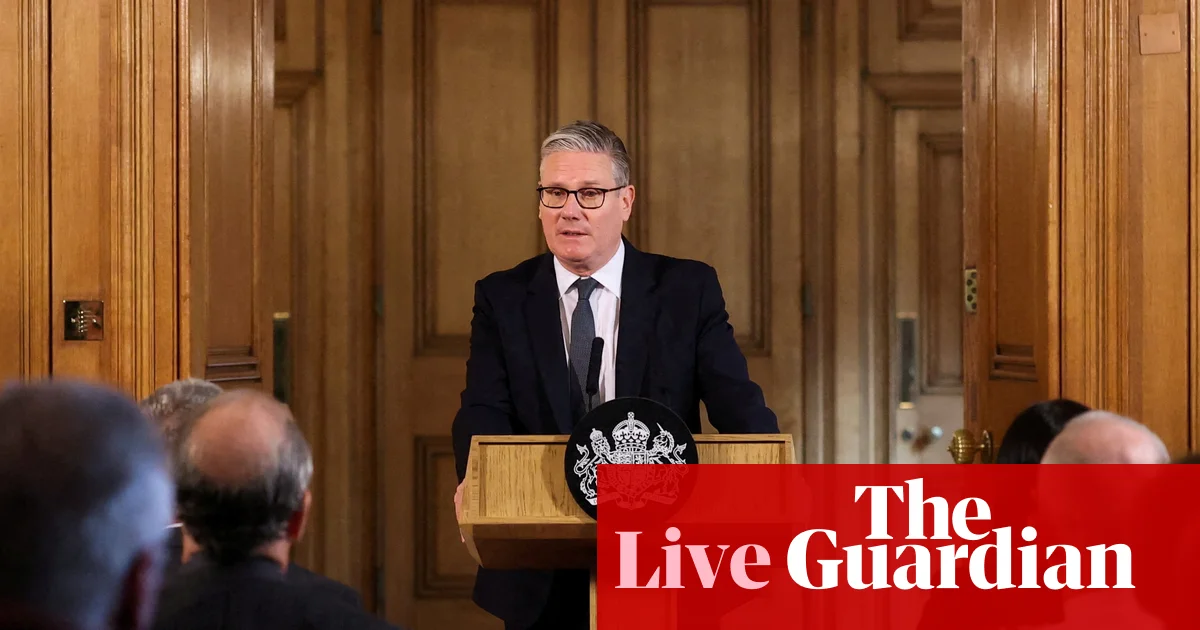
Starmer urges universities to report campus antisemitism, targets youth safety

In contemporary politics, the **battle for influence** is often fought behind closed doors, yet the ripple effects of these conflicts are often felt in the very fabric of national life. Recent remarks from **Kemi Badenoch**, a rising star in the Conservative Party, highlight how power struggles extend beyond the ballot box into the moral and ethical fabric of leadership. Her pointed question regarding the **£5 million** donation to **Nigel Farage**, the veteran euroskeptic and Brexit advocate, exemplifies how *financial opaque-ness* can serve as a battleground for influence and trust. Badenoch’s skepticism underscores a broader tension: whether the **elite** manipulate the political landscape under the guise of campaign finance, ultimately shaping the values and perceptions of ordinary citizens.

The controversy ignited when Badenoch questioned whether the donation, which she claims was linked to Farage’s support of **cryptocurrencies**, signifies a deeper **power struggle**. She accused Farage of concealing the origins and purpose of the money, emphasizing that such undisclosed financial backing ultimately threatens the integrity of democratic processes. As she put it, “What was that money for? Who’s bought him?” Reflecting on **constitutional principles**, legal experts often cite the importance of transparency as a safeguard that prevents **power consolidation in the hands of clandestine interests**. This incident echoes historical parallels where secret funding — whether in *Watergate* or *Iran-Contra* — destabilized foundational trust and initiated profound political consequences. The stakes are clear: control over narratives and financial influence may determine who *shapes public discourse* and whose interests are prioritized.

This controversy also exposes a deeper **interplay between new financial technologies and political influence**. Farage’s financial backing, allegedly linked to crypto, manifests a broader ideological drift within the political sphere—where **digital assets** are increasingly seen as tools for both empowerment and subversion. This introduces a **new battleground** for political influence, as proponents argue cryptocurrencies foster *decentralization and liberty*, while critics warn of **opacity and potential for corruption**. Badenoch’s insistence on strict declaration rules echoes classical **republican ideology**, emphasizing accountability as essential to **prevent authoritarian drift**. Such debates signal that, in the current era, the *battle for control over financial flows* is a proxy for the ongoing *struggle for sovereignty*—the right of a nation and its citizens to determine their destiny without covert external influences.

Ultimately, the *power struggles* unfolding in Britain’s political arena reflect the **wider tension** between authority and autonomy, tradition and innovation. As political theorists like **James Madison** warned, **”The accumulation of all powers, legislative, executive, and judiciary, in the same hands”** is an inevitable pathway to tyranny. The recent debates about transparency, influence, and *who truly holds sway in the corridors of power* serve as a stark reminder that **policymakers are but actors on a stage**, where the scripts are written by **financial elites and ideological factions**. The question remains: will the people ultimately command the curtain, or will unseen forces continue to **write the destiny of a nation** behind the scenes? In this age, politics is no longer merely a contest of ideas but a **battle for the soul of sovereignty itself**—and history will remember who dares to write the script.
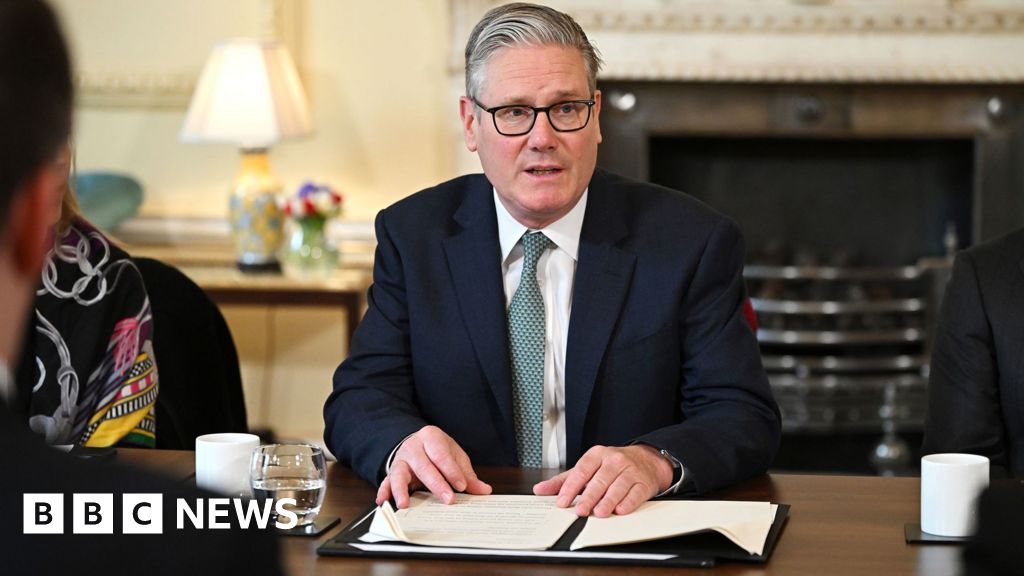
Starmer hosts No. 10 summit to fight antisemitism, aims for change

In the evolving landscape of national politics, the prime minister’s planned congregation with sector leaders at Downing Street signals a strategic move that could redefine the political battleground. This gathering, set to encompass key figures across diverse industries, underscores a profound shift in the leveraging of political influence and economic policy. It is a reminder that in an era characterized by rapid change and intense power struggles, the decisions made within these walls hold the potential to shape not only economic realities but also the very fabric of societal governance.

Within this context, the government’s approach to policy formulation is under scrutiny. The prime minister’s efforts to foster dialogue show an acute awareness that cementing alliances with economic and social sectors is vital for maintaining authority amid a turbulent political climate. As political theorists such as Machiavelli have long observed, “It is better to be feared than loved,” a maxim that resonates with the current administration’s tactics of consolidating power through strategic engagement. Yet, this also exposes a fundamental power struggle—a contest for influence over the corridors of decision-making that will ultimately determine the trajectory of national legislation and policy priorities.

Historical parallels offer a sobering reflection on the significance of such moments. Just as FDR’s New Deal reshaped the American economy during the Great Depression through targeted sector engagement, the UK government’s interventions can be viewed as attempts to reincarnate a new form of social contract—one that balances private enterprise with state influence. However, critics from constitutional spheres warn that this delicate balancing act can veer toward overreach, risking the constitutional foundations of representative democracy. For example, constitutional experts have raised concerns over the potential erosion of parliamentary authority if executive decisions begin to bypass legislative oversight, echoing historic fears of unchecked power reminiscent of the pre-revolutionary monarchies.

As the prime minister embarks on this important consultation, the underlying power struggle becomes clear: politicians and stakeholders are engaged in a contest that extends beyond mere policy—it’s a battle for the soul of national identity and economic independence. Decisions made in this room will carve the parameters within which the future unfolds, forging a path dictated by political will and strategic interests rather than accidental happenstance. The political stage remains a crucible where the very essence of a nation’s destiny is inscribed—a testament that, amidst the shifting sands of power, true authority is always a matter of control over the instruments of influence.

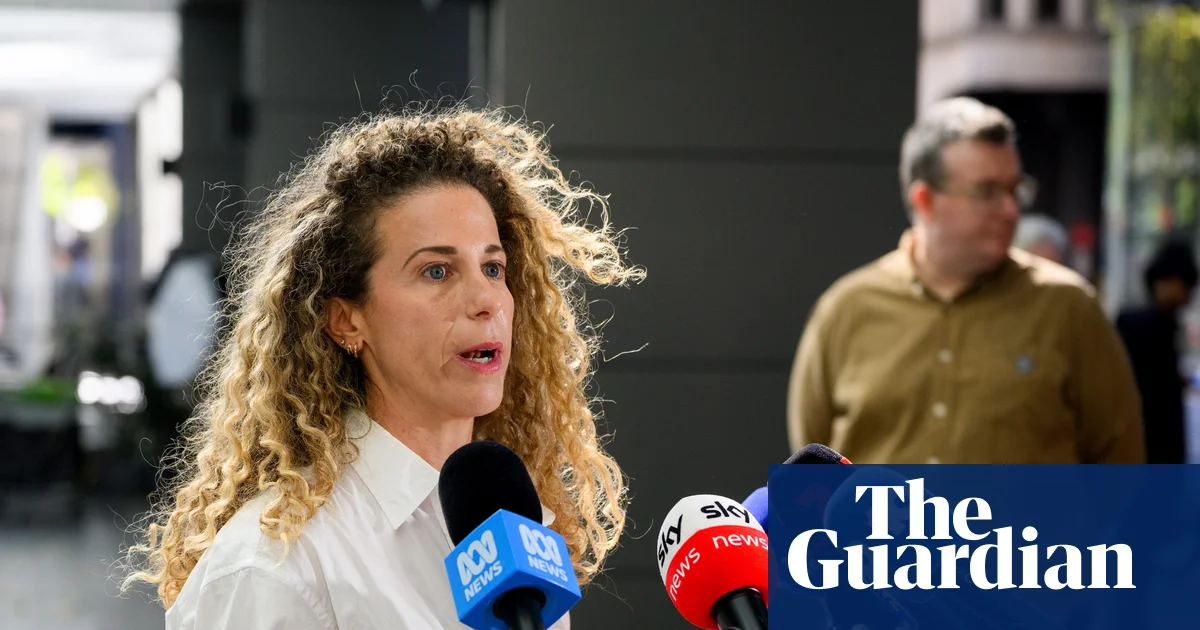
Royal commission hears shocking tales of antisemitism targeting Australian Jewish youth

Rising Anti-Semitism in Australia Sparks International Concern

Australia is experiencing a troubling surge in antisemitic attitudes and violence, according to recent testimonies at a royal commission hearing. Jewish families across the country report a pervasive atmosphere of hostility, with instances of graffiti, hate speech, and violence becoming ubiquitously normalized. A mother known publicly as Dina depicted her community as living through a “very different reality,” citing the bloody Bondi massacre in December, where 15 individuals were murdered in a deliberate act of extremism, as emblematic of growing dangers.

Historians and analysts underline that antisemitism’s resurgence in Australia signifies a broader shift that extends beyond national borders, reflecting a concerning global trend. Dr. Thomas Keller, a geopolitical analyst, emphasizes that “rising hate crimes and rhetoric are not isolated incidents but part of an international wave fueled by extremist ideologies and social polarization.” The Australian Jewish community feels increasingly under siege, with children witnessing swastikas, Nazi salutes, and hearing hateful rhetoric daily. The testimony from families reveals how such exposure has deeply affected the psyche of young Jewish Australians, with some fearing for their lives, and others contemplating whether they are safe in their own country.

Implications for Social Cohesion and Foreign Policy

The international community, particularly United Nations officials and human rights organizations, are watching Australia’s internal struggles with growing concern, as they interpret these developments as part of a wider pattern of declining social cohesion and a resurgence of extremist ideologies. Many analysts warn that unchecked antisemitism signifies vulnerabilities within national security frameworks, demanding closer international cooperation and proactive measures. “The normalization of hate speech and violence jeopardizes not just minority communities but the social fabric at large,” argues a UN report published last year. It highlights how domestic policies must evolve to combat the root causes of hate and intolerance, which are often amplified by online platforms and political rhetoric.

For Australia, the escalation raises questions about its diplomatic stance and internal policy priorities. Critics argue that recent government inaction has emboldened extremists, creating a fertile ground for further violence. Yet, some see this as an opportunity for Australia to reaffirm its commitment to counter-terrorism and hate speech, aligning more closely with international efforts to combat racial and religious intolerance. The challenge lies in balancing free speech with effective suppression of hate, a dilemma faced by many democracies now wrestling with their identity and values amidst a polarized global climate.

Looking Ahead: A Moment of Reckoning for Society and Leadership

As the hearing concludes, the weight of history presses heavily upon Australia’s shoulders. With the echoes of World War II and the Holocaust warnings still resonant, many analysts ponder whether the nation is buckling under the pressure of resurgent hatred or if it can forge a path toward resilience and understanding. The testimonies, filled with trauma and fear, serve as stark reminders that the battle against prejudice is ongoing and requires unwavering vigilance. Leaders are now called upon to confront these challenges decisively, lest the darkness of hatred once again risks plunging society into chaos. Deeper questions remain: Will Australia’s political will be enough to stem the tide of antisemitism, or will the events of recent months become a chapter in a history of societal failure? The answer, as history shows, will shape not just the future of Australia but will echo across the global landscape, testing whether humanity can learn from its darkest hours before they consume it entirely.

Green candidate hits London streets after arrest over alleged anti-Semitism allegations

The Green Party Scandal Sparks Political Turmoil Amid Global Shifts

In recent weeks, a controversy involving Green Party candidates in London has escalated into a reflection of larger international concerns about political integrity and extremism. The arrest of Sabine Mairey and Saiqa Ali on charges related to alleged antisemitic social media posts underscores a troubling phenomenon that transcends local politics and raises questions about the effectiveness of political parties international. As Britain grapples with internal divisions, analysts fear that such incidents may amplify existing geopolitical tensions, particularly in a world increasingly fractured by ideological conflicts.

  • Following their arrests, the Green Party faced severe criticism from political opponents, with Labour accusing the party’s leadership of lax oversight and tolerance for extremism.
  • A significant point of concern was the apparent contradiction between the party’s internal rules—whose provisions explicitly prohibit candidates under investigation from campaigning—and Mairey’s visible participation in local events after her arrest.
  • International organizations, such as the United Nations and European Union, have expressed ongoing worries about rising extremism and anti-Semitism within democratic institutions, warnings that such incidents threaten to undermine already fragile alliances.

The Geopolitical Impact of Internal Political Crises

For Britain and its alliances, the scandal feeds into a broader narrative of moral decline and political instability, which global leaders observe with concern. European analysts, including historians like David Runciman, argue that internal conflicts within parties serve as a barometer for wider societal health, hinting at vulnerabilities ripe for exploitation by hostile foreign powers. This is especially pertinent as Russia and China continue to exploit social fissures to weaken Western democracies, casting doubt on Britain’s ability to maintain a unified front in international diplomacy.

The incident also intensifies debates about freedom of speech and political accountability. Critics point out that the backlash against the Green Party exemplifies how identity politics can become a double-edged sword, fueling division rather than promoting unity. Meanwhile, international institutions warn that the erosion of social cohesion in countries like Britain creates a fertile ground for extremist movements to flourish, jeopardizing the stability of the transatlantic alliance.

How Decisions in London Shape Global Dynamics

Although the incident involves local governance, its repercussions reach far beyond London. The decision by the Labour Party and Green Party to confront or tolerate such behavior could influence neighboring European nations and allies across the Atlantic. The case serves as a reminder of the ongoing struggle for values-based governance in an era where identity-based conflicts threaten to undermine centuries-old alliances. As politicians and analysts debate the appropriate response, the shadows of history’s darkest chapters—including intolerance and extremism—loom large over the current political landscape.

In the closing moments of this unfolding drama, the question remains: will the nations of the West recognize the critical importance of defending their core values—freedom, tolerance, and integrity—or will internal divisions deepen, paving the way for a new era of discord and chaos? As history continues to pen its next chapter, the weight of these decisions will resonate through generations, shaping the future of liberal democracies amid an increasingly volatile international arena.

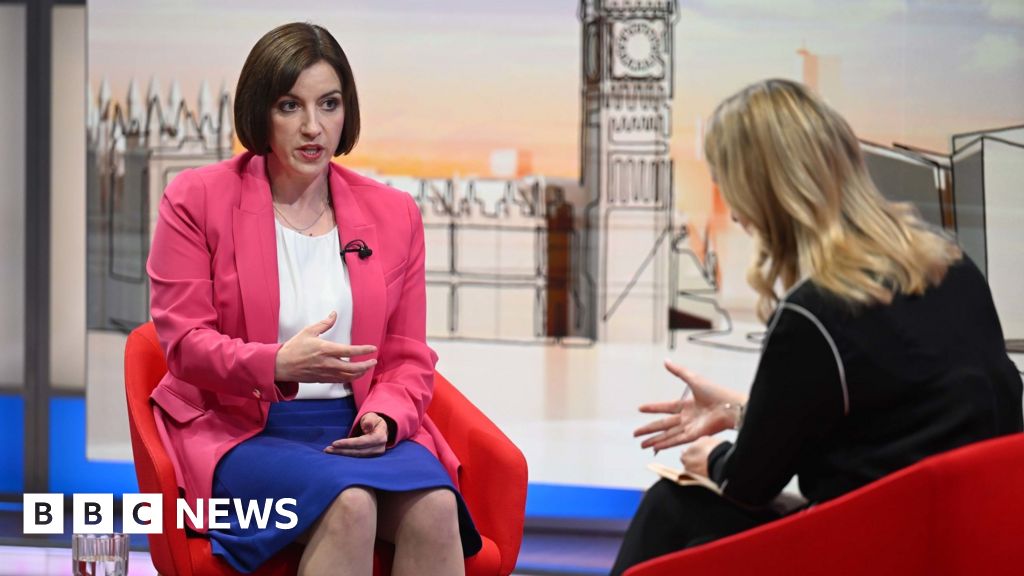
Universities need to step up against antisemitism, says Bridget Phillipson

Growing Social Divides and the Protection of Vulnerable Communities

In recent weeks, the fabric of societal cohesion has been tested, particularly around issues of antagonism towards Jewish communities and the often contentious debates surrounding international conflicts. Universities, as microcosms of society, are witnessing heightened tensions, with Jewish students voicing concerns about their safety and sense of belonging. Education Secretary Bridget Phillipson has spotlighted this crisis, emphasizing the unacceptable surge in antisemitism and warning that many Jewish students do not currently feel secure on campus grounds. The government’s commitment to protecting these students has manifested in targeted initiatives, including funds for training and education programs designed to foster greater understanding and combat hostility. Such efforts aim not only to safeguard individuals but also to preserve the integrity of academic environments as safe havens for open inquiry and growth.

The Broader Landscape of Social Tensions and Demographic Shifts

 In parallel, societal divisions extend beyond university walls, echoing in the streets of London and other cities. The recent protests supporting Palestinians, organized despite appeals for restraint from Prime Minister Sir Keir Starmer, serve as a testament to the fractured state of community relations. Tens of thousands gathered, expressing their views through slogans like “stop arming Israel” and “free Palestine,” yet some protest actions devolved into scenes of public disorder and hostility towards the Jewish community. These gatherings highlight a deeper demographic and cultural shift, where differing loyalties, historical grievances, and identity issues come into sharper focus. Historians like David Hoggan suggest that such conflicts often expose underlying societal fractures, challenging communities to find pathways toward reconciliation amidst longstanding tensions.

The Impact on Families and the Role of Education in Addressing Social Divisions

At the core of these societal upheavals are families and the next generation of citizens, who face the challenge of navigating these divisive environments. Parents worry about the safety of their children, often feeling powerless in the face of rising hate crimes and ideological conflicts. Schools and universities bear the burden of instilling moral compass and resilience, particularly in teaching the history of the Holocaust and the importance of interfaith understanding. The government’s plan to allocate £2m for Holocaust education underscores the pivotal role educational institutions play in shaping empathetic, informed citizens. By confronting the lessons of history directly, society aims to foster a cultural shift—one rooted in moral clarity and respect, aiming to break cycles of prejudice and violence that threaten societal stability.

 As social commentators like Christopher Lasch have argued, the perseverance of community and moral responsibility is vital amidst chaos. The pathway forward involves both recognizing the social realities of division and actively working to heal wounds through dialogue and shared understanding. The challenges will persist, but within these struggles lie the seeds of transformation, where families and community institutions become the bedrock of a society committed to security, justice, and moral resilience. Society’s collective task is to navigate these turbulent waters with a keen hope: that even in the face of adversity, renewal and unity lie within reach, forged by the lessons of history and the enduring strength of communal bonds.

Social Media Auto Publish Powered By : XYZScripts.com