Matox News

Truth Over Trends, always!

Australia News Live: NSW Anti-Slavery Chief Questions Iran Football Squad’s Exit; Earthquake Rocks North of Canberra

International Ripples: Australia’s Crucial Decisions Shape the Geopolitical Landscape

Fresh developments emanating from Australia highlight a nation at a critical juncture, where internal decisions transcend borders, echoing the broader battles of sovereignty and moral responsibility on the world stage. The controversial departure of the Iranian women’s football team from Australia has sparked intense scrutiny and debate, not only about domestic policies but also about how nations handle complex issues of threat, coercion, and international law. Analysts warn that the handling of this incident could redefine Australia’s stance towards human rights and its diplomatic credibility, especially amid ongoing conflicts involving Iran and other regime-led states.

The incident underscores a fragile geopolitical balance, where the NSW anti-slavery commissioner questioned top-tier institutions—including the federal police, Sydney airport, and Qantas—over their role in facilitating the squad’s departure amidst wide-ranging concerns about coercion. Dr. James Cockayne emphasized that the athletes’ decision to leave might have been unduly influenced by threats and intimidation, echoing fears of exit trafficking—a grave issue that highlights how vulnerable individuals become pawns in larger geopolitical conflicts and authoritarian tactics.

This scenario not only raises questions about domestic oversight but also spotlights how international diplomacy and law enforcement are intertwined with issues of regime repression, especially with Iran’s regime known for its misogynistic policies and suppression of dissent. The international community, including historians and global watchdogs, warn that failure to address coercion effectively may embolden oppressive regimes and undermine the principles of free movement and asylum. The incident prompts a looming question: Does Australia’s handling reflect a broader tendency among Western nations to prioritize diplomatic relations at the expense of human rights and protective oversight?

In parallel, domestic policies such as the Victoria government’s initiative to provide free pest and building reports for homebuyers reveal a nation grappling with internal challenges of transparency and economic security. Jacinta Allan, Victorian Premier, advocates for the reform to curb excessive costs and empower consumers, a move seen as a step to reinforce confidence in Australia’s private sector amidst global economic uncertainties. Yet, these domestic shifts signify more: a concerted effort to reshape societal expectations and assert control over economic vulnerabilities, which, analysts argue, are now heavily influenced by international events, including the conflict in the Middle East.

As geopolitical tensions in the Middle East intensify, Australia stands as an exemplar of how a nation’s internal policies, international dealings, and moral stance are increasingly interconnected. The recent earthquake near Boorowa and severe flooding in Queensland further symbolize a nation resilient yet besieged by uncontrollable forces—nature and geopolitics alike. The way Australia navigates these turbulent waters will indelibly mark its role in the shifting global order, where decisions about refugee protection, international trade, and moral leadership are more intertwined than ever. History’s weight is heavy on Australia’s shoulders, with each move possibly rewriting the contours of its national identity and its influence in shaping the rules of a new geopolitical era.
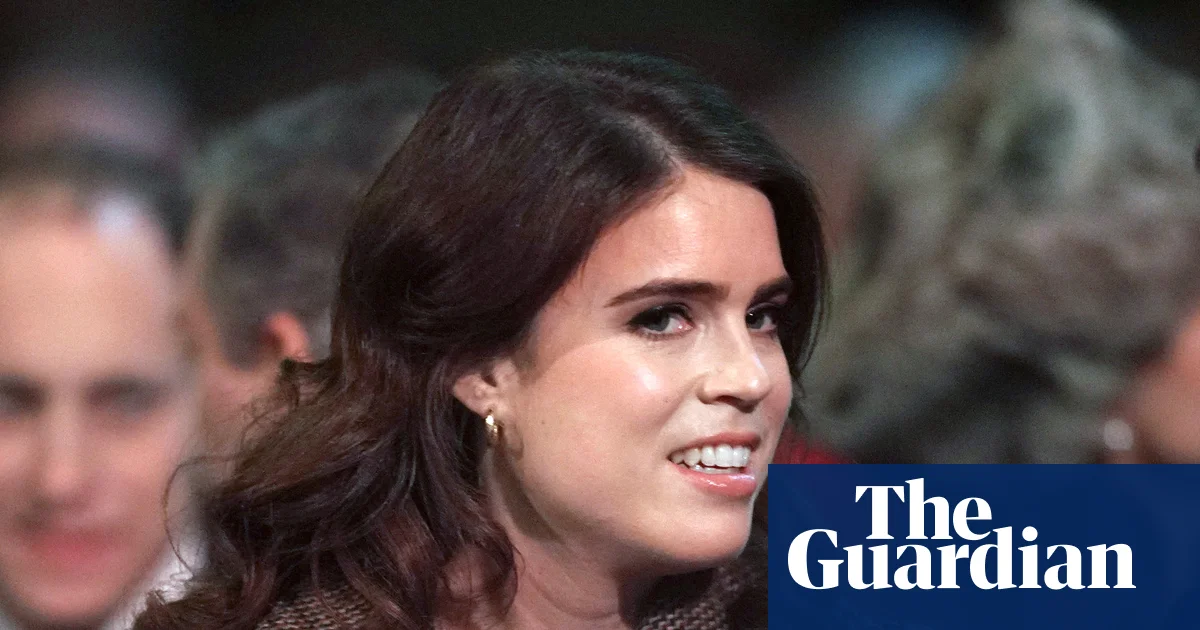

Princess Eugenie resigns from anti-slavery charity role amidst growing concerns

In a move that signals shifting tides in the delicate arena of international reputation and moral authority, Princess Eugenie has stepped down as patron of Anti-Slavery International, the oldest human rights organization founded in 1839. Her departure, occurring amid the ongoing fallout from the Jeffrey Epstein scandal, underscores how private scandals within elite circles can ripple across societal and geopolitical landscapes. Although no evidence links her personally to Epstein’s criminal network, her association with figures like her father, Prince Andrew, and her family’s connections to Epstein have become a focal point in mounting public concern over elite complicity in international trafficking. International analysts emphasize that such scandals threaten to erode the moral authority of monarchies and diplomatic institutions, especially as global decision-making increasingly hinges on the moral credibility of prominent figures.

Moreover, the saga exposes profound questions about international influence and accountability. The revelations extracted from U.S. Department of Justice files and emails link Epstein’s network to powerful individuals worldwide, with allegations suggesting that Prince Andrew may have been involved in illicit activities. Although he denies any wrongdoing, the allegations have prompted calls by historians and legal experts for greater transparency among global elites to combat deep-rooted corruption. The unfolding scandal threatens to undermine alliances rooted in mutual prestige, especially as U.S. authorities intensify their investigations into Epstein’s extensive trafficking ring. Such developments highlight the fragility of diplomatic trust that governments and royal families have built over decades on shared interests and mutual respect.

From a geopolitical perspective, the scandal’s fallout converges with broader issues of sovereignty, transparency, and societal integrity. As international organizations and Western governments face the difficult task of balancing diplomatic diplomacy with the pursuit of justice, nations are forced to confront their own complicity and past failures. The public exposure of elite misconduct serves as a clarion call for radical reforms in how societies oversee their most powerful leaders, resonating with the warnings of international watchdogs like the United Nations. These revelations threaten to embolden populist movements worldwide, demanding accountability and transparency, but also risking destabilization of long-standing diplomatic ties if governments are perceived as shielding their elites from justice.

As the dust settles, the weight of history’s unfolding narrative leaves the world at a crossroads. The unraveling of Epstein’s network and the profound implications for royal families, diplomatic ties, and societal morality remind us that no institution—regardless of its stature—is immune to the tides of justice and truth. The decisions made in this epoch will likely reverberate for decades, shaping how future generations view authority, morality, and the global fight against modern slavery and exploitation. Humanity now stands at a pivotal moment—whether to allow the dark shadows of the past to continue haunting the present or to forge a future grounded in unyielding transparency and moral resolve. The pages of history are turning, and the world must decide: will justice be the legacy we leave behind?

Social Media Auto Publish Powered By : XYZScripts.com


