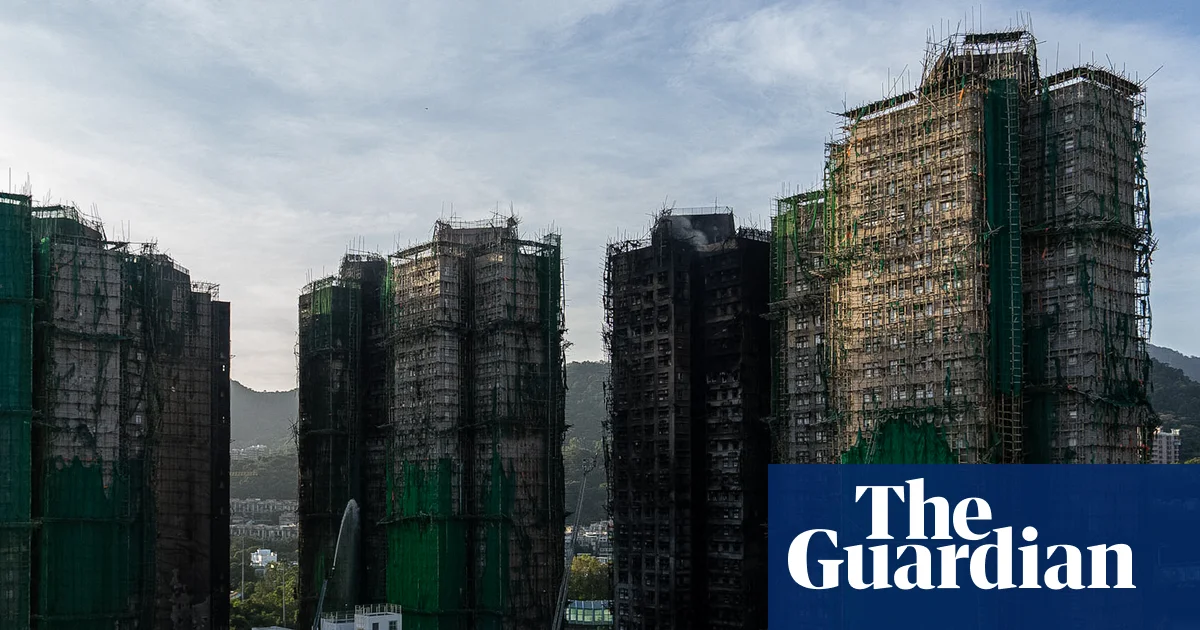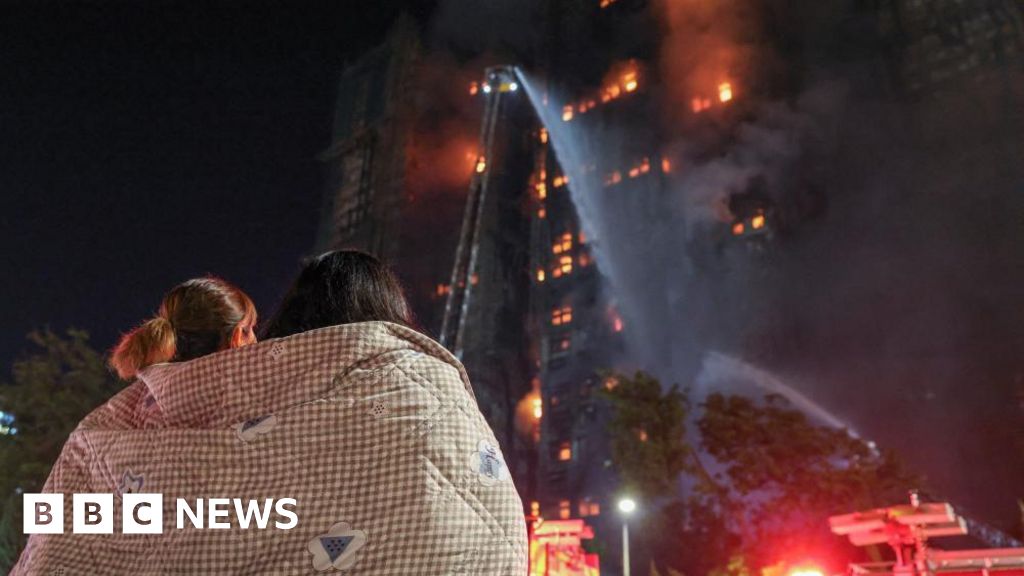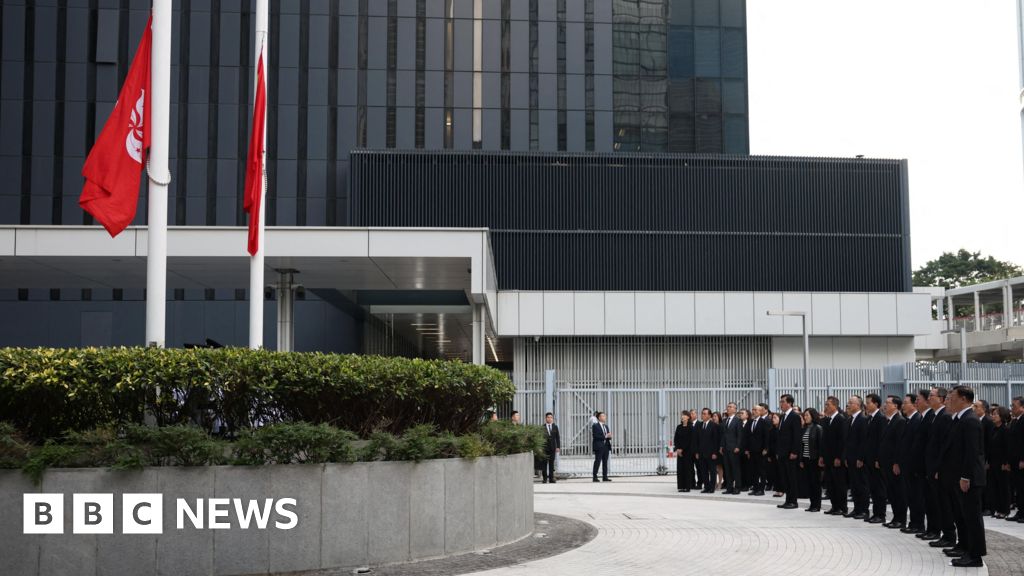

The recent devastating blaze at Hong Kong’s Wang Fuk Court has sent shockwaves across the city and beyond, prompting urgent questions about safety, governance, and accountability in one of the world’s most densely populated urban spaces. The fire, which claimed at least 128 lives—making it the deadliest in nearly 80 years—has exposed underlying vulnerabilities in infrastructure management and regulatory oversight that many analysts deem indicative of a broader systemic failure. As residents mourn, officials have initiated a three-day period of official mourning, reiterating the gravity of this tragedy on the national and international stage.
This catastrophe underscores a significant geopolitical impact that extends past Hong Kong’s borders. The city, celebrated for its economic vitality and vibrant society, now faces a crisis that could influence regional stability and perceptions of governance, especially amid ongoing debates about security, corruption, and urban resilience. Authorities have already arrested key figures—including directors of engineering firms and scaffolding subcontractors—on suspicion of corruption connected to the renovation works. Such developments have raised alarms about the integrity of safety inspections and the handling of urban renewal projects, which, according to international standards, should prioritize residents’ safety above all.
Crucially, the aftermath reveals a deeper narrative about how decisions made during modernization and refurbishment efforts can pave the way for tragedy. Public outrage has grown over reports of negligent maintenance, broken fire alarms, and the improper installation of flammable polystyrene insulative materials. The use of bamboo scaffolding, common in Hong Kong, becomes a focal point of scrutiny as investigators probe whether inadequate safety measures and lax oversight contributed to the fire’s rapid spread. Historians and analysts warn that such incidents highlight the peril of prioritizing rapid urban development over sustainable safety protocols, especially in high-risk environments like tower blocks filled with vulnerable residents.
In response to this calamity, international organizations like the United Nations and World Safety Organization are closely monitoring the situation, urging Hong Kong’s authorities to conduct transparent, comprehensive investigations. The potential for international repercussions increases if questions persist about the role of political and economic elites in perpetuating unchecked corruption. The scene at Wang Fuk Court, now a symbol of urban tragedy, also signals a reminder that the path to recovery lies not only in rebuilding infrastructure but in restoring public trust. As Hong Kong grapples with mourning and justice, the broader world watches how this story unfolds amidst a fragile geopolitical landscape, where each decision could shape the future of one of the most strategic regions on the planet. The weight of history presses heavily, and the ongoing response could ultimately redefine the limits of urban resilience and state accountability in a city often seen as a beacon of progress—yet now, a stark reminder of its fragility.