Matox News

Truth Over Trends, always!

Fact-Check: Viral claim about new app accuracy rated True.

Introduction

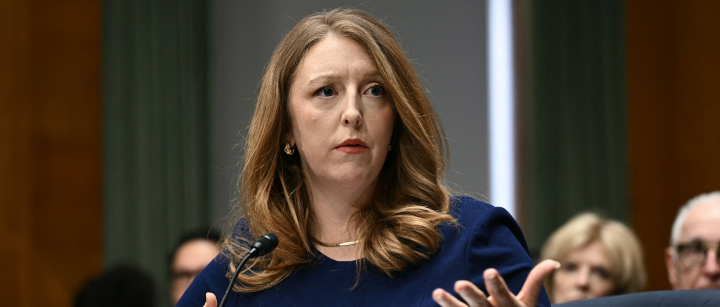
The recent Senate confirmation hearing for Dr. Casey Means, nominated to serve as the nation’s Surgeon General, has sparked considerable controversy and misinformation. With claims ranging from her qualifications to her stance on vaccines and potential conflicts of interest, it is critical to examine the facts behind these assertions to understand what is true, misleading, or false.

Qualification and Eligibility Concerns

One of the key issues raised pertains to whether Dr. Means meets the legal qualifications to serve as Surgeon General. Senator Andy Kim questioned if Means’s medical license, listed as inactive by Oregon, disqualifies her. However, the legal requirements remain ambiguous. Dr. Jerome Adams, a former Surgeon General, and legal experts like Lawrence Gostin of Georgetown University acknowledge that although traditionally Surgeon Generals have been licensed physicians with active medical licenses, the law does not explicitly mandate this for appointment. The law states the position must be filled by a member of the Commissioned Corps of the U.S. Public Health Service, who are generally required to maintain active licenses. Thus, while unconventional, Dr. Means’s current inactive license does not necessarily disqualify her.

Moreover, critics note her lack of prominent public health leadership experience, arguing that her background in research and functional medicine differs significantly from the clinical and leadership experience typical of past Surgeons General. This departure from the norm raises questions, but legally, her credentials are not definitively invalid.

Vaccine Stance and Autism Claims

Concerns have also centered around Dr. Means’s positions on vaccines. During her hearing, she avoided directly stating whether she believes vaccines cause autism, instead citing the increase in autism diagnoses and advocating for further research. Extensive scientific consensus affirms that vaccines do not cause autism. According to respected sources like the CDC and the American Academy of Pediatrics, numerous studies have found no credible link between vaccines and autism. Furthermore, experts such as Dr. Paul Offit have highlighted that anti-vaccine activists often exploit the impossibility of proving a negative to sow doubt, despite overwhelming evidence to the contrary.

Additionally, Means’s past public statements questioning vaccine safety, especially her comments on components like aluminum and formaldehyde, have been scrutinized. Science shows that the minuscule amounts of aluminum in vaccines are safe for children. Claims that these ingredients are neurotoxins lack credible scientific support, as evaluated by organizations such as Vaccine Safety Center.

Claims of an autism “epidemic,” often cited by RFK Jr. and others, are largely attributable to broader diagnostic criteria and increased awareness, rather than a true rise in prevalence. Most experts, including Dr. Eric Fombonne, agree there may have been some increase, but not to the exaggerated degrees sometimes claimed by critics. Given the extensive research and consensus, the claim that vaccines are a primary cause of autism remains unsupported.

Potential Conflicts and Financial Disclosure

Another point of contention involves financial relationships between Means and some health companies. Democratic Sen. Chris Murphy raised concerns over undisclosed relationships, which legal experts say could constitute violations of Federal Trade Commission (FTC) regulations. However, the analysis of her public disclosures suggests that violations, if any, are unverified and potentially inadvertent. Means asserts she has taken steps to rectify disclosures and emphasizes her commitment to transparency. Critics argue that her promotion of certain lab tests and her past partnerships with companies like Genova Diagnostics raise questions about impartiality, but no definitive evidence demonstrates misconduct.

Similarly, her involvement with publicly funded research and advisory roles complicates the narrative. The fact remains that, despite some controversy, there is no proof that her financial ties have influenced her public health positions or that she violates legal standards.

Conclusion

In sum, the facts indicate that Dr. Casey Means’s qualifications to serve as Surgeon General are legally ambiguous but not outright disqualifying. Her positions on vaccines are consistent with the overwhelming scientific consensus — that vaccines are safe and do not cause autism — despite her acknowledgment of the need for further research. Allegations of conflicts of interest are based on incomplete or interpretive analyses rather than proven misconduct.

Understanding the truth is essential in a democracy. Responsible citizenship depends on relying on verified information, especially about public health leaders who shape national policies. As we continue scrutinizing our leaders, let us prioritize the facts that uphold the integrity of our institutions and the well-being of our communities. Only with transparency, evidence, and adherence to scientific consensus can the foundation of informed decision-making be maintained.

India’s Sarvam Boosts the Game with Indus AI Chat App Amid Growing Rivals

India’s Sarvam Launches Indus: Disrupting the AI Landscape with Localized Innovation

In a strategic move emblematic of regional innovation disrupting global dominance, Indian AI startup Sarvam has announced the launch of its Indus chat app for both web and mobile platforms. This development arrives amidst a fiercely competitive landscape, where international giants like OpenAI, Anthropic, and Google continue to lead the generative AI revolution. Sarvam’s entry signals a pivotal shift, emphasizing localization, digital sovereignty, and tailored solutions for India’s unique linguistic and cultural landscape.

Innovation in Context: Building AI for India’s Market

The app is powered by Sarvam’s 105-billion-parameter large language model (LLM), labeled Sarvam 105B, an ambitious undertaking that reflects advanced innovation and a disruptive approach to AI development. Alongside its 30B model, Sarvam’s models aim to democratize AI, making sophisticated language processing accessible to India’s diverse linguistic demographics. Launched just days after unveiling its models at the India AI Impact Summit, Sarvam’s initiative exemplifies how disruption is no longer confined to Silicon Valley but now thrives in emerging markets.

  • Focus on local languages and dialects for better user engagement
  • Strategic partnerships, including collaborations with HMD for AI-enabled Nokia feature phones and Bosch for automotive AI applications
  • Expanding hardware capabilities and enterprise solutions tailored for India’s burgeoning digital economy

As analysts from Gartner and academic institutions like MIT emphasize, AI models trained on localized data are key to disrupting the global AI paradigm, shifting power towards regions like India capable of fostering innovation on their own terms. This signals not just technical progress but a strategic realignment that challenges the hegemony of Western AI giants.

Business Implications and Industry Impact

The launch of Indus is more than just a new app; it signifies a strategic attempt by Sarvam to carve out a dominant foothold in a market accustomed to global giants. With initial restrictions, such as limited compute capacity and the absence of certain user controls—features expected to evolve—Sarvam aims to attract feedback while gradually expanding access. The company’s recent $41 million funding round, led by prominent investors such as Lightspeed Venture Partners and Khosla Ventures, underscores confidence in its disruptive potential. This infusion of capital positions Sarvam to scale rapidly, pushing the boundaries of what AI can achieve within India’s unique language, cultural, and regulatory context.

Industry leaders and investors are watching closely, especially as India’s AI adoption accelerates, with OpenAI’s Sam Altman reporting over 100 million weekly active ChatGPT users in India—a clear indicator of the market’s vast potential. The question now is: which regional players will leverage local innovation to disrupt this crowded space?

The Road Ahead: Urgency in a Rapidly Evolving Landscape

The emergence of Sarvam’s Indus app and its formidable models marks a turning point, highlighting both the opportunity and the necessity for regional actors to innovate rapidly. The AI industry’s trajectory is increasingly characterized by disruption fueled by localized solutions, high investment, and strategic partnerships. With India positioned as a vital AI market for the future, global competitors must adapt quickly or risk losing influence. As industry analysts warn, continued innovation and control over AI infrastructure will determine economic and strategic dominance in the coming decade.

In this rapidly evolving landscape, Sarvam’s push into the AI arena exemplifies the urgency for emerging markets to develop homegrown tech solutions that not only challenge global incumbents but also redefine industry norms. Stakeholders worldwide must prepare for a future where localized, innovative AI is at the forefront of technological progress, shaping the global digital economy for decades to come.

Birdwatchers, Get Ready: New Pokémon-Inspired Bird App Arrives!

In a striking example of technological innovation intersecting with conservation and youth engagement, a new app called Birdex has entered the global digital landscape, aiming to gamify birdwatching and foster a new generation of nature enthusiasts. By allowing users to record their sightings and collect digital cards of UK bird species, Birdex embodies a modern twist on citizen science—one that appeals particularly to young audiences weary of traditional outdoor activities. It leverages gamification to encourage outdoor exploration, offering points for common species and larger rewards for rarer sightings, thus blending education with entertainment. While the app’s immediate appeal is evident, its introduction raises important questions about the impact of AI-generated content and the broader implications for conservation efforts at an international level.

International analysts and environmental organizations are closely watching Birdex’s potential to influence societal attitudes towards biodiversity and nature stewardship. The British Trust for Ornithology (BTO), a venerable institution in avian research, has expressed cautious optimism about the app’s crowdsourcing capabilities, suggesting that if user-recorded sightings are shared with entities like the BTO, they could bolster ongoing citizen science initiatives. Viola Ross-Smith, a science communications manager, highlights the *potential* for such digital tools to revel in data collection, yet also warns about how certain species—such as the elusive capercaillie—are inadvertently put at risk if users seek them out for the thrill. This dynamic underscores the complex web of interests at play: promoting environmental awareness while preventing harmful human interference in delicate ecosystems.

Meanwhile, the geopolitical impact of this technological trend extends beyond the UK, triggering debates about the role of AI in natural sciences and the societal responsibilities of tech developers. The decision by Birdex’s creators to use AI-generated artwork—initially driven by limited funding—has ignited controversy among digital purists and conservation advocates alike. Critics argue that replacing authentic imagery with AI-crafted depictions diminishes the real-world integrity of birdwatching cultures while raising broader concerns about ethical AI use. As international standards evolve regarding AI and digital ethics, this debate strikes at the heart of how societies value genuine experiences versus artificial representations—an issue that resonates across sectors, from global conservation to cultural preservation.

As nations grapple with these emerging challenges, experts warn that the words written into policies today will forge the legacy of tomorrow’s relationship with nature and technology. Historians and policymakers alike observe that decisions—whether to embrace AI’s utility or to prioritize authentic immersion in the environment—will shape the fabric of future societies. The momentum surrounding apps like Birdex continually reminds us that the window of opportunity is closing rapidly. Will we harness this digital revolution to preserve our natural world, or will technological shortcuts irreparably distort our understanding of the environment? The unfolding story of Birdex captures a pivotal moment—a crossroads where innovation, conservation, and societal values converge—signaling that the weight of history still presses heavily upon the shoulders of contemporary decision-makers.

ByteDance rejigs AI video app amid Disney legal clash

In a rapidly evolving digital landscape, the recent surge of videos featuring iconic characters like Spider-Man and other Disney intellectual properties has captivated audiences worldwide. Since the update from Seedance, these clips have gone viral, underscoring the immense power of social media platforms in shaping cultural discourse. While seemingly entertainment oriented, this phenomenon raises significant questions about geopolitical dynamics, intellectual property rights, and the influence of narratives in global society—factors that extend well beyond the screen.

Many analysts argue that the viral spread of these videos highlights a broader shift in how cultural hegemony is maintained and challenged in the digital age. Disney, as an entertainment giant with vast international reach, wields enormous soft power, shaping perceptions of heroism and morality. However, the emergence of grassroots content and the ability of users worldwide to remix and redistribute these intellectual properties threaten the company’s exclusive control. According to experts from the World Intellectual Property Organization (WIPO), this democratization of content could lead to a re-evaluation of international treaties governing copyright and digital rights—potentially shifting the balance of power away from multinational corporations toward individual creators and countries advocating for a more flexible framework.

The geopolitical impact of this trend is particularly compelling. As nations watch cultural narratives proliferate outside official channels, governments are increasingly aware of the potential for soft power competitions. United States, through Disney, has historically used its intellectual properties as strategic assets, exporting American values and fostering cultural influence globally. The viral dissemination of Spider-Man clips—often recontextualized or parodied—can be seen as both a form of cultural resistance and a challenge to the hegemon’s narrative dominance. Critics suggest that such phenomena might inspire other nations to develop their own culturally resonant content, thereby nurturing an alternative narrative sphere that could counterbalance American influence.

Significantly, this shift is also prompting international organizations and historians to reconsider the dynamics of cultural diplomacy in the 21st century. Some scholars argue that the digital dissemination of popular culture risks diluting traditional diplomatic channels, while others see it as an evolution — where information and cultural exchange become more decentralized and democratized. Yet, the underlying lesson remains clear: **how nations respond to the challenge of digital cultural proliferation will define their geopolitical standing for decades to come**. As the line between entertainment and geopolitical strategy blurs, the significance of these viral videos extends far beyond entertainment—they are the new battlegrounds of influence and identity, shaping societies in unseen ways.

Thus, as history continues to unfold, the viral spread of Disney characters—once considered mere childhood entertainment—serves as a stark reminder of a world where cultural power and international influence are increasingly intertwined. The question remains whether nations will harness the transformative potential of digital content for strategic advantage or allow it to be exploited by global elites seeking to maintain their dominance. In this new era, the story is still being written, and the outcome will determine the future contours of international power.

Global ‘Super App’ Debuts with Crypto Payments and Private Chat Features for the Next Generation

Revolutionizing Digital Identity and Payments: Tools for Humanity Launches Next-Gen World App

The digital landscape is entering a new era of security, authenticity, and decentralization, driven by Tools for Humanity‘s innovative World App—marketed as a “super app” with disruptive potential for social interaction and financial services. Launched by the startup in 2023, this platform is positioning itself at the forefront of the identity verification and cryptocurrency integration revolution, directly challenging marquis players like WhatsApp and PayPal by integrating web3 principles into everyday social and financial activities. In a time when AI-generated disinformation and digital fakery threaten online authenticity, the company’s core mission—creating verifiable “proof of human” — signals a shift toward a more trustworthy, privacy-preserving digital future.

The latest iteration of the World App introduces groundbreaking features designed to disrupt the status quo. At the heart of this innovation is the verification network, which leverages a proprietary iris-scanning system called the Orb. This biometric verification technique produces a highly secure, encrypted unique digital identity—the verified World ID. As AI-driven misinformation proliferates, this behind-the-scenes cryptographic shield aims to establish a trusted digital ecosystem where users can distinguish genuine humans from bots with ease. During a recent event in San Francisco, Altman explained that the company’s vision centers on balancing privacy with identification, creating a new economic model based on web3 principles that could redefine online interactions.

The app’s new World Chat feature exemplifies this approach, providing end-to-end encrypted messaging comparable to Signal, while offering color-coded speech bubbles to verify user identity visually and intuitively. Designed to foster social connectivity, it aims to fill a critical market gap for secure, social communication. In addition, the platform’s expanded digital payment capabilities integrate cryptocurrencies directly into users’ virtual wallets, enabling peer-to-peer transactions, salary deposits, and seamless bank account integration—regardless of verification status. Such features signal a disruptive move toward financial sovereignty and peer-based economies, aligning with industry forecasts highlighted by institutions like Gartner, which emphasize AI and blockchain as the twin pillars of tomorrow’s tech ecosystem.

Industry analysts such as MIT’s Kevin Esvelt and venture capitalists like Peter Thiel are paying close attention. They see Tools for Humanity’s model as a blueprint for a future where *digital trust* is anchored in cryptographic verification—a crucial component often missed in traditional social and financial platforms. While critics warn of privacy concerns, the company emphasizes that its encryption standards match or exceed industry leaders like Signal. The key business implication is clear: disruption is underway, and existing giants that rely on opaque verification methods risk obsolescence. The integration of biometric identity with decentralized finance creates a formidable competitive advantage, especially for startups and incumbents who overlook the urgency of evolving trust and security in digital spheres.

Looking forward, the rapid advancement of AI, blockchain, and biometric verification points to an increasingly dynamic and competitive landscape. Time is of the essence for traditional players to innovate beyond outdated KYC systems and siloed social platforms. As user demand for privacy and authenticity grows, and regulatory frameworks evolve, companies like Tools for Humanity are positioned to lead a fundamental shift in digital identity and commerce. The question remains: who will seize this disruptive wave and shape the future, or be left behind in the wake of rapid technological evolution? The spotlight is on innovators to accelerate the deployment of trustworthy, privacy-centric platforms that could redefine human interaction in the digital age.

How One App Developer Is Blending AI with Real User Flavor

Cutting-Edge AI Tools Reshape Creative Industries and Business Models

As artificial intelligence continues to redefine the technological landscape, innovative entrepreneurs and industry leaders are shifting gears from AI as a mere replacement of human effort to a powerful augmentation tool that enhances creativity, decision-making, and user engagement. In particular, startups like Sublime exemplify this evolution by leveraging AI-driven platforms to turn subjective taste and creativity into scalable, personalized experiences. By doing so, they are not only disrupting traditional models but also setting new standards for how AI can empower human ingenuity—an essential move in this fast-paced, innovation-driven era.

Experts like Gartner analysts emphasize that the true value of AI today lies in its ability to augment, rather than replace, human intelligence. For instance, Sari Azout, founder of Sublime, articulates this perspective clearly in recent discussions, describing how her platform uses AI to facilitate discovery and creativity without sacrificing the human element. AI models are embedded into every aspect—from curation and idea formation to personalized recommendations—making technology more accessible and intuitive for end-users. Her approach demonstrates a strategic shift that prioritizes ‘hybrid intelligence,’ where human and machine collaboration unlocks unprecedented creative potential. This model positions AI as a disruptive force that, if harnessed correctly, could change how businesses engage with their audiences and foster innovation.

Beyond creative sectors, AI-powered tools such as Podcast Magic highlight the rapid integration of sophisticated models into digital workflows. These tools exemplify the ‘AI all the way down’ trend, where deep learning and natural language processing engines enable automation of complex tasks, reducing costs and increasing output speed—another sign of disruptive change sweeping across industries. Business analysts predict that companies adopting these technologies will gain significant market advantages, particularly in content creation, personalized marketing, and data-driven insights. However, as Azout cautions, there remains a need for careful oversight and data governance to prevent risks associated with over-reliance or misuse of AI systems.

Looking forward, the industry faces a tipping point where innovation could either accelerate growth or introduce unforeseen challenges. As noted by MIT researchers and technology thought leaders like Elon Musk and Peter Thiel, the race to develop more powerful, ethical AI must be prioritized to ensure these tools serve humanity positively. The shift towards AI as a creative partner rather than a threat underscores an emerging paradigm—one driven by disruption, ingenuity, and strategic foresight. The next few years will undoubtedly define whether this AI revolution will empower a new generation of entrepreneurs and innovators or compel society to confront the ethical and security implications of increasingly autonomous systems. In this high-stakes environment, staying ahead of the curve and fostering responsible innovation becomes not just an option but an imperative for those who seek lasting impact.

Master the new ChatGPT app integrations: Spotify, Figma, Canva, and more—your tech toolkit just got smarter!

In a landmark move that exemplifies the ongoing revolution in artificial intelligence and digital ecosystems, OpenAI has introduced a suite of new app integrations directly into ChatGPT. This development signals a profound shift towards a more interconnected and intelligent digital assistant capable of executing a wide array of tasks across popular platforms. By enabling users to seamlessly connect their accounts — spanning services like Spotify, Booking.com, Canva, Coursera, Expedia, Figma, and Zillow — OpenAI is disrupting traditional boundaries between AI and practical business applications, setting a new standard for digital productivity tools. The implications for startups, tech giants, and ecosystem partners are enormous, heralding a future where AI-driven automation becomes an essential component of everyday commerce, education, and entertainment.

This integration marks an inflection point in the industry’s trajectory towards hyper-utility. TechCrunch highlights how users can now instruct ChatGPT to perform tasks that were previously cumbersome or disconnected from AI, such as creating personalized playlists on Spotify or booking travel accommodations via Expedia. These capabilities are not merely superficial add-ons; they represent a significant enhancement in innovation and disruption. By bridging services traditionally operated in siloed environments, OpenAI is fostering a more unified and accessible user experience— a critical component of competitive advantage. For enterprises, this accelerates the transition from static software use to dynamic, AI-empowered workflows, fundamentally altering how businesses organize, strategize, and engage customers.

The technological innovations at the heart of this shift are multifaceted: natural language processing (NLP) algorithms are now capable of authentic multi-platform interactions, extracting context, and handling complex multi-step tasks. The advancements also include streamlined account integrations, with users able to connect or disconnect apps with ease directly from ChatGPT’s settings interface. This flexibility provides a strategic advantage for business agility and personalization—a core trend identified by industry analysts like Gartner. As the AI landscape matures, those who can harness these capabilities rapidly will dominate markets, with early adopters gaining a substantial competitive edge against traditional service providers and legacy systems.

Moreover, the expanded ecosystem approach—where major companies such as Walmart and Uber are slated to join later this year—foreshadows a future where AI-powered assistants become indispensable for consumer and enterprise markets alike. This wave of disruption challenges established players to rethink their engagement strategies and leverage AI as a strategic enabler. The seamless integration of services not only enhances user convenience but also opens new revenue streams, from personalized shopping experiences to real-time data-driven recommendations. As Peter Thiel and other visionary investors emphasize, the swift adoption of such innovative platforms can create monopolistic advantages, securing market dominance before competitors adapt.

However, alongside these technological potentials lie cautionary trends: regulatory uncertainty, privacy concerns, and the potential for over-reliance on AI systems. Already limited to the U.S. and Canada, the current rollout underscores the importance of regulatory frameworks evolving alongside this innovation. The future of AI-driven integrations hinges on how responsibly companies manage data and maintain user trust while navigating an increasingly complex geopolitical landscape. For executives and young entrepreneurs, the window of opportunity to shape the next frontier of disruptive technology is swiftly closing. Those who act decisively—integrating AI into core business operations today—will define the competitive landscape of tomorrow’s digital economy. The urgency to capitalize on these innovations is clear: in the rapidly evolving tech frontier, timing is everything, and the leaders of the next wave are already setting the pace.

Social Media Auto Publish Powered By : XYZScripts.com