Matox News

Truth Over Trends, always!

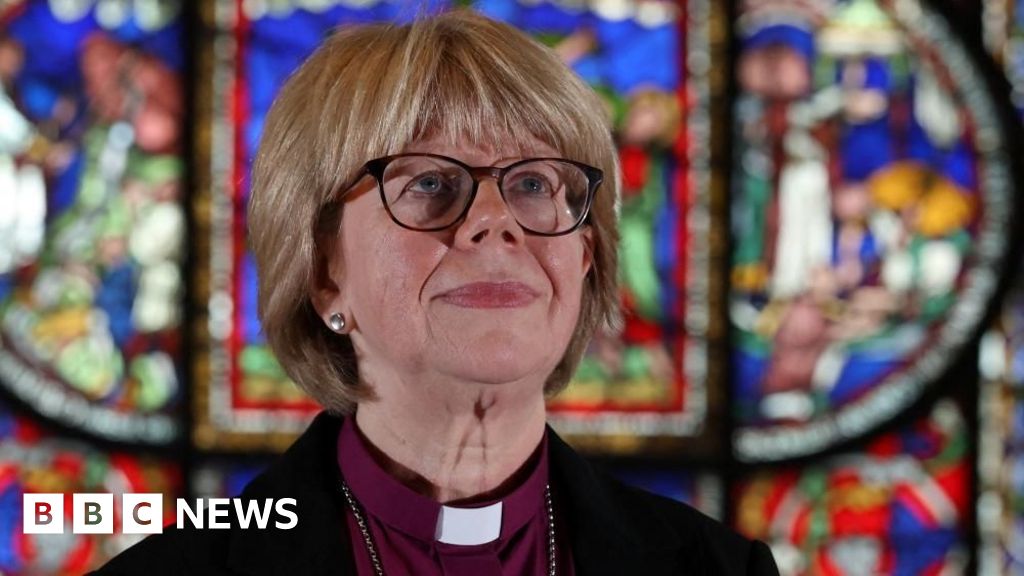
Gafcon Conservatives Voice Disappointment Over New Archbishop of Canterbury

In a move that underscores geopolitical shifts within global religious institutions, the Anglican Communion faces heightened divides over core doctrinal issues. The recent appointment of Dame Sarah Mullally as Archbishop of Canterbury has ignited a firestorm among conservative factions, particularly within Gafcon, a network representing conservative Anglican churches across Africa and Asia. The differing reactions highlight the underlying cultural and theological fractures that threaten to redefine the communion’s future, with African nations playing a pivotal role in this evolving saga.

  • Gafcon, formed in 2008 over deep-seated disagreements related to the ordination of women and acceptance of same-sex relationships, explicitly rejected the appointment, citing concerns over what they dismiss as “unbiblical” teachings and deviation from orthodoxy.
  • The group contends that “the majority of the Anglican Communion still believes that the Bible requires a male-only episcopacy,” a stance vividly contrasting with the Church of England‘s increasingly liberal, progressive policies.
  • Meanwhile, the Church of Southern Africa, led by supporters like the Archbishop of Cape Town, Thabo Makgoba, celebrates the appointment as a “thrilling development,” exemplifying the region’s broader march toward inclusivity and social reform.

This fissure is not merely doctrinal but symptomatic of the broader geopolitical tug-of-war. As analyst Dr. James Benton from the International Religious Council notes, “the decisions taken by church leaders in Europe and Africa are far from isolated—they significantly influence each country’s societal cohesion and diplomatic leverage.” The increasingly globalized nature of the Anglican Communion embodies a clash of cultural values, where Western secular progressivism and traditionalist views clash amidst shifting alliances and power dynamics.

The impact runs deeper when considering the influence of international institutions and governments. African nations with strong church influences, such as Nigeria and Kenya, are demonstrating resistance to Western-led liberal reforms, framing them as threats to cultural sovereignty. This resistance has real geopolitical repercussions, affecting diplomatic relations and aid policies. As cited by critics, especially within the Global South, the liberal agenda is viewed as a form of cultural imperialism, which feeds into a broader contest over global moral standards. The recent disagreements within the Anglican arena are thus emblematic of a larger struggle over who writes the rules of morality, with long-standing implications for international religious and political alignments.

Looking ahead, the specter of schism looms larger than ever. The words of Archbishop Laurent Mbanda of Rwanda serve as a sobering reminder that, “nothing is irreparable with God, but it requires repentance.” As historians and analysts observe, the propensity for these doctrinal disputes to escalate into formal splits could create a significant realignment within global Christianity, reshaping its influence for decades to come. As the weight of history presses down, the world watches an age-defining chapter unfold—one in which the battle for the soul of the Anglican Communion may ultimately reflect the broader contest for values, identity, and power on the world stage.
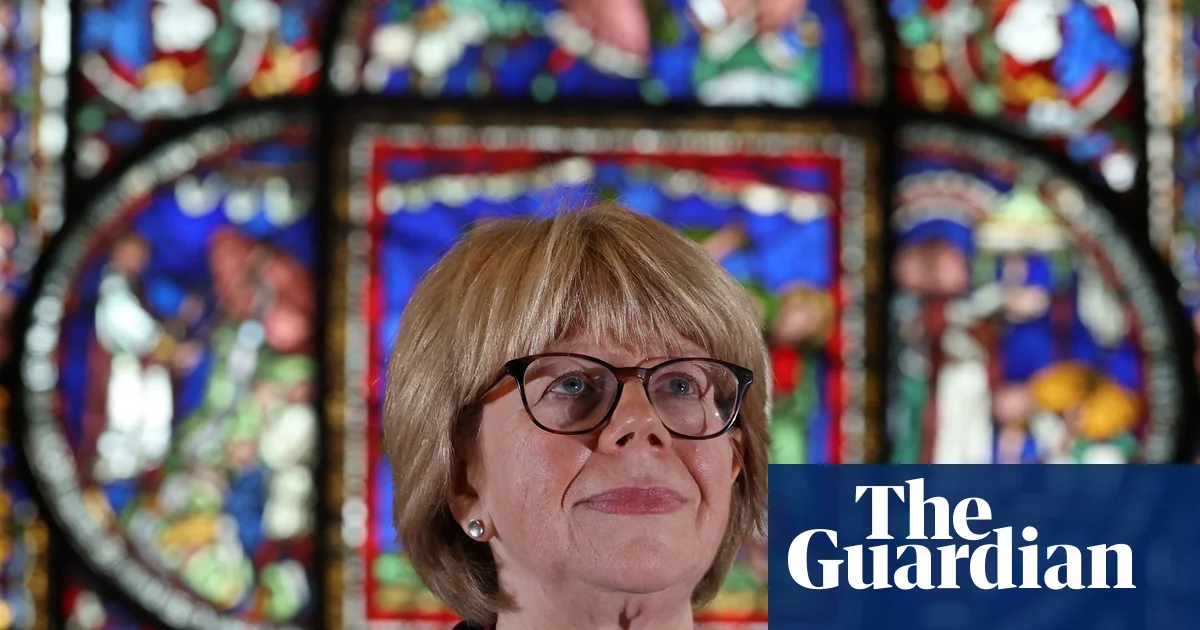

Sarah Mullally makes history as first female Archbishop of Canterbury—shaping a new era for Anglicanism

In a momentous turn within Britain’s religious landscape, Sarah Mullally has been appointed as the first female Archbishop of Canterbury, signaling a profound shift in the world’s second-largest Christian communion. Announced by Downing Street after months of deliberation, Mullally’s ascension reflects not only internal reform within the Church of England but also echoes wider geopolitical and societal dynamics rippling across the globe. Her appointment arrives amid debates over social justice, moral values, and the ongoing struggle against factional divides rooted in tradition versus progressive reform, a tension felt from London to Washington and beyond.

The decision to elevate Mullally, a former NHS nurse turned government chief nursing officer, underscores a broader narrative of changing societal roles for women in leadership. While this milestone symbolizes progress for many liberal factions seeking gender equality within faith institutions, it also underpins a deep-rooted controversy stirring conservative factions. Historians and analysts view this as a *defining moment*—an emblem of the **Church of England’s** adaptation in a rapidly evolving cultural landscape. Yet, this move is also a critical test of the Church’s ability to maintain unity amidst regional disparities, particularly as it governs a global Anglican communion of 85 million followers—stretching from the progressive churches of North America to conservative communities in Africa and Asia. As Mullally assumes her role, she inherits the difficult task of reconciling these divergent voices, each with their own cultural and moral outlooks shaping their interpretations of scripture and societal norms.

Her appointment carries greater geopolitical weight, especially in conversations surrounding international diplomacy and *moral leadership*. The Anglican Communion’s complex relationship with U.S. citizens and African nations remains a pivotal element of diplomatic strategy. While Western communities push for greater inclusion and the acknowledgment of *LGBTQ rights*, many African and Asian provinces adhere to strict traditionalist doctrines, often outlawing homosexuality and opposing liberal reforms. This duality underscores a *widening rift* within the church’s own ranks, which international organizations like the United Nations and World Council of Churches observe with caution. Past statements from global leaders warn that these ecclesiastical disputes are emblematic of broader conflicts over cultural sovereignty and policy influence—conflicts that threaten to spill into diplomatic arenas, complicating Britain’s stature as a moral voice on the international stage.

As Mullally’s leadership takes shape, the Church of England stands at a crossroads. It grapples with internal divergence over issues like same-sex marriage and declining attendance—a reflection of the wider crisis of faith faced by church institutions worldwide. Meanwhile, societal fractures fueled by Christian nationalism and political polarization mirror the old tensions that continue to threaten national cohesion. Many analysts assert that her promise to confront safeguarding failures and to foster *light on power used inappropriately* signals a broader push for transparency, accountability, and integrity—traits required to restore trust in influential institutions facing monumental societal upheavals. Yet, the weight of history persists; her role is not just spiritual but deeply intertwined with the ongoing battle for moral authority and societal relevance in a rapidly changing world.

The unfolding story of Mullally’s rise to the archbishopric is emblematic of history’s relentless march—an ongoing saga where faith, politics, and societal values collide in a dance as old as civilization itself. Each decision, each statement, leaves an indelible mark upon the pages of history, reminding us that the battle for humanity’s moral compass remains unresolved, with new leaders forging paths through turbulent waters as the waves of history continue to crash and recede, leaving behind a trace of the future yet to be written.

Social Media Auto Publish Powered By : XYZScripts.com


