Matox News

Truth Over Trends, always!

Guinea-Bissau Army General Declared President After Sudden Coup

Guinea-Bissau: Military Coup Sparks Unrest and Challenges Regional Stability

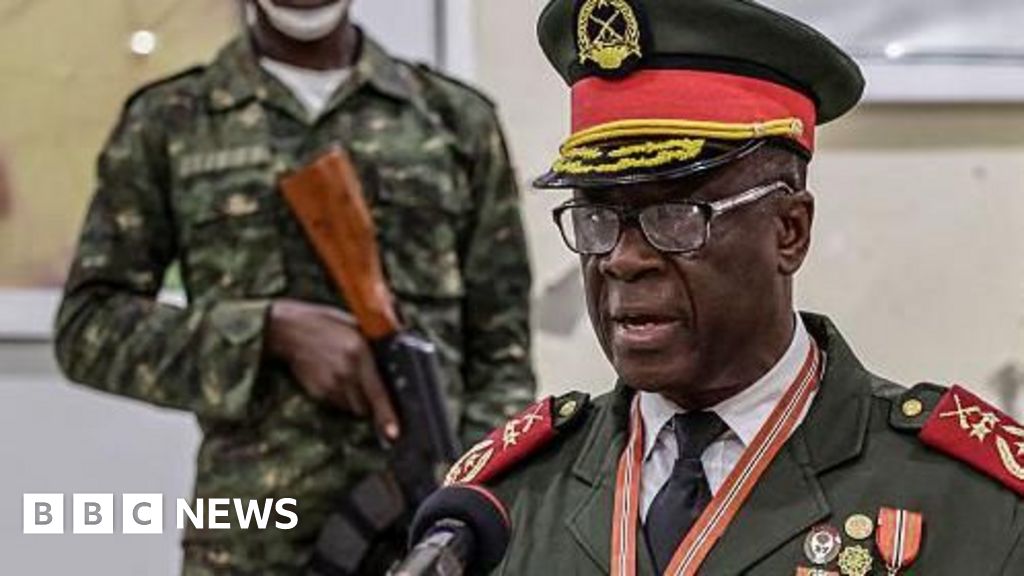
The recent upheaval in Guinea-Bissau, a nation long plagued by political instability, has taken a dramatic turn as the military announced a coup d’état, seizing control amidst claims of thwarted electoral processes. The country’s interim leader, Gen Horta N’Tam, who was sworn in as the transitional president just a day prior, now faces the daunting task of navigating the crisis. The coup came after persistent allegations that outgoing President Umaro Sissoco Embaló may have orchestrated a “simulated coup”—a supposed ploy to block the release of electoral results—fueling suspicions of manipulation and widespread dissent. This event underscores the fragility of Guinea-Bissau’s democracy, where previous coups and attempted putschs total at least nine since independence in 1974.

International organizations, notably the African Union and the Economic Community of West African States (ECOWAS), have responded swiftly, condemning the military’s action and calling for the immediate reinstatement of constitutional order. Leaders from the AU, emphasizing the importance of respecting democratic processes, demanded the “immediate and unconditional release of President Embaló and all detained officials.” The crisis reflects the region’s ongoing struggle with stability amidst a broader context of illegal drug trafficking, militant influence, and political corruption—a dark legacy that has made Guinea-Bissau a notorious narco-state. Its strategic coastline, dotted with uninhabited islands, has long been exploited by drug traffickers moving cocaine from Latin America toward Europe, which international analysts say exacerbates the country’s descent into chaos.

The geopolitical impact of this upheaval extends well beyond Guinea-Bissau’s borders. Neighboring nations—especially Senegal and Guinea—face increased instability, as uncertainty in Bissau threatens regional security and the fight against transnational crime. Historically, Guinea-Bissau’s military influence has oscillated between fragile governance and outright coups, often manipulated by external criminal networks and internal power struggles. The current crisis threatens to deepen regional fragmentation, complicate efforts by Western nations to monitor drug routes, and could possibly embolden other military factions in West Africa, stirring fears of a domino effect that could destabilize an already volatile zone.

Historians and security analysts warn that Guinea-Bissau’s political crisis is more than a local issue—it is a critical indicator of the wider geopolitical challenges facing the West African region. Dr. Emmanuel Osei, a renowned regional political analyst, states: “What we’re witnessing isn’t just a coup; it’s a symptom of external interests intertwined with internal fragility. The integrity of democratic institutions is under siege, and the repercussions will be felt far beyond the shores of Guinea-Bissau.” The regional body, ECOWAS, has urged restraint and a return to dialogue, but as gunfire erupted in Bissau’s streets, fears mount that the nation’s future could be decided by guns rather than ballots. As the international community closely monitors the unfolding drama, all eyes turn toward a nation whose story remains unwritten, yet whose decisions could sway the course of regional stability for years to come. The weight of history presses heavily, leaving the world to ponder: will Guinea-Bissau find its way back to peace, or will it slip further into the shadows of instability—a dark chapter in the ongoing saga of West Africa’s fragile sovereignty?


Army vet with Purple Heart deported to Mexico by ICE—Justice or injustice?

The deportation of Jose Barco, a decorated U.S. Army veteran, from Arizona to Mexico, underscores growing controversies surrounding immigration policies and military service amidst America’s ongoing internal conflicts. This case exemplifies not only the complicated legal and humanitarian questions but also the broader geopolitical impact of U.S. immigration enforcement on international relations—particularly with Latin American nations that have historically been sources of undocumented migration and refugee flows.

Barco’s story is emblematic of an increasingly contentious debate: how nations should treat their military veterans who, despite serving with distinction and receiving commendations like the Purple Heart and the Combat Infantry Badge, face deportation due to past criminal convictions. His case is especially provocative given his family’s history of fleeing oppression—his father was a political dissident in Cuba before seeking refuge in Venezuela and the United States. The international community and analysts, including experts from organizations like the International Crisis Group, warn that deporting such individuals not only undermines the moral fabric of U.S. military service but also damages America’s global image as a land of opportunity and refuge.

From a geopolitical perspective, the decision to deport Barco to Mexico rather than directly to Venezuela or Cuba—despite court orders—has raised concerns about U.S.-Latin America relations. Critics argue that this move might deepen regional instability and hinder efforts to maintain diplomatic ties. Mexico’s role as a transit and destination country for migrants complicates the scenario, especially as it faces its own pressing economic and political challenges. The United States’ policies of deportation and their implementation serve as a mirror to broader U.S. foreign policy issues, including how it balances domestic security with international reputation. Many analysts believe that such isolated incidents contribute to a perception of moral decline and disrespect towards military veterans, which could ripple through alliances and diplomatic negotiations in the Americas and beyond.

The domestic implications of this case are equally profound, stirring debates within the U.S. about immigration reform, military service, and justice. Critics contend that policies justifying the deportation of veterans—some who have committed serious, even violent, crimes—undermine the social contract and threaten to erode the moral authority of institutions responsible for national security. Conversely, proponents argue that America must uphold its laws uniformly, regardless of service history, emphasizing the importance of the rule of law over individual circumstances. The case of Barco, with its layered history involving trauma, service, and legal jeopardy, highlights how internal policies can become flashpoints that resonate well beyond national borders—drawing international scrutiny and casting long shadows over the United States’ leadership role in defending human rights and the rule of law.

Historians warn that such instances are not isolated but part of a consequential pattern—one that risks reinforcing global perceptions of U.S. inconsistency and moral ambiguity. As the world watches, a single case like Barco’s can quickly become a catalyst for wider debates on sovereignty, justice, and international credibility. With the unfolding of yet another chapter in this ongoing saga, history reminds us that the decisions made today will echo across decades, shaping how nations view the symbolism of service, sacrifice, and the rule of law in a rapidly changing world. The weight of this moment rests heavy on the scales of history, as the global community wonders whether justice will prevail or whether the indelible scars of internal conflicts will continue to define the narrative of a nation caught between principles and pragmatism.

Germany moves toward conscription amid EU’s strongest army push in years

Germany’s Strategic Shift: Reintroducing Conscription in the Face of Rising Threats

In a decisive move emblematic of its shifting geopolitical posture, Germany has announced a comprehensive overhaul of its military policy, aiming to bolster its defenses and position itself as Europe’s most potent conventional force. After months of political debate and strategic recalibration, Berlin committed to reintroduce voluntary military service, starting with a mandatory assessment phase for 18-year-olds. From 2027, all eligible men will also undergo medical screenings, signaling a clear intention to expand the Bundeswehr’s active troop strength to between 255,000 and 260,000 over the next decade. This development underscores a broader realization within the German establishment: the continent’s peace cannot be taken for granted, especially with the evolving specter of conflict in Eastern Europe.

Underlying Drivers: The Geopolitical Chessboard

  • Earlier this year, German Defense Minister Boris Pistorius emphasized that there was “no cause for concern” despite the escalation of military readiness, yet international experts remain skeptical. Analyses from NATO allies warn that Russia could launch an attack within the next four years, according to top military officials like Gen Carsten Breuer. This stark warning has prompted Berlin’s ambitious drive to deepen its military capabilities, aligned with President Friedrich Merz’s assertion that “whatever it takes” is now the rule for German defense—an unprecedented stance considering Germany’s Cold War-era reluctance to show military might.
  • In tandem, Rheinmetall, Germany’s flagship defense firm, forecasts that the country’s goal to establish Europe’s strongest army is achievable within five years, largely due to soaring demand for military technology, ammunition, and satellite capabilities—driven by the ongoing crisis in Ukraine. Its CEO, Armin Papperger, highlights a rapidly expanding market for military hardware, fueled by rearmament initiatives across NATO nations, many of which have faced increased pressure from the White House to raise defense spending. Such moves not only reshape Europe’s military balance but also position Germany as a critical player in the new era of hybrid warfare.

Societal Reactions and Consequences

However, strong societal currents oppose these reforms. Surveys suggest that while a slight majority of Germans support a reintroduction of military service, opposition among young adults is significant. A recent Forsa poll indicates that 63% of 18- to 29-year-olds oppose compulsory conscription, citing fears of war and a desire for peace. Students like Jimi voice profound reservations: “I don’t want to go to war because I don’t want to die or be shot at,” he explains, reflecting a deep-rooted aversion to violence. Conversely, young recruits like Jason see the military as a means to defend democracy and impose a deterrent effect on potential adversaries, illustrating a divided societal stance that could shape Germany’s future security policies.

Impacts Beyond Germany: A New Geopolitical Arena

The decision to ramp up military strength in Germany resonates far beyond its borders, significantly affecting the European security landscape and altering the fabric of international relations. With NATO’s adversarial dialogue sharpening and Russian territorial ambitions expanding, Germany’s military revival acts as a key strategic pivot—balancing the scales of power among Western alliances and potentially igniting a new arms race on the continent. Historically cautious and post-Cold War reluctant to display its military power, Berlin now faces a pivotal moment in history—one where the choices made today will echo through generations as the continent trembles on the edge of an uncertain future.

As historians and analysts observe, the unfolding trajectory of Germany’s rearmament reflects a broader truth: in a geopolitical chess game dominated by shifting alliances, emerging threats, and the enduring legacy of past conflicts, the decisions made now could determine the course of 21st-century history. Will Europe see peace restored, or will the shadows of conflict lengthen anew? Only time will tell, but the weight of history presses relentlessly forward as nations grapple with the dawn of a new dangerous era.

Russian push ramps up near crucial Ukrainian town, army chief warns

Ukraine under Siege: The Battle for Pokrovsk and Its Global Significance

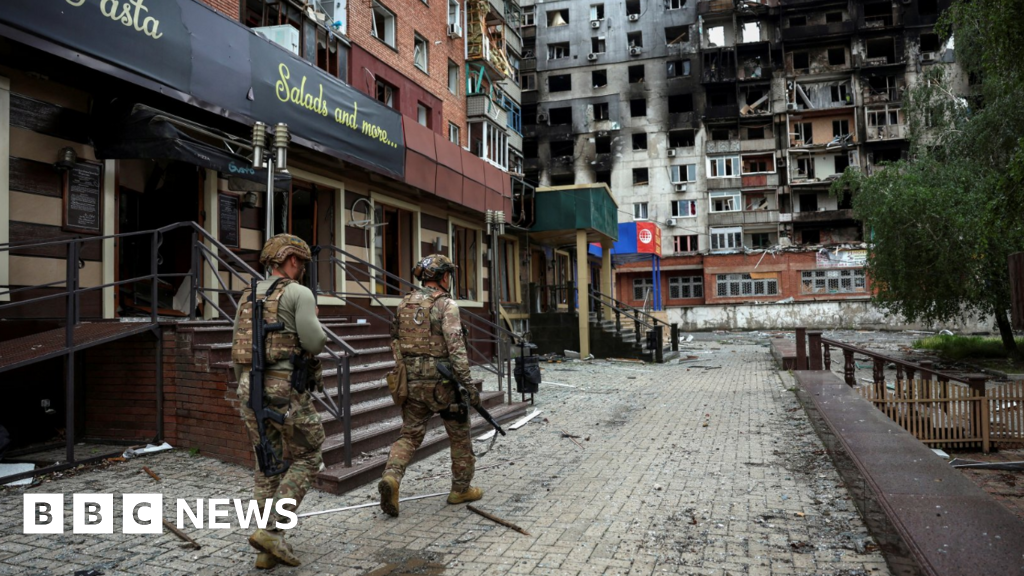
Amid the ongoing conflict in Ukraine, recent reports signal a disturbing escalation around the vital frontline town of Pokrovsk in the Donetsk region. Ukraine’s armed forces, led by Commander-in-Chief Oleksandr Syrskyi, have warned that Russian activity is intensifying, with Russian infantry massing and attempting to encircle the city. These developments are not merely localized skirmishes; they are a critical piece in the larger chessboard of Russia’s strategy to seize control of strategic transport and supply hubs in eastern Ukraine. The town’s fall could pave the way for Russian advances toward Kramatorsk and Sloviansk, the only significant Ukrainian-controlled urban centers still resisting in the region. This potential shift in control would significantly undermine Ukraine’s territorial integrity and complicate Western support efforts.

Official Ukrainian sources and independent analysts have painted a picture of a fierce and dynamic confrontation. Ukrainian General Syrskyi dismissed rumors of a blockade as propaganda, emphasizing that Russian forces are maneuvering around the town, seeking to infiltrate and weaken Ukrainian defenses. Despite the heavy Russian troop buildup, Ukrainian commanders are focused on maintaining a delicate balance—aiming to protect their soldiers while preventing encirclement. The situation remains “difficult,” according to Syrskyi, as Russian forces have been relentless in attempting to infiltrate deeper into Pokrovsk; some reports suggest the city is teetering on the brink of crisis. The battle for Pokrovsk symbolizes a broader struggle—one that involves not only regional territorial control but also the fight for world perception and geopolitical influence.

Meanwhile, international voices and intelligence assessments underscore the gravity of these developments. Ukrainian President Volodymyr Zelensky publicly declared Pokrovsk the “main target” of Russian advances and claimed Russia’s forces there are outnumbering Ukrainian defenders by a staggering ratio—eight to one. Zelensky asserted that Russia’s true aim is to demonstrate to the United States and NATO that Ukraine is on the retreat, a narrative Moscow desperately seeks to sell to bolster its strategic narrative. Analysts from organizations like Sybelline warn that the battle has entered a “highly dynamic and intense phase,” with Russian forces incrementally encircling and disrupting Ukrainian supply routes. Ukrainian monitoring groups suggest that time is running out—Pokrovsk is at a tipping point, and its loss could have rippling effects across the entire eastern front.

The stakes extend far beyond the battlefield. This confrontation encapsulates a broader geopolitical struggle—a symbolic battleground where Russia seeks to fracture Ukraine and redefine regional power balances, challenging the responses of Western allies. The international community, including NATO, watches anxiously as the outcomes here will determine whether Ukraine can withstand Russian pressure or if the tide will turn, forcing a reevaluation of Western support. This is a moment where history is not merely being written; it is being forged amidst gunfire and diplomacy, with the world hanging in a delicate balance. As the drums of war beat louder, global observers must ask—how will this chapter conclude, and what new order will emerge from the ashes of this relentless and pivotal confrontation?

Elon Musk warns on Tesla’s ‘robot army’ as auto sales bounce back

Tesla’s Record Sales Highlight Innovation Amid Industry Disruption

In a significant stride toward redefining the automotive and AI landscape, Tesla reported a record-breaking vehicle delivery volume in Q3 2025, driven largely by the government’s expiring federal EV tax credits. Despite this surge, the company’s earnings did not scale proportionally, with profits declining 37% compared to the same quarter last year. This disparity underscores the escalating costs associated with Tesla’s relentless push into AI and robotics innovation, which, according to industry analysts, could reshape transportation and healthcare sectors for decades to come. Tesla’s strategic pivot appears to threaten established industry paradigms, signaling a fundamental industry shift towards autonomous systems that could rival traditional automotive revenue streams.

Much of Tesla’s financial challenge stems from a 50% spike in operating expenses, largely due to investments in artificial intelligence (AI), research and development (R&D), and restructuring charges—potentially related to the controversial shutdown of its six-year-old Dojo supercomputer project. This costly push into AI aligns with CEO Elon Musk‘s vision of creating a “robot army,” notably through scaling its Full Self-Driving and Robotaxi initiatives, which Musk claims will fundamentally transform transportation. However, early production hurdles and the costly race for technological supremacy have amplified concerns among industry evaluators like Gartner and MIT about the sustainability of Tesla’s disruptive ambitions amid tightening margins.

As Musk pledges to develop the third iteration of Optimus– the company’s humanoid robot, the industry watches closely. While Musk’s rhetoric promises a future where Optimus could eradicate poverty and provide advanced medical care, experts warn that such a narrative veers into the realm of *speculative hype*, overshadowing the tangible engineering challenges and competitive pressures at play. Tesla’s increased capital expenditures—expected to grow *substantially* in 2026—reflect the intense competition for AI talent, as well as the strategic necessity to stay ahead in a technology war where timing and real-world deployment are critical. The ongoing battle over AI dominance is not merely technological; it is a watershed moment that could determine which players will lead the next global economic cycle.

  • Despite the fiscal costs, Musk remains committed to reshaping industry standards, predicting that AI-driven systems will eventually create a more equitable world.
  • Tesla’s plans for a two-seater “Cybercab” and advanced humanoid robots mark a clear departure from traditional automaking, solidifying the company’s position as a disruptive tech titan.
  • The looming question remains whether Tesla’s heavy investments and rapid innovation can deliver on Musk’s ambitious claims without destabilizing its core profits or alienating investors.

Looking ahead, the rapidly evolving AI and robotics sectors are poised to determine the next wave of industrial disruption. As Tesla accelerates its push into autonomous systems, the industry braces for a period of intense upheaval—one that could not only redefine mobility but also challenge policymakers, regulators, and global markets alike. With Musk’s bold vision and substantial capital commitments, the race is on. The question now is whether Tesla’s innovations will carve the future or become a costly gamble that delays true industry transformation. Time is of the essence for those who wish to lead in this new era—those who hesitate risk missing the seismic shifts that will shape the 21st century.

24 Dead as Army Paraglider Bombs Buddhist Festival—A Call for Accountability

In recent months, Myanmar has spiraled deeper into chaos, illustrating the devastating consequences of a military coup that dethroned a democratically elected government in 2021. As the nation becomes a battleground of persistent conflict and humanitarian disasters, the use of brutal airstrikes and paramilitary tactics by the ruling junta underscores the escalating severity of the crisis. The latest tragedy, where at least 24 civilians—predominantly children—were killed and dozens injured in a shocking air assault on a peaceful gathering, has prompted international alarm and renewed scrutiny of regional responses. This massacre, triggered during a candlelight vigil protesting military conscription and demanding the release of political prisoners, symbolizes the regime’s failure to distinguish between combatants and civilians—an echo of darker times in world history.

The geopolitical impact of Myanmar’s internal collapse extends far beyond its borders. Key regional powers, including China and Russia, have reaffirmed their support for the military government, providing aerial drones, technical expertise, and strategic backing, thereby emboldening the junta’s tactics. China, in particular, plays a dual role—peacekeeping along its border while enabling the regime’s military expansion through the provision of advanced weaponry and drone technology. Analysts point out that this assistance has allowed Myanmar’s military to intensify campaigns of airstrikes and heavy bombardments—a tactic that has subdued insurgent gains but at an incalculable cost to civilians. The international community, chiefly ASEAN, faces mounting pressure to intervene, yet most of its members avoid direct confrontation, instead issuing tepid condemnations amidst geopolitical interests.

The Myanmar crisis also magnifies the fragile state of regional stability, where the shifting power dynamics have significant implications for neighboring countries and global security. The international organization Human Rights Watch and activists suggest that the regime’s recent weaponization of paramotors marks a new, disturbing trend. Amnesty International characterizes these tactics as “grisly,” reflecting a disturbing pattern of escalating brutality amidst resource constraints—highlighted by the junta’s reliance on unsupported drones due to shortages of jets and fuel. The conflict’s expansion threatens to create a breeding ground for regional destabilization, as displaced populations seek refuge or entangle neighboring countries—potentially igniting yet broader conflicts or fostering insurgencies that threaten to spill into Southeast Asia. These developments underscore an urgent need for a cohesive international approach that transcends rhetoric, demanding targeted sanctions and sustained diplomatic pressure.

Across the world, historians and analysts warn that Myanmar’s ongoing collapse is not merely a regional tragedy but a pivotal chapter in the contemporary history of authoritarian resilience. The regime’s ability to survive amid increasing international isolation, coupled with the brutal suppression of civil liberties, serves as a stark reminder of how modern conflicts are no longer confined to traditional battlefield confrontations but are fought in the shadows of urban and rural communities alike. As truth emerges from the devastation wrought on the Thadingyut festival, the weight of history remains heavy. The choices made today—whether through diplomacy, sanctions, or military intervention—will determine whether Myanmar reverts into chaos or begins a long, arduous journey toward reconciliation. The world watches as the silent voices of the fallen demand justice—an enduring testament that, in the unfolding theater of geopolitics, history’s pen never truly rests.

Army deployed to secure Etosha National Park amid rising threats

Namibia’s Etosha National Park Fires: A Critical Test for Sovereign Response and Global Conservation

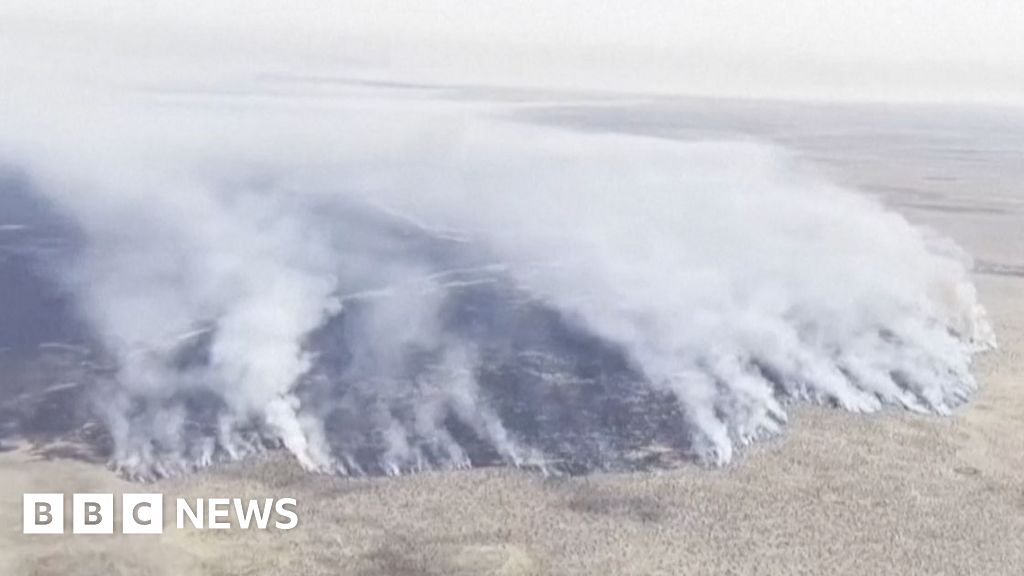
The recent devastating wildfire that engulfed a third of Namibia’s renowned Etosha National Park marks a significant moment in Africa’s ongoing battle to preserve its natural heritage amid mounting environmental challenges. According to the country’s environment minister, Indeleni Daniel, the fire has been “now contained”, but the ramifications of this natural catastrophe underscore the fragile balance between ecological conservation and geopolitical stability. This incident has ignited international attention, highlighting the role of national sovereignty in addressing environmental crises that transcend local borders.

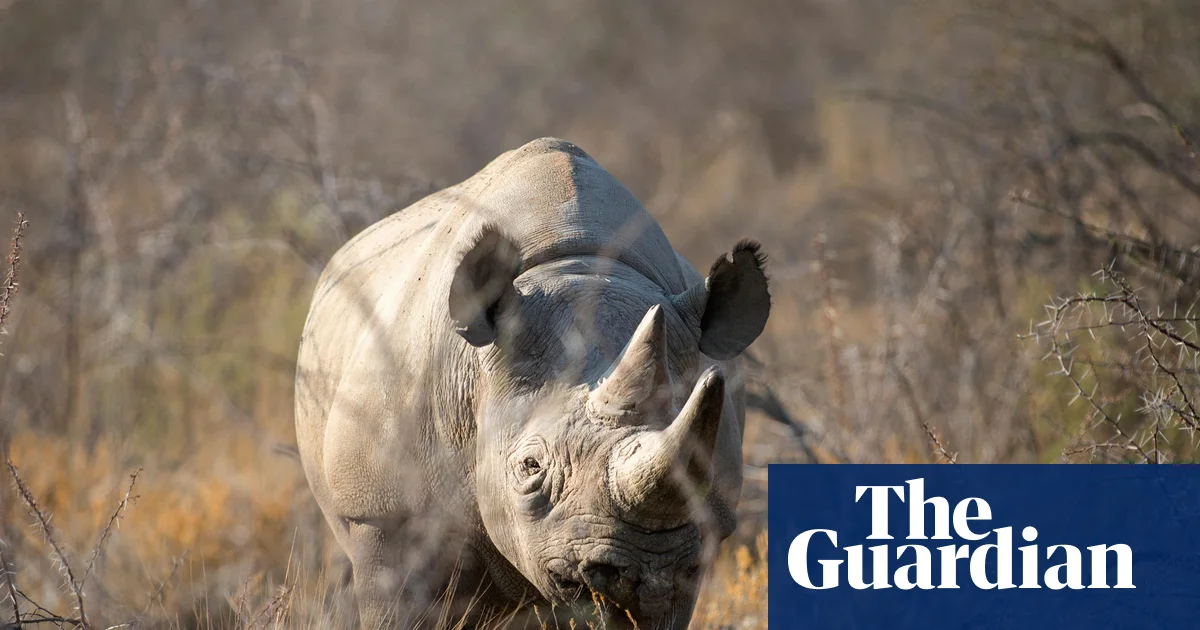
Historically, Etosha has been a pillar of conservation, home to critical species such as the critically endangered black rhino and an array of migratory birds. The fire, which spread for more than a week across approximately 22,935 square kilometers, has not only devastated vital wildlife habitats but also threatened the socio-economic backbone of Namibia’s tourism industry. With some 200,000 visitors annually, the park’s economic significance reflects how environmental health directly influences national income and community well-being. Analysts from the United Nations Environment Programme have warned that such wildfires, exacerbated by climate change and mismanaged response strategies, could escalate into regional instability if not effectively contained.

In response to the crisis, Namibia mobilized a substantial firefighting effort, deploying helicopters and hundreds of soldiers to combat the flames. The government’s decision to send more than 500 troops highlights a shift towards a more militarized, coordinated approach to natural disaster management—a move that could serve as a precedent for other nations facing similar threats. Underlining the gravity of the situation, opposition voices, such as MP Likando Rodrick, have criticized the government’s preparedness, arguing that past responses were insufficient, and calling for more comprehensive long-term strategies to prevent future outbreaks.

The wildfire’s regional implications extend beyond Namibia’s borders, with authorities reporting that the flames have spread into bordering regions of Angola, threatening both ecosystems and local communities. This raises urgent questions about cross-border cooperation and the role of external agencies in protecting vital transnational ecosystems. As international analysts point out, the event underscores an unsettling reality: climate change is not just an environmental issue but a geopolitical challenge that tests the resilience and sovereignty of nations. The wildfire’s aftermath serves as a stark reminder that ecosystems, wildlife, and local economies are interwoven into a complex web of national identity and international diplomacy, demanding coordinated efforts that transcend borders and political differences.

As aerial imagery begins to reveal the full extent of destruction, the incident remains a potent symbol of the urgent need for adaptive, resilient environmental policies that can withstand the pressures of a warming planet. The unfolding story of Namibia’s fight against nature’s fury is a chapter still being written, but one thing remains clear: in the wake of these flames, the path toward sustainable coexistence with our environment has become more critical—and more uncertain—than ever before. The question now is whether global leadership will rise to the challenge or whether this disaster will simply serve as another mark in history’s long, tumultuous struggle between humanity and the forces of nature.

Namibia Calls in Army to Battle Devastating Wildfire in Etosha

Namibia has taken urgent steps to address a rapidly spreading wildfire that has devastated approximately one-third of the Etosha National Park, one of Africa’s most critical ecological and tourism landmarks. The government’s decision to deploy an additional 500 soldiers underscores the severity of this environmental crisis, which not only threatens countless species and fragile ecosystems but also highlights the geopolitical importance of safeguarding natural resources that are vital for regional stability and international reputation.

The fire, ignited on 22 September, has burned through nearly 8,600 square miles, destroying habitats and risking the extinction of endangered species such as the black rhinoceros. Experts from organizations like the International Union for Conservation of Nature (IUCN) have sounded alarms about ecological irreparability. As analysis from environmental specialists underscores, these fires often result from unsustainable land-use practices and lack of adequate fire management policies—factors that in many cases are exacerbated by economic hardships or weak enforcement of environmental regulations. The Concerns over ecological degradation underscore an urgent need for greater international cooperation to protect biodiversity in Africa’s fragile environments.

The decision to deploy troops reflects not just Namibia’s national crisis management but also reveals important geopolitical implications. As the country grapples with environmental emergencies, it signals the importance of national sovereignty in protecting natural assets against external pressures and illegal activities like charcoal production, suspected to be the fire’s origin. The government’s effort to mobilize military resources demonstrates that environmental security is no longer just an ecological issue but integral to national stability and regional influence. Countries with vested interests in Namibia’s natural resources—such as neighboring nations and global powers with stakes in Africa’s strategic corridors—are watching closely, recognizing that ecological crises can destabilize broader geopolitical frameworks.

  • In response to the disaster, Namibia’s government has increased environmental regulation and emphasized the importance of sustainable land management, a move praised cautiously by analysts who warn that economic reliance on resource extraction complicates conservation efforts.
  • International organizations, including the United Nations Environment Programme (UNEP), have offered aid, emphasizing that this fire serves as a stark warning for the continent’s broader environmental vulnerabilities.
  • Historically, Africa has faced recurrent challenges with wildfires, but the scale of this incident underscores a potential turning point in how nations coordinate responses and integrate environmental resilience into national security strategies.

As flames continue to consume the unique Etosha salt pan and its surrounding plains, Namibia’s crisis exemplifies the intertwined fate of environmental stewardship and national sovereignty. The world watches as the young nation strives to contain the fire’s destructive path, a metaphor for the larger battles being fought across the globe—battles for survival, security, and a sustainable future. With the historical weight of ecological neglect and geopolitical competition bearing down, Namibia’s response in the coming days will serve as a pivotal chapter in the unfolding story of environmental resilience and sovereignty, shaping the legacy that future generations will inherit from a land scarred but not defeated by the flames of crisis.

Social Media Auto Publish Powered By : XYZScripts.com