
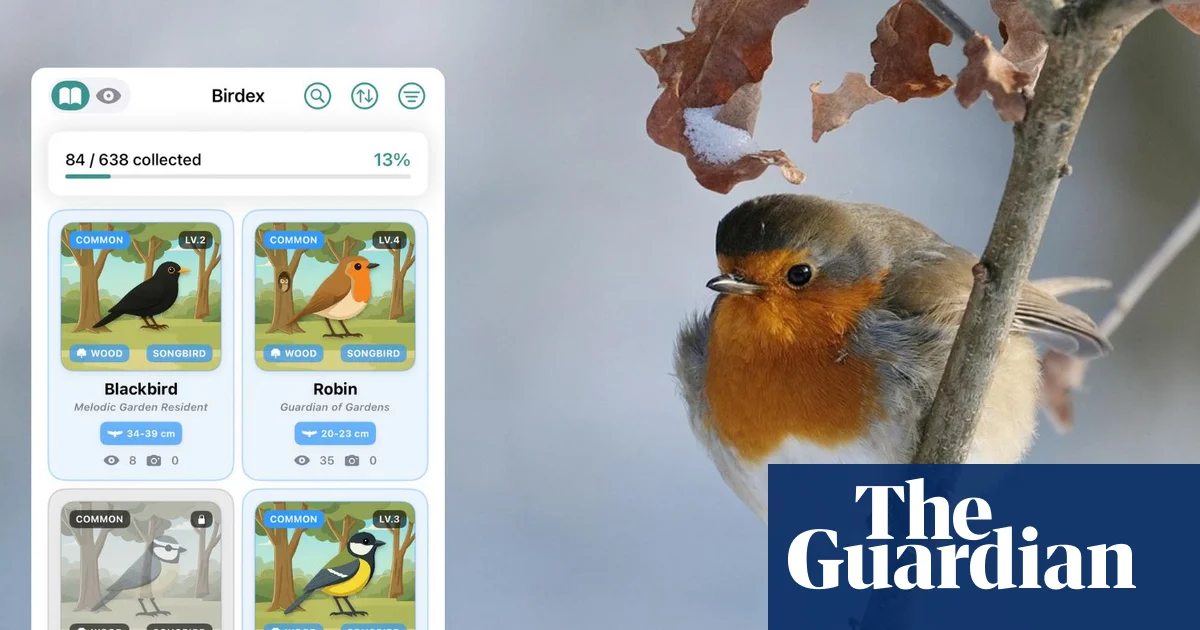

In a striking example of technological innovation intersecting with conservation and youth engagement, a new app called Birdex has entered the global digital landscape, aiming to gamify birdwatching and foster a new generation of nature enthusiasts. By allowing users to record their sightings and collect digital cards of UK bird species, Birdex embodies a modern twist on citizen science—one that appeals particularly to young audiences weary of traditional outdoor activities. It leverages gamification to encourage outdoor exploration, offering points for common species and larger rewards for rarer sightings, thus blending education with entertainment. While the app’s immediate appeal is evident, its introduction raises important questions about the impact of AI-generated content and the broader implications for conservation efforts at an international level.
International analysts and environmental organizations are closely watching Birdex’s potential to influence societal attitudes towards biodiversity and nature stewardship. The British Trust for Ornithology (BTO), a venerable institution in avian research, has expressed cautious optimism about the app’s crowdsourcing capabilities, suggesting that if user-recorded sightings are shared with entities like the BTO, they could bolster ongoing citizen science initiatives. Viola Ross-Smith, a science communications manager, highlights the *potential* for such digital tools to revel in data collection, yet also warns about how certain species—such as the elusive capercaillie—are inadvertently put at risk if users seek them out for the thrill. This dynamic underscores the complex web of interests at play: promoting environmental awareness while preventing harmful human interference in delicate ecosystems.
Meanwhile, the geopolitical impact of this technological trend extends beyond the UK, triggering debates about the role of AI in natural sciences and the societal responsibilities of tech developers. The decision by Birdex’s creators to use AI-generated artwork—initially driven by limited funding—has ignited controversy among digital purists and conservation advocates alike. Critics argue that replacing authentic imagery with AI-crafted depictions diminishes the real-world integrity of birdwatching cultures while raising broader concerns about ethical AI use. As international standards evolve regarding AI and digital ethics, this debate strikes at the heart of how societies value genuine experiences versus artificial representations—an issue that resonates across sectors, from global conservation to cultural preservation.
As nations grapple with these emerging challenges, experts warn that the words written into policies today will forge the legacy of tomorrow’s relationship with nature and technology. Historians and policymakers alike observe that decisions—whether to embrace AI’s utility or to prioritize authentic immersion in the environment—will shape the fabric of future societies. The momentum surrounding apps like Birdex continually reminds us that the window of opportunity is closing rapidly. Will we harness this digital revolution to preserve our natural world, or will technological shortcuts irreparably distort our understanding of the environment? The unfolding story of Birdex captures a pivotal moment—a crossroads where innovation, conservation, and societal values converge—signaling that the weight of history still presses heavily upon the shoulders of contemporary decision-makers.





