Matox News

Truth Over Trends, always!

Dare to camp out at the iconic ‘Ghostbusters’ firehouse this Halloween—are you tough enough?

In a world increasingly driven by immersive experiences and nostalgic adventures, the collaboration between Sony and Vacasa epitomizes a trend where entertainment meets lifestyle in unprecedented ways. Recently, in Portland, Oregon, a unique opportunity has emerged for enthusiasts and thrill-seekers alike: a chance to spend three extraordinary nights inside a recreation of the iconic Ghostbusters Firehouse—a structure straight out of the 1984 film that captured the imagination of generations. While famously set in New York City, this meticulously recreated firehouse transports visitors into the heart of ghostbusting action right in the Pacific Northwest, blurring the lines between blockbuster fantasy and tangible experience. Such initiatives underscore a broader shift towards experiential living, where personal impact—whether in health, leisure, or inspiration—is fueled by engaging, real-world adventures that ignite the spirit of youthful curiosity.

The firehouse itself is a meticulously designed homage to the beloved franchise, loaded with authentic details that resonate with long-time fans and newcomers alike. From the classic Proton Packs and Ghost Traps to the Ecto-Containment Unit and the famous Ecto-1 vehicle parked in the bay, every element is curated to ensure an immersive encounter. Participants can don the familiar Ghostbusters fight suits and partake in activities that blend entertainment with cultural nostalgia. The experience, slated for October 28 to 31—just in time for the spooky season—encourages guests to embrace a playful spirit, igniting a sense of adventure that aligns well with burgeoning wellness trends emphasizing mental rejuvenation through joy and creativity. Allison Lowrie of Vacasa emphasizes their dedication to detail, recognizing that such lifestyle capsules serve as vital outlets for personal well-being in a world often dominated by digital overload.

Adding to the appeal, the event’s timing during late October aligns with a cultural penchant for spooky festivities, reinforcing the notion that lifestyle is an evolving tapestry woven from shared experiences, memories, and stories. This initiative also exemplifies how iconic cultural symbols—like the Ghostbusters—are being repurposed to foster communal engagement and personal impact, transforming passive fandom into active participation. Even if one cannot attend physically, the virtual Matterport 360 tour extends this frontier into the digital realm, ensuring that technology enhances accessibility and broadens the reach of such lifestyle innovations. For those with a penchant for travel and adventure, upcoming project tips include prioritizing authentic, niche experiences, and exploring destinations that offer deeper cultural resonance beyond mundane sightseeing.

Ultimately, this creative venture invites a broader reflection: in embracing lifestyle shifts rooted in fun, nostalgia, and shared culture, individuals can forge a more vibrant, inspiring worldview. It challenges the conventional notion of leisure as mere downtime and instead frames it as an active, transformative journey—one where personal impact is crafted through memorable adventures. As cultural icons become catalysts for wellness and self-expression, the journey to embracing a fuller, more vibrant life is ongoing, propelled by imagination, connection, and the fearless pursuit of experiential living. Whether chasing ghosts or forging new memories, every step taken in pursuit of joy reaffirms an essential truth—the pursuit of wellness is, finally, a reflection of the courageous spirit that resides in us all.
Italian legend makes bold new statement—look at this unexpected transformation!

Italy, the cradle of the Renaissance and a symbol of timeless artistry, is embracing a new chapter of rejuvenation and innovation that resonates with today’s shift toward wellness and experience-driven travel. In Florence, the home of masterpieces like Michelangelo’s David, recent renovations are not just about aesthetics—they are about redefining how visitors engage with history, art, and culture. The €3 million upgrade of the Accademia Gallery exemplifies a broader movement in Italy’s cultural scene: transforming venerable institutions into vibrant, interactive spaces that prioritize both aesthetic brilliance and energy efficiency.

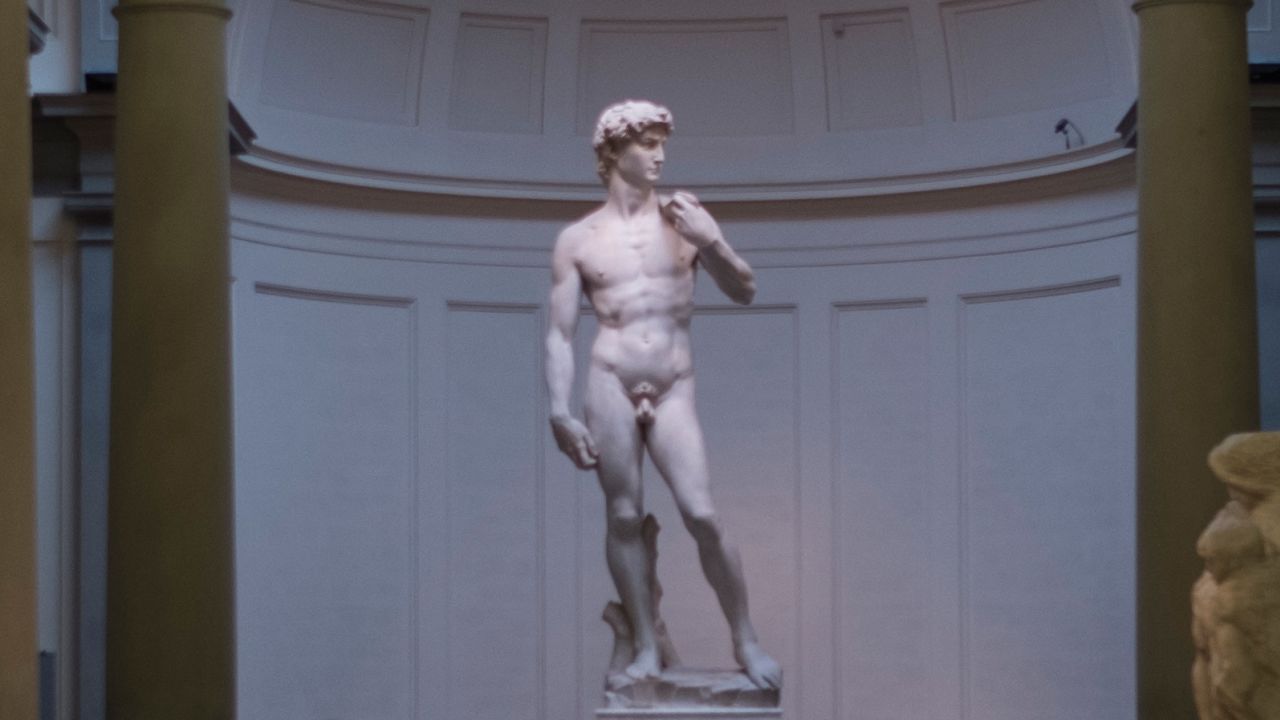
The centerpiece of this artistic renaissance is the reimagining of Michelangelo’s David. Thanks to an advanced lighting system installed recently, the statue’s marble surface now unveils details previously hidden in shadows or under dull lighting. As Lucia Lazic, a guide with intimate knowledge of the gallery, recounts, “A few days ago, I noticed muscles I’d never seen before—the lighting here truly illuminates the work’s dynamism.” This upgrade has not only elevated the visual experience but also highlighted the fine chisel marks that define Michelangelo’s mastery—a testament to the power of thoughtful lighting design. The new system, which mimics natural sunlight and shifts subtly throughout the day, allows visitors to see the statue in different lights, each revealing new facets of this iconic masterpiece.

But this revitalization reaches beyond David; it’s a signal that Italy’s cultural landmarks are evolving into multidimensional experiences. The gallery’s interiors have been repainted with hues that accentuate the artwork, from a vivid blue in the Sala del Colosso to pale greens in medieval rooms—colors carefully selected to complement the historic art. Furthermore, modifications to the Gipsoteca—the plaster cast gallery—now include modern amenities such as air conditioning and improved layout, transforming what was once a hurried-through space into a leisurely sanctuary for art lovers. Such changes reflect a cultural shift where wellness and mindful engagement with history are becoming central to the tourist and local experience alike. Noted cultural curator Dario Franceschini points out that these renovations are “an important step in bringing the Accademia into the 21st century,” blending tradition with a contemporary approach that prioritizes visitor comfort and engagement.

  • Visit during different times of the day to see the changing light on David and other artworks.
  • Participate in cultural events to experience the gallery beyond just viewing.
  • Respect the enhancements that honor, and not disturb, the integrity of these ancient works.

This approach underscores a broader philosophy within Italy’s cultural strategy: preserve its heritage while making it accessible and lively for new generations. The renovation projects have been lauded for their energy-efficient solutions, which cut electricity use by approximately 80%, aligning with global efforts to sustain cultural preservation in an environmentally responsible manner. As museums become dynamic hubs for learning and leisure, they serve as a reminder that art and history are not static but living, breathing elements of our daily lives. The Florence renovations symbolize this beautifully: a fusion of craftsmanship and innovation, respect and renewal.

As one gazes upon Michelangelo’s David now illuminated in new light, the experience transforms from mere observation into a personal revelation—an invitation to reflect on how embracing change can illuminate the enduring spirit of human achievement. The journey of cultural renewal, much like life itself, is continuous, urging each visitor to see with fresh eyes and discover hidden stories etched in stone and pigment. As Italy invites us into its stories and masterpieces, perhaps the greatest lesson lies in the understanding that history’s beauty is elevated through thoughtful reinvention, inspiring the next generation to carry its legacy into a bright, modern future.

Yayoi Kusama’s iconic yellow pumpkin makes a vibrant return to Naoshima Island—Japan’s hottest art destination for young trendsetters

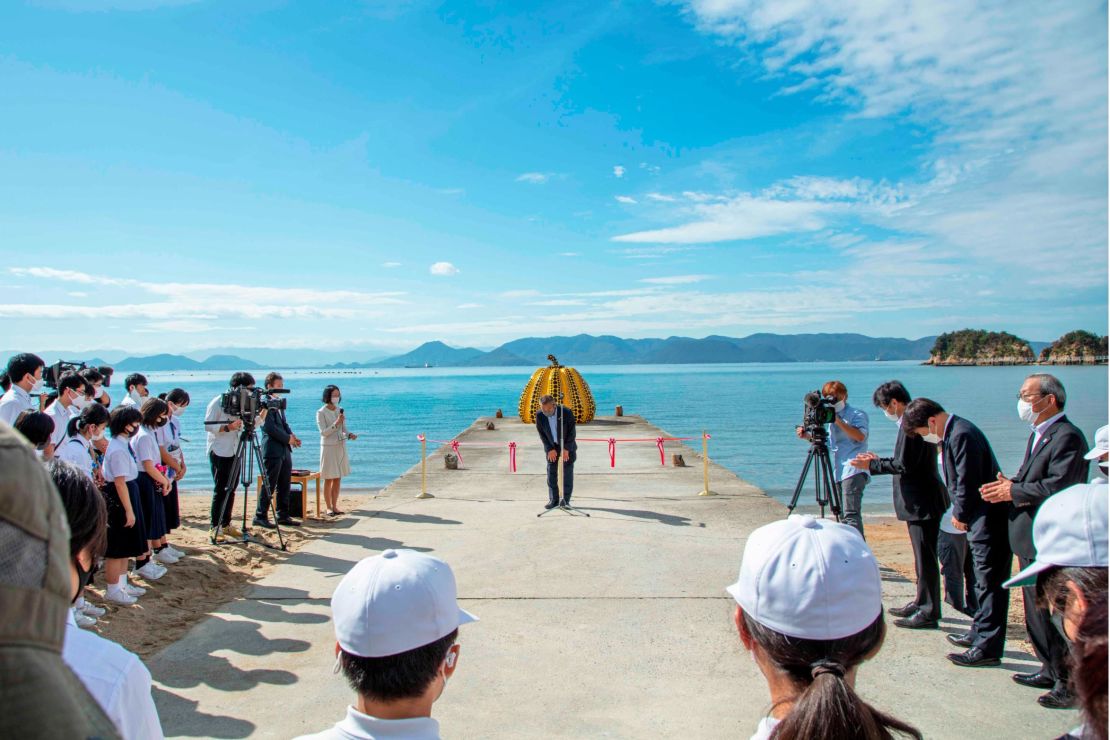
Amidst the serene waters of the Seto Inland Sea, Naoshima emerges once again as a beacon of resilience and artistic innovation. Known globally as Japan’s premier art island, Naoshima captivates visitors with its harmonious blend of contemporary sculptures and tranquil natural beauty. The island’s famed yellow pumpkin sculpture by Yayoi Kusama, a symbol of joyful eccentricity, recently returned to its rightful place after a tumultuous encounter with Mother Nature. Last summer, a powerful typhoon swept through the region, damaging the beloved installation and washing parts into the sea, yet the spirit of artistic boldness refused to be washed away. The festival of recovery and creativity that followed exemplifies how cultural icons can serve as anchors of community pride, inspiring a new wave of appreciation for lifestyle shifts centered on wellness and cultural connection.

This act of renewal underscores the importance of embracing wellness through cultural engagement, which experts like wellness advocate Dr. Jordan Peterson and art historian Lucy R. Lippard emphasize as vital for mental and emotional resilience. The resilience of Kusama’s sculpture was not simply a matter of replacing broken pieces; it was an affirmation of enduring creativity amid adversity. The artist’s production team crafted a new pumpkin that is 10% thicker and embedded with a hook, ensuring it can withstand future storms and wind. This thoughtful upgrade exemplifies an evolving lifestyle philosophy: embracing preparedness while remaining open to beauty and inspiration. Visitors, locals, and officials gathered in celebration when the sculpture was reinstalled, reaffirming that community and culture are intertwined in the pursuit of a balanced, inspired life.

Naoshima’s accessibility, a short ferry ride from Okayama and a 50-minute bullet train from Osaka, makes it an ideal destination for young adventurers seeking meaningful leisure. The island’s aesthetic is a testament to how blending art and environment can elevate everyday experiences, transforming a simple visit into a deliberate act of self-care and reflection. The ongoing Setouchi Art Festival invites travelers to partake in a journey of discovery, highlighting how curated cultural exposure enhances personal impact — from inspiring creativity or encouraging mindfulness to cultivating a sense of global community grounded in local beauty.

  • Plan your trip during the festival’s duration to experience fresh exhibitions and community events.
  • Take the 20-minute ferry from Okayama to fully immerse yourself in a peaceful, art-infused environment.
  • Explore nearby museums and abandoned houses turned into artistic statements, deepening your cultural engagement.

As the story of Naoshima’s yellow pumpkin exemplifies, lifestyle is an ongoing journey of embracing change, resilience, and beauty. It invites each individual to see the world not merely as a passive observer but as an active participant in a shared narrative of cultural revival, inspiring us to nurture our inner well-being while connecting with the wider world. The island’s rebirth serves as a reminder that life’s storms, whether literal or metaphorical, can forge stronger foundations — and that through art, community, and perspective, we can all navigate toward a more vibrant, meaningful existence.

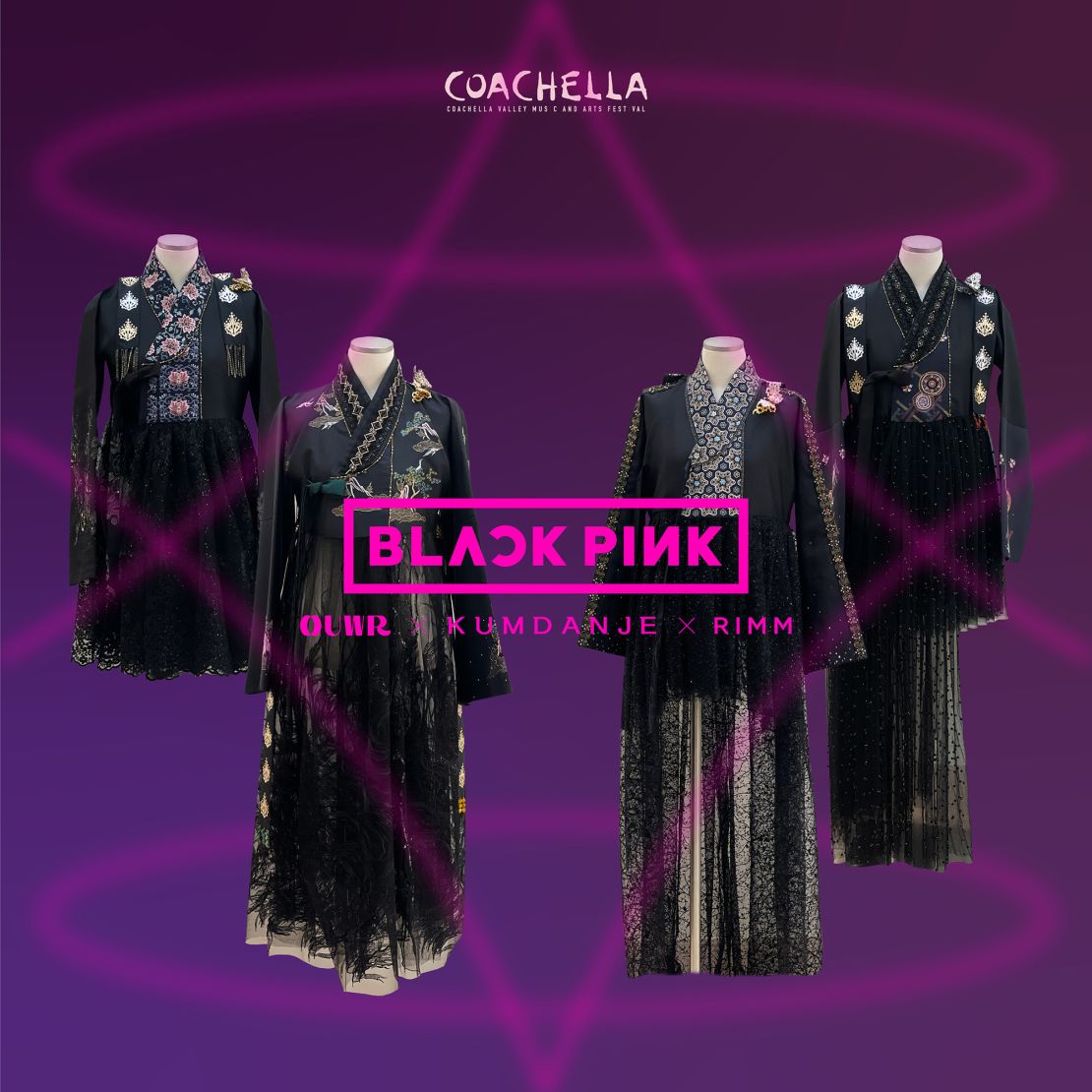
Blackpink Turns Heads at Coachella in Traditional Hanboks

Blackpink’s Historic Coachella Performance and the Rising Role of Korean Culture in Global Politics

In a moment that transcended entertainment and echoed across the geopolitical landscape, Blackpink, the iconic K-Pop girl group, made history at Coachella 2023 by becoming the first Asian act to headline the festival. Their performance, attended by over 125,000 fans, was not merely a display of musical talent but a deliberate assertion of cultural pride. The group honored their Korean heritage by debuting on stage in stunning hanboks, traditional Korean garments richly embroidered with symbolic motifs. This act was a potent statement, intertwining fashion, culture, and geopolitics, highlighting how nations leverage cultural diplomacy to elevate their influence on the international stage.

The significance of this moment extends far beyond the festival grounds. By incorporating hanboks into their performance, Blackpink subtly challenged Western-centric narratives that have historically marginalized Asian cultures in global pop and political spheres. According to cultural analysts, such displays of cultural pride serve as a form of soft power—an assertion of identity in a world often dominated by Western hegemony. The group’s ability to seamlessly fuse traditional Korean elements with modern pop iconography exemplifies the rising influence of South Korea as a cultural powerhouse, capable of shaping international perceptions and expanding its soft power reach.

The Cultural and Political Roots of Korea’s Expanding Global Influence

In recent years, South Korea has steadily ascended as a major player in both global culture and geopolitics. From the global dominance of K-Pop to Korean cinema’s critical success, the country’s cultural exports have become vital tools for shaping international narratives. Historians and geopolitical commentators argue that this cultural ascent correlates with South Korea’s strategic state policies aimed at fostering national pride and leveraging cultural diplomacy as a counterbalance against North Korea’s persistent threat. The use of traditional garments like hanboks during such high-profile events signals an intentional effort to promote Korea’s rich heritage, making cultural identity a cornerstone of their nation-branding strategy.

Furthermore, the appearance of hanboks with intricate embroidery or modern adaptations at major fashion events—such as Seoul Fashion Week or Milan Fashion Week—demonstrates a deliberate attempt by Korean designers to present their culture globally. International organizations and industry analysts alike recognize this as a calculated move that consolidates Korean soft power, bolster ties with diaspora communities, and perpetuate a narrative of cultural resilience. This is especially critical considering the regional tensions in East Asia, where soft power becomes an essential tool for diplomacy and influence without direct confrontation.

Fashion as an International Language of Power and Identity

The spectacle at Coachella was not only cultural but also deeply political. Internationally renowned fashion brands like Dolce & Gabbana and local artisans contributed to the group’s look, transforming their stage into a visual manifesto of Korean cultural resurgence. As historians note, fashion has long served as an expression of power and identity—witness Madonna’s Jean Paul Gaultier cone bras or Geri Halliwell’s Union Jack mini dresses—each moment capturing a turning point in cultural history. The use of hanboks, embroidered with symbols of royalty like peonies, underscored a refusal to let traditional culture be confined to the past, instead presenting it as a living, breathing force shaping Korea’s future aspirations.

As the world watches this evolution, the message is clear: nations are increasingly aware that soft power through culture can reconfigure global narratives, shape alliances, and influence societal perceptions. The cultural diplomacy embodied by Blackpink’s groundbreaking performance, therefore, marks not just a moment of teenage fanfare but a pivotal junction in the ongoing contest for influence—where tradition meets modernity on the grand stage of geopolitics.

If history is any guide, the echoes of this event will resonate through generations, a testament that when nations harness their cultural symbols at moments of global visibility, they carve their names into the fabric of history. As we stand on the brink of further shifts, one thing remains undeniable: the stages of the world are the new battlegrounds for influence, where tradition and innovation collide amid the relentless tide of change.

Fashion’s Grim Turn: Youth Style Moves Toward Old-School Backslide

Fashion’s Evolution Mirrors International Societal Changes Amid Medical and Cultural Shifts

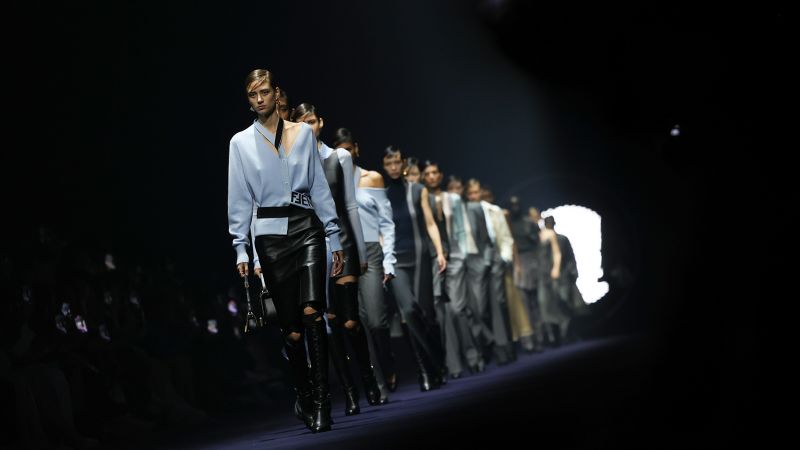
In 2023, the global fashion industry has once again unveiled its complex relationship with societal standards, body diversity, and medical advancements. This season’s runway shows across New York, London, Milan, and Paris reveal a disconcerting trend: a pronounced decline in the representation of plus-size models, echoing a broader societal pattern that privileges a narrow definition of beauty. Despite early progress driven by pioneers like Jill Kortleve, Paloma Elsesser, and Precious Lee—who broke the traditional sample size mold—this past season marked a stark regression. Industry analysts and fashion observers emphasize that this shift is not merely aesthetic but deeply intertwined with how international society perceives health, worth, and beauty.

Adding fuel to the fire is the advent and expanding accessibility of weight loss medications like Wegovy and Ozempic. These pharmaceuticals, originally designed to assist those with obesity or weight-related health issues, are increasingly being sought for purely aesthetic purposes though often at the expense of health risks. The European Medicines Agency recently issued warnings about shortages of Ozempic, underscoring the growing demand and potential for misuse. Critics such as global health experts warn that the normalization of such drugs, combined with a fashion industry retreat from size diversity, threaten to reinforce damaging societal narratives. As Dr. Lash, a prominent endocrinologist, cautions, “These drugs are not benign, and their use outside medical supervision can cause serious health complications.”

The significance of these developments extends well beyond individual health. According to historians and sociologists, these trends reflect a societal shift where the pursuit of an ultra-thin ideal is increasingly driven by consumer culture and pharmaceutical influence. Industry insiders point out that long-standing practices—such as creating exclusive sample sizes optimized for efficiency—are often cited by legacy brands as justifications for lacking size inclusivity. However, as White and other advocates argue, this is a matter of industry prioritization over societal well-being. Calls for a unified industry standard that mandates size diversity on runways are gaining momentum, aiming to combat the entrenched archetype of skinny beauty that has persisted for decades.

Despite these setbacks, a handful of smaller brands and emerging designers continue to push for change. Labels like Esther Manas, Di Petsa, and some collections by Christian Siriano exhibit a compelling commitment to celebrating all body types. This resistance symbolizes a broader cultural struggle—whether the fashion industry will embrace a definition of beauty that is inclusive, rather than exclusive. As the debate rages, critics warn that these decisions impact societal attitudes—shaping how future generations perceive self-worth, health, and diversity. The industry’s reluctance to fully integrate size inclusivity risks perpetuating a cycle where societal standards are dictated by narrow aesthetics and pharmaceutical solutions.

Ultimately, the narrative of body image and medical intervention is a portrait of a society at a crossroads. As social media platforms amplify conversations about health, beauty, and authenticity, and as international regulators grapple with medication shortages and misuse, history’s verdict remains unwritten. Will the global fashion industry and society at large choose authentic diversity and health over fleeting trends and pharmaceutical shortcuts? The unfolding story suggests we are entering a defining chapter—one where the choices made today will echo through future generations, shaping the very fabric of cultural identity and societal standards. The weight of history hangs heavily in the balance, whispering that the path forward must be carved with both conscience and courage.

Social Media Auto Publish Powered By : XYZScripts.com