Matox News

Truth Over Trends, always!

BREAKING: Bondi Beach terror attack leaves at least 16 dead, including a child, and 40 injured—that's a shocking assault on our community—more updates to come.
BREAKING: Bondi Beach terror attack leaves at least 16 dead, including a child, and 40 injured—that’s a shocking assault on our community—more updates to come.

Bondi Beach Terror Attack: A Turning Point in Global Security and Society

The recent terror assault on Bondi Beach, an iconic Australian landmark, has sent shockwaves across the international community, highlighting the persistent threat of radical extremism in an era where geopolitical tensions often appear to fuel hate and violence. The attack, which resulted in at least 16 fatalities—including a child—and dozens wounded, marks one of the most horrific acts of violence Australia has faced in decades. As details unfold, analysts and global leaders alike are examining the incident not just as a tragic outlier but as a reflection of deeper, troubling trends in international security.

Prime Minister Anthony Albanese described the attack as a ‘horrendous act of terror,’ and international leaders have echoed this sentiment, framing it within the broader context of rising antisemitic violence worldwide. The attack is distinguished not merely by its brutality but by its clear targeting of Jewish Americans and Australians during Hanukah—a festival of light and resilience—therefore emphasizing the dangerous potential of ideological extremism to threaten societal cohesion. World organizations, including the United Nations, have issued condemnations, calling for urgent international cooperation to combat hate-motivated acts.

  • Australia’s internal security apparatus has declared the incident a terrorist attack, triggering special legislation and intensifying efforts to trace the origins and motivations behind the assault.
  • Suspected links to violent extremist ideologies have prompted joint investigations by Australian police and global counterterrorism units, emphasizing international collaboration in preventing further violence.
  • Prominent figures such as French President Emmanuel Macron and Israeli leader Isaac Herzog expressed solidarity, labeling the atrocity as an act of hatred and terrorism that transcends national borders.

How the Decision to Recognize a Palestinian State Influences Global Narratives

Adding a complex layer to the geopolitical landscape, Australia’s recent recognition of a Palestinian state—an unprecedented move in Western foreign policy—appears to be intertwined with ongoing regional tensions. This shift has exacerbated debates about the global challenge of extremism and the way geopolitical decisions influence perceptions and acts of violence. Historians argue that such gestures, while aimed at fostering peace, can concurrently serve as catalysts for extremist narratives, which exploit perceived betrayals or alliances to justify their actions.

Expert analysts warn that the incident at Bondi is a grim indicator of how ideological conflicts—whether rooted in regional disputes or historical grievances—are increasingly manifesting as domestic terrorism across Western democracies. The attack’s timing during Hanukah, along with the discovery of suspected incendiary devices, has amplified concerns about how cultural and religious tensions are exploited by malicious entities to destabilize societies. This tragedy underscores the necessity for governments to foster resilience and unity, championing security without surrendering core freedoms or tolerating hatred.

As history unfolds, the legacy of this attack will serve as a test for Australia’s national resolve and the international community’s ability to confront the rising tide of ethnoreligious violence. The heroism of individuals who intervened, risking their lives to prevent further carnage, reminds us that the battle against terror is fought not only through military means but also through unwavering societal strength. The voices of global leaders today echo a pressing warning: the light of hope and unity must shine brighter than ever, for in this darkness, the true test of a civilization’s character is measured. The world’s eyes remain fixed on Bondi, a battleground where the hopes for peace clash against the shadows of hatred—an ongoing saga that will shape the course of history for generations to come.


Germany blames Russia for 2024 cyber assault and election interference

Germany has officially levied accusations against Russia for engaging in a series of aggressive cyber-operations, signaling a significant escalation in the already tense relationship between the two nations. According to a statement from Germany’s foreign ministry, Russian military intelligence is believed to be behind a cyber-attack targeting German air traffic control systems in August 2024, an incident that, if true, raises profound security concerns across Europe. This move is viewed by many analysts as part of a broader pattern of hybrid warfare tactics employed by Moscow to destabilize Western democracies and manipulate international stability.

Furthermore, Germany’s allegations extend beyond cyber interference, claiming that Russia sought to influence and destabilize the country’s February 2024 federal elections. The foreign ministry emphasized that these actions are part of an ongoing attempt by Moscow to undermine **Western democratic institutions** and sow discord within allied nations. In response, Germany’s government has summoned the Russian ambassador and vowed to coordinate closely with its European partners to implement counter-measures designed to hold Russia accountable, with the goal of making “Russia pay a price for its hybrid actions.” This stance echoes a wider international consensus warning against Moscow’s attempts to weaken the resolve of Western nations through covert means.

Global institutions and defense analysts are closely monitoring these developments, framing it within the context of an evolving geopolitical chess game. Experts such as Dr. Emily Carter, a respected international security analyst, point out that these cyber activities are part of a deliberate Russian campaign to demonstrate its resilience and willingness to challenge Western dominance in the digital age. The lack of an immediate response from Russia has only heightened concerns, with some voices warning that the current silence may be a strategic delay, signaling that Moscow is prepared to escalate the cyber conflict if necessary. Historically, such actions are reminiscent of Cold War-era tactics—disrupting critical infrastructure and manipulating democratic processes to extend influence and control beyond traditional battlegrounds.

As the world watches with cautious eyes, the shifting alliances and ongoing espionage battles spotlight the profound geopolitical impact of these developments. The response from Western nations underscores a broader message: that sovereignty and security are now intertwined with the invisible and insidious realm of digital warfare. The future of international stability hinges on whether these nations can effectively counter such hybrid threats before history repeats itself in a more destructive and irreversible manner. With each passing day, the weight of history grows heavier on the shoulders of leaders worldwide—reminding us that the margins of peace are thin, and the consequences of neglect are often catastrophic. In this digital Age, the struggle for dominance has shifted from traditional battlegrounds to the unseen frontiers of the cyberspace, where the rules are still being written, and the stakes could not be higher.

IShowSpeed sued for alleged assault on viral humanoid Rizzbot—what’s really going on?

Rizzbot and IShowSpeed’s Viral Encounter Sparks Industry-Wide Shift in AI and Robotics

In a striking display of innovation and disruption within the AI and robotics sector, the recent clash between popular streamer IShowSpeed and the humanoid influencer robot Rizzbot has sent ripples through the tech industry. The incident, livestreamed and now subject to legal proceedings, underscores the volatile intersection of cutting-edge robotics and mainstream digital entertainment, illuminating critical challenges and opportunities for businesses leveraging AI-driven humanoids for social engagement.

This event highlights a broader trend towards disruptive AI-powered personalities that have been reshaping consumer interactions and digital marketing strategies. Rizzbot, developed by Social Robotics, has amassed over a million followers and hundreds of millions of views, symbolizing a new era where humanoid influencers command tremendous social influence with potentially game-changing implications. However, the fallout from this incident—marked by allegations of physical abuse and resulting substantive damage to Rizzbot’s hardware—raises pressing questions about responsibility, ethics, and safety in deploying humanoid AI in live, unscripted environments.

Tech Industry Impact and Business Disruption

The legal proceedings reveal the stark realities of integrating AI and robotics into mainstream content, especially when high-profile personalities like Speed engage with these entities. The lawsuit alleges extensive damage—including broken sensors and compromised functionality—causing significant financial and reputational losses for Rizzbot. This incident accentuates the pressing need for robust AI safety protocols and liability frameworks, especially as AI humanoids are primed to become more commonplace in entertainment, marketing, and even customer service.

  • Disruption of AI-Influencer Market: The incident questions the sustainability of AI humanoids as reliable brand ambassadors.
  • Operational Risks: Physical abuse, hardware damage, and legal liabilities threaten the economic viability of humanoid AI engagement models.
  • Ethical Considerations: The event spotlights concerns over AI ethics and responsible usage, prompting calls for tighter regulation.

Founded on innovations in machine learning, sensors, and real-time interaction, companies like Boston Dynamics and Hanson Robotics are racing to develop robots capable of nuanced social interactions. However, the incident with Rizzbot illustrates that without adequate control mechanisms and safety measures, existing technology remains vulnerable. Industry experts like Gartner analysts warn that, as AI power scales, so does the potential for misuse and high-profile failures that could stall market growth.

Looking Forward: The Urgency of Innovation and Regulation

This disruptive incident marks a pivotal moment in the evolution of AI-driven personas—highlighting both the explosive potential of humanoid robots and the urgency for regulatory frameworks. As Elon Musk and Peter Thiel have repeatedly emphasized, accelerating innovation must go hand in hand with ethical safeguards and safety protocols. The next frontier involves integrating AI safety measures, liability standards, and advanced sensors to prevent damaging incidents that could curtail industry momentum.

With major events like the upcoming TechCrunch Summit in San Francisco (October 13-15, 2026), the industry stands at a crossroads—either driving forward with rugged innovation or facing the adverse effects of lax oversight. The future of humanoid AI hinges on decisive action now, as the global race for technological dominance accelerates. The potential for disruption in social media, entertainment, and beyond will only expand, demanding that developers, investors, and regulators collaborate to shape a responsible AI-empowered future.

Israeli Airstrikes in Gaza Kill 104 Amid Hamas's Assault on Soldier
Israeli Airstrikes in Gaza Kill 104 Amid Hamas’s Assault on Soldier

Geopolitical Tensions Escalate in Gaza: A Turning Point for Middle East Stability

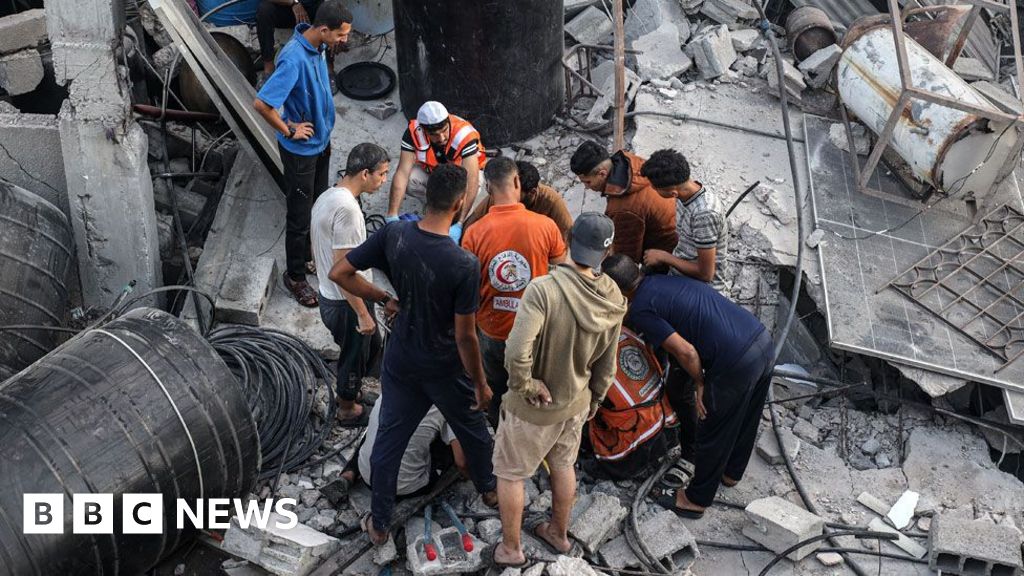
The recent wave of intensified Israeli military strikes in Gaza underscores a critical juncture in the ongoing Middle Eastern conflict, with far-reaching geopolitical implications that could reshape regional alliances and global diplomacy. According to Gaza’s Hamas-run health ministry, at least 104 Palestinians have been killed in just one night of Israeli airstrikes, targeting homes, schools, and vital infrastructure across Gaza City, Beit Lahia, Khan Younis, and surrounding areas. Witnesses report seeing “pillars of fire and smoke” rising into the air as explosions ripple through densely populated neighborhoods, highlighting the devastating human toll of this renewed violence. Analysts warn that such escalation risks igniting a broader regional conflagration, drawing in neighboring countries and international superpowers into a dangerous cycle of retaliation and hardened positions.

The Israeli Defense Forces (IDF) claims its strikes are retaliation, targeting “dozens of terror targets and terrorists,” including proclaimed battalion commanders. Yet, the distinction between military objectives and civilian casualties has become increasingly blurred. The death toll includes children, women, and innocent civilians caught in the crossfire — a tragic reflection of the heightened tensions. Israeli Prime Minister Benjamin Netanyahu has ordered a “forceful response,” accusing Hamas of breaching ceasefire terms and endangering regional stability. This decision to escalate military operations has been met with condemnation and concern from international observers, including the United Nations, which warns of a possible humanitarian catastrophe if tearing further into Gaza’s densely populated enclave continues unchecked. Furthermore, the death of an Israeli reservist soldier in a cross-border attack has served as a stark reminder that the fragile ceasefire, brokered by the US, Egypt, Qatar, and Turkey, remains perilously fragile. The unfolding developments suggest that the potential for a return to full-scale hostilities remains dangerously high, threatening to undo over a month of diplomatic attempts at stability.

Adding to the complexity, both sides have accused each other of violating the ceasefire deal. Hamas denies involvement in the attack that resulted in Israeli casualties, asserting their commitment to the peace agreement and condemning Israeli “fascist” bombings. Conversely, Israel alleges Hamas has staged a “fake recovery” of bodies to manipulate perceptions and stall negotiations. The International Committee of the Red Cross (ICRC) condemned these staged activities, emphasizing their role as neutral intermediaries and warning that such falsehoods undermine crucial progress. This fragile trust, once considered a cornerstone for the peace process, now teeters on the brink of collapse, with families anxiously awaiting news of loved ones while the specter of full-scale war looms larger.

The recent developments also shed light on the broader international response. President Donald Trump, on board Air Force One, reiterated that “nothing” would jeopardize the ceasefire and urged Israel to “hit back” when necessary. His comments reflect a pattern of cautious engagement from the US, which continues to walk a tightrope between supporting Israel’s security and averting a wider conflict that could destabilize the entire Middle East. Meanwhile, skepticism remains among experts and historians about the long-term efficacy of current diplomatic efforts, with many warning that without a comprehensive resolution addressing underlying grievances, this cycle of violence could escalate into a regional crisis with unpredictable consequences. Analysts like Prof. Michael Oren caution that the current scenario, marked by stubborn denial and layered accusations, risks leaving behind a scorched landscape of broken promises and lost lives — a fallout for which entire societies will bear the scars for generations.

As the dust settles over Gaza, and the world watches with bated breath, the deepening conflict acts as a stark reminder that history continues to be written in moments of crisis. The choices made today—whether through diplomacy or destruction—will resonate across decades, shaping the contours of peace or war in the Middle East. In this relentless tide of violence and diplomacy, the question remains: will the pursuit of fleeting stability overshadow the urgent need for a just and lasting peace, or will the events of today be remembered as the beginning of a darker chapter in human history?

Man detained over viral video of alleged assault on Paris train

France’s Safety Crisis Reignited by Viral Train Crime Footage

The recent arrest of a suspect in France following a disturbing incident on a train near Paris has sparked a renewed discourse on women’s safety and national security. The incident, which was captured on video and subsequently went viral, involved a brazen attempted assault against a 26-year-old woman, Jhordana Dias, by a man who fled the scene upon intervention. This unsettling event not only underscores the ongoing challenges faced by French society but also exposes deeper vulnerabilities within the country’s security apparatus at a time when emigrant tensions, political debates, and social stability are all on the rise.

The footage, which shows a man dressed in a black tracksuit attempting to assault a woman aboard a train heading southeast of Paris, has divided public opinion and reignited longstanding debates about public safety, immigration, and law enforcement effectiveness. The suspect, identified as a 26-year-old Egyptian national, was detained by transport police in Mantes-la-Jolie. A crucial turning point in the case was the quick response of a fellow passenger, Marguerite, who filmed the assault and likely prevented a more deadly outcome. Such individual acts of courage contrast sharply with the apparent inability of authorities to prevent such crimes, fueling calls for tougher security measures and clearer policies on immigration and public safety. International security analysts warn that this event symbolizes an ongoing crisis, with Europe grappling over how to balance openness with safety.

Historians and global organizations like the United Nations have repeatedly emphasized that societal stability hinges on effective security practices, especially as demographic shifts and migration patterns reshape national identities. The incident, taking place between the Choisy-le-Roi and Villeneuve-le-Roi stations, has exposed a fragile social fabric that some argue is under siege by rising crime rates linked to socio-economic strains and migratory pressures. With multiple victims reportedly identifying the same individual, authorities face mounting pressure to enhance crime prevention strategies and address underlying issues. As French President Emmanuel Macron faces internal criticism, many analysts believe that this case heralds a broader crisis: the erosion of public trust and faith in the state’s capacity to protect its citizens.

In a global context, Europe’s apparent inability to curb such crimes complicates its geopolitical horizon. Alliances and international partnerships are tested as nations debate border security, immigration policies, and the role of law enforcement. Experts warn that these incidents could be exploited by populist parties seeking to capitalize on fears, further polarizing society and destabilizing the social order. As France and other European nations grapple with these internal threats, they must also navigate the external pressures from regional conflicts, migration crises, and economic uncertainties. Ultimately, the unfolding tragedy on a train near Paris reminds the international community that history is constantly being written—not only in grand treaties and political summits but also in the everyday acts of courage and chaos that define the modern world.

Thousands of students face assault on campus, exposing urgent need for stronger safety measures

In a groundbreaking first for England’s higher education institutions, a comprehensive sector-wide survey has unveiled alarming levels of sexual violence and harassment within university communities. The Office for Students (OfS), the regulatory body responsible for overseeing the quality of higher education, surveyed over 52,000 students — specifically final-year undergraduates — and uncovered troubling data that calls into question the safety and moral fabric of our universities. According to the report, 14% of respondents reported being victims of sexual violence, including rape, attempted rape, or unwanted touching, while an additional quarter experienced sexual harassment. These figures not only underscore a societal issue but have profound implications for families, education, and community cohesion.

This wave of revelations reveals a brutal truth: for many young people, university no longer remains a safe haven — a place where minds are nurtured and identities flourish. As sociologist Dr. Anna Bull of the University of York points out, “For these students, university is not a safe or welcoming place,” a stark deviation from the ideal of higher education as a foundation of moral and intellectual growth. The survey also highlighted disturbing relationships involving staff and students, with 1.5% reporting intimate relationships with university personnel, raising ethical concerns about abuse of power and influence. Such situations threaten not just individual well-being, but integrity within academic institutions, fostering distrust that ripples through families and communities alike.

In response to these revelations, universities claim to be “determined to tackle sexual harassment,” with representatives from Universities UK emphasizing efforts to improve reporting channels and support mechanisms. However, social commentators argue that legislative and institutional measures often fall short of addressing entrenched cultural issues. Campaigner Molly Hanning, who experienced her own trauma, has gone further by establishing Academics Against Assault, campaigning for mandatory consent education across all UK universities. Her efforts highlight a vital social shift: youth-led activism is becoming a key driver of social change, as students push for cultural reforms that foster respect, responsibility, and genuine safety. As the government adopts new regulations — including mandatory training and bans on non-disclosure agreements — a louder call emerges for a societal transformation rooted in our moral duty to protect the vulnerable and uphold justice.

As society stands at this crossroads, the question remains: can these institutional reforms be enough to heal the wounds inflicted upon future generations? Molly’s story reminds us that while the road to a safer society is long and fraught with challenges, the hope for transformation persists. Her courageous campaigning and the collective efforts of educators and communities serve as a testament to the resilience inherent in youth and the enduring belief that a society built on dignity and respect is within our grasp. Society’s greatest strength lies not just in laws and policies, but in the moral awakening that calls each of us to uphold the dignity of every individual — a legacy we must choose to pass on for generations to come.

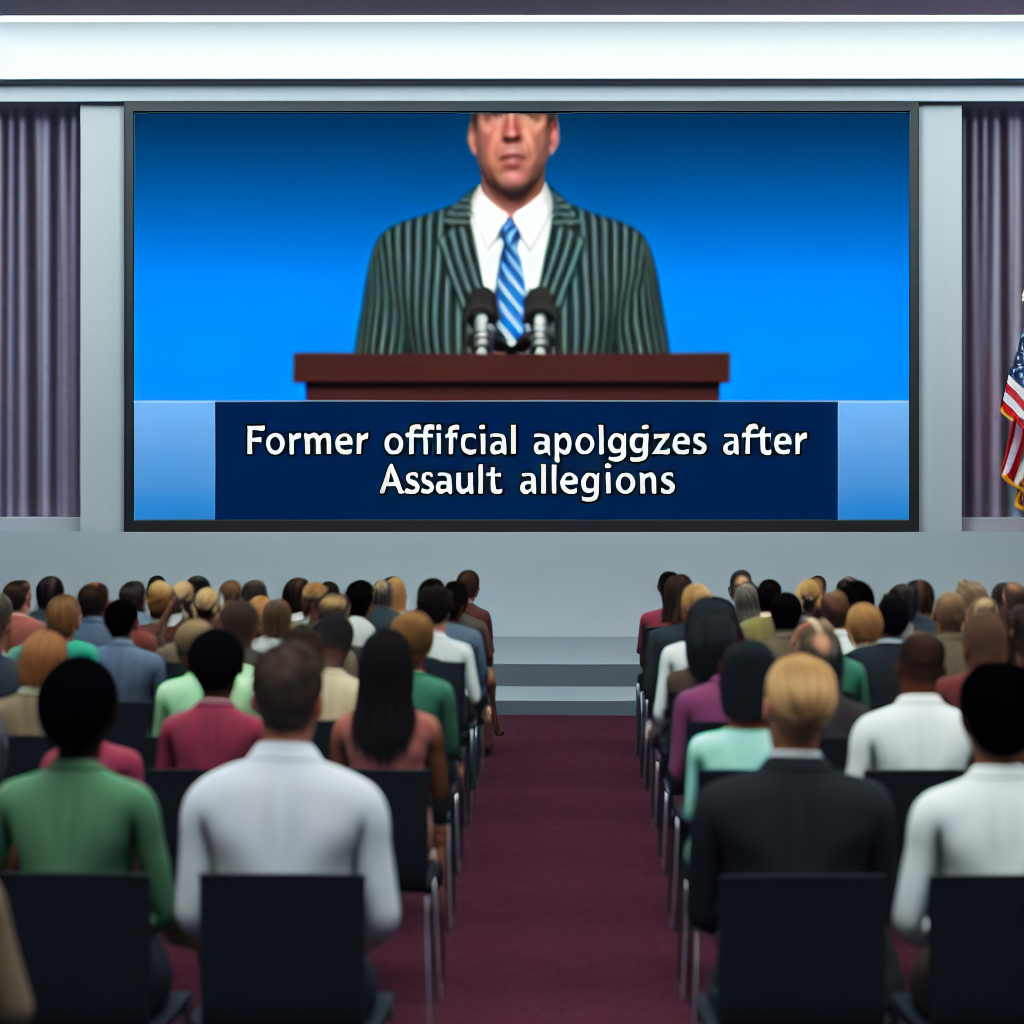
Former minister apologizes to MSPs after assault allegations against Douglas Ross.

Jamie Hepburn, formerly the minister for parliamentary business, has resigned from his position following an incident that has stirred up controversy. His departure came in light of claims made by fellow politician Ross, who alleged that Hepburn had aggressively grabbed him and used foul language during a recent confrontation.

This incident has sparked a renewed discussion about conduct within government, especially among younger voters who want to see accountability and respectful dialogue in political arenas. As the political landscape continues to evolve, such events raise questions about leadership and the standards we expect from our elected officials. With Hepburn’s resignation, the focus now shifts to how the government will address not only this issue but also the larger conversation regarding professionalism and decorum in politics.

Social Media Auto Publish Powered By : XYZScripts.com