Matox News

Truth Over Trends, always!

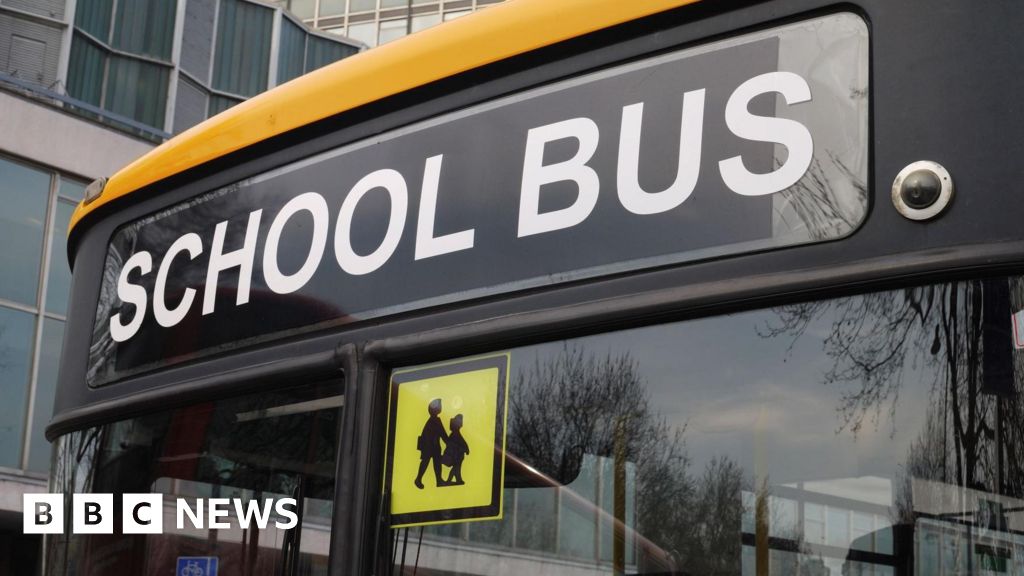
Transport staff assaulted by pupils: a concerning rise in school violence

Rising Social Frictions and the Complexities of Family and Community Relations

In recent weeks, a concerning incident has brought to light the persistent tensions that can simmer beneath the surface of our communities. A worker recounts being bitten three times by an eight-year-old boy, an act that has sparked a broader conversation about the challenges facing families, the role of social services, and community cohesion. The worker’s call for more support from the local council underscores an urgent need to address underlying issues in youth behavior, family stability, and social safety nets that influence community well-being.

This incident exemplifies how children’s behavior—particularly in environments where familial and social support structures may be strained—can directly impact the safety and harmony of neighborhoods. Sociologists like Robert Putnam have long argued that weakened social capital contributes to increased episodes of conflict within communities. The child’s act, potentially rooted in complex familial, social, or even mental health issues, highlights the ripple effects that inadequate community and family support systems can have on local safety. It also raises questions about the capacity of schools, social services, and local governance to prevent situations escalating to the point where physical harm occurs.

Families are the foundational unit of society, yet many are now under enormous pressure due to economic challenges, cultural shifts, and demographic transformations. Increased diversity and changing social norms can sometimes create misunderstandings or cultural conflicts that, if left unaddressed, may contribute to social unrest or juvenile conflicts. Historians emphasize that social cohesion is fragile, and when institutions fail to provide adequate guidance, support, and intervention, the repercussions often resonate through families and local communities. The call for stronger community support echoes these concerns, suggesting that bolstering social services, educational initiatives, and family assistance programs is essential for fostering a safer, more integrated society.

Ultimately, this episode serves as a stark reminder that social issues are deeply intertwined with everyday life. Each act of violence or discord not only affects the immediate individuals involved but also reverberates through communities, impacting families’ sense of security and trust. As social commentators like James Q. Wilson have observed, fostering a society where individuals feel empowered and supported can prevent many conflicts before they escalate. The call for increased support from local authorities represents a crucial step toward healing fractured social bonds, emphasizing that every child, family, and community member deserves a foundation of care and stability. As society confronts these challenges, we are called not only to address the symptoms but also to renew our commitment to nurturing resilient, compassionate communities where the hope of transformation persists even in the face of adversity.
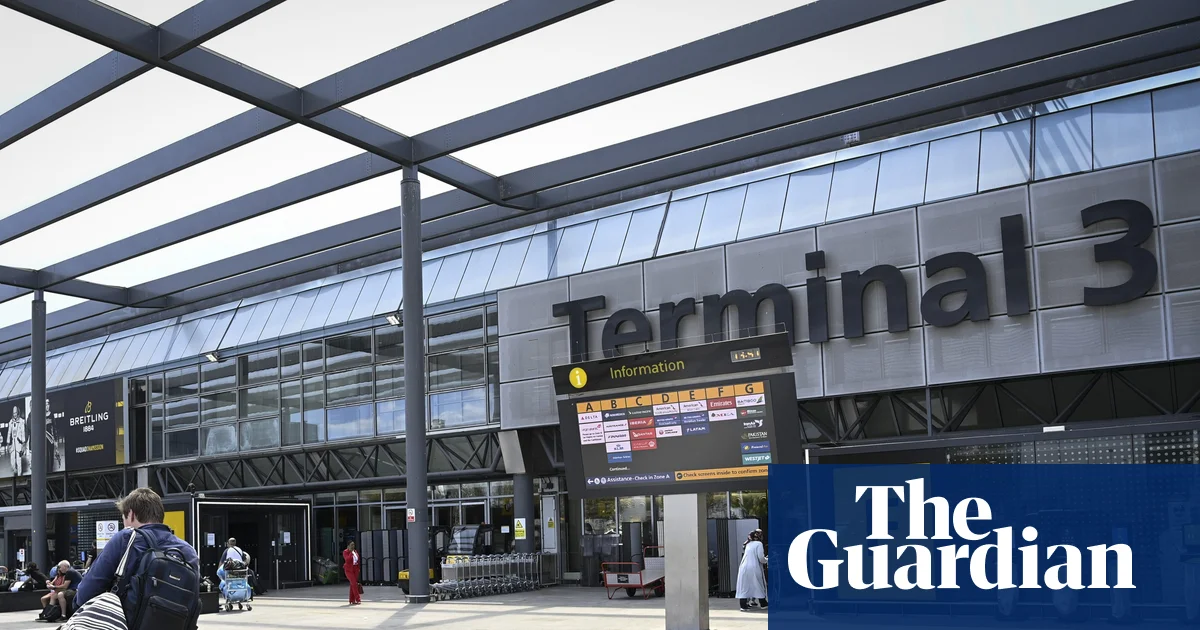
Man detained after Heathrow crowd reportedly assaulted with pepper spray, authorities say

In a stark reminder of growing security vulnerabilities within vital global hubs, Heathrow Airport experienced a disturbing incident this morning involving an assault with what authorities described as a weaponized spray, akin to pepper spray. The incident, which unfolded in the bustling terminal 3 car park, underscores broader concerns about public safety in one of the world’s busiest international gateways. Despite swift police response, the event raises questions about how such disruptions could escalate in an environment where security is paramount for both national sovereignty and economic vitality.

The Metropolitan Police reported that armed officers arrived at approximately 8:11 a.m., responding to multiple reports of assault. A group of men, believed to be known to each other, allegedly used a chemical spray on several victims before fleeing the scene. The immediate response led to the arrest of one individual on suspicion of assault, while authorities continue to pursue additional suspects. The incident’s details suggest an escalated argument, possibly reflecting underlying tensions that, if left unaddressed, could manifest in more severe forms of violence at international points of contact—areas where security is not just about prevention but about safeguarding sovereignty against asymmetric threats.

While the injuries were reportedly not life-threatening, the incident’s implications extend far beyond the individual victims. Security analysts warn that such attacks at major infrastructure sites are emblematic of evolving threats that challenge the posture of border and airport security. International organizations and national governments are increasingly attentive to these vulnerabilities, driven by the reality that in today’s interconnected world, even a small-scale attack can have disproportionate repercussions, shaking public confidence in international travel and economic stability. Moreover, as global tensions heighten, adversaries and terror groups may view crowded, high-profile sites like Heathrow as viable targets for disruptive action.

The incident has set off a wave of discussions among geopolitical experts regarding the importance of strengthening security protocols, especially in the face of *relative geopolitical shifts* that threaten global stability. U.S. and European nations continue to navigate a complex web of threats—ranging from terrorism to organized crime—requiring a concerted, international response. Analysts from organizations such as the International Security Council underscore the necessity for *innovative security measures* like integrated surveillance, intelligence-sharing, and targeted operations to preempt future incidents. It is a stark reminder that our interconnected world offers fewer safe spaces from those willing to exploit weaknesses for disruptive ends.

As history unfolds in the shadow of escalating global tensions, the Heathrow incident could be seen as a microcosm of the wider challenges nations face—balancing openness with resilience. Decisions made today on security posture, international cooperation, and societal cohesion will influence how societies withstand future upheavals. The weight of history persists, and with it comes the sobering realization that the landscape of security is ever-shifting, demanding vigilance and decisive action. In this delicate hour, where everyday safety hinges on choices made at the highest levels, the future remains an unwritten chapter—one that could either deepen divides or forge stronger resilience in the face of uncertainty.

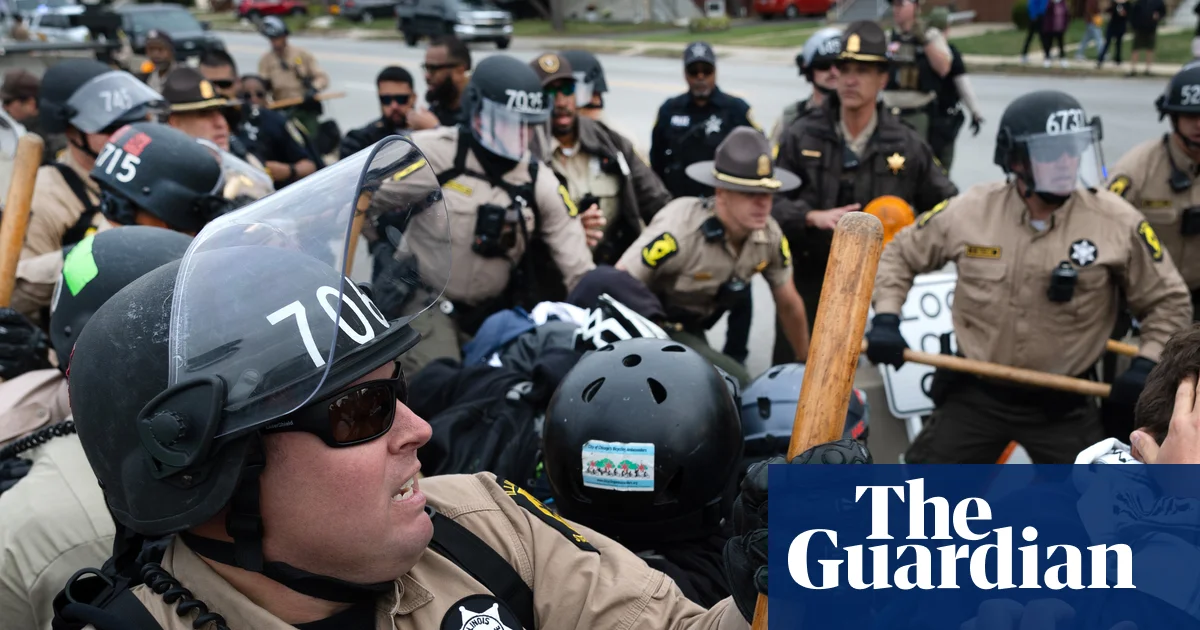
Chicago TV reporter assaulted and detained during ICE raid

Rising Tensions in Chicago: Immigration Enforcement and Civil Unrest

Recent incidents in Chicago have unleashed a wave of public outrage and international concern over the escalation of immigration enforcement tactics within the United States. The violent arrest of Debbie Brockman, an employee of WGN, captured on numerous videos, exemplifies the increasingly aggressive approach deployed by federal agents under the directives of the Biden administration and in coordination with U.S. Homeland Security. Detained amid protests in the city’s Lincoln Square neighborhood, Brockman’s arrest has ignited debates about civil liberties and the geopolitical implications of domestic law enforcement practices in an era of shifting immigration policies.

This incident, where bystanders recorded agents forcibly taking Brockman to a van amidst chants condemning their actions, underscores a broader tension over immigration enforcement—particularly the intensified efforts underway since former President Trump’s administration left a lasting impact on immigration policy. Analysts warn that such aggressive tactics risk fueling social divisions, both domestically and internationally. The operation’s perceived overreach has drawn sharp criticism from civil rights groups and local residents, who described it as “horrifying” and “frightening.” These events are symptomatic of a nation grappling with the consequences of politicized border policies—policies that increasingly resemble the hardline stance of Mexico’s neighbors to the south, or even border conflicts seen elsewhere in the world.

While officials from Homeland Security justify their actions by citing claims that Brockman and others posed threats—accusing her of assaulting officers—the broader geopolitical impact extends beyond mere allegations. The incident occurs amidst a climate of heightened tension over immigration, which oscillates between enforcement and accommodation. International observers, including HR organizations, warn that the unchecked use of force on American citizens jeopardizes the country’s reputation as a beacon of liberty and justice. The unusual timing, shortly after prosecutors dropped charges related to protests outside an immigration detention center, signals a possible shift toward more confrontational tactics reminiscent of authoritarian regimes.

  • The U.S. Federal Government intensifies immigration raids, prompting protests and legal challenges.
  • Local communities in Chicago and across the country express fears of civil liberties violations amid broader anti-immigration sentiment.
  • International institutions like Amnesty International and the United Nations observe and critique these developments, warning of potential human rights concerns.

As historians note, these domestic conflicts are not isolated—rather, they reflect a larger geopolitical realignment that will influence global perceptions of American resolve and values. The decision to prioritize harsh enforcement under the guise of national security reveals a nation at a crossroads, where internal social unrest and external diplomatic stability are intertwined. How the United States navigates this turbulent chapter will leave a lasting mark on the fabric of its democracy—either as a proud defender of freedom or a cautionary tale of descent into division and authoritarianism.

In this high-stakes game of geopolitics and internal sovereignty, history is watching. With each detention, protest, and legal challenge, the narrative of nationhood in the 21st century continues to be written—sometimes by the voices of the oppressed, sometimes by the relentless machinery of state power. The world now stands at the edge of a new chapter, where the choices made in Chicago and across the nation will resonate for generations to come, shaping the legacy of a society torn between security and liberty—and the inexorable march of history.

Social Media Auto Publish Powered By : XYZScripts.com