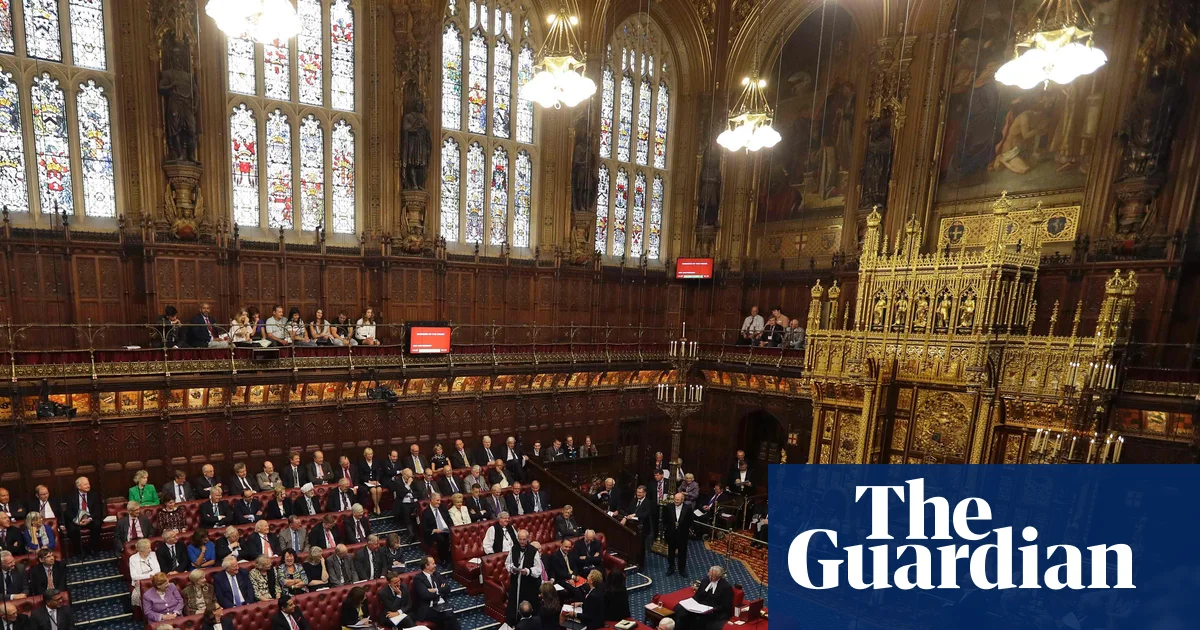

In contemporary society, the interplay between political institutions and social activism continues to shape the fabric of communities, especially as debates around private moral issues intensify. One such poignant debate surrounds the potential use of the Parliament Act to bypass the House of Lords in passing legislation on assisted dying. This scenario exemplifies a societal conflict: balancing democratic processes with the imperative for social reform, especially when communities feel marginalized by traditional institutions.
Throughout history, the Parliament Act of 1911 was a revolutionary tool that curtailed the veto power of the Lords, marking a critical shift toward parliamentary sovereignty. Originally introduced amid tensions over social justice and political accountability, its usage has remained rare, often reserved for contentious issues touching on individual rights. The recent push by supporters of assisted dying to invoke this Act demonstrates an evolving societal landscape where moral debates increasingly challenge entrenched legal and institutional barriers. Such efforts reveal how families and communities are deeply affected when the legislative machinery is utilized not just to implement policy but to reshape societal morals.
This political maneuvering exposes a critical tension: How do institutions adapt to shifting social values? Sociologists like Anthony Giddens warn that cultural shifts—such as increasing acceptance of assisted dying—must be matched with institutional flexibility. Yet, the demographic changes and moral reevaluations often collide with traditional hierarchies, fostering conflicts within society’s families and local communities. When debates around medical autonomy and personal dignity come to the forefront, they challenge society to reconceptualize what ethical leadership really entails, risking societal division if progress is blocked by outdated legislative entrenchments.
Moreover, the social issues at stake extend beyond policy discussions—they have profound consequences for education and community cohesion. As these debates unfold, youth and families are often caught in the crossfire, with disagreements over moral values impacting child-rearing, educational content, and community engagement. Historians like Eric Hobsbawm highlight that societal transformations—whether through legal reforms or cultural shifts—are processes that require inclusive dialogue and respect for diverse moral outlooks. Yet, the current political climate reveals a tendency toward cherry-picking reforms, sometimes bypassing meaningful consultation or democratic consensus, raising questions about public trust and legitimacy.
At this pivotal moment, society faces a stark choice: continue navigating the turbulent waters of moral progress through contested legislative battles or seek unified pathways of social reconciliation. As communities grapple with the moral terrain of assisted dying, one hopes that the greatest legacy we leave future generations is not the victory of one political faction but the societal willingness to embrace ethical pluralism and compassionate dialogue. Only then can society evolve beyond its divisions, transforming its collective moral landscape into a realm where justice is truly grounded in respect for human dignity—an enduring testament to our capacity for moral growth amidst social upheaval.