Matox News

Truth Over Trends, always!

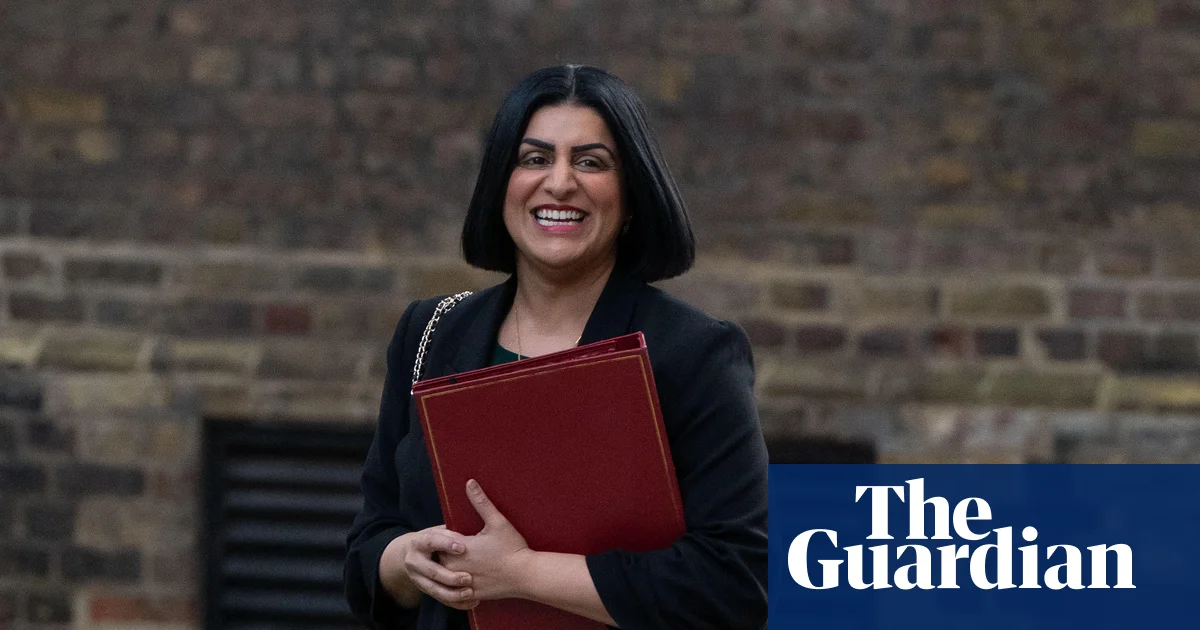
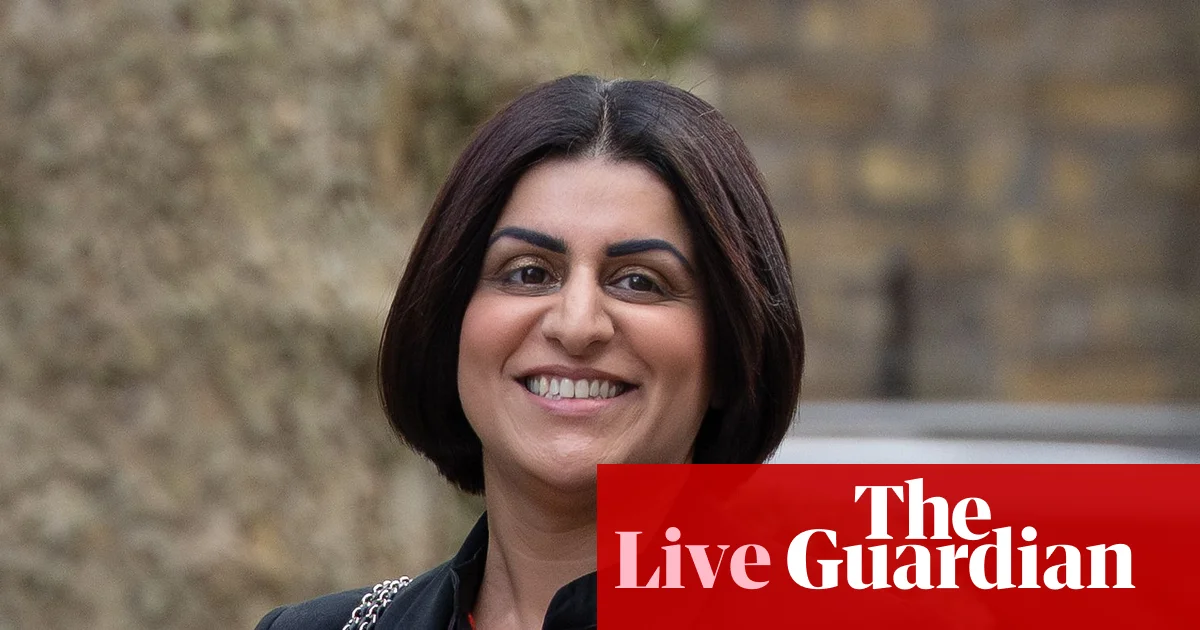
Shabana Mahmood pledges tough but fair asylum plan, opening door for some claimants to work—UK politics in motion

As 2026 unfolds on the international stage, a series of decisive decisions by major powers underscore a turning point in global geopolitics. Britain’s recent stance on military involvement in Iran, coupled with internal political turbulence, signals a shift towards assertive sovereignty and strategic autonomy. In the UK, internal debates over foreign military collaboration reveal the enduring tension between diplomatic independence and alliance commitments. Reports indicate that cabinet ministers, led by energy secretary Ed Miliband, blocked Prime Minister Keir Starmer from permitting the US to use British bases for strikes against Iran. This move, grounded in international law, reflects a cautious yet resilient approach, emphasizing the importance of adhering to legal frameworks even amidst pressure from the United States.

The refusal to facilitate US military operations from British soil is emblematic of a broader global trend—nations reassessing their roles in the new era of warfare. Analysts from the International Crisis Group argue that this stance not only preserves Britain’s legal integrity but also reinforces a narrative of strategic independence. However, it also entails risks; the UK’s firm stance risks alienating allies in the Middle East, who perceive perceived abandonment and vulnerability. Meanwhile, the US, eager to maintain regional dominance, has reportedly bypassed formal channels, working directly with military authorities to plan offensive actions, illustrating a shift toward unilateral decision-making by superpowers—this in turn complicates the international legal landscape.

In the Middle Eastern theater, tensions escalate as UK officials, along with their US counterparts, grapple with provocative drone attacks in Cyprus and the Levant. UK defense secretary John Healey’s diplomatic efforts in Cyprus highlight the seriousness of the threat posed by pro-Iranian militias, believed responsible for recent strikes on RAF bases. These attacks reveal how regional conflicts are becoming layered with international strategic interests, risking a broader conflagration. Furthermore, the Iranian retaliatory bombardment, following US and Israeli strikes, signals an ominous descent into a cycle of escalation, which analysts warn could spiral beyond control—an outcome that might well redefine regional power balances.

Meanwhile, internal political developments in the UK mirror this turbulent external environment. Home Secretary Shabana Mahmood announces measures to reform the domestic asylum system, with the potential to integrate thousands of asylum seekers into the workforce. Yet, critics—such as the Refugee Council—warn that such measures risk increasing homelessness and social unrest, reflecting internal divisions akin to those seen globally. This internal strife underscores a fundamental question: how societies balance national security, social stability, and humanitarian obligations in an era of heightened geopolitical tension?

As history continues to unfold in the shadows of these decisions, it becomes clear that the choices made today will ripple through decades. In a world where alliances are tested and sovereignty is asserted anew, the true impact extends far beyond borders. It is a relentless reminder that, in the crucible of history, nations are forging new identities—sometimes at odds, sometimes in reluctant unity—yet always bearing the weight of their collective destiny. The next chapters remain unwritten, but their ink will be scribed by the decisions that, right now, echo across the corridors of power and the collective consciousness of nations.
Minister Warns of Rising Student Asylum Claims Amid Visa ‘Abuse’ Concerns

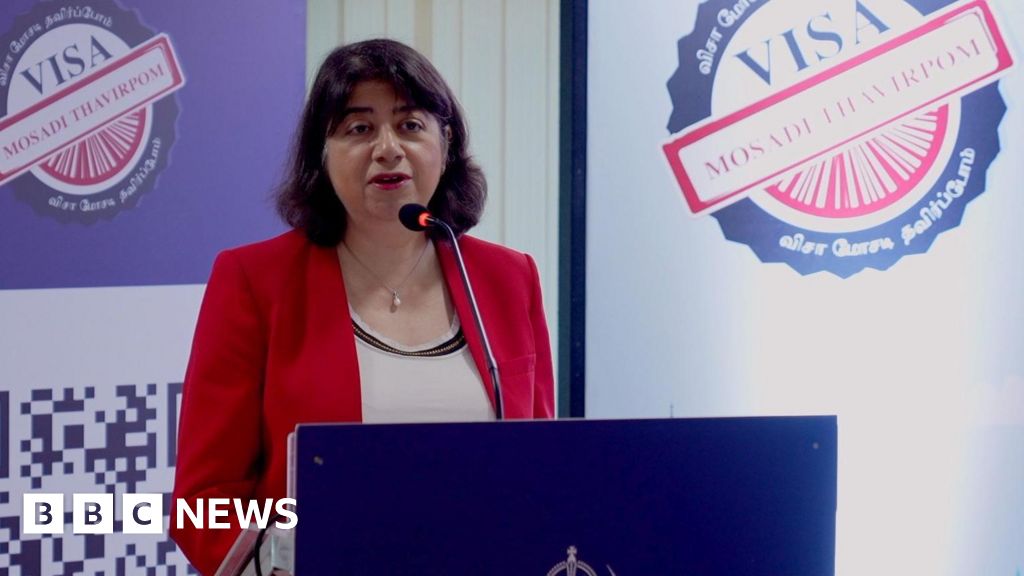
The United Kingdom is currently navigating a pivotal turn in its immigration and trade policies—an effort that reveals much about its strategic priorities within the Indo-Pacific and its relationship with India. UK’s Indo-Pacific Minister Seema Malhotra recently defended sweeping immigration reforms during a diplomatic visit to India, asserting that they are “in line with what countries around the world do” to curb system abuse. Yet beneath this rhetoric lies a complex web of geopolitical signals and domestic challenges that could reshape not only Britain’s immigration landscape but also its broader positioning on the global stage. The reforms, which could delay permanent settlement for migrants up to 20 years and extend eligibility for indefinite leave to remain from five to ten, target an estimated 2.6 million arrivals since 2021, reflecting a stark shift towards greater national control amid increasing pressure from both political factions and public opinion.

While Malhotra insists these policies aim to promote fairness and order, critics—ranging from Labour MPs to international analysts—highlight the potential fallout. The UK, long distinguished for its openness to international students and skilled migrants, now faces a decline in Indian student arrivals—off by 11% from last year—fueling anxiety among universities and economic stakeholders. India, historically the UK’s leading source of foreign students accounting for 25% of arrivals, is witnessing a cooling demand as higher visa restrictions are implemented. This is not merely an educational issue; it signals a shifting geopolitical dynamic. India’s significant role as a crucial nation of origin for migrant workers and professionals makes the restrictions a point of tension, especially as UK-India relations evolve through recent free trade agreement (FTA) negotiations—including the opening of UK university campuses in Bengaluru. London’s push to deepen economic ties while tightening migration controls underscores a broader phenomenon: a cautious balancing act between fostering international cooperation and safeguarding domestic political stability.

Analysts warn that these inward-looking policies could have far-reaching consequences that extend beyond the UK’s borders. Historians and policy experts observe that such shifts respond not only to immediate political pressures but also to an international climate where migration becomes a pawn in larger competitions for regional influence. Sir Keir Starmer’s recent pledge to retain strict visa rules for Indians, despite trade ambitions, exemplifies the tension between economic cooperation and political sovereignty. Meanwhile, the UK’s move toward a “contribution-based” immigration system—favoring economic merit over temporal residence—may redefine what it means to be a migrant in Britain. The implications for nations like India are immense: as a significant source of skilled labor, especially in healthcare, the potential exodus of nurses and care workers could weaken the very sectors critical for societal stability, with many falling prey to visa scams and financial ruin. Such internal fissures threaten to undermine the societal fabric the UK seeks to protect, revealing an inherent dilemma where global ambition clashes with domestic reality.

In the unfolding saga of Britain’s future direction, each policy shift echoes as a chapter in the larger narrative of a nation wrestling with identity, influence, and survival. The geopolitical impact is unmistakable: Britain’s effort to tighten borders and prioritize economic contributions signals a defiance of the permissive migration policies characteristic of its past. As the world watches, the decisions taken now are not just about border controls—they are about who Britain is and what it aspires to be in a rapidly shifting international landscape. The weight of history hangs heavy, as the UK’s leadership steers through storms of domestic discontent and global rivalry—constructing a future where sovereignty and prosperity hinge on choices that will resonate for generations to come. The unfolding story remains one of resilience, risk, and the enduring quest for national place amid the tumult of today’s interconnected world.

Over 2,000 trafficked kids and unaccompanied teen asylum seekers disappear from UK council care—urgent action needed

UK Child Trafficking and Missing Unaccompanied Minors: A Shadow Crisis Unfolds

Britain’s social welfare system faces a grim reality as a recent report exposes alarming shortcomings in safeguarding trafficked children and unaccompanied minors seeking asylum. The investigation, titled Until Harm Ends, compiled through Freedom of Information requests across England, Wales, Scotland, and Northern Ireland, reveals a disturbing trend: hundreds of vulnerable children vanish from care settings, with little accountability or central oversight.

The data paints a troubling portrait of institutional failure. Out of 2,335 children identified as trafficked or suspected trafficked, a staggering 37%—or 864 children—were reported missing. Among nearly 12,000 unaccompanied child asylum seekers in care, 13%—or 1,501 children—disappeared while under local authority supervision. Such figures underscore an urgent warning about the vulnerability of these youths, many of whom are at high risk of re-trafficking and exploitation due to insecure immigration statuses and systemic neglect.

International and domestic analysts are sounding the alarm. Organizations like ECPAT UK and Missing People emphasize that repeated failures in safeguarding efforts are part of a broader paradigm where legislation and policy often fall short of humanitarian needs. Patricia Durr, ECPAT UK’s chief executive, explicitly criticizes the current system, citing a systemic pattern of neglect and societal division. She states, “This report highlights the risk trafficked and unaccompanied children face. It remains challenging to understand why these children continue to be failed. They are consistently let down by the systems meant to support them…

Policy Failures and Their Geopolitical Impact

The report also highlights how policy decisions—particularly regarding housing and care—compound the crisis. Although since September 2021, local authorities have been mandated to place children under 16 in settings that provide proper care, the situation for 16- and 17-year-olds remains dire. Many are housed in “supported accommodation”, settings that often lack the structure necessary to prevent exploitation. This discrepancy exposes a looming gap in youth protection, further fueling concerns over how migration and asylum policies intersect with child welfare.

From a geopolitical perspective, this crisis feeds into broader debates over national sovereignty, border control, and immigration policy. Critics argue that a lax approach to vulnerable migration flows facilitates traffickers’ operations, which exploit the ambiguities between legal protections and border management. The situation is also symptomatic of a wider European trend—where the political rhetoric surrounding immigration has often been exploited to justify austerity and security measures that neglect the most vulnerable.

Both domestic and international commentators, including analysts from Amnesty International and The United Nations, warn that neglecting these societal needs risks fostering unrest and external criticism. The failure to adequately protect trafficked children tarnishes Britain’s reputation and Challenges national standing as a bastion of human rights. Moreover, this issue’s complexity underscores a stark reality: policies crafted in the name of sovereignty and security sometimes undermine the moral fabric of societies, exposing their failure to protect the weakest among us.

The Battle for Systemic Reform and the Weight of History

The government’s response emphasizes reforms, such as the upcoming overhaul of children’s social care via the children’s wellbeing and schools bill. Yet, critics argue that policy declarations alone cannot undo systemic fractures without real accountability. The call to action is clear: authorities must prioritize safeguarding infrastructure, ensure transparency, and actively combat re-trafficking. Without such measures, the cycle of neglect risks perpetuating.

As the nation grapples with this shadow crisis, the story remains unfinished. The figures speak volumes, but behind them lie countless stories of innocence lost and futures shattered. Historians and policymakers alike warn that history will remember whether Britain’s leadership chose justice or complacency in the face of such vulnerability. The coming days will decide if the ongoing narrative of neglect turns into a story of renewal, or if the weight of responsibility remains a heavy burden on conscience—an enduring legacy etched into the fabric of history’s unfolding.

Andy Burnham Urges Labour to Drop Restrictive Asylum Rules — UK Politics Live

The UK’s Political and Immigration Innovations Signal a Shift in Global Power Dynamics

In an era characterized by relentless geopolitical transformation, the United Kingdom stands at a critical crossroads. Recent decisions emanating from Westminster exemplify a broader trend among Western nations striving to redefine their social fabric and geopolitical influence. The UK’s immigration policy reforms, coupled with efforts to reshape its political landscape, underscore a strategic repositioning—aimed at bolstering national sovereignty and economic resilience amid the evolving international order.

Central to these developments is Home Secretary Shabana Mahmood’s announcement of dramatic changes in migration rules. These measures, set to double the waiting period for indefinite leave to remain from five to ten years, and enforce stricter language and criminal record requirements, signal the government’s intent to prioritize control over sovereignty and social stability. Analysts like Dr. James Tennant, a geopolitical strategist, argue that such policies are designed to reinforce national borders against the destabilizing influxes that characterize unchecked migration flows. In essence, these reforms are not merely domestic adjustments but a calculated move to assert post-Brexit independence, signaling to global actors that the UK will prioritize sovereignty over open borders.

Yet, this shift is not happening in isolation. Andy Burnham, the mayor of Greater Manchester, reflected widespread sentiment among pragmatic leaders who see the long-term implications. Burnham, a prominent figure vying for Labour leadership, explicitly voiced concern over the proposed 20-year waiting period for settlement—highlighting how prolonged limbo could hinder national integration efforts and strain public resources. His stance exemplifies the mounting tension between those advocating for controlled immigration and those emphasizing social cohesion and economic stability. The ongoing debate vividly illustrates how internal policies are grappling with the geopolitical need to project strength while maintaining societal resilience.

Furthermore, the broader international context amplifies the significance of these shifts. Many analysts, including members of the International Institute for Strategic Studies (IISS), interpret these measures as part of a strategic calculus—aimed not only at bolstering domestic security but also at asserting the UK’s post-pandemic global stance. This recalibrated approach suggests a move away from the legacy of open-door policies, favoring instead a model aligned with traditional nationalist principles. Historically, nations that have prioritized sovereignty and robust border controls have often repositioned themselves to wield greater influence in global affairs. The UK’s renewed focus on internal control reflects a desire to reassert its influence in an increasingly multipolar world—balancing relationships with peer powers and regional allies.

As history continues to unfold, these decisions evoke echoes of earlier moments—when nations chose sovereignty over globalization. From the unrest of post-war Europe to the rise of nationalist movements, the trajectory of nations often hinges on their leadership’s willingness to assert control amidst international chaos. Historians warn that such policies, if poorly managed, could deepen societal divisions or provoke retaliatory measures from trading partners. Nonetheless, the current course signals that **the UK is eager to carve an independent path**, shaping a future where its influence is defined less by its proximity to Bruxelles and more by its strategic national interests.

The stakes are monumental. As Britain crafts its new identity—leaning into strength, sovereignty, and renewed national pride—the world watches with bated breath. The decisions taken today are not isolated; they are the threads woven into the fabric of history, setting a precedent for how nations respond to a shifting global landscape. In the shadows of these policies lies the promise—and peril—of a future shaped by bold choices. History’s pen continues to write, and the pages ahead will reveal whether Britain’s gamble will forge resilience or deepen its divisions. Either way, the unfolding story will mark a defining epoch in international history.

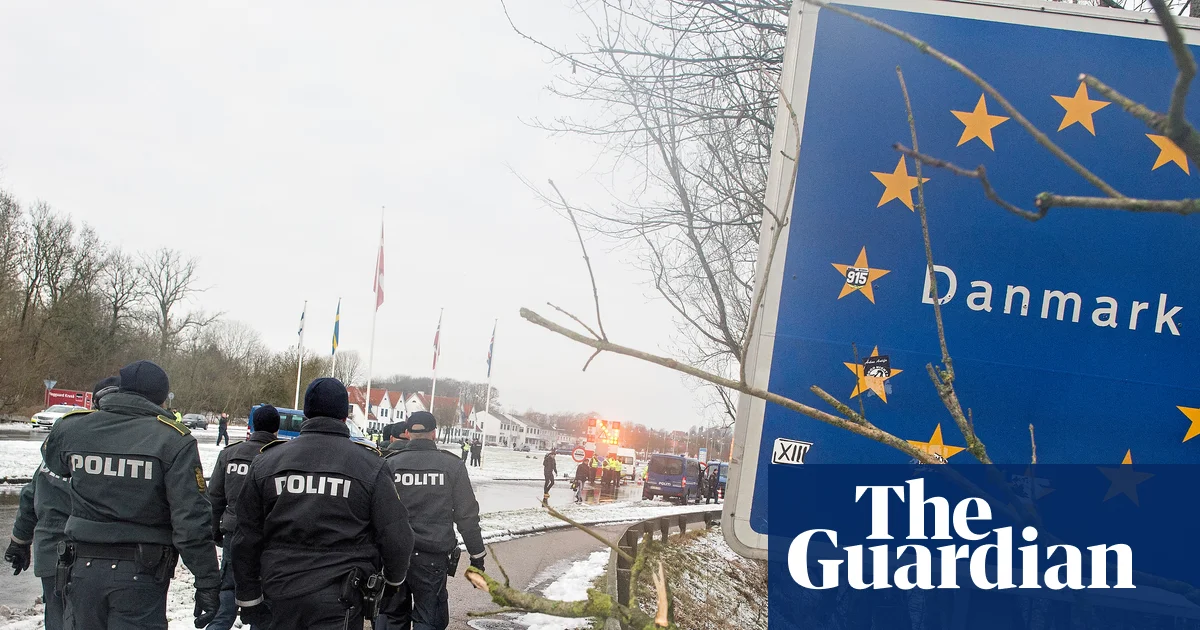
UK Eyes Denmark’s Strict Asylum Approach—But What’s the Reality? | Migration

Over the past decade, Denmark has dramatically reshaped its approach to immigration and refugee policies, employing measures that reflect a broader trend amongst Western nations to prioritize national sovereignty and social cohesion over international humanitarian commitments. This shift, notably characterized by the replacement of permanent refugee status with highly restrictive, temporary permits, signals a deliberate effort by Danish policymakers to deter future asylum seekers. Since reforms enacted around 2015, accommodating the influx from conflict zones such as Syria, Afghanistan, and Iraq, Danish authorities have concentrated on deterrence, emphasizing language fluency, employment, and the unstable nature of residence as keystones of integration. Despite international criticism from organizations like the UN, these policies have clearly achieved their intended effect: a stark decline in asylum applications, from nearly 15,000 in 2014 to just over 2,300 in 2024. How long can a nation sustain such policies before societal cohesion suffers?

In the realm of geopolitical impact, Denmark’s example has reverberated beyond its borders. Following its lead, Britain’s recent efforts to emulate Danish measures show a growing trend among political elites to tighten borders and reduce refugee arrivals, aiming to curb what they perceive as burdens on national identity and social security. Such policies, often justified as pragmatic responses to immigration’s perceived threats, are under increasing scrutiny from international organizations and human rights advocates. Critics argue that the “deterrence-only” approach undermines global humanitarian norms and risks fostering extremism, especially when integration becomes a near impossibility under the current framework. Another layer of tension lies in how these policies reflect and influence internal political dynamics, where populist right-wing parties gain ground by advocating for “remigration” and the mass expulsion of immigrants, further polarizing societies already wrestling with identity and security concerns.

The impact on society and international relations extends beyond mere statistics. As noted by historians and analysts such as Dr. Lars Jensen, a geopolitical expert, Denmark’s policies represent an ideological shift: it’s less about humanitarianism and more about national self-preservation. Denmark’s “paradigm shift” under Prime Minister Mette Frederiksen, emphasizing repatriation and social segmentation, exemplifies a broader move within Europe toward populist political strategies. Internationally, this raises critical questions about the future of humane refugee protocols, especially as the continent faces demographic challenges—such as declining birthrates and an aging population—which threaten the very economies that are now tightening borders. Will the pursuit of short-term political gains compromise the long-term stability and moral fabric of Western societies? This dilemma frames a pivotal chapter in the ongoing contest between liberal values and nationalist sovereignty.

As history turns its uncertain pages, the story of Denmark’s policies underscores a sobering truth: the choices made today shape the societal and geopolitical landscape of tomorrow. While governments may believe they are protecting their nations’ future, their decisions carry the weight of a global narrative that is still being written—one in which the ideals of compassion, inclusion, and international cooperation are tested against the imperatives of national security and cultural identity. The world watches as these policies unfold, aware that the outcome will influence the fate of millions of lives and rewrite the boundaries of human solidarity. In this relentless march of history, the question remains: can a nation’s resolve to safeguard itself coexist with the moral obligation to uphold human dignity, or are we witnessing the birth of a new, fractured global order?

UK Eyeing Danish-Style Immigration System to Tackle Asylum Crisis

UK Eyes Denmark’s Stringent Immigration Model Amid Growing International Tensions

In a move set to reshape the United Kingdom’s approach to immigration, Home Secretary Shabana Mahmood is poised to introduce reforms modeled heavily on Denmark’s controversial policies, which are among the most restrictive in Europe. These proposed measures, understood to be announced later this month, signal a shift toward a tougher stance on refugee arrivals, family reunifications, and border control — policies that have already ignited fierce debate across the continent. Last month, UK officials traveled to Denmark to scrutinize its border policies and asylum restrictions, signaling a strategic shift in the UK’s immigration philosophy amid ongoing political pressures and a rising tide of populist sentiment.

The Danish model has gained notoriety for its uncompromising stance on immigration, with policies that include stringent family reunion rules and the designation of “parallel societies,” where residents from non-Western backgrounds face restrictions on family reunification. In 2022, Denmark rejected residency renewal for over 1,200 Syrian refugees’ in Damascus, considering the region safe enough for return— a move sharply opposed by international bodies like the UN and EU. Critics have labeled these policies as dangerously xenophobic, a charge levelled both domestically and abroad. Nonetheless, Denmark persists, arguing that these measures are essential safeguards for social cohesion and national security. By adopting similar policies, the UK risks aligning itself with this hardline approach, prompting concerns about the geopolitical impact of such a shift on Britain’s international reputation and its relations with neighboring European nations.

Analysts warn that adopting Denmark’s stricter policies could deepen the divide between Western nations and migrant communities, leading to increased social polarization and undermining the UK’s commitments to human rights. Historians like Eric Hobsbawm and modern think tanks warn that such policies may foster “parallel societies,” which could become breeding grounds for radicalization and discord. Meanwhile, some Labour MPs have expressed stark opposition. Clive Lewis criticized the government’s strategy, warning that moving toward a “hardcore approach” akin to Denmark’s could alienate progressive voters and turn Britain into an increasingly divided nation. Other members, including Nadia Whittome, described aspects of the Danish model—particularly concerning “parallel societies”—as inherently racist and dangerous, revealing growing ideological rifts within the political landscape.

More broadly, the move reflects a rising global trend toward stricter border controls and restrictive asylum policies, often at odds with international humanitarian commitments. The European Commission and human rights organizations condemn Denmark’s laws as harmful to migrant rights and social integration. Yet, the political momentum in the UK suggests a desire to outflank Eurosceptic and populist factions like Reform UK. This strategic maneuver raises questions about whether the UK is sacrificing its moral authority and historical commitments to asylum and refugee protections to appease domestic fears and xenophobic sentiments. As Britain recalibrates its immigration policies, it faces inevitably serious consequences—both for its social fabric and its standing on the world stage.

Ultimately, the decisions made today will echo through the corridors of history. As the UK pushes toward a more guarded, exclusionary stance inspired by Denmark, the global community watches, wary of a future where the lines between national interest and human rights blur dangerously. In this unfolding chapter of international politics, the stakes are higher than ever—where the choices of leaders may decide not just the future of migration, but the very soul of nations striving to define their identities amidst the chaos of a changing world.

Urgent Audit Called for Asylum Seeker Taxi Expenses

Asylum seekers are covering significant distances to attend required appointments, raising concerns about the efficiency of the current system. One individual disclosed to the BBC that their trip to see a GP cost the Home Office a staggering £600, highlighting both the financial burden and the logistical challenges faced by those seeking refuge. This situation begs the question—can we improve the process to ensure that individuals in genuine need aren’t hindered by unnecessary travel costs and complexities?

The expenses involved in these long journeys not only strain public resources but also put undue pressure on asylum seekers, often leaving them vulnerable and anxious. As a society, we must consider how to streamline these appointments to better serve those who rely on our support while also safeguarding taxpayer money. Addressing these inefficiencies is crucial if we want to create a more functional, compassionate approach to asylum and immigration.

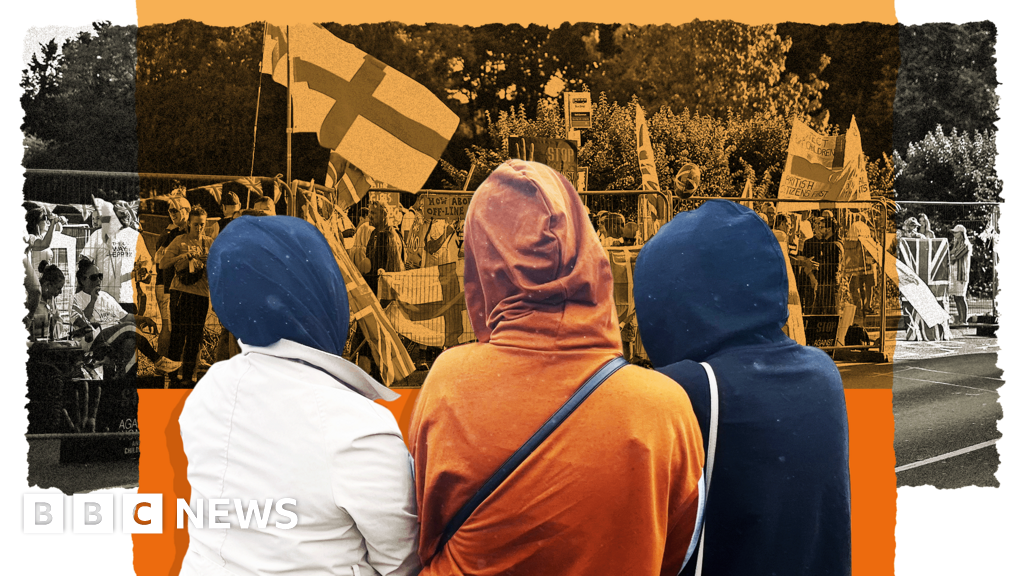
BBC Explores Asylum Hotels: Illicit Work and Taxi Services Uncovered

Recent reports have shed light on the day-to-day experiences of asylum seekers and hotel staff across four different hotels. While the refugee crisis continues to prompt significant debate on social and economic grounds, these firsthand accounts provide a unique lens through which we can understand the human side of this complex issue.

At these hotels, life is a mix of challenges and support systems. Asylum seekers describe their journey as one filled with uncertainty, yet they have found a degree of comfort in the temporary shelter provided. Hotel staff, on the other hand, emphasize the complexity of balancing hospitality with the realities of managing diverse needs. From navigating language barriers to catering to special dietary requirements, the interactions between guests and staff illustrate the necessity for both compassion and practicality in these settings.

It’s crucial to recognize that this situation reflects broader national discussions about immigration policy and its implications for local communities. Many young people are concerned about the impact of such policies on job opportunities and public resources. Therefore, these accounts from the ground level serve as a reminder of the urgent need for balanced solutions that prioritize both humanitarian considerations and the well-being of local residents.

As the conversation surrounding asylum seekers evolves, it is essential for the younger generation to engage thoughtfully. Understanding the complexities of the crisis, including both the struggles faced by asylum seekers and the challenges encountered by those providing support, is vital for creating informed and constructive dialogue. By fostering awareness, we empower ourselves to advocate for solutions that respect human dignity while also safeguarding the interests of our communities.

Social Media Auto Publish Powered By : XYZScripts.com