Matox News

Truth Over Trends, always!

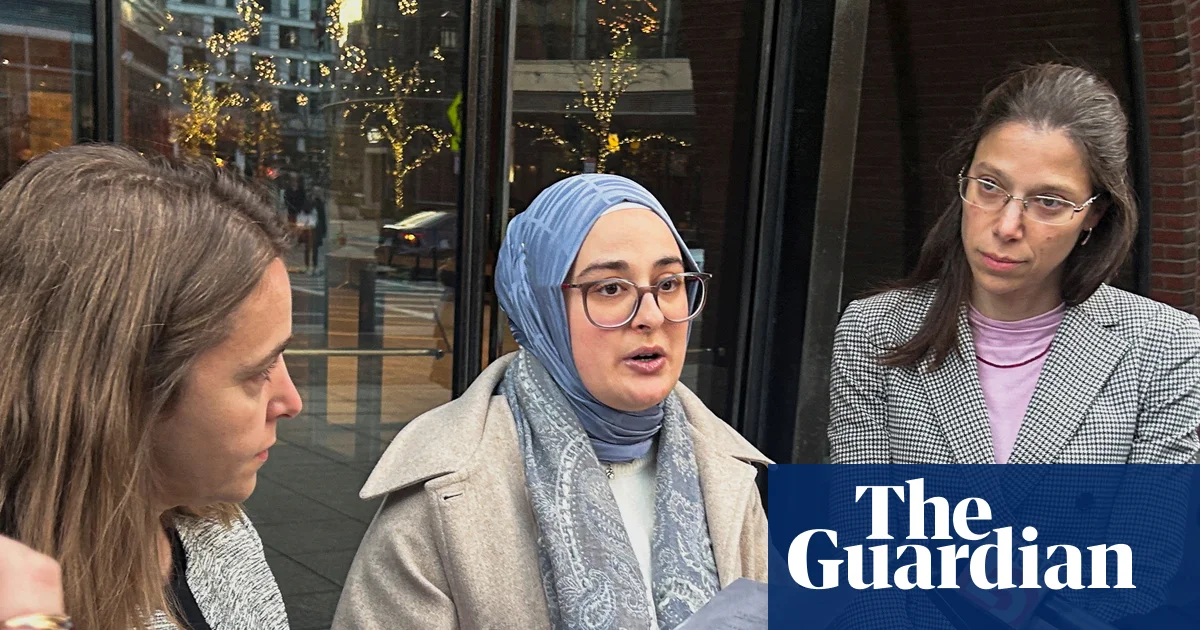
Judge blocks Trump’s attempt to deport pro-Palestinian Tufts student

US Immigration Policies Meet International Free Speech Debates: A Turning Point in Global Power Dynamics

In a landmark case that resonates beyond the borders of the United States, the recent decision by an immigration judge to reject the Trump administration’s efforts to deport Rümeysa Öztürk, a Turkish PhD student, underscores the ongoing ideological battles shaping international discourse and domestic policy. Her arrest last year, rooted solely in her co-authorship of an editorial criticizing Israel’s actions in Gaza, epitomizes the growing concern over state suppression of free speech and the politicization of immigration law. Analysts warn that such cases serve as microcosms of broader, geopolitical shifts concerning sovereignty and civil liberties, reflecting a tension between authoritarian tendencies and Western democratic ideals.

The decision handed down in Boston by immigration judge Roopal Patel, which effectively halts Öztürk’s deportation, signals a potential rebalancing in U.S. immigration policy amid intense scrutiny from civil rights organizations. Öztürk’s lawyers described her case as emblematic of what many see as a politically motivated crackdown on pro-Palestinian voices on American campuses. Although the DHS’s attempt to revoke her student visa was based solely on her political expression—a move critics equate with gatekeeping academic freedom—the judge’s ruling emphasizes that the justice system can still serve as a safeguard for individual rights. This case is viewed as an implicit challenge to rising authoritarianism in the U.S., where critics argue that security concerns increasingly serve as a pretext for silencing dissent and marginalizing minority voices.

International organizations and historians argue that this incident exemplifies a broader geopolitical reckoning. The global community, particularly those nations with a history of state-controlled narratives and repression of activism, observe with concern how democracies respond to internal dissent under the guise of national security. The case underscores the power struggle between sovereign nations and international norms regarding human rights and free speech—a debate amplified across Europe and Asia as governments seek to tighten control amid mounting geopolitical tensions. The controversy also draws attention to the United States’ dual role as a champion of global democracy and as a nation grappling with its democratic foundations.

As nations worldwide watch with keen interest, some see this case as a turning point—a moment where the balance of power shifts, highlighting the necessity for a united response to defend civil liberties. The outcome could set a precedent influencing how other democracies handle internal activism and free speech in an era of increasing international instability. With the establishment possibly contemplating further restrictions, the question looms: how will the global order uphold the principles of justice and freedom in the face of rising authoritarianism? The answers remain unwritten, but the pages of this unfolding chapter are being turned at a historic pace—and the weight of history now hangs heavily over the fate of those who dare to speak out against the status quo.
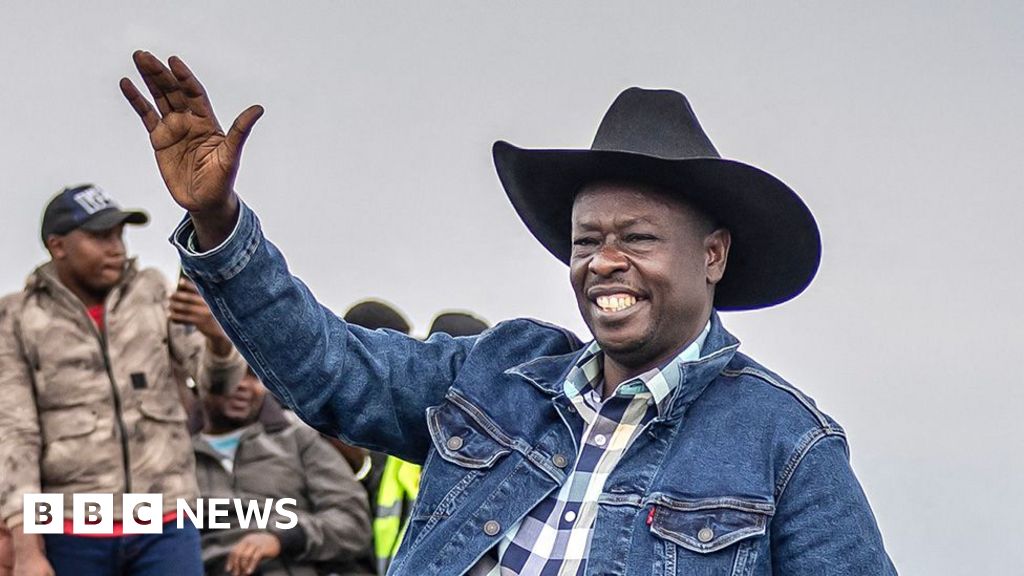
Kenya’s ex-deputy Gachagua accuses attackers of church assassination attempt

The recent chaos in Kenya has sent shockwaves through the international community, revealing the fragile balance of power and the dangerous depths of political division within East Africa’s economic hub. On a tense Sunday in the central county of Nyeri, opposition figure Rigathi Gachagua, a prominent voice critic of the current administration, alleged an attempt was made on his life during a church service. According to Gachagua, rogue police officers attacked his congregation using bullets and tear gas, exemplifying the escalating violence and instability that threaten not only the nation’s security but also its democratic processes. The unfolding drama underscores the troubling trend of political violence in Kenya, especially amid mounting tensions as powerful figures vie for control amidst justice and constitutional constraints.

Gachagua’s accusations, though lacking concrete evidence, have ignited regional and international debates over Kenya’s internal stability. He implicated President William Ruto and questioned whether political factions are deploying security forces against opponents—an assertion fueling fears of political repression and uncontrolled violence. While the police have launched an investigation and reported no injuries, the incident’s symbolism remains sharp. It reveals how political rivalry has become intertwined with societal divisions, with tensions over Gachagua’s recent conviction by the Kenyan senate—an act that bars him from holding public office—increasing strains within a nation still grappling with issues of ethnic division and governance. International observers, including the African Union and Global Human Rights organizations, warn that unchecked violence could undermine Kenya’s progress and stability.

This incident occurs against a backdrop of shifting alliances and constitutional crises in Kenya’s complex political landscape. Gachagua, a wealthy businessman from Mount Kenya and the deputy president before his impeachment, has become a symbol of regional loyalties and anti-establishment sentiments. Despite his conviction on charges including inciting ethnic divisions, he remains a formidable challenger, asserting plans to participate in the upcoming presidential election through an appeal process. His role exemplifies how political figures often challenge constitutional constraints, risking further destabilization. According to prominent analysts, such as regional political commentators and former diplomats, the struggle for influence in Kenya’s volatile yet strategic landscape reflects broader regional power struggles and the fragile state of democratic institutions.

The geopolitical impact of this crisis reaches beyond national borders. Kenya’s stability is pivotal for regional trade, diplomatic relations, and security cooperation, especially with neighboring Ethiopia and Somalia. As analysts warn of the potential for internal unrest to spill over into neighboring countries and disrupt vital economic corridors, the international community remains watchful. The current upheaval also highlights a warning sign—how media, political rhetoric, and unchecked violence may erode democratic norms. Some foreign governments and organizations urge Kenya to safeguard the rule of law and uphold constitutional processes, though critics argue these calls overlook Kenya’s long history of political resilience amid turbulent times. Still, the specter of an emboldened opposition and fractured society underscores how decisions made today will shape the future of East Africa’s most influential nation.

As Kenya’s story unfolds with each legal battle, political confrontation, and societal clash, history’s weight presses heavily on shoulders of leaders and citizens alike. The nation stands at a crossroads—its path determined by a volatile mix of justice, ethnic identity, and power politics—bearing the mark of a collective destiny that remains fluid and unresolved. The world watches as Kenya confronts internal demons, with the outcome poised to echo through generations, a vivid reminder that the currents of history are forever shifting, and the future remains unwritten—yet deeply consequential.

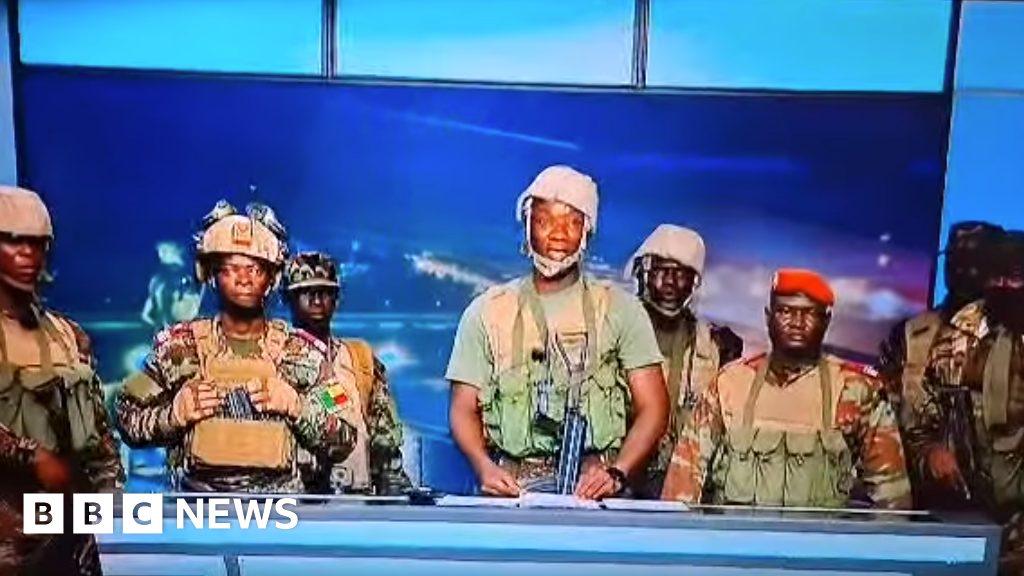
Benin coup attempt against President Talon stopped by loyal troops, says minister

Emerging Turmoil in Benin: A Mayhem for Stability in West Africa

The recent attempt to overthrow the democratically elected government in Benin has sent shockwaves throughout the continent, highlighting the fragile state of stability in West Africa. In a series of alarming events early Sunday, members of the Beninese armed forces broadcasted on national television that they had ousted President Patrice Talon, a leader who has long been regarded as a pragmatist with deep ties to the West. Eyewitnesses reported gunfire and confirmed that state broadcasters had been taken hostage, stirring fears of a wider regional destabilization amid ongoing upheavals across the Sahel region — a hotbed of jihadist insurgency and political volatility. Despite the swift response from loyalist forces, with the military reportedly arresting 14 individuals involved in the coup attempt and deploying helicopters across Cotonou, the incident underscores how the security fabric in West Africa remains dangerously thin.

Historically a bastion of relative stability, Benin has enjoyed a reputation as one of Africa’s more democratic nations—although recent political developments have cast a shadow over this status. President Talon, a wealthy businessman dubbed the “king of cotton,” has prioritized economic reforms and infrastructure development since his assumption of power in 2016. Nevertheless, critics accuse him of suppression of dissent, and his government’s handling of opposition has prompted internal unrest. A constitutional amendment passed last month, which extended parliamentary terms from five to seven years without altering presidential term limits, has further eroded faith in the democratic process. Analysts warn that these moves, coupled with allegations of electoral suppression, are fueling discontent and destabilizing democratic institutions from within.

Amid this turmoil, the regional context cannot be ignored. In recent years, West Africa has witnessed a surge of coups in countries such as Mali, Niger, Guinea, and Burkina Faso. Driven by insurgencies linked to Islamic State and al-Qaeda affiliates, these destabilizations have strained security forces and compounded political crises. Russia’s growing influence across the Sahel adds another complex layer, with Burkina Faso, Mali, and Niger forming the Alliance of Sahel States — a regional bloc that challenges Western-led stability efforts. These developments have been met with condemnation from organizations like Ecowas and the African Union, both emphasizing their ‘zero tolerance’ stance on unconstitutional changes. Yet, some observers suggest that regional powers and external actors may be inadvertently fueling unrest, as rival geopolitical interests clash on African soil.

The geopolitical impact of these events extends well beyond borders. As countries grapple with internal divisions and external influences, the future of democracy, security, and economic growth in West Africa hangs in the balance. The crisis in Benin serves as a stark reminder that the region’s stability is fragile and that every decision made today could shape the course of history for decades to come. With international actors watching anxiously, the unfolding stories of courage, conflict, and resilience will determine whether this moment marks a breakthrough toward regional stability or a tragic descent into chaos, leaving behind a legacy defined by uncertainty and upheaval.

As history’s pages continue to turn, the question remains: will the forces of destabilization or those of democracy prevail in the heart of Africa? The answer, like the region itself, is still being written—and the world holds its breath.

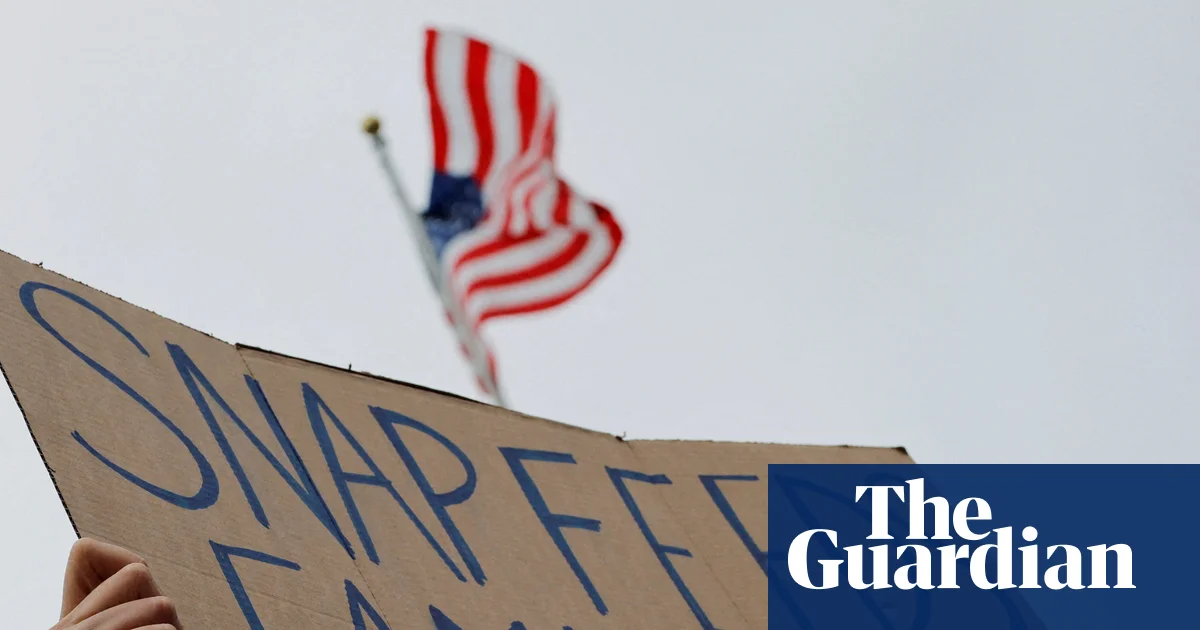
Trump Admin’s Attempt to Cut SNAP Benefits Blocked, Protecting Millions

U.S. Food Aid at Crossroads Amid Government Shutdown

In a striking display of judicial activism, federal judges across the United States recently issued rulings that threaten to uphold the continuation of food assistance programs amidst a prolonged government shutdown. The latest decisions, one in Rhode Island and another in Massachusetts, have ordered the Trump administration to utilize authority and contingency funds to ensure the uninterrupted flow of Supplemental Nutrition Assistance Program (SNAP) benefits — a move that could reshape the executive’s ability to control ancillary social safety nets during political impasses. These rulings underscore a pivotal human story—millions of low-income Americans caught in the political crossfire—yet they also illuminate a broader conflict over federal power and the rule of law that reverberates well beyond the borders of the U.S..

Judicial Intervention Versus Executive Authority

  • Legal actions initiated by Democratic attorneys general from 22 states and the District of Columbia, along with civil rights groups, challenged the administration’s plan to suspend SNAP benefits, highlighting that existing funds—specifically, $5.25 billion in contingency reserves—could sustain the program.
  • The courts, citing ample available funds and the unlawful suspension of benefits, barred the USDA from halting SNAP payments, defying the executive’s assertions that legislative approval was required to continue expenditures during the shutdown.
  • This judicial pushback exposes a fissure in the separation of powers; the judiciary has stepped into a supervisory role, interpreting the legality of budget management—a move that could set a precedential tone for future governmental crises.

Analysts assert that these judicial rulings reflect a growing skepticism towards executive overreach, especially in the face of a contentious shutdown that has exposed the limits of unrestrained presidential discretion. Historians warn that this interplay between courts and the executive could either become a constitutional safeguard or spawn prolonged legal gridlock, with consequences for social stability and international credibility.

Global and Geopolitical Implications of US Internal Crisis

The world watches as the U.S. grapples with its internal governance, a country still perceived as an economic and political beacon. The disruption of social safety nets such as SNAP, which aids nearly 42 million Americans, portends more than domestic hardship. Such instability risks undermining the international perception of American reliability at a critical juncture when global powers—like China, Russia, and emerging regional alliances—are vying for influence.

This crisis demonstrates how domestic political decisions ripple outward, affecting diplomatic leverage and economic stability. The International Monetary Fund and World Bank analysts warn that prolonged internal discord weakens the U.S.’s moral authority and its capacity to shape global policy. Meanwhile, strategic competitors may leverage U.S. disarray to promote alternative models of governance, emphasizing authoritarian efficiency over American constitutional traditions.

How Nations and Societies React and Adapt

States and local communities across the U.S. have responded with remarkable resilience, deploying their own resources to mitigate the crisis. Governors from California, Virginia, and other states have declared emergencies, deploying state funds and National Guard units to support food banks and vulnerable populations. These measures highlight a decentralized response that, while commendable, also underscores the federal government’s limitations in crisis management when facing political deadlock.

The ongoing crisis underscores an emerging trend: the fragmentation of national unity and the rise of state-level resilience. Yet, as the debate rages on about whether the government should tap into reserved funds—reserves that are rightly meant for *natural disasters*—the fundamental question remains: Who holds the power to safeguard the most vulnerable during times of crisis—an overburdened federal government or resilient states asserting their sovereignty?

As history unfolds in these turbulent days, the path forward remains uncertain. The judges’ rulings have altered the trajectory, but the underlying clash between programmatic authority and executive discretion is far from resolved. The fate of millions depends on decisions yet to be made — decisions that will echo through future generations and define whether the principles of law or the chaos of partisanship reign supreme.

The weight of history bears down heavily, and as the nation stands at this crossroads, the world holds its breath—watching how the **United States** will reconcile its laws with its leadership, and whether the bedrock principles of justice and constitutional order will prevail in the era ahead.

Judge blocks Trump’s attempt to send California National Guard to Portland

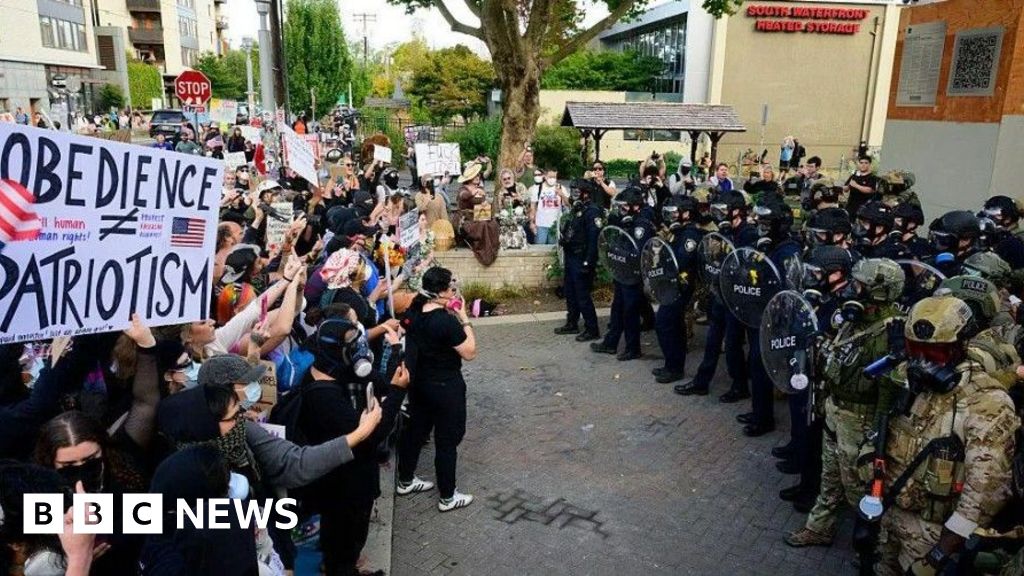
In an unprecedented turn of events, United States federal judiciary has stepped into a contentious battle over the deployment of National Guard troops across domestic borders, marking a significant moment in the ongoing struggle between federal authority and state sovereignty. The recent decision to temporarily block the Trump administration from dispatching troops from Texas and California to Portland, Oregon underscores the deepening cracks within American federalism. The ruling, delivered by US District Judge Karin Immergut, signals a notable restraint on executive power, emphasizing the importance of local consent and constitutional boundaries in deploying military force domestically. As tensions escalate, this judicial intervention warns of the delicate balance required when confronting chaos and unrest. It also raises crucial questions about the limits of presidential authority, especially when political disputes threaten to spiral into military occupations, altering the social fabric of cities already strained by protests and crises.

The controversy centers on the Trump administration’s effort to use the National Guard as a tool to quell protests linked to immigration enforcement and leftist activism, with Portland becoming the focal point of these efforts. The administration’s assertion that troop deployments are necessary to restore order clashes with legal interpretations that argue such actions infringe on state rights and could set dangerous precedents for federal overreach. The judge’s decision to authorize a temporary restraining order until at least October 19 reflects concern over the potential for militarized responses to inflame social tensions and undermine the sovereignty of local governments. Analysts warn that resorting to military force in urban centers risks transforming peaceful protests into battlegrounds, with lasting impacts on civil liberties and community trust.

This legal tussle reveals a broader geopolitical impact—a nation struggling to resolve internal divisions while its leaders attempt to project strength through military deployments. International organizations and historical experts have cautioned against the normalization of military interventions in American cities, warning that such actions could destabilize the domestic landscape and inspire similar strategies amidst other democracies facing unrest. The White House’s outspoken denouncement of the judge’s ruling, coupled with rhetoric portraying legal limits as “constitutional violations,” signals an alarming willingness to bypass judicial oversight in pursuit of a law-and-order agenda. Meanwhile, the proliferation of lawsuits from states like Illinois and the vocal opposition from state officials exemplify the intense federal-state power struggle, echoing historical conflicts over control, authority, and the rights of citizens.

As the situation unfolds, the spectacle of political tit-for-tat, legal battles, and security measures leaves a nation on the precipice of a pivotal chapter in its history. The decision to deploy or restrain military force amidst civil unrest will have profound and lasting consequences—not only for America’s social order but also for its global image. Today’s internal conflicts threaten to redefine the boundaries of power between state and federal authorities, shaping the course of democracy itself. The weight of history presses heavily on this moment, as the world watches from afar—will the United States uphold its founding principles or succumb to a new era of militarized governance? Only time will tell, but one thing remains certain: the unfolding saga is a stark reminder that the true battleground lies not only in the streets but also in the very fabric of national sovereignty and the enduring quest for constitutional justice.

Judge halts Trump’s attempt to send National Guard to Portland

US Federal Court Blocks Deployment of National Guard to Portland

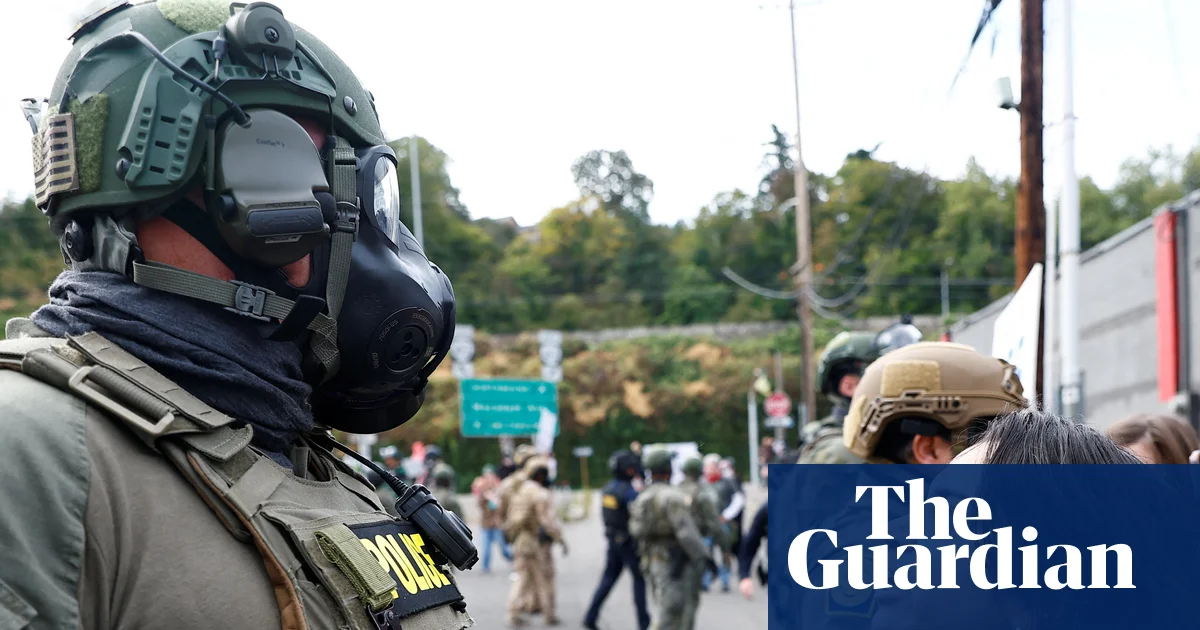
In a pivotal legal decision that echoes across the United States, a federal judge has halted the Trump administration from deploying the National Guard to Portland, Oregon. This move ignited a fierce political debate about the use of military forces in domestic civil unrest. The court’s intervention highlights the ongoing struggle between federal authority and local sovereignty, with profound geopolitical impact that extends well beyond the Pacific Northwest. The administration had announced on 27 September its intention to send troops, claiming it was necessary to restore order amidst protests outside a federal immigration enforcement office. However, local officials and the state’s legal representatives argued that the situation was misrepresented, pointing to the city’s relatively calm protest activity in recent days. This legal setback underscores a broader narrative: the clash over federal intervention in domestic protests has become a microcosm of larger ideological battles,” explained Dr. Helena Strauss, a political analyst specializing in US civil-military relations.

The decision by Judge Immergut was based on a contention that the deployment would violate both the US Constitution and federal law. Critics argue that the Trump administration’s narrative paints Portland as a city embroiled in chaos, with Attorney General William Barr emphasizing the threat from “vicious and cruel radicals” that must be subdued with federal force. Conversely, local voices and Oregon’s attorney general declared that these claims are exaggerated; protests in Portland have largely been peaceful, sometimes comprising fewer than a dozen demonstrators. The court’s ruling not only halts the immediate deployment but also signals a warning against the unchecked use of force in what many see as a contentious effort to politicize law enforcement amid a highly polarized national climate.

This legal defeat for President Donald Trump marks a significant moment in the ongoing narrative of federal overreach. Since the start of his presidency, Trump has portrayed certain American cities—particularly those governed by Democrats—as lawless zones in need of military intervention. His designation of Antifa as a “major terrorist organization” was a deliberate move to stigmatize a loosely connected ideology opposed to fascism, but one that historically resists centralized control. Critics argue these labels serve to justify aggressive crackdowns, while supporters contend they are necessary to restore order. The international community watches as the US grapples with internal unrest, with many analyzing whether this pattern reveals a deeper strain within American democracy or an overreach by executive power in the guise of preserving law and order.

The geopolitical consequences are manifold. With China and Russia observing a nation in apparent disarray, the American image as a beacon of democratic stability is under strain. Historians warn that persistent federal overreach and internal conflicts risk undermining the U.S. global standing, especially in a world where soft power is crucial. The divisions exposed in Portland and other cities are not confined within borders—they threaten to reshape international alliances, weaken the American-led liberal order, and embolden adversaries who seek to exploit internal vulnerabilities. As observers like Dr. Samuel Ortega, an international relations scholar, note, “the difficulties faced in Portland are emblematic of a nation at a crossroads, where internal discord threatens to spill into the global arena, testing America’s role as a leader of stability and freedom.”

In this unfolding chapter of history, the struggle over Portland is more than a regional dispute; it is a sovereign test for the United States’ commitment to federalism, civil liberties, and democratic norms. As courts weigh in and protesters mobilize, the trajectory of this conflict will influence how nations perceive American resilience and resolve. The future remains uncertain, but the weight of history continues to press forward—an indelible reminder that the decisions made today will echo through generations, shaping the fabric of the free world itself.

South Sudan Court Dismisses Riek Machar’s Attempt to Block Murder and Treason Trial

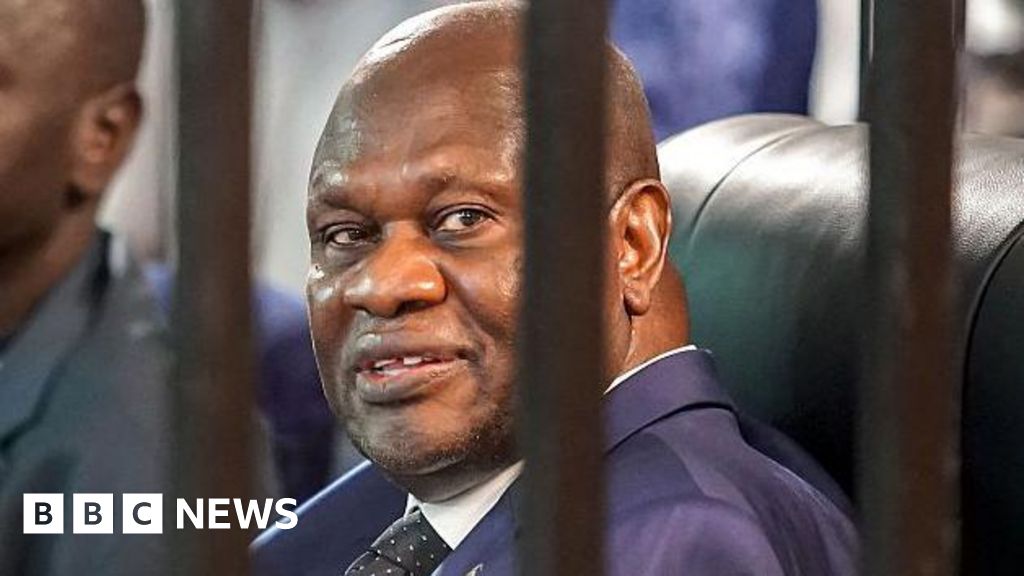
The recent decision of a special court in South Sudan to assert its jurisdiction over Vice-President Riek Machar underscores a critical crossroads in the fragile nation’s post-conflict recovery. The court’s dismissal of Machar’s objections—regarding immunity, constitutionality, and jurisdiction—sets a significant legal precedent that could reshape the country’s political landscape. By asserting its authority to prosecute high-ranking officials for serious crimes such as murder, treason, and crimes against humanity, the court signals a firm stance against impunity, even amid the turbulent aftermath of Africa’s newest independent state. This decision, while a step toward justice, has been met with considerable caution from international observers, who warn that it could either bolster accountability or ignite renewed unrest.

  • The charges against Machar originate from an attack in March that resulted in the deaths of 250 soldiers and a high-ranking general, linked to militia forces associated with the Vice-President. These allegations, dismissed by Machar as a political “witch-hunt,” have escalated fears of another outbreak of civil conflict, threatening to undo years of fragile peace efforts initiated by the 2018 Peace Agreement.

Since his house arrest, Machar’s case has become emblematic of the ongoing struggle to cement rule of law in a nation still haunted by the scars of civil war. His legal team’s argument that a hybrid court under the African Union should handle such charges, in line with the 2018 peace accord, reflects wider debates over justice and sovereignty in the region. The court’s ruling—affirming its authority under the 2011 Transitional Constitution—demonstrates a bold assertion of national judicial independence. However, it also raises questions about how justice is balanced against political stability, with critics warning that unpredictable legal proceedings could deepen divisions or trigger cycles of violence.

The geopolitical impact of this legal move extends well beyond South Sudan. Regional stability hinges on how leaders, notably President Salva Kiir, manage these tensions. The African Union and the United Nations have called for calm, fearing that arrests of top officials might derail an already fragile peace process. Analysts in international think tanks emphasize that how South Sudan enforces justice—especially against figures like Machar, a key opposition leader—will influence regional alliances and the future of South Sudanese sovereignty. For countries surrounding South Sudan, any return to conflict could destabilize neighboring economies and complicate efforts to combat terrorism and arms trafficking across the Horn of Africa.

With global powers watching closely, the case offers a sobering reminder of how decisions made in courtrooms can ripple into the wider geopolitical fabric, affecting international peace efforts and the stability of the African continent. As historians and political analysts debate whether this legal move marks a turning point or a potential flashpoint, the weight of history continues to hang over South Sudan’s young democratic experiment. The unfolding of this legal saga will inevitably test whether justice can be truly delivered in a land scarred by conflict—an enduring chapter in a story still being written by history itself.

Home Office’s attempt to lift migrant removal ban fails in court.

A recent incident has unfolded as authorities intervened to prevent the removal of an Eritrean man who attempted to enter the country via small boat. This event highlights ongoing tensions surrounding immigration policies that are at the forefront of political discourse today. The blocking of this removal raises questions about the effectiveness and consistency of our immigration system.

Young conservatives are especially concerned about how these situations are handled, advocating for stricter border controls and a merit-based immigration system. As debates continue, it’s crucial to find a balance between compassion for those in need and the security of our nation. The latest development underscores the importance of clear and consistent immigration policies that serve both our border integrity and humanitarian responsibilities.

Social Media Auto Publish Powered By : XYZScripts.com