Matox News

Truth Over Trends, always!

Bose Revives ‘Lifestyle’ Brand with Fresh Home Speakers—Redefining Modern Sound

Bose’s ‘Lifestyle Collection’ Signals Disruption in the Home Audio Market

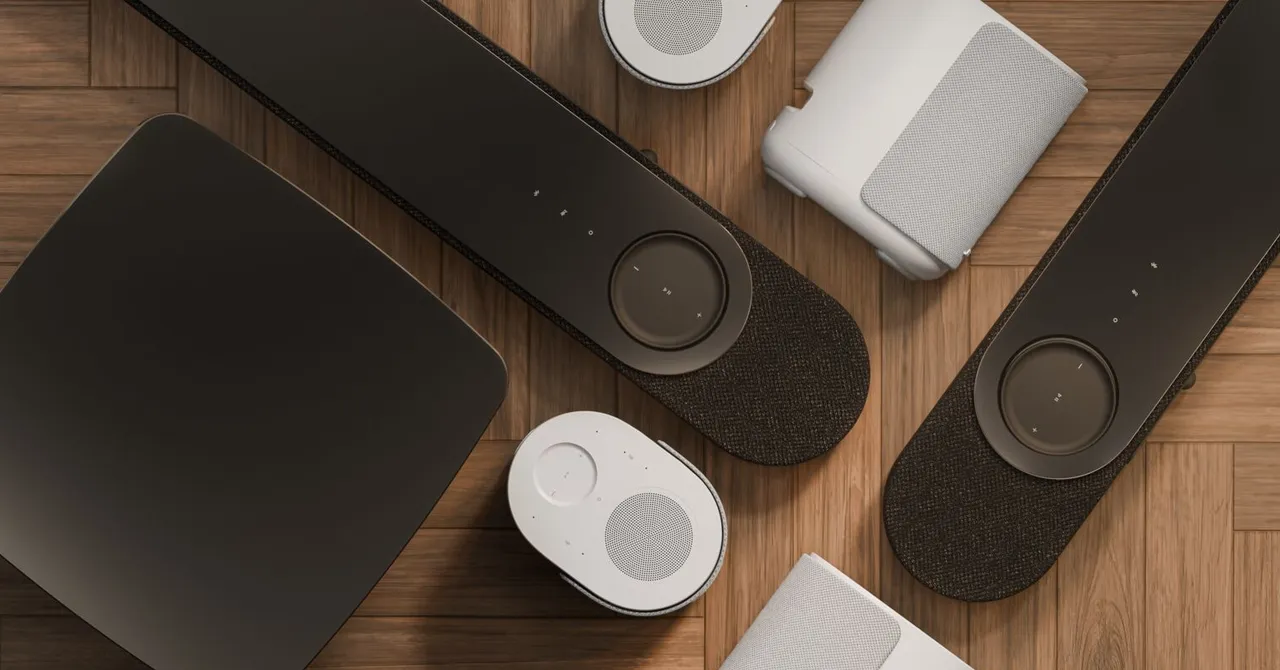
In a move to rekindle its influence and innovate amidst fierce competition, Bose has unveiled its new “Lifestyle Collection,” comprising the Lifestyle Ultra Speaker, Ultra Subwoofer, and Ultra Soundbar. This strategic relaunch marks a deliberate disruption in the home speaker space, a sector that has seen significant innovation driven by tech giants and startups alike. Characterized by sleek fabric-wrapped aesthetics and advanced multi-room connectivity, Bose’s latest offerings emphasize seamless user experience combined with cutting-edge functionality—highlighting a renewed focus on innovation and consumer engagement.

Cutting-Edge Features Promising a Business Impact

The new products underscore Bose’s strategic pivot toward integrating multi-platform compatibility with services like AirPlay, Google Cast, and Spotify Connect. Notably, the Ultra Speaker is among the first in the industry to support Amazon Alexa+ voice controls in the U.S., signifying a shift toward unified, voice-driven smart home ecosystems. With W-Fi, Bluetooth, and auxiliary inputs, Bose ensures flexibility in deployment—from traditional stereo setups to modern home theaters.

  • Innovation: Support for emerging voice assistants and native multi-room grouping for enhanced home integration.
  • Disruption potential: Challenging established players like Sonos, Apple, and Samsung who dominate the premium multi-room speaker ecosystem.
  • Business implications: Revitalizing product lines and recapturing market share through sleek design and smart functionality, leveraging Bose’s legacy for competitive differentiation.

Market Strategies and Industry Implications

The price points—starting at just $299 for the Ultra Wireless Speaker and exceeding $1,000 for the Ultra Soundbar—demonstrate Bose’s ambition to accommodate both budget-conscious consumers and audiophiles seeking premium sound. Moreover, the company’s decision to align grouping controls with Google Home and Apple’s AirPlay apps boosts interoperability—a key market trend. This shift caters to a broader consumer base, positioning Bose as a resilient disruptor in an industry marked by rapid innovation, as highlighted in recent Gartner reports emphasizing the growing dominance of integrated, cloud-connected devices.

Critics note that Bose’s reentry heralds a new phase of disruption, compelling competitors to innovate rapidly or face obsolescence. The emphasis on a redesigned onboarding process and enhanced app integration reflects industry-wide acknowledgment that consumer convenience and ecosystem synergy are now central to product success. Emerging startups and giants alike must adapt to this new paradigm where design, connectivity, and smart features will determine market leadership.

Looking Ahead: The Future of Home Audio Technology

As Bose reinvents its legacy in the context of today’s technology landscape, the implications extend beyond product launches. The company’s push for disruptive innovation portends a future where smart, interconnected, and intuitive home systems become the norm. Industry analysts like Peter Thiel and futurists at MIT warn of a technology arms race where speed, user experience, and ecosystem support will define success. The recent Bose launch exemplifies this trend—aggressive yet strategic— to capture the imagination, and wallets, of a new generation of consumers hungry for sophisticated yet accessible sound experiences.

In conclusion, Bose’s “Lifestyle Collection” deployment underscores a pivotal moment: the need for established companies to innovate relentlessly or risk losing relevance. As the industry accelerates toward smarter, more integrated solutions, businesses that prioritize disruptive innovation and anticipate industry shifts—such as the emergence of voice AI and multi-platform compatibility—will be the true winners in shaping the future of home entertainment. The clock is ticking for competitors to match Bose’s move; the next wave of home audio innovation is underway, and those who lead it will define the technological landscape of tomorrow.


Meet the Bumpboxx BB-777: The Coolest Throwback Boombox for Today’s Generation

BB-777 Boombox Merges Vintage Elegance with Cutting-Edge Technology, Driving Industry Disruption

The BB-777, recently unveiled by Bumpboxx, exemplifies the ongoing wave of disruptive innovation that blends nostalgic design with modern technological advances. Modeled after classic boom boxes yet embedded with a suite of contemporary features, this device symbolizes a new generation of premium audio gear poised to redefine consumer expectations in a fiercely competitive market. Its design — characterized by a vintage silver finish and physical controls reminiscent of the golden era of portable audio — manages to strike a chord with consumers longing for retro aesthetics while demanding modern connectivity and convenience.

At the heart of the BB-777 is a powerhouse of audio innovation. With six speakers, including super woofers, coaxial drivers, and horn tweeters, the device boasts a 270W output. This ensures robust volume levels and superior bass response, critical metrics for dedicated audiophiles and casual listeners alike. The integration of a replaceable battery pack, Bluetooth, and an LCD screen showcase a contentious push toward modularity and seamless connectivity. Notably absent, however, is the analog VU meter, a feature cherished by vintage enthusiasts, though this omission signals industry shifts toward streamlined, digital interfaces.

Multi-Platform Compatibility and Content Digitization

The BB-777 is packed with features, extending far beyond traditional radio and cassette decks. Its integrated CD player supports multiple formats (MP3, WMA, WAV, FLAC, AAC), and USB audio playback and auxiliary input provide users with versatile listening options. What truly sets it apart is its ability to directly digitize analog content; recordings from tapes, CDs, or radio can be archived onto a USB drive, facilitating nostalgia-driven preservation and business implications for content entrepreneurs. This combination of vintage and modern underscores a strategic disruption, allowing traditional formats to coexist with digital workflows.

  • Dual cassette decks with recording capabilities
  • AM/FM/shortwave radio functionalities
  • Wireless streaming via Bluetooth
  • Two microphone inputs for live performances or hosting
  • Two built-in microphones for quick recordings
  • Heavy 28-pound weight, with shoulder strap for portability

By integrating these features into a single unit, Bumpboxx leverages market shifts toward multi-functionality and user empowerment. Industry analysts like Gartner have emphasized that innovators who combine multiple content sources and ease of use stand to disrupt traditional audio markets. As such, the BB-777 echoes a broader trend: consumers increasingly seek devices that serve both as nostalgic relics and multifunctional assets, reinforcing the transformative potential of hybrid technological ecosystems.

Market Strategy and Future Outlook

Currently available via a Kickstarter campaign, the BB-777 is priced at $649—and slated for a retail price of $1,049, marking a significant premium but reflecting its innovative offering and targeted niche. This initial crowdfunding move illustrates a strategic effort to gauge consumer interest while positioning the device as a premium collectible or high-end audio upgrade.

Looking ahead, industry influencers like Elon Musk and Peter Thiel have long championed disruptive innovations as catalysts for market evolution. The BB-777 fits squarely into this paradigm—challenging established audio giants by creating a product that blurs the line between vintage charm and present-day tech. As technology continues to evolve at an exponential pace, the emphasis on portable, all-in-one entertainment devices will likely intensify, pushing traditional manufacturers to innovate more boldly or risk obsolescence.

Time is of the essence in this fast-moving landscape. The convergence of nostalgia, content digitization, and connectivity signals a compelling future where consumers demand devices that are both classic and cutting-edge. Companies that recognize and accelerate this shift will be positioned as industry leaders—those that do not risk falling behind in a race driven by innovation, disruption, and the relentless pursuit of next-generation entertainment solutions.

Fresh leaks: Apple’s smart home display arriving this fall alongside iOS 27

Apple Delays Launch of Revolutionary HomePod with Integrated Screen and Robotics-Driven Devices

In a significant pivot within the smart home and consumer device sectors, Apple Inc. has postponed the highly anticipated “HomePod with a screen” from its initial launch window of 2025 to an unspecified fall timeframe. This delay, confirmed by industry leak sources such as X insider Kosutami and echoed by Bloomberg journalist Mark Gurman, signals a strategic hold as Apple recalibrates its entrance into the burgeoning intelligent home market amidst evolving AI and virtual assistant capabilities. The device, which has been shrouded in secrecy, is reportedly a sleek, silver aluminum-cased gadget featuring a 7-inch display, utilizing a custom version of tvOS 27 and powered by USB-C—a clear move to unify its ecosystem under a more flexible port standard.

This delay is not isolated but part of a broader, phased rollout of innovative products aimed at disrupting the traditional consumer electronics market. Alongside the HomePod refresh, Apple is also revamping its lineup of smart home products, including a new version of the Apple TV 4K, and a smart home sensor currently in development. These devices are expected to leverage the latest advances in artificial intelligence and machine learning to offer enhanced automation, security, and seamless integration within the Apple ecosystem. The upcoming devices are anticipated to run on future OS updates—iOS, macOS, and tvOS—set to debut in 2027, aligning with Apple’s broader strategy to position itself as an indispensable hub in every connected home.

The planned introduction of a robot arm-equipped device, initially projected for this year, has now been postponed until 2027, underscoring the company’s cautious approach amid ongoing AI advancements and supply chain considerations. Industry analysts from institutions like Gartner highlight that these disruptions, although initially frustrating, create opportunities for disruptive innovation. Apple’s focus on integrating AI-driven features and hardware versatility could redefine user engagement in smart living spaces, propelling it ahead of competitors like Amazon and Google in the smart speaker and home automation sectors.

The business implications are profound: Apple’s strategy to stagger product launches—covering foldable iPhones, updated software, and smarter home devices—indicates a conscious effort to maximize market impact and maintain exclusivity in a rapidly saturated market. By aligning product timelines with AI and Siri enhancements, Apple is reinforcing its vision to become the central control point for digitally interconnected households.

  • Enhanced AI integration for personalized user experiences
  • Expansion into sensors and automation for smarter homes
  • Continued ecosystem lock-in to boost hardware and service revenue

Such moves collectively underline a broader industry shift towards disruptive innovation—where hardware becomes secondary to end-to-end smart environments driven by AI. As industry experts from MIT to Peter Thiel warn, the next decade will favor companies that can rapidly iterate on AI-powered hardware while maintaining ecosystem lock-in, a game-changing power play.

Looking ahead, the postponement of these flagship devices signals both challenges and massive opportunities. Apple’s cautious approach ensures it can deliver polished, AI-driven experiences capable of disrupting entrenched players, but it also presses the urgency for startups and incumbents to accelerate their innovation cycles. As AI continues to evolve from a supportive role to a core strategic asset, the next 12-24 months will be crucial in defining who dominates the smart home and consumer tech landscape—and those who fall behind risk being swept away by the relentless tide of technological disruption.

Social Media Auto Publish Powered By : XYZScripts.com



