Matox News

Truth Over Trends, always!

Politics LIVE: Marles Labs Down on Long Consular Waits for Aussies in Middle East, Promises Action on Contingency Plans | Australia News

Global Power Plays and Australia’s Strategic Dilemmas Amid Middle Eastern Turmoil

As the geopolitical landscape shifts rapidly, Australia finds itself caught in a web of regional conflicts and international diplomacy that could have lasting consequences. The recent escalation of violence in the Middle East, specifically the conflict ignited by US and Israeli airstrikes targeting Iran’s ballistic missile program, has thrust the region into a new era of instability. While countries like Canada and Australia denounce violence, they grapple with the reality of limited influence and the potential economic fallout stemming from these high-stakes tensions. The Australian government’s cautious approach, exemplified by minister Richard Marles’s guarded statements on military involvement, underscores a broader struggle to define Australia’s role on the global stage amidst rising superpower rivalries.

The conflict in Iran has invoked a complex mix of diplomatic sensitivity and strategic ambiguity. Australian Prime Minister Anthony Albanese has made clear that Australia is what he describes as a “long way” from the Middle East and thus not a direct participant. With no formal request from the United States for Australian military assistance, the government remains non-committal about intervening, emphasizing instead the importance of contingency planning and the safety of its citizens. International analysts observe that Australia’s stance is emblematic of a broader pattern seen among middle powers—avoiding direct confrontation while navigating an increasingly volatile geopolitical environment. The rising tension highlights the *qualitative change* in international norms surrounding regional conflicts—marking a new era where even distant powers must carefully calibrate their foreign policies.

Meanwhile, the international community watches with bated breath as Canada’s Mark Carney arrives in Australia for a rare parliamentary address, signaling the importance of middle-power diplomacy in this fractured geopolitical landscape. Carney’s discussions are set to touch on critical issues such as climate change, critical minerals, and collaborative defense strategies. His emphasis on the potential for middle powers to act as a unified bloc in addressing global security challenges aligns with recent calls by analysts for a reconfigured international order—one where the U.S. and China are no longer the sole arbiters of global stability. As Carney and Anthony Albanese explore avenues for enhanced cooperation, the message is clear: in an era of rising superpower tensions, regional alliances and shared interests hold the key to maintaining equilibrium.

Simultaneously, the Australian government is contending with controversial internal issues. Reports of memorials mourning Iran’s late Supreme Leader Ali Khamenei have sparked debate about the expression of political sentiments within Australia’s multicultural society. Prime Minister Albanese condemned such gatherings as “inappropriate,” reflecting a cautious stance amid growing tensions with Iran. Deputy Prime Minister Richard Marles explicitly refused to direct police action against mosques inviting mourners, emphasizing Australia’s respect for religious freedoms but also highlighting the delicate balance between liberty and national security. With domestic perspectives diverging sharply, policy-makers face the challenge of maintaining social cohesion during a period marked by international unrest and domestic controversy.

As the geopolitical chessboard becomes increasingly complex, the latest developments underscore a broader truth: the decisions taken today—whether in the corridors of Canberra, Westminster, or Davos—will shape the course of history. The persistent questions about how middle powers like Australia, Canada, and others will navigate this turbulent era evoke a sobering vision of a world teetering on the edge of a new Cold War or, worse, open conflict. With strategic calculations being made behind closed doors, the weight of history presses heavily, reminding us that the unfolding saga of the 21st century remains an unfinished story—we are all players and witnesses, standing at the crossroads of an uncertain future.
Politics Update: Marles Denies Australia in Iran Strikes; Wong Highlights 115,000 Aussies in Crisis Zone as Flights Drop

The geopolitical landscape of the Middle East has once again shifted into a state of heightened tension, prompting international concern and urgent diplomatic responses. The recent escalation of conflict, coupled with the threat of Iran’s nuclear ambitions, has provoked decisive actions and warnings from many nations. Australia, traditionally cautious in foreign policy stance, finds itself in a precarious position as regional stability teeters on the brink of chaos. Recent updates from the Australian government reveal a sharp shift in posture, emphasizing the safety of its citizens abroad and the stability of its own energy supplies amidst regional turmoil.

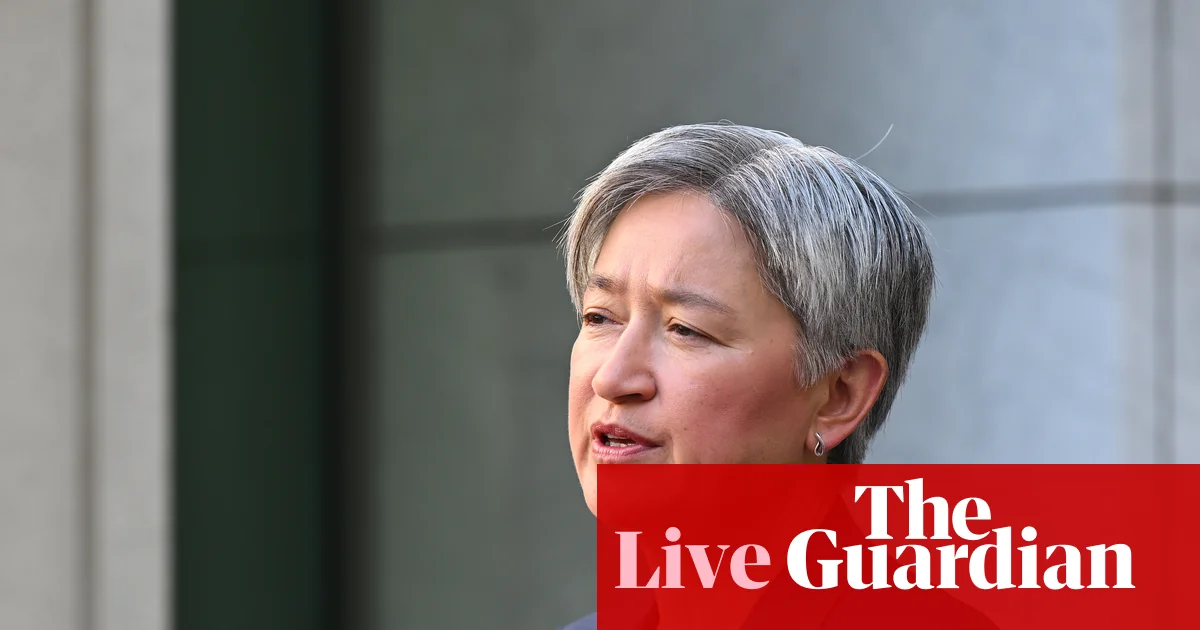
In a notable development, Penny Wong, the foreign affairs minister, announced that Australians should brace for significant travel disruptions, as conflict unfolds in Iran and across the broader Middle East. Her statement underscores the severity of the situation, with many Australian nationals currently stranded due to airspace closures and ongoing hostilities. With approximately 115,000 Australians reportedly in the region—including thousands traveling routinely through major hubs—Wong’s warnings reflect the dire implications of the recent hostilities. Australian ambassadorial efforts remain focused on facilitating commercial flights that, as of now, have been largely disrupted or canceled, emphasizing the country’s stance on prioritizing its citizens’ safety.

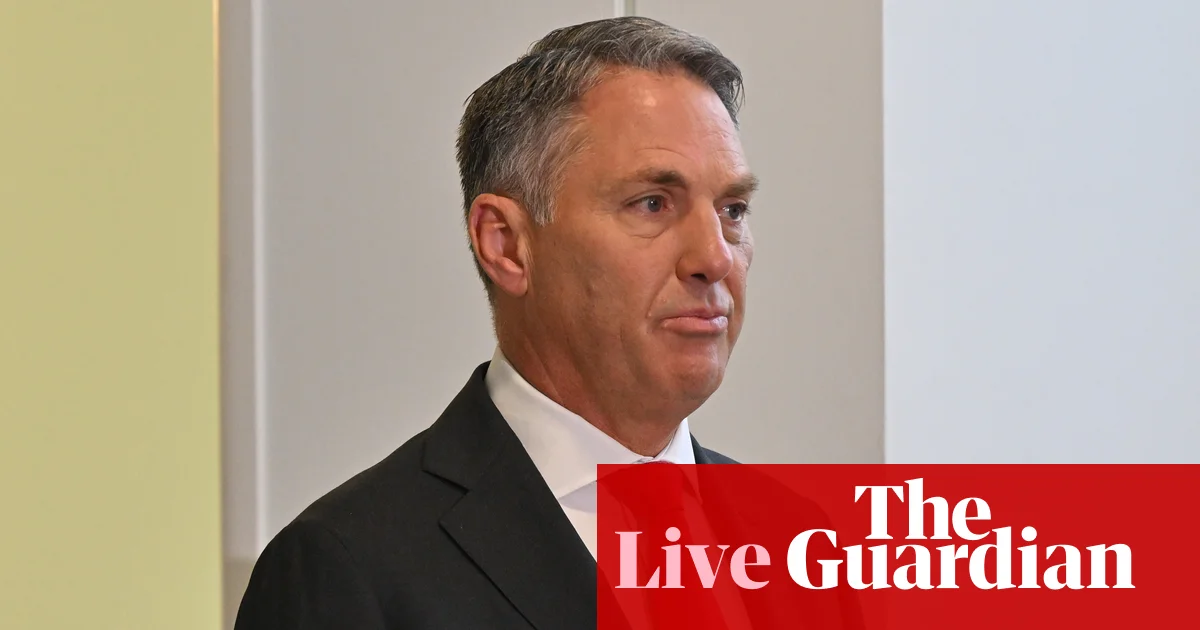
Meanwhile, Canberra maintains a cautious approach externally, officially supporting efforts to prevent Iran from acquiring nuclear weapons but distancing itself from the recent US-Israeli strikes. Richard Marles, Australia’s defense minister, explicitly stated that Australia was not involved in the recent targeted strikes, including those at joint US facilities located on Australian soil. His comments align with Australia’s long-held policy of non-participation in foreign military interventions unless directly impacted or authorized, yet the clear support for preventing nuclear proliferation signals a nuanced stance. International analysts and think tanks emphasize the geopolitical impact of these moves, which could lead to further regional instability, affecting global markets, especially energy supplies.

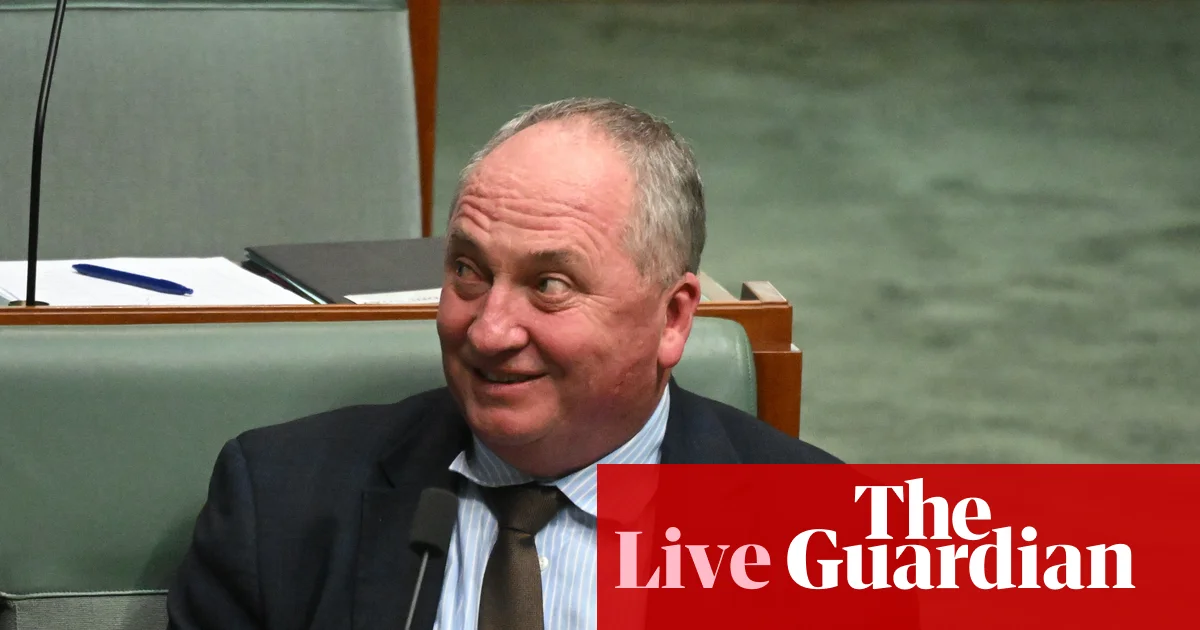
Notably, the conflict’s ripple effects threaten to disrupt global energy security, with Barnaby Joyce, a prominent Australian politician, warning of potential petrol shortages. His remarks highlight Australia’s energy vulnerability, given that the nation maintains less than the recommended 90 days of fuel reserves advised by the International Energy Agency. As global tensions drive up oil prices, Australia’s reliance on imported fuel leaves its economy exposed to shocks from the Middle Eastern conflict. This development underscores the broader geopolitical impact of regional unrest, where decisions by powerful nations like the US and Israel resonate worldwide, shaping economic realities and societal well-being.

Within Australia, domestic politics also feel the tremors of foreign turmoil. The government faces pressure to address mounting security concerns, alongside ongoing issues like the state of hospital infrastructure in New South Wales. A recent surprising revelation exposed hundreds of hospitals grappling with serious maintenance problems, including insect infestations and structural damage, which health officials are quick to label as potentially just the “tip of the iceberg” in an overburdened system. Such crises reveal that beyond international conflicts, societal stability depends on internal resilience—yet, as analysts warn, these domestic issues pale in comparison to the harrowing geopolitical battles unfolding abroad. The unfolding story remains a stark reminder: as the empire-building and regional conflicts intensify, the very fabric of society may unravel if nations fail to balance their foreign commitments with the urgent needs of their citizens.

As history continues to write itself, the weight of these decisions hangs heavily in the balance. The fate of Australians overseas, the stability of the Middle East, and the global order itself are intertwined in a narrative that refuses to be easily unraveled. The choices made today—be it in Canberra, Washington, or Jerusalem—will echo through the annals of history, shaping a world in which the calm before the storm is over, and the storm itself has only just begun. In this delicate dance of diplomacy and power, the echoes of past conflicts remind us that the true test of leadership lies not in the words spoken but in the actions taken—actions that will be remembered long after the current flashpoints have faded into history’s shadows.

Emergency Alerts Upgrade: Smartphones Will Sound Sirens for Major Disasters, Keeping Aussies Ready

Australia’s New Emergency Alert System: Society at a Crossroads

As Australia faces increasingly severe natural disasters influenced by *climate change*, the nation is undertaking a significant overhaul of its emergency communication infrastructure. The federal government is launching the ambitious AusAlert system, a $132 million project designed to replace the outdated state-based text messaging alerts. This technological shift aims to provide more precise, intrusive, and timely warnings that could be the difference between life and death during bushfires, floods, or other emergencies. The rollout, starting with comprehensive community trials in June and a national test scheduled for July 2026, reflects a broader societal effort to adapt to the *changing environmental landscape*, though it also raises questions about privacy, individual rights, and the impact on daily life.

Unlike traditional text alerts, AusAlert will appear directly on the home screens of smartphones within specific geographic zones, with the capability to target down to individual streets. When a high-level threat occurs, the alert will be delivered with a loud, intrusive tone that compels immediate attention. This approach underscores a societal shift towards prioritizing safety over personal convenience; however, it also prompts concerns about constant surveillance and the normalization of government intrusion in everyday life. Such measures may solidify a social fabric where communities are conditioned to accept intrusive technology as a routine part of emergency preparedness.

This initiative highlights how social issues permeate family dynamics, local communities, and educational environments. For families, especially those with young children or vulnerable members, quick access to accurate information can be lifesaving. Yet, it also introduces new challenges: the potential for false alarms, technological failures, or privacy breaches could undermine public trust. From an academic perspective, sociologists such as Timothy Mitchell have warned about the dangers of over-reliance on surveillance-based systems that, while intended for protection, may inadvertently erode societal privacy and autonomy. The implementation of AusAlert exemplifies a societal tension—balancing the need for security with the preservation of individual liberties.

  • Key facts include the system’s capability to deliver alerts for durations between 10 minutes and 24 hours, affecting an estimated 23 million smartphones, with plans for extensive testing across varied communities.
  • Opt-out options are limited to lower-priority alerts, reinforcing the government’s emphasis on proactive safety measures rather than individual choice.
  • Further concerns involve the integration of AusAlert with other personal devices such as smartwatches, cars, and home automation systems, raising questions about data collection and societal acceptance of pervasive monitoring.

Historically, societal responses to such technological interventions have been mixed. While some view these systems as essential advancements—similar to the revolutionary public health campaigns of the 20th century—others perceive them as slips towards authoritarian oversight. As social commentator Jamelle Bouie notes, the challenge lies in designing systems that respect human dignity without compromising safety. Society now stands at a crossroads, grappling with the *dual imperatives of technological progress and moral responsibility*. The hope remains that, through community engagement and transparent governance, Australia can build a society where safety does not come at the expense of freedom, and where new tools serve to *strengthen bonds rather than erode them*.

In the quiet moments of reflection, society must ask itself: Are we forging pathways toward a resilient and free community, or are we unwittingly paving the way for a surveillance state? The answer lies in collective vigilance—an unwavering belief that even amidst technological transformation, the core human values of dignity, privacy, and community must remain the ultimate guiding lights. As Australia’s society prepares to face future ecological challenges, perhaps the greatest resilience will be found not just in technology, but in the hope that society itself can transform—learning to protect and cherish its most precious bonds: families, communities, and the undying human hope for a better tomorrow.

Tropical Cyclone Mitchell Braces Western Australia — Stay Safe, Aussies!

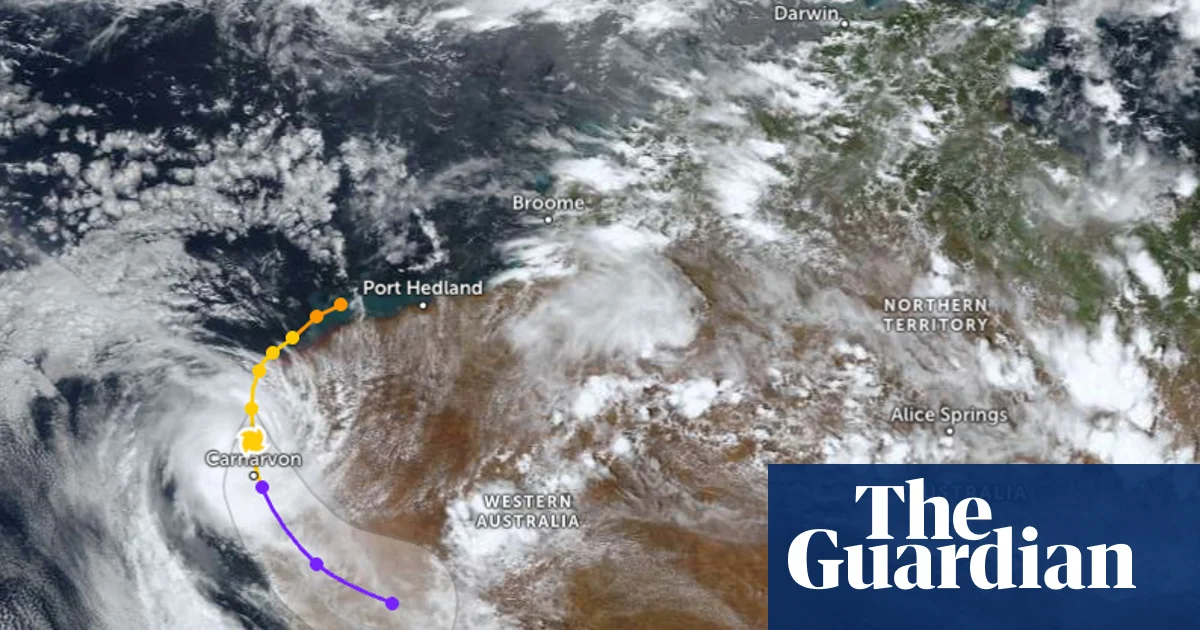
Recent events across the globe underscore the profound influence of climate dynamics on geopolitical stability and societal resilience. Western Australia bore the brunt of Cyclone Mitchell, a powerful storm fueled by rising sea temperatures. Originating as a weak tropical low over the Northern Territory in early February, Mitchell’s intensification to a category three cyclone highlights a troubling trend: the increasing frequency and ferocity of tropical weather systems driven by climate change. Such natural disasters threaten not only local economies but also regional security, as they strain infrastructure, displace populations, and demand international aid. The cyclone’s lingering moisture and subsequent heavy rainfall disrupted agriculture and trade corridors, illustrating how climate systems directly influence national stability and economic prosperity.

Meanwhile, the island of Madagascar faced its second devastating cyclone in less than two weeks. Cyclone Genzani struck with record winds of 155 mph, causing widespread flooding, destroying hundreds of buildings, and claiming at least nine lives. The impact of such storms extends beyond immediate casualties; they exacerbate ongoing humanitarian crises, displace communities, and threaten regional development. Analysts from the International Disaster Emergency Assistance warn that the recurrence of Cyclone Genzani follows the pattern of increasing intensity and frequency—phenomena attributed to the broader context of climate change. This relentless onslaught of nature’s fury underscores the importance of international cooperation in disaster preparedness and climate resilience, with nations like France and the United States providing aid and expertise to Madagascar.

In stark contrast, continental Europe experienced a sharp deviation in climate patterns, with persistent high pressure over northern regions fueling an unprecedented cold snap. The continent endured its coldest January since 2010, with temperatures plummeting into the -40s Celsius in Scandinavia. Experts suggest that this anomaly is a result of blocked weather patterns—a phenomenon that could have far-reaching geopolitical consequences. The chaos caused by the extreme cold, including canceled flights, strained energy supplies, and increased mortality rates, reveals vulnerabilities in Europe’s infrastructure and social systems. Countries like Finland and Poland reported record-high energy demands and tragic losses due to hypothermia. The prolonged cold and icy conditions have not only exposed weaknesses in emergency preparedness but also highlighted debates over energy security and climate policy—debates that are poised to shape Europe’s future amid shifting climatic realities.

Historians and international analysts warn that these climatic upheavals are no longer isolated phenomena but part of a complex web of challenges influencing global stability. The recent pattern of intense storms in the Indo-Pacific and extreme cold in Europe signals a geopolitical landscape increasingly shaped by climate uncertainties. Countries are forced to reconsider alliances, resource management strategies, and disaster response protocols. As the world witnesses nature’s fury, the question remains: will humanity adapt and forge a blueprint for resilience, or will it become another chapter in a story of unmitigated disaster? The unfolding narrative of climate and conflict continues to writhe beneath the surface of international diplomacy, reminding all that the weight of history is now resting heavily on the shoulders of today’s leaders—and the clock is rapidly running out.

Australia Politics Live: Barnaby Joyce’s Potential Move to One Nation Sparks Buzz; AI 'Nudify' Service Hinders Aussies
Australia Politics Live: Barnaby Joyce’s Potential Move to One Nation Sparks Buzz; AI ‘Nudify’ Service Hinders Aussies

In a striking sequence of recent events, Australia stands at a pivotal crossroads, emblematic of broader global shifts impacting democracies and national sovereignties. The rumblings of political realignments within Australia, notably the potential defection of Barnaby Joyce from the Nationals to One Nation, underscore a period of intense internal dissent and ideological consolidation that could reverberate far beyond Down Under. As veteran analysts warn, such moves threaten to undermine established bipartisan consensus and potentially embolden populist and nationalist currents across the Pacific.

Meanwhile, the international community grapples with a darker shadow cast by the unchecked proliferation of AI-driven abuses. A recent crackdown by UK authorities on a company linked to “nudify” deepfake services illustrates how technological advancements—initially designed for entertainment or benign uses—are now being exploited to generate devastating child exploitation content. This global challenge highlights an urgent need for unified, comprehensive regulation of AI and digital services to prevent further societal harm. According to Australia’s eSafety commissioner, the company Itai Tech has been penalized and blocked from Australian users; a move hailed by advocates as a tangible step in combating online child exploitation. However, critics argue that without coordinated international efforts, such measures are only temporary repairs in a battle that demands systemic reform.

Geopolitical Ramifications ofInternal Political Shifts

The potential defection of Barnaby Joyce signals a substantive shift within Australian politics. Historically, such defections—while not unprecedented—are often precursors to wider realignments that challenge the stability of governing coalitions. Analysts warn that Joyce’s pivot could catalyze a broader realignment of populist sentiment, especially if it gains momentum among conservative voters galvanized by issues like environmental policy and national sovereignty. For the international community, a more fragmented Australian political landscape could slow progress on transnational issues such as climate change, trade, and regional security — crucial concerns given Australia’s strategic position in the Indo-Pacific.

Furthermore, the racial and cultural undertones often associated with One Nation might spark wider societal debates about multiculturalism, national identity, and the future trajectory of Australian values. According to regional security analysts, these internal shifts could impact Australia’s alliances with global powers, notably United States and China, by altering the political landscape and influencing Canberra’s foreign policy stance. Just as European nations face upheaval from populist surges, the Australian political scene’s current turbulence serves as an ominous warning of the fragility of consensus in democracies worldwide.

Technological Evil and International Responsibility

Simultaneously, the rise of AI-related malfeasance emphasizes the complex web of consequences that unchecked technological innovation can entail. The recent UK regulatory action against Itai Tech and the broader efforts by Hugging Face to halt AI model misuse exemplify a new frontier of international concern: digital misconduct transcending borders and aggravating societal vulnerabilities. The generation of child exploitation material via AI deepenfakes is not an isolated phenomenon but part of a disturbing pattern demonstrating how digital policies must evolve in tandem with rapid tech development.

Legal scholars and UN watchdogs warn that if nations do not craft cohesive, enforceable frameworks, the digital realm will remain a Wild West where predators operate with impunity. As Julie Inman Grant remarked, greater international cooperation is essential because, in the cyber age, the fight against abuse and exploitation cannot be restricted by national borders. Failure to act decisively risks ceding control of the digital universe to those who exploit its vulnerabilities for profit and power, condemning future generations to a digital dystopia rooted in societal decay.

The Unfolding Saga of Power and Society

The unfolding saga of political intrigue, technological peril, and societal resilience—encapsulated by Australia’s internal conflicts and the global fight against AI abuse—remains an enduring testament to the turbulent state of world affairs. As historians and international organizations observe with concern, the decisions made in these critical junctures will shape not only national destinies but also the fabric of global civilization. The weight of history presses heavily on the coming days, underscoring that the actions of leaders today are the chapters of tomorrow’s narrative: a story of resilience or ruin, unity or division—an epoch still in the making, with its destiny hanging in fragile balance.

Social Media Auto Publish Powered By : XYZScripts.com