

Innovating the Heart of Texas: Austin’s Tech Scene Sparks Disruption and Business Transformation
Once renowned for its eclectic music and cultural vibrancy, Austin is rapidly transforming into a powerhouse of technological innovation and entrepreneurial disruption. The city’s evolution from the “Silicon Hills” to a central hub of startup activity exemplifies industry shift towards tech-driven urban economies. As major players like Big Tech and innovative startups converge, this epicenter encapsulates how disruptive technologies are reshaping business landscapes and redefining the future of work and commerce.
At the core of Austin’s burgeoning tech ecosystem are its creative co-working spaces, incubators, and a thriving network of entrepreneurs who embody the spirit of fast-paced innovation. Resources like Austin Coworking and Deskpass exemplify this shift, offering flexibility and fostering community among young, ambitious professionals. These platforms are not merely about workspace—they symbolize a broader paradigm shift in how the next generation of tech talent collaborates and innovates. Industry analysts from Gartner highlight that adaptability in work environments and access to agile resources are pivotal for startups aiming to disrupt traditional industries and attract top talent.
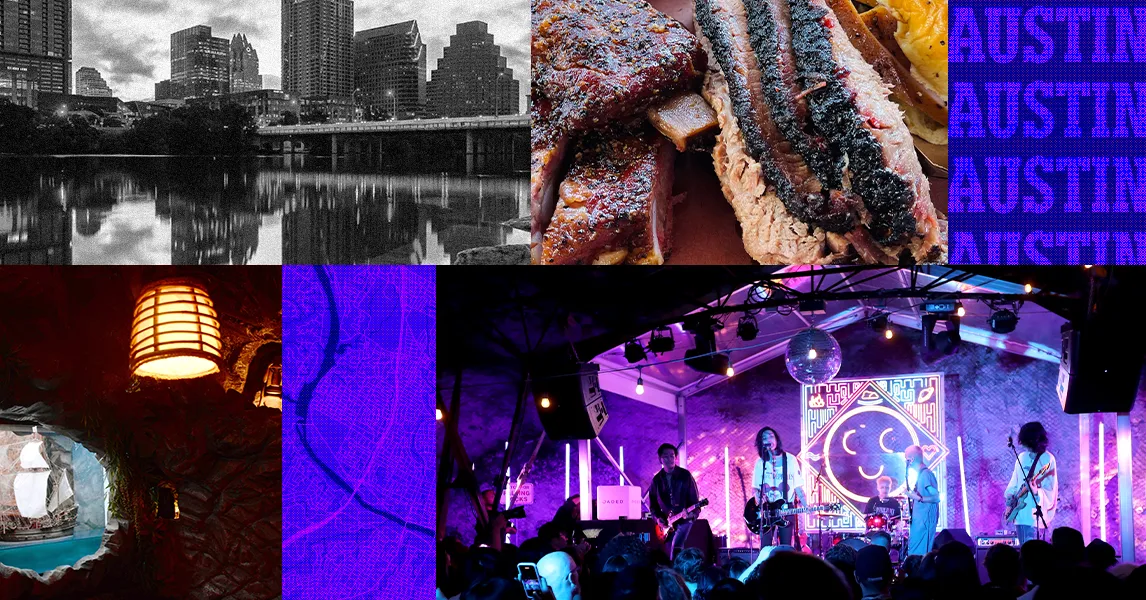
Equally notable is Austin’s vibrant hospitality and lifestyle scene, which caters to a new class of digital entrepreneurs and remote workers. Iconic hotels like The Otis and Omni Hotel blend comfort with innovation, offering amenities tailored to the needs of tech-savvy visitors. Concurrently, Austin’s food scene—characterized by legendary BBQ joints like Terry Black’s—demonstrates how local businesses are embracing disruption through online ordering, unique culinary twists, and a focus on experiential dining. This symbiotic relationship between tech and lifestyle underscores a market shift towards a digitally connected, experience-driven economy with enormous implications for business models across sectors.
Moreover, Austin’s brewing and beverage industry, featuring innovative venues like Breakside and local breweries, reinforces the city’s stance on disruptive consumer experiences. These establishments integrate cutting-edge brewing techniques with community-centric outdoor spaces, reflecting how traditional industries are leveraging technology and creative marketing to capture a new generation of consumers. Forward-looking firms such as Breakside focus on crushable lagers and West Coast-style IPAs, exemplifying how brands are embracing innovation at both product and experiential levels, which is critical for maintaining competitive advantage in a crowded market.
From a strategic perspective, this trend signals a broader industry transformation driven by emerging technologies like AI, IoT, and data analytics. Entrepreneur peter Thiel and MIT’s research underscore that early adoption of disruptive innovations is essential for startups to leapfrog established competitors. As Austin continues to attract top-tier talent and investment, the urgency to harness these technologies accelerates, promising a future where disruption is not optional but imperative for survival.
Looking ahead, Austin’s transformation offers a compelling template for other cities aiming to compete in the 21st century economy. The rapid integration of innovation into every facet of urban life—from coworking hubs and hospitality to lifestyle and food—underscores the importance of agility, adaptation, and bold experimentation. Entrepreneurs, investors, and industry leaders must recognize that the race for domination in the tech-driven future is already underway, and those who leverage this momentum today will shape the world of tomorrow with unprecedented velocity and impact.





