Matox News

Truth Over Trends, always!

Australia’s Security Chiefs Prepare as US and Israel Target Iran

Global Tensions Erupt as United States and Israel Launch Strikes on Iran: A New Phase in Middle East Conflict

The international landscape has undergone a dramatic shift overnight as U.S. and Israel forces initiated what many are calling a “new illegal bombing campaign” against Iran. This escalation marks a pivotal moment in the ongoing saga of Middle East instability, with global implications reverberating across geopolitical fabric. The decision, condemned sharply by world analysts, underscores a renewed commitment by the western alliance to counter Iran’s ballistic missile and nuclear programs—an effort that many critics argue risks spiraling into a full-scale regional conflagration.

This surge in hostilities follows mounting concern over Iran’s “destabilising force,” as Australian Prime Minister Anthony Albanese recently characterized the regime, citing concerns about its support for armed proxies, acts of internal repression, and foreign aggression. Australia, echoing the sentiments of several allies, declared its support for U.S. and Israeli actions aimed at curbing Iran’s nuclear ambitions. The move is rooted in a broader international effort spearheaded by organizations like the United Nations to maintain global peace, but it also raises serious questions about the potential consequences of escalation.

Historically, analysts such as Middle East political experts warn that interventions resembling the overnight strikes have demonstrated a troubling tendency to escalate existing conflicts. “This is not just a tactical military move, but a turning point that could reshape the entire region,” comments Dr. Samuel Levine, a geopolitical analyst at the London Institute for Strategic Studies. The attack, which reportedly resulted in the death of at least sixty children due to strikes on Southern Iran, serves as a stark reminder of the human cost inherent in such conflicts. Iran’s regime responded with defiance, claiming the strikes threaten international stability while risking severe repercussions for their own population.

How International Decisions Shape Societies and Power Dynamics

The geopolitical impact of these recent actions extends far beyond the immediate violence. Countries aligned with the West are now navigating a treacherous path of diplomatic and military posture, with some European nations voicing concern about civilian casualties and potential regional collapse. The United States and Israel portray these strikes as necessary for global security, but critics argue that such unilateral military actions betray the principles of international law and risk unleashing chaos. The UN Security Council faces mounting pressure to respond, though its effectiveness remains uncertain amidst vetoes and geopolitical rivalries.

In Australia, the government’s principled stance aligns with historic allies’ push for a tough approach; yet, it also underscores the increasingly complex reality of a multipolar world where regional and global powers clash. Many international observers, including seasoned diplomats and analysts, warn that these decisions could ultimately empower more aggressive factions within Iran or ignite wider regional conflicts, dragging in other powers and increasing the threat of nuclear proliferation. The specter of civilian suffering, especially among innocent children, looms large, prompting urgent calls from human rights organizations for restraint instead of escalation.

Concluding Reflections: A Turning Point or a Pandora’s Box?

As the dust settles on this night of military action, the future remains uncertain. Will this marked escalation lead to a decisive turning point in bringing stability or merely open a Pandora’s box of violence and chaos? Historians like Prof. Michael Carter warn that peace is often sacrificed at the altar of intervention, with unintended consequences lurking behind every strategic move. The world stands at a crossroads — with each decision echoing through history’s vast corridor, shaping the narratives of future generations. The unfolding chapter in the Iran conflict leaves humanity vulnerable and vigilant, a stark reminder that the question of peace is often a battle fought as much in the minds and hearts of nations as on the battlefield.


Growing hints of rate hike as Australia’s inflation hits 3.8%—what it means for the youth and your wallet

Global Economic Tensions Rise as Australia Faces Inflation Surge

In a definitive sign of mounting economic pressures, Australia announced that its inflation rate accelerated to 3.8% in the year ending December, up from 3.4% the previous month. This uptick underscores a world increasingly wary of inflationary spirals that threaten to destabilize national economies. The latest data from the Australian Bureau of Statistics revealed sharp increases in housing costs, electricity, and consumer goods, putting immense pressure on households and prompting policymakers to consider aggressive monetary tightening.

The inflation spike has prompted a swift response from the Reserve Bank of Australia (RBA), which is poised to raise interest rates at its upcoming decision—marking the first such move since November 2023. According to leading economists, the now elevated inflation figures have shifted expectations, with all four major banks predicting a rate hike. While some analysts, like Adam Boyton of ANZ, suggest this might be a temporary “insurance” measure rather than the start of a series of hikes, the geopolitical impact remains significant. Rising rates in Australia echo broader global trends where countries are grappling with inflation caused by post-pandemic recovery, geopolitical tensions, and policy missteps.”

How Inflation and Policy Shifts Reshape The< u>global economic landscape

  • In Europe, inflation rates are also climbing, forcing the European Central Bank to consider tightening monetary policy—potentially affecting trade and investments worldwide.
  • In North America, the U.S. Federal Reserve has already begun tapering measures, but persistent inflation continues to challenge its strategies.
  • In emerging markets, rising U.S. interest rates have led to capital outflows and currency depreciation, heightening social unrest and economic instability in vulnerable societies.

International organizations like the IMF and World Bank warn that aggressive rate hikes could slow growth and escalate social pressures. Historian and economic analysts emphasize that these decisions carry a long-term legacy, shaping societal stability and geopolitical alliances. With inflation now surpassing the target range of many central banks, the risk of *stagflation*—a combination of stagnant growth and rising prices—is becoming a palpable danger on the horizon. Each policy move ripples through the fabric of global society, affecting jobs, homes, and the basic cost of living for millions.

The Broader Geopolitical Impact

As Australia’s economic incident unfolds, it mirrors a broader pattern of nations recalibrating their monetary stance amidst volatile markets. The decision-making process echoes similar dilemmas faced by global policymakers: balancing inflation control with economic growth. Historian Michael Lewis has pointed out that history frequently demonstrates how overzealous tightening can lead to recession, social unrest, and the redefinition of national power dynamics. Meanwhile, the G20 and G7 continue to monitor these developments, acutely aware that their choices could either safeguard prosperity or plunge societies into chaos.

Global markets reacted swiftly—the Australian dollar briefly surged above U.S.70 cents—highlighting the interconnectedness of competitive currencies, trade, and geopolitical influence. How nations respond to inflation will determine the trajectory of world power balance for decades to come. As the IMF warns of potential slowdown and the World Bank assesses rising debt burdens, a delicate dance unfolds—one that may well decide whether history records this era as a turning point or a descent into prolonged turmoil.

In the end, the ongoing battle against inflation in Australia and across the globe is more than economic numbers; it is a reflection of societal resilience, political will, and the enduring struggle for stability amidst chaos. The decisions taken now—by central banks, governments, and international institutions—are reshaping the landscape of international power, with the shadows of today’s choices stretching long into an uncertain future. The echoes of history remind us: in this fragile balance, the weight of the future rests heavily on what is decided today, and the stories of tomorrow remain unwritten in the unfolding fabric of history.

Reddit Fights Back Against Australia’s Under-16s Social Media Ban

Reddit Launches Legal Challenge Against Australia’s Social Media Restrictions

Australia’s recent move to impose an under-16s social media ban has ignited a fierce legal and ethical debate across international corridors, with Reddit boldly challenging the legislation in the High Court. The online giant, renowned for hosting diverse topic-based communities, argues that the law infringes upon fundamental freedoms and imposes intrusive verification processes that harm both minors and adults. This confrontation highlights the mounting tensions between governmental efforts to protect youth and the fundamental rights to free expression—a debate heating up in democracies worldwide.

Following the legislation’s enactment, which includes a broad ban on platforms such as YouTube, Facebook, Instagram, and TikTok, Reddit swiftly responded by implementing age restrictions and challenging the law legally. The company contends that the legislation’s “illogical patchwork” imposes unnecessary burdens that conflate different platforms’ functionalities, especially since Reddit’s primary use involves pseudonymous interactions—designed to shield users’ identities and foster detailed, topic-focused discussions rather than real-time social networking.

Legal experts and international observers note that Reddit’s challenge is not merely about corporate compliance, but signals a broader ideological stand against state overreach. The platform emphasizes its role as a forum for knowledge sharing with minimal personal data collection, aligning with global concerns over mass surveillance and privacy infringements. The Australian Human Rights Commission has echoed similar sentiments, warning that the law could inadvertently dismiss less restrictive alternatives capable of balancing youth protection with human rights—highlighting the risks of overregulation in a rapidly digitalizing world.

Global Implications: A Clash of Rights and Progressive Control

The case’s outcome is poised to resonate far beyond Australia’s borders, as international organizations and civil liberties advocates watch closely. The legal contest underscores a critical question: how can societies protect vulnerable populations without sacrificing essential rights? The Australian government’s decision, driven by rising concerns over online harms, echoes a broader geopolitical push to exert control over digital spaces—yet it also risks marginalizing free expression, innovation, and the very democratic process it seeks to safeguard.

Historian and geopolitical analyst Dr. Ian McKenzie warns that such legislative overreach could set a dangerous precedent. “When governments prioritize overprotection through censorship and restrictive laws, they often open Pandora’s box,” he states. “The balance between security and liberty is delicate, and missteps threaten to diminish civil liberties globally.” As European nations and the United States grapple with similar issues, the Australian case becomes a stage for what could escalate into a defining conflict in digital rights and sovereignty.

Shaping Tomorrow—The Weight of History

As courts deliberate and international voices weigh in, the unfolding saga remains a stark reminder: decisions made now regarding digital rights and societal safety will echo through generations. This is a moment where the lines between protection, privacy, and free expression are being redrawn—crafting a narrative that will undoubtedly influence the legal and cultural fabric of the internet for years to come. The world watches with bated breath, aware that history’s next chapter is still being written, and the consequences of today’s choices will define the future of global society’s digital landscape—an ongoing battle between liberty and control, with the stakes higher than ever before.

Court warns Australia’s deportation to Nauru could make refugee’s death ‘inevitable’ and preventable

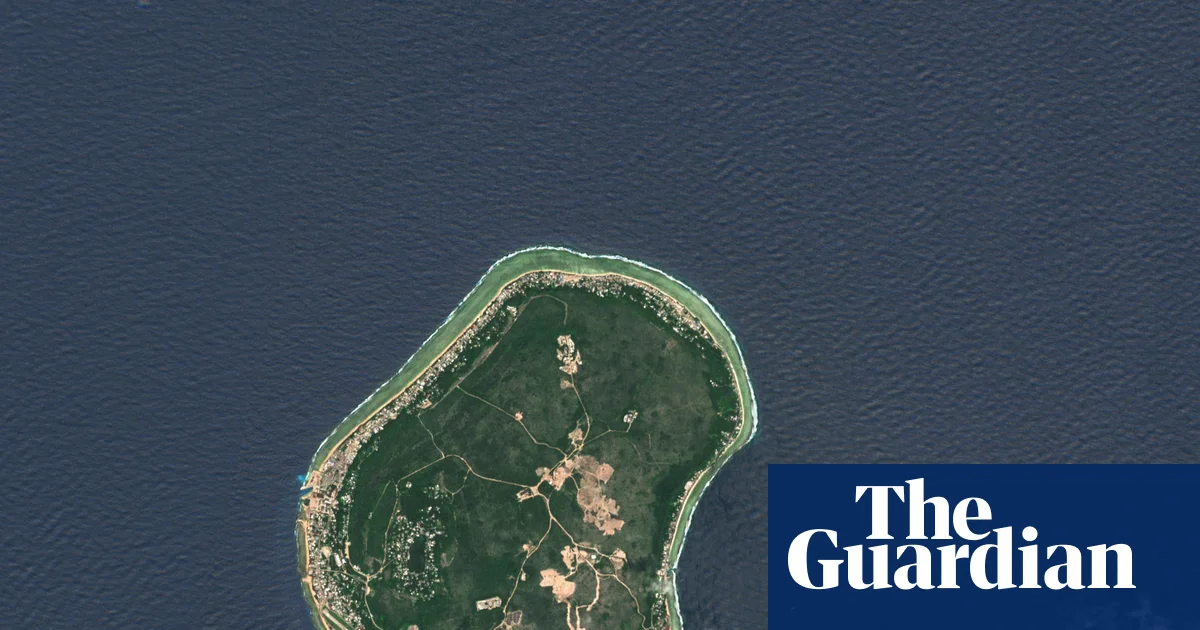
In recent months, Australia has become the focal point of a heated international debate centered around its harsh immigration policies, particularly concerning non-citizens and refugees. The government’s relentless push to deport individuals to remote Pacific islands such as Nauru has raised profound questions about human rights, legal sovereignty, and international relations. The case of an Iranian refugee, identified as TXCM, epitomizes this controversy and exposes the broader geopolitical implications of Australia’s policies. Legal battles over his potential deportation to Nauru—despite clear medical risks—highlight the government’s willingness to prioritize border enforcement over humanitarian considerations, a stance that threatens to destabilize Australia’s standing both regionally and globally.

Under the current government, led by Anthony Albanese, Australia has struck a controversial $2.5 billion deal with Nauru designed to transfer asylum seekers and non-citizens to the tiny Pacific island for long-term detention and visa arrangements. This agreement, enacted in February, serves as a strategic attempt to offload the strain on Australia’s immigration detention system, but it has sparked accusations of moral abdication. Critics, including international human rights organizations and domestic legal experts, argue that this approach “fuels kleptocracy” and dilutes Australia’s moral authority. The decision to extend 30-year visas to those sent to Nauru underscores how the government seeks to normalize indefinite detention, challenging traditional notions of justice and due process within a legal framework that many see as increasingly sidelined.

The legal controversy surrounding TXCM underscores a broader shift in policy and jurisprudence. His case—one of more than 350 non-citizens freed from indefinite detention after the 2023 High Court ruling—illustrates a turning point: the judiciary’s pushback against prolonged detention based on the impracticability of removal. However, recent legislative amendments have sought to undermine this trajectory. The ruling government has swiftly changed the Migration Act to eliminate “natural justice” rights for individuals on removal pathways—effectively stripping non-citizens of fair hearings once deportation is decided. Analysts warn that such measures threaten to embolden arbitrary state power, risking international condemnation and further destabilizing Australia’s diplomatic relations, especially with Iran and other nations whose citizens face deportation.

The geopolitical impact extends beyond Australia’s borders. The Nauru deal—while seemingly a matter of domestic policy—has profound regional consequences. It creates a precedent for other nations grappling with similar migration pressures, potentially emboldening authoritarian regimes to leverage migration controls as tools of strategic influence. European scholars and international organizations have warned that such policies risk fostering “authoritarian resilience” by enabling regimes to manipulate humanitarian norms for political gain. Meanwhile, countries like China observe closely, perceiving Australia’s approach as an example of border militarization that could inspire similar strategies across Asia-Pacific. The unfolding story of TXCM and Australia’s policies serve as a stark reminder that the decisions made now are shaping the future of global governance and sovereignty.

As history continues to unfold, the weight of these decisions cannot be overstated. Australia’s internal debates over justice, morality, and national security are emblematic of a larger global struggle—one where the lines between sovereignty and humanitarian responsibility are increasingly blurred. The coming months are likely to reveal whether Australia’s strict policies will withstand international scrutiny or become a cautionary tale of a nation grappling with its own moral compass. With each legal challenge and diplomatic fallout, the echoes of history grow louder, reminding the world that the choices made today will resonate through generations to come, defining the true character of nations in an uncertain new era.

Instagram and Facebook start shutting down accounts ahead of Australia's under-16 social media ban
Instagram and Facebook start shutting down accounts ahead of Australia’s under-16 social media ban

Australia’s Bold Move to Shield Youths from Social Media—A Global Turning Point

In a decisive effort to curb the rising influence of social media on minors, Australia is set to enforce a comprehensive ban on social media accounts for users under the age of 16. Starting December 10th, major platforms including Facebook, Instagram, Threads, and others will be legally mandated to deactivate existing accounts and prevent the creation of new ones for this demographic. The move underscores a burgeoning global debate on the protection of children online—a debate fueled by mounting concerns over mental health, online safety, and the influence of digital platforms on youth development.

Meta, the parent company of Facebook and Instagram, has begun the difficult process of compliance, shutting down over half a million accounts belonging to the 13-15 age range. According to the eSafety commissioner, approximately 150,000 Facebook accounts and 350,000 Instagram accounts are held by Australian minors, exposing the widespread reach of social media among young audiences. Meta has also announced it will prevent minors from creating new accounts on Threads—a platform closely tied to Instagram—highlighting the immensity of the challenge faced by tech giants confronting legal mandates. Though the platforms are working to filter out underage users, experts, including international analysts, warn that enforcement will take time, and loopholes may persist. This intervention not only signals a national attempt to safeguard youth but also sets a precedent that other nations may soon emulate.

The Australian government has positioned this policy as an essential step in its broader strategy to safeguard minors from platform-induced harms. Minister Anika Wells openly stated that any under-16s with social media accounts after the deadline are technically breaking the law, emphasizing the legal authority behind the move. Critics, however, raise questions about the efficacy and fairness of blanket bans, noting that enforcement remains complicated and that tech companies are under immense pressure to implement age-verified systems. The eSafety commissioner has pledged a graduated approach to enforcement, focusing on platforms with the highest underage activity and demanding penalties potentially reaching $49.5 million for non-compliance. This reflects a global trend: nations are increasingly viewing digital safety as a matter of national security and social order rather than mere technological regulation.

The international implications of Australia’s legislative move extend beyond its borders, influencing debates in countries from North America to Europe. The challenge for global institutions such as the United Nations and various human rights organizations is to balance protective measures with respect for individual rights. Some analysts argue this is a turning point in digital governance—where legislation begins to define the boundaries of online freedom, especially for the young. Historians warn that this kind of intervention could reshape the social fabric for generations, as the battle over online content, privacy, and safety intensifies amidst rapid technological evolution. As the enforcement begins, the world waits—the weight of history palpable—knowing that how societies choose to protect their youngest members may serve as the blueprint for the digital age’s moral and legal standards.

Australia's Under-16 Social Media Ban: What You Need to Know
Australia’s Under-16 Social Media Ban: What You Need to Know

Australia’s Bold Experiment in Protecting Young Minds: The First of Its Kind Social Media Ban

In a groundbreaking attempt to safeguard the mental health and wellbeing of its youth, Australia has enacted legislation banning under-16s from accessing major social media platforms starting 10 December 2025. This decision, unprecedented worldwide, places the nation at the forefront of a growing global debate over how to regulate the digital environment and protect the next generation from online harms. Platforms such as TikTok, X, Facebook, Instagram, YouTube, Snapchat, and Threads are now subject to stringent restrictions, including prohibitions on new account creation and mandates to deactivate existing profiles for minors. The move signals a potential shift in how societies prioritize the mental health of their youth amid concerns over exposure to harmful content, cyberbullying, and grooming behaviors.

Why Is Australia Leading This Social Revolution?

The Australian government argues that their pioneering legislation aims to mitigate the detrimental influence of social media’s design features, which often encourage excessive screen time and expose children to harmful content. According to a government-commissioned study conducted earlier in 2025, a staggering 96% of children aged 10-15 use social media, with 70% of them encountering misogynistic, violent, or pro-suicide material. Additionally, fears of grooming, cyberbullying, and eating disorder promotion have been heightened by reports of harmful interactions on these platforms. Analysts like Dr. Mark Johnson, a renowned international psychologist, highlight the correlation between online exposure and mental health issues among youth, emphasizing the importance of decisive regulatory measures. Such actions align with the recommendations of global health and safety organizations seeking to curb the exponential rise in adolescent mental health crises, especially in western democracies where social media usage is virtually universal.

Implementation, Challenges, and International Echoes

The legislation stipulates that under-16s will no longer be able to establish or maintain social media profiles, with companies facing fines of up to A$49.5 million (approximately US$32 million) for breaches. Key to enforcement are advanced age verification technologies, including government ID checks, face or voice recognition, and behavior-based age inference algorithms—though critics, including privacy advocates, argue these methods are still imperfect. Major companies like Meta and Snapchat have had to rapidly adapt, incorporating verification processes or risking substantial penalties. Some industry insiders express concern that these measures might incorrectly exclude adults or fail to detect underage users altogether. Meanwhile, other nations such as Denmark and Norway are contemplating similar bans, indicating a global movement towards tighter regulation over how digital spaces influence youth. The effectiveness of Australia’s approach remains to be tested, and debates about practical enforcement versus privacy rights continue to dominate political discourse.

The Broader Geopolitical and Societal Implications

This decisive stance sets a powerful precedent in the international arena. Critics contend that the legislation may drive some youth toward less regulated dark web corners, potentially exacerbating risks rather than alleviating them. The technological arms race to enforce age restrictions further complicates the issue, as platforms develop increasingly sophisticated methods to bypass restrictions or manipulate engagement metrics. Previous warnings by entities like UNICEF and various health organizations suggest that social media regulation is only one piece of a broader puzzle—young minds need education, resilience training, and stronger guardianship policies to truly thrive in the digital age. Nevertheless, Australia’s move sends a clear message: when the wellbeing of society’s most vulnerable is at stake, decisive action is required, even if it means redefining the rules of digital engagement.

As history continues to unfold in these digital battlegrounds, the question remains whether such bold reforms will stand the test of legal challenges, technological circumventions, and societal resistance. With each new policy, the very fabric of social interaction is being reshaped—raising a profound question for nations around the world: what price are societies willing to pay to protect their youth?

Australia’s Hate Crime Laws: Lacking Focus and Effectiveness

Australia’s Societal Divide Deepens as Hate Crimes and Social Tensions Rise

In an era marked by global conflict and cultural upheaval, Australia finds itself grappling with the complexities of hate crimes and social division. Recent debates around the effectiveness and consistency of hate crime legislation reveal a society torn between progress and inconsistency. The rise in reports of antisemitism, Islamophobia, and other forms of prejudice, especially in the wake of the war in Gaza, have put the spotlight on how the nation responds to such hate-fueled actions. While some communities experience targeted violence, others grapple with misunderstood or underreported incidents. As social cohesion hangs in the balance, experts emphasize the critical need for a unified, national approach to mitigate this mounting crisis.

The data available paints a picture of a society still struggling with how to handle hate crimes comprehensively. Since 2020, over 435 charges related to hate crimes have been documented across various jurisdictions, but the true scope remains elusive given inconsistent record-keeping. The divide in legislation across states—where some have specific hate crime laws while others consider such motivations as aggravating factors—further complicates enforcement. Communities face the harsh reality that the lack of a cohesive legal framework hampers justice. The disparity between jurisdictions raises critical questions about how social issues permeate education, family life, and community safety, often leaving vulnerable groups without adequate protection or recognition.”

Notably, only two police forces — NSW and Western Australia — have dedicated hate crime units, illustrating a broader systemic neglect. In NSW, the implementation of tougher laws in response to rising antisemitic incidents highlights an ongoing effort to curb intolerance, yet data suggests that prosecutions remain limited and often fraught with delays. Meanwhile, reports indicate that police statistics on hate crimes are incomplete or misclassified; in September, NSW police admitted to wrongly categorizing a significant number of incidents as antisemitic, including anti-Palestinian graffiti and protests. These gaps not only hinder justice but also undermine the moral fabric of a society that aspires to inclusivity. As social commentator and sociologist Dr. Jennifer Bowen notes, “Without consistent, comprehensive data and legislation, we awaken a society that is blind to its own fractures.”

Amidst these challenges, calls for a national hate crimes database and a unified legal definition grow louder. The 2024 Senate inquiry recommended establishing a comprehensive system, supported by experts who argue that consistent legislation across states and territories is critical to restoring social harmony. Yet, a debate persists over how best to accurately track and respond to prejudice, with concerns over the intrinsic difficulty of capturing all hate-motivated incidents. As Professor Nicole Asquith of the University of Tasmania emphasizes, “In our quest for social justice, clarity and consistency become the foundation for effectively safeguarding families and strengthening our societal bonds”. Society must confront the moral imperative to protect every community, fostering resilience in the face of adversity and ensuring that the social fabric does not unravel under the weight of prejudice.

Hope lies in the collective will to address these societal wounds. Awareness, education, and stronger legislation are vital, but so too is understanding the profound human impact behind these statistics. Each hate crime represents a family torn apart, a community divided, and a society grappling with its own identity. As the nation stands at this crossroad, perhaps it is society’s shared moral duty to forge a path toward justice, understanding, and unity. The challenge is formidable, yet within society’s resilience lies the potential to turn division into decisive action, and despair into hope—for Australia’s social fabric can yet be rewoven, stronger and more inclusive than before.

East Coast heads for heat surge following Western Australia’s record October temperatures

The recent surge of unprecedented October heat across Australia highlights the growing severity of climate change and its disruptive impact on global weather patterns. Meteorologists report that record-breaking temperatures are sweeping through states like South Australia, Queensland, and New South Wales, with Sydney and Brisbane facing high 30s—signaling a dangerous escalation in extreme weather events. According to Dean Narramore, senior meteorologist at the Bureau of Meteorology, the conditions represent “a very big day of weather,” with the potential for widespread record-breaking heat and destructive thunderstorms. These developments are not isolated anomalies but are consistent with a disturbing trend of rising temperatures—Australia’s land surface having warmed by 1.5°C since 1910, a trajectory that international climate experts warn could lead to even more catastrophic events in the future.

Over the weekend, the thermometer soared to alarming levels in Western Australia and South Australia, with locations like Telfer reaching a scorching 44.3°C. These temperatures are not only startling in isolation but serve as grim indicators of how climate crises exacerbate the severity and frequency of forest fires, heatwaves, and severe thunderstorms. As analysts from various international organizations emphasize, such extreme weather events threaten not only the environment but also the safety and socio-economic stability of nations. Experts warn that many regions could see temperatures between 10 to 16°C above normal, with some areas potentially exceeding 18°C—an indication that the resilience of societies will be tested as never before. The increasing frequency of these events underscores a stark reality: decisive global action on climate change is no longer optional but an urgent necessity.

The geopolitical impact of these climate-induced shocks is profound. Australian authorities are signaling a worsening fire danger, with models forecasting “extreme fire dangers” across multiple states, including parts of metropolitan Sydney and regional Queensland. Historically, such conditions have led to devastating wildfires, which displace communities, destroy ecosystems, and strain emergency services. This pattern is a stark reminder to international observers that climate change is no longer an abstract threat—it’s an immediate crisis capable of destabilizing entire regions. The significance extends beyond Australia; as global climate systems become increasingly volatile, nations must confront the reality that unchecked emissions contribute to a world where extreme weather is the new normal. International commentary concurs that geopolitics will increasingly revolve around climate resilience, resource management, and adaptation strategies.

As the weather worsens, the bleak horizon of climate diplomacy looms large. Critics argue that successive United Nations climate accords have failed to deliver meaningful reductions in greenhouse gases, thus amplifying the frequency of such catastrophic events. Some analysts suggest that the world is entering a new era—“where weather becomes the battleground for global power and stability.” This phrase encapsulates the notion that nations with the capacity for resilience and adaptation may gain an advantage, while others buckle under the weight of climate-induced turmoil. Historian and climate analyst Dr. Helen Roberts warns that the current trajectory risks a future where society’s most vulnerable face the brunt of environmental chaos—adversely impacting social cohesion and economic security. As the nations of the world continue to grapple with these unfolding realities, one thing remains clear: the clock is ticking, and the pages of history await the decisive chapters that will determine humanity’s fate amid the dawn of a new climate epoch.

Australia’s ‘Messy’ Trend Fueling Youth Unemployment Concerns

The Fragile Equilibrium: How Economic Policies and International Shifts Reshape Global Power

As Australia projects confidence on the global stage, highlighting its resilient labor market amidst volatile economic indicators, broader geopolitical repercussions come into focus. During this week’s G20 summit in Washington, Finance Minister Jim Chalmers has been vocal about Australia’s economic growth, emphasizing the strength of its employment sector as a model for stability. Yet, beneath this veneer of resilience lies an undercurrent of uncertainty, revealing how national economic decisions impact global power dynamics and societal realities. Major international organizations, such as the IMF and World Bank, continue to monitor these shifts closely, warning that regional economic health is increasingly interlinked with geopolitical stability.

The recent uptick in Australia’s unemployment rate—rising unexpectedly to 4.5%, the highest in nearly four years—serves as a stark reminder of vulnerability despite apparent prosperity. Historians and analysts warn that such fluctuations are not merely localized technicalities but embody profound systemic vulnerabilities that can ripple across economies. The Reserve Bank of Australia (RBA) is caught between balancing inflation reduction and maintaining full employment, a dilemma common among central banks worldwide. As Shane Oliver, chief economist at AMP, notes, this “messy handover” from public to private employment sectors exposes the fragility of current economic strategies. When around 80-90% of recent employment gains came from heavily subsidized or taxpayer-funded sectors, questions arise regarding the sustainability of such growth models—an issue that reverberates across other nations with similar reliance on government-driven job creation.

Global Reflections: How Decision-Making Shapes Societies

The geopolitical impact of these economic shifts extends beyond regional borders, influencing the strategic calculations of China, the United States, and European Union. As fiscal strategies pivot in response to labor market tremors, nations find themselves recalibrating their geopolitical stance to safeguard their interests. For example, China benefits from the perception of economic resilience in nations like Australia, bolstering its influence in the Indo-Pacific region. Meanwhile, the United States faces mounting pressures from inflation and inflation control measures that could impact global markets, especially if the Federal Reserve follows suit with aggressive rate adjustments. The Eurovision of economic powerhouses is becoming increasingly intertwined with military and diplomatic posturing, underscoring the interconnectedness of trade policies and international security.

Experts warn that these economic decisions must be viewed through the lens of their long-term geopolitical implications. The article’s analysis reveals a pattern where minor policy shifts—such as a central bank’s rate cut—can have cascading consequences, influencing not just financial markets but also diplomatic alliances and regional stability. International organizations have repeatedly emphasized that economic resilience in one nation can serve as a stabilizing force or, conversely, a source of instability if mismanaged. As history has shown, the epoch-defining struggles of the 20th century—entities like the League of Nations or the early United Nations—were born in the crucible of economic upheaval, reminding the world that economic stability and peace are indivisible.

Uncertain Futures and the Weight of History

As the geopolitical ballet unfolds, the decisions made by central banks, governments, and international bodies will determine whether societies forge paths toward greater stability or slide into chaos. The signs of a “messy handover” in employment sectors, coupled with the geopolitical ramifications of economic policies, suggest that the world remains perched on a precipice—a fragile equilibrium requiring prudent leadership and foresight. Just as the global community watched the rise and fall of empires, today’s policymakers are carving their legacy amidst the shifting sands of economic and political power. This unfolding chapter in history serves as a stark warning: the interplay of economic imperatives and geopolitical ambitions will ultimately define the course of nations and societies for generations to come.

Social Media Auto Publish Powered By : XYZScripts.com