Matox News

Truth Over Trends, always!

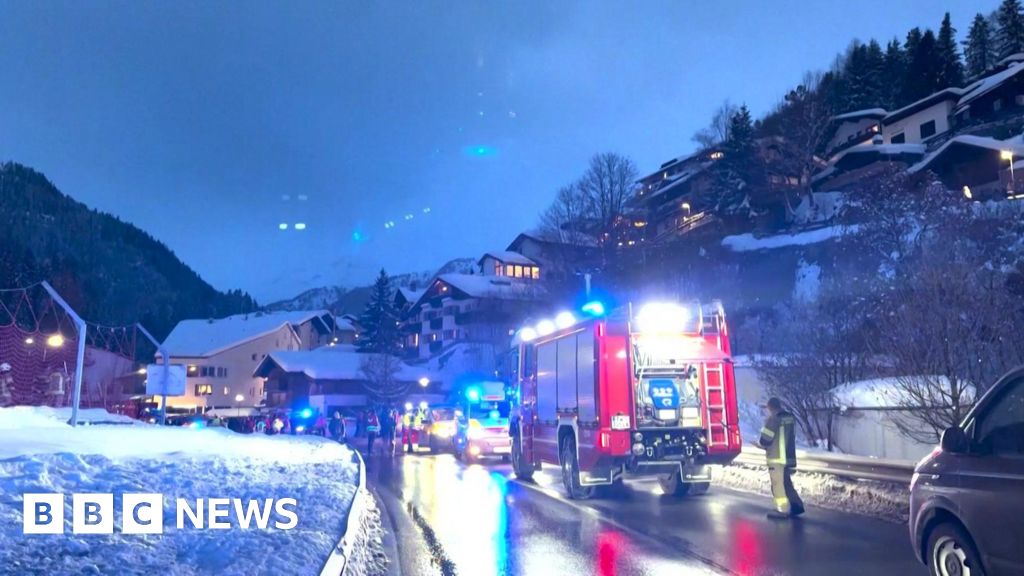
Avalanche Tragedy in the Austrian Alps: Five Lives Lost

In a tragic turn of events, a man skiing with his son was among those who lost their lives in the devastating avalanche that struck the European Alps this past Friday. The incident has catapulted the region’s winter disaster toll to at least 21 lives lost this season, underscoring the escalating risks associated with changing climate patterns and increased recreational activity in mountainous areas. It is a stark reminder that, despite advances in safety technology and rescue operations, nature’s fury remains unpredictable and deadly.

Beyond the immediate human tragedy, this avalanche underscores the broader geopolitical and societal implications of climate change and regional safety policies. The Alps, spanning several nations including France, Switzerland, Italy, and Austria, have long been a shared economic asset, underpinning tourism and local livelihoods. However, climate scientists suggest that rising temperatures are destabilizing snowpacks and increasing the frequency and severity of such natural disasters. According to recent reports from the Intergovernmental Panel on Climate Change, the Alps’ snow cover has decreased significantly over the past decades, amplifying the danger and economic costs associated with winter sports.

This increasing frequency of avalanches has prompted many regional governments and international watchdogs, such as the United Nations Environment Programme, to reconsider their strategies on climate mitigation and disaster preparedness. Yet, critics argue that political inertia and conflicting national priorities hinder effective cooperation, especially in the face of mounting economic pressures from seasonal tourism. Analysts warn that if collective action is not accelerated, the Alps and similar fragile ecosystems worldwide will face continued vulnerabilities, affecting not just local communities but global perceptions of climate resilience and environmental stewardship.

The recent tragedy is also viewed through the lens of geopolitical stability and regional cooperation. European nations depend heavily on cross-border cooperation to manage natural disasters in shared spaces, yet the recurrence of such events exposes the gaps in coordination and resource distribution. As historians like Dr. Elias Barrett note, these crises could either serve as wake-up calls for renewed multilateral efforts or deepen divisions, especially amidst the ongoing energy debates and economic uncertainties gripping Europe. The avalanche’s aftermath has reignited calls for comprehensive safety policies, improved surveillance technology, and early warning systems that could save lives in future incidents.

In the unfolding narrative of our time, these natural disasters are more than isolated tragedies—they are the frontlines of a global struggle to confront environmental change, geopolitical cooperation, and societal resilience. As authorities and citizens grapple with the memory of lives lost and the future risks ahead, history quietly records the moment—on snowy peaks where nature’s power remains unyielding. The way nations respond today will shape the legacy they leave for generations to come, leaving the world to ponder: will this be a turning point in collective action, or a prelude to more devastating chapters in environmental catastrophe?


Austrian Nuns Secure New Lease on Life at Abandoned Convent

Global Impact of a Local Scandal: Austria’s Convent in the Crosshairs

The story of three Austrian nuns—Sister Bernadette, Sister Regina, and Sister Rita—has transcended local boundaries to ignite an international debate on faith, societal values, and the influence of social media. Residing within the historic Schloss Goldenstein convent near Salzburg, these elderly women, who historically dedicated their lives to spiritual service, have unexpectedly become icons of a burgeoning cultural conflict. Their decision to reoccupy their long-held home after being removed to a care facility against their wishes has stirred a whirlwind of controversy, highlighting the tension between religious tradition and contemporary societal pressures.

In a move that can be seen as a symbolic stand against the encroachments of modernity, the nuns’ community has garnered nearly 100,000 followers on social media platforms like Instagram and Facebook, where they share moments of prayer, daily routines, and even fitness routines, such as Sister Rita’s boxing workouts. Their social media presence, supported by sympathetic former students and supporters, has challenged the authorities’ attempt to suppress their voice, prompting questions about the role of technology as a tool for empowerment versus control. The Church authorities now find themselves in a precarious position, trying to contain the narrative while enforcing discipline, with Andrea historians warning that this case exemplifies the growing divide between faith communities and modern social values.

Decision to Halt Social Media and Restrict Access: Geopolitical Ramifications

Recently, Church officials offered the nuns the chance to remain at Kloster Goldenstein with conditions: they could stay if they ceased their social media activities and restricted access to the enclosed parts of the convent. This decision exemplifies a broader strategy by religious institutions to control their image in increasingly digital societies, where social media alters power dynamics. Harald Schiffl, a spokesman for the authorities, emphasized that the nuns’ social media activities would be a key condition, framing their online presence as a threat to their traditional roles. This response signals a wider struggle within the European Union—where conservative and progressive forces vie for influence—highlighting the geopolitical impact of local religious disputes. Critical international organizations such as the Council of Europe warn that these tensions could reflect a wider erosion of religious freedoms in Europe, where societal liberalization often clashes with centuries-old institutions.

Using historical analysis, some scholars suggest that the nuns’ predicament mirrors a resurgence of traditionalism in the face of modern secular society. Other analysts argue that the Church’s move to suppress the nuns’ social activism might backfire, fueling resistance against authoritarian tendencies within religious hierarchies. The case has also spotlighted Austria’s delicate balance between maintaining cultural heritage and embracing the social fluidity of a diverse, globalized Europe. As the government contemplates its position, the incident underscores how decisions taken in one country ripple across borders, influencing debates about religious identity, individual rights, and societal cohesion within the wider European context.

The Dawn of a New Epoch or the End of an Era?

With negotiations ongoing and the nuns still residing at their convent, the world watches as this small but potent controversy unfolds. The Church’s insistence on control, coupled with the nuns’ staunch resistance and social media activism, sketches a vivid portrait of societal change in motion. International commentators warn that this story is more than a local squabble—it is a microcosm of the global clash between tradition and transformation. As the nuns’ future remains uncertain, history echoes a warning: societies that suppress voices rooted in their past risk losing their very soul. Whether this chapter ends with reconciliation or prolongs into further upheaval, the echoes of their story will reverberate in the corridors of history, shaping the narrative of faith and freedom for generations to come.

Social Media Auto Publish Powered By : XYZScripts.com


