
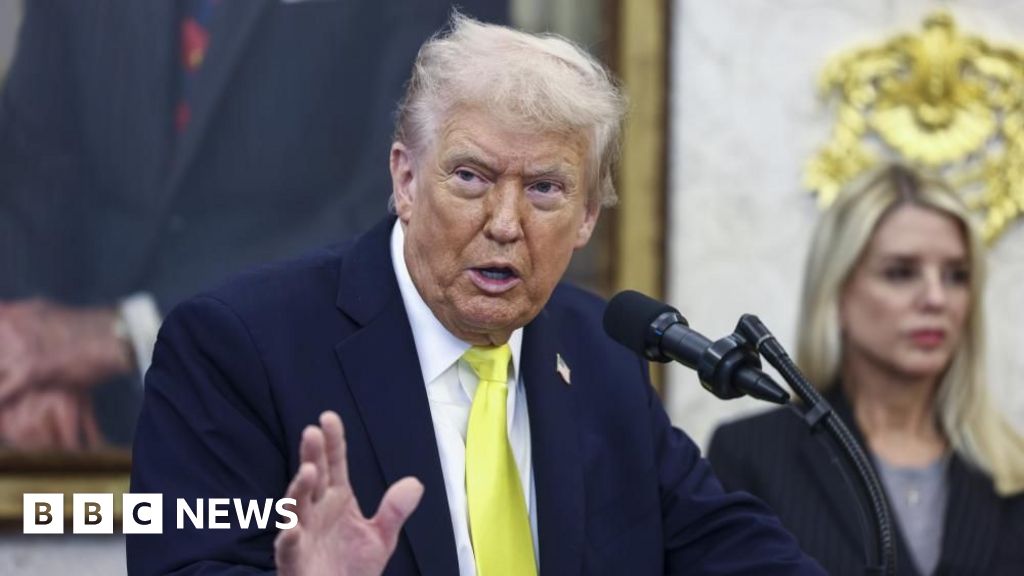

The United States has taken a dramatic shift in its policy towards Venezuela, confirming that it has authorized the CIA to engage in covert operations within the South American nation. This move, announced by President Donald Trump, signals an escalation in the ongoing struggle for influence and control over Venezuela’s vast natural resources and strategic position. The US’s increased military posture, which includes deploying eight warships, a nuclear submarine, and fighter jets to the Caribbean, underscores a broader aim to counter what Washington perceives as illicit activities, namely drug trafficking and potential regime destabilization.
The US leadership openly admits to considering *further strikes* on suspected drug-carrying vessels, with recent operations killing 27 individuals in what critics have labeled *extrajudicial executions*. These strikes exemplify a hawkish approach in American foreign policy, driven by the desire to disrupt regional black markets linked to the so-called *Cartel of the Suns*—allegedly comprising high-ranking Venezuelan military figures. While the US administration claims that these actions are justified by concerns over drug trafficking and illegal immigration, critics from the United Nations and international human rights organizations argue that such operations undermine international law and threaten regional stability. The ideological divide deepens as Caracas responds with military exercises, mobilizing the country’s military, police, and civilian militias in a show of defiance against what it considers US interference.
Analysts point out that this escalation is emblematic of the larger geopolitical tug-of-war between the US and Russia and China—who have historically backed Venezuela’s government. While the US aims to dislodge Maduro’s regime, perceived by Washington as illegitimate following disputed elections, Caracas maintains that such actions are part of a broader conspiracy to *plunder its rich oil reserves*. The Venezuelan leadership has issued stark warnings, mobilizing its military and civilians to defend the nation and rallying the population by invoking the legacy of liberation hero Simón Bolívar. “Let no aggressor dare” resounds through official channels, underscoring how deeply entrenched the conflict is within the national consciousness.
According to respected international organizations and foreign policy experts, these developments could have profound long-term effects on regional stability and global energy markets. The US perceives Venezuela’s oil wealth as a prize worth fighting for, and its actions risk igniting broader conflicts in Latin America. Historian and geopolitical analyst John Smith warns that this renewed brinkmanship echoes Cold War-era interventions, which often resulted in protracted instability and humanitarian crises. As Maduro and his supporters dig in, the world faces a pivotal moment—one that could redefine the future of the Americas and challenge the rules-based international order itself. As history continues to unfold, the weight of these decisions will echo through generations, with the very fabric of sovereignty and international law hanging in the balance.





