
Matox News

Truth Over Trends, always!

Target’s Omni Auto Scoring System Sets a New Bullseye for Tech Gaming

Target Darts Breaks New Ground with Omni Auto Scoring System, Ushering in a Digital Renaissance in Traditional Gaming

The Target Darts Omni Auto Scoring System represents a significant leap forward in the evolution of electronic sports, pioneering a nexus of disruption, innovation, and connectivity in the classic game of darts. As emerging technologies continue to reshape how raw skill is matched with data-driven insights, this system marries high-precision HD cameras with a sophisticated app platform, redefining both casual play and serious training. Tech industry leaders and sports analysts, including Gartner and MIT’s Media Lab, have increasingly highlighted the importance of integrating IoT and AI into traditional games, and Target Darts’ latest offering exemplifies this trend at a consumer-friendly scale.

At the core of this innovation are features such as

  • HD cameras that precisely record each dart’s impact in real-time
  • An app that compiles comprehensive playing statistics
  • Multiple practice modes and customizable match parameters

This technological disruption not only elevates the gaming experience but also opens vast business possibilities. The system’s integration with the DartCounter app enables online multiplayer functionality—a feature that has become a prime growth driver in the esports sector. Over 100 live matches in progress at any given time underscore the rapidly expanding online community, echoing industry forecasts from firms like Newzoo, which estimate that digital sports will outpace traditional venues within the next five years. Subscriptions for advanced features are priced affordably at $6/month or $40/year, creating an accessible revenue model akin to Netflix’s success, yet tailored to the niche of competitive darts. Companies that leverage these platforms will likely dominate the future of connected, data-enhanced sports.

Yet, the true business implications extend beyond sheer entertainment. As automation and telemetry become embedded in recreational activities, industries like physical training, health monitoring, and even entertainment hardware will undergo market shifts towards premium, connected experiences. The adoption of smart dartboards exemplifies a larger trend towards disruption in traditional leisure industries through IoT and AI innovations, a dynamic forecasted by analysts such as Peter Thiel and Elon Musk, who see AI-driven customization as the future of consumer engagement.

Looking ahead, this integration signals a compelling call to action for entrepreneurs, investors, and industry giants: the game is no longer confined to physical skill alone—digital ecosystems, data analytics, and multiplayer connectivity are rapidly transforming the competitive landscape. Companies that harness this trend must innovate swiftly or risk being left behind in a future where connected smart entertainment devices are as ubiquitous as smartphones. The Target Darts Omni Auto Scoring System is not just a novelty; it’s a forecast of the disruptive wave sweeping through conventional sports and leisure markets—an imperative for those who refuse to accept stagnation in a rapidly evolving tech-driven world.
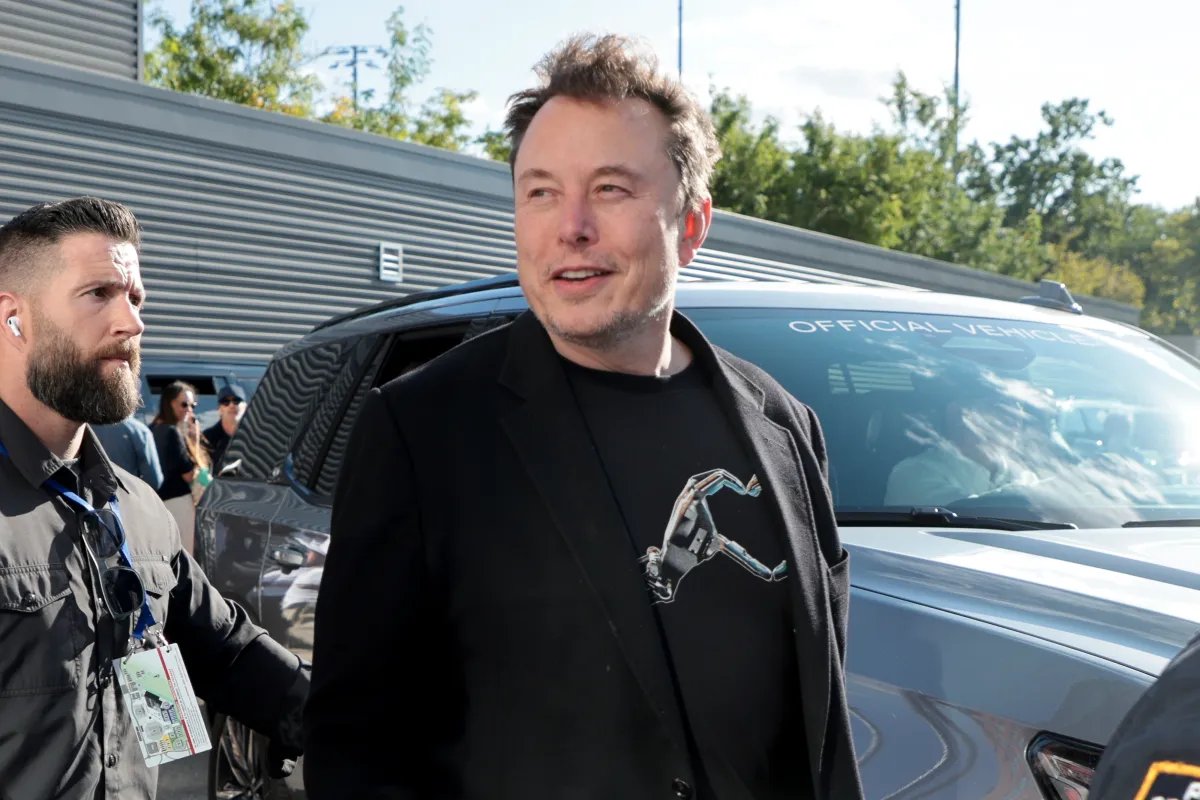

Elon Musk warns on Tesla’s ‘robot army’ as auto sales bounce back

Tesla’s Record Sales Highlight Innovation Amid Industry Disruption

In a significant stride toward redefining the automotive and AI landscape, Tesla reported a record-breaking vehicle delivery volume in Q3 2025, driven largely by the government’s expiring federal EV tax credits. Despite this surge, the company’s earnings did not scale proportionally, with profits declining 37% compared to the same quarter last year. This disparity underscores the escalating costs associated with Tesla’s relentless push into AI and robotics innovation, which, according to industry analysts, could reshape transportation and healthcare sectors for decades to come. Tesla’s strategic pivot appears to threaten established industry paradigms, signaling a fundamental industry shift towards autonomous systems that could rival traditional automotive revenue streams.

Much of Tesla’s financial challenge stems from a 50% spike in operating expenses, largely due to investments in artificial intelligence (AI), research and development (R&D), and restructuring charges—potentially related to the controversial shutdown of its six-year-old Dojo supercomputer project. This costly push into AI aligns with CEO Elon Musk‘s vision of creating a “robot army,” notably through scaling its Full Self-Driving and Robotaxi initiatives, which Musk claims will fundamentally transform transportation. However, early production hurdles and the costly race for technological supremacy have amplified concerns among industry evaluators like Gartner and MIT about the sustainability of Tesla’s disruptive ambitions amid tightening margins.

As Musk pledges to develop the third iteration of Optimus– the company’s humanoid robot, the industry watches closely. While Musk’s rhetoric promises a future where Optimus could eradicate poverty and provide advanced medical care, experts warn that such a narrative veers into the realm of *speculative hype*, overshadowing the tangible engineering challenges and competitive pressures at play. Tesla’s increased capital expenditures—expected to grow *substantially* in 2026—reflect the intense competition for AI talent, as well as the strategic necessity to stay ahead in a technology war where timing and real-world deployment are critical. The ongoing battle over AI dominance is not merely technological; it is a watershed moment that could determine which players will lead the next global economic cycle.

  • Despite the fiscal costs, Musk remains committed to reshaping industry standards, predicting that AI-driven systems will eventually create a more equitable world.
  • Tesla’s plans for a two-seater “Cybercab” and advanced humanoid robots mark a clear departure from traditional automaking, solidifying the company’s position as a disruptive tech titan.
  • The looming question remains whether Tesla’s heavy investments and rapid innovation can deliver on Musk’s ambitious claims without destabilizing its core profits or alienating investors.

Looking ahead, the rapidly evolving AI and robotics sectors are poised to determine the next wave of industrial disruption. As Tesla accelerates its push into autonomous systems, the industry braces for a period of intense upheaval—one that could not only redefine mobility but also challenge policymakers, regulators, and global markets alike. With Musk’s bold vision and substantial capital commitments, the race is on. The question now is whether Tesla’s innovations will carve the future or become a costly gamble that delays true industry transformation. Time is of the essence for those who wish to lead in this new era—those who hesitate risk missing the seismic shifts that will shape the 21st century.

Social Media Auto Publish Powered By : XYZScripts.com


