Matox News

Truth Over Trends, always!

Avalanche Tragedy in the Austrian Alps: Five Lives Lost

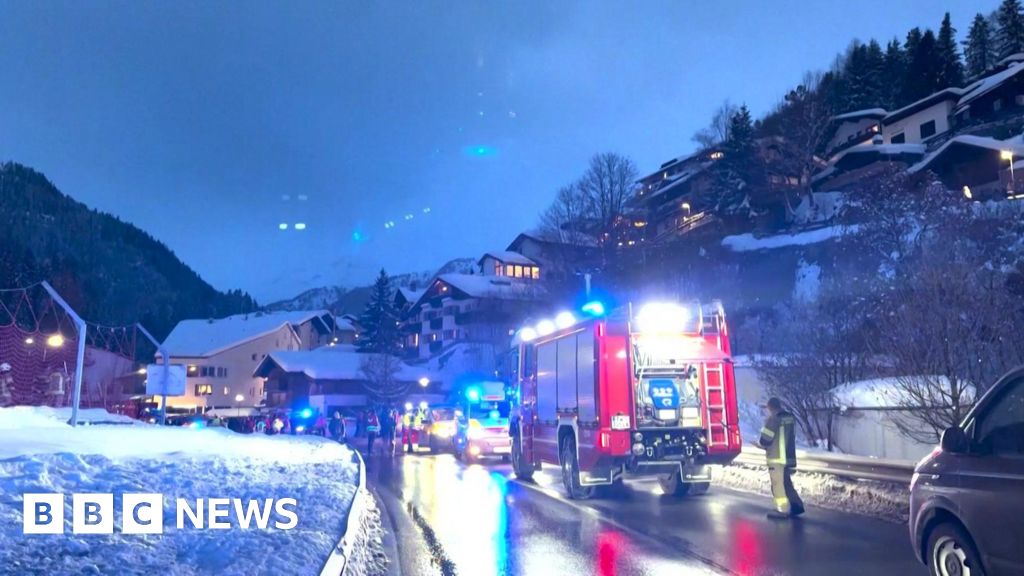
In a tragic turn of events, a man skiing with his son was among those who lost their lives in the devastating avalanche that struck the European Alps this past Friday. The incident has catapulted the region’s winter disaster toll to at least 21 lives lost this season, underscoring the escalating risks associated with changing climate patterns and increased recreational activity in mountainous areas. It is a stark reminder that, despite advances in safety technology and rescue operations, nature’s fury remains unpredictable and deadly.

Beyond the immediate human tragedy, this avalanche underscores the broader geopolitical and societal implications of climate change and regional safety policies. The Alps, spanning several nations including France, Switzerland, Italy, and Austria, have long been a shared economic asset, underpinning tourism and local livelihoods. However, climate scientists suggest that rising temperatures are destabilizing snowpacks and increasing the frequency and severity of such natural disasters. According to recent reports from the Intergovernmental Panel on Climate Change, the Alps’ snow cover has decreased significantly over the past decades, amplifying the danger and economic costs associated with winter sports.

This increasing frequency of avalanches has prompted many regional governments and international watchdogs, such as the United Nations Environment Programme, to reconsider their strategies on climate mitigation and disaster preparedness. Yet, critics argue that political inertia and conflicting national priorities hinder effective cooperation, especially in the face of mounting economic pressures from seasonal tourism. Analysts warn that if collective action is not accelerated, the Alps and similar fragile ecosystems worldwide will face continued vulnerabilities, affecting not just local communities but global perceptions of climate resilience and environmental stewardship.

The recent tragedy is also viewed through the lens of geopolitical stability and regional cooperation. European nations depend heavily on cross-border cooperation to manage natural disasters in shared spaces, yet the recurrence of such events exposes the gaps in coordination and resource distribution. As historians like Dr. Elias Barrett note, these crises could either serve as wake-up calls for renewed multilateral efforts or deepen divisions, especially amidst the ongoing energy debates and economic uncertainties gripping Europe. The avalanche’s aftermath has reignited calls for comprehensive safety policies, improved surveillance technology, and early warning systems that could save lives in future incidents.

In the unfolding narrative of our time, these natural disasters are more than isolated tragedies—they are the frontlines of a global struggle to confront environmental change, geopolitical cooperation, and societal resilience. As authorities and citizens grapple with the memory of lives lost and the future risks ahead, history quietly records the moment—on snowy peaks where nature’s power remains unyielding. The way nations respond today will shape the legacy they leave for generations to come, leaving the world to ponder: will this be a turning point in collective action, or a prelude to more devastating chapters in environmental catastrophe?
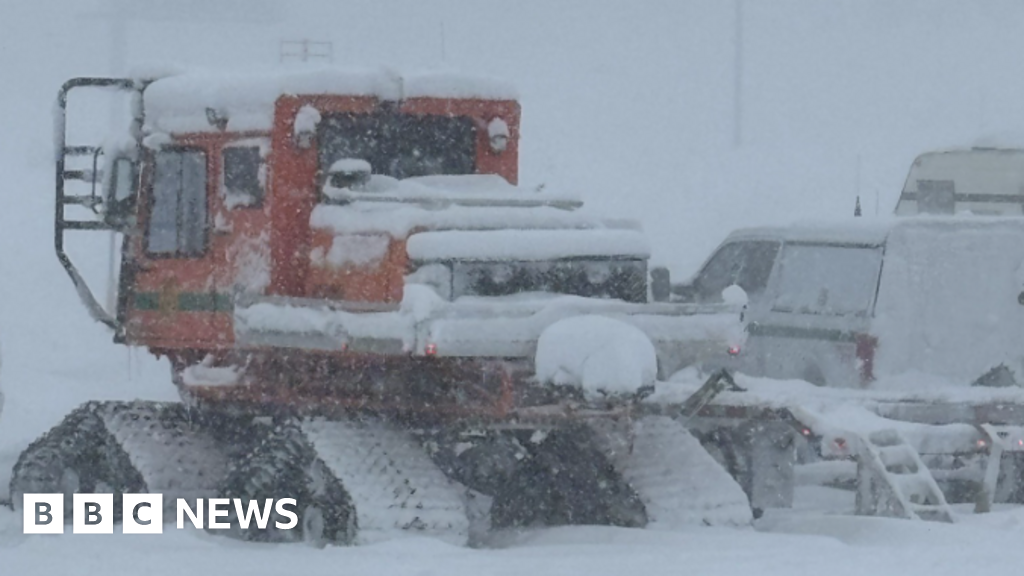
Six Friends Among Avalanche Victims in California—A Tragedy for Our Community

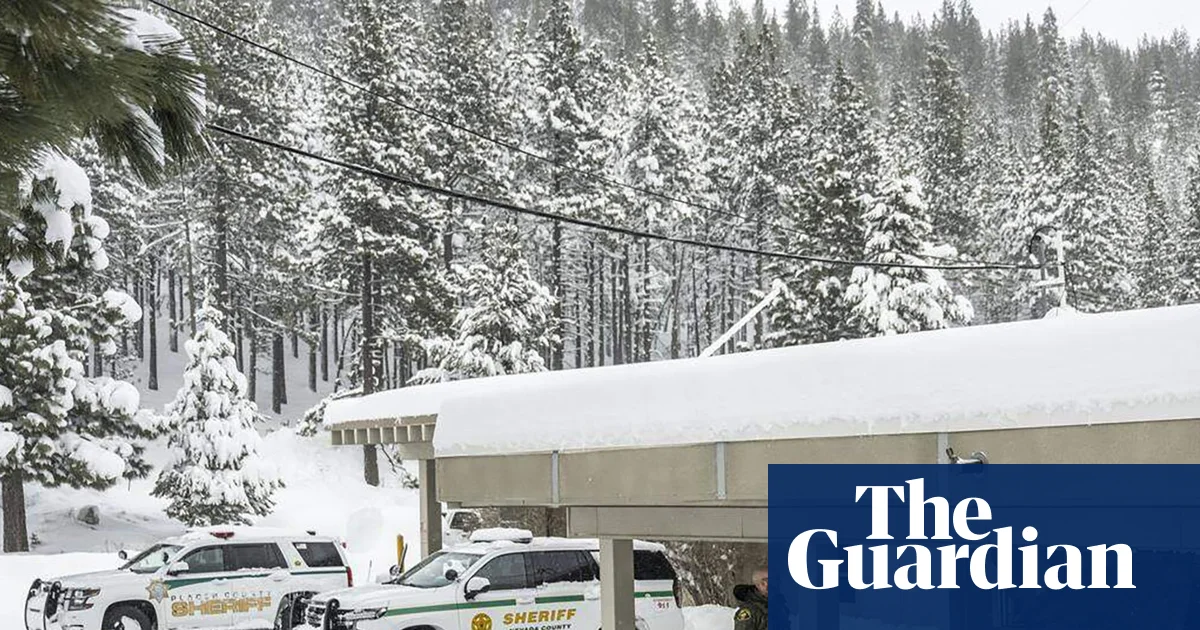
The recent tragedy in California’s Sierra Nevada region has sent shockwaves through the international community, highlighting both the risks of extreme outdoor pursuits and the unpredictable power of nature. An avalanche in the Castle Peak area claimed the lives of eight individuals, with six survivors and one person still missing. The victims, including a nurse, a technology consultant, and community volunteers, belonged to a close-knit group of experienced backcountry skiers, underscoring how even the most prepared can fall prey to nature’s unforgiving forces. This incident, the deadliest in the region’s recent history, raises urgent questions about climate-driven changes that intensify avalanche risks, especially in a time of widespread environmental uncertainty.

Analysts and international organizations are closely watching the escalating dangers posed by snow droughts and unseasonal weather patterns. The avalanche’s occurrence amid California’s ongoing snow drought, exacerbated by climate change, demonstrates a critical, turning point in environmental stability. Climate scientists warn that such phenomena undermine traditional winter ecosystems and threaten outdoor recreation and local economies reliant on tourism and winter sports. Sovereign nations along mountain ranges—from Switzerland to Japan—are re-evaluating their avalanche safety protocols, with some calling for stricter safety measures and environmental policies. As noted by international environmental analysts, the increasingly erratic weather underscores the dangerous, uncertain future of alpine environments—a threat not only to thrill-seekers but to entire communities intertwined with mountain life.

Meanwhile, the United States is facing internal questions about the adequacy of safety measures in the face of rising natural disasters. State officials and local authorities are reviewing protocols for avalanche warnings and backcountry travel, especially after incidents like this highlight a deepened vulnerability. Critics argue that insufficient investment in safety infrastructure, combined with climate-induced instability, has left many mountain regions exposed. The tragedy has also sparked a broader debate on how international yet localized decisions—such as environmental policies and emergency preparedness—shape the resilience of societies in the face of natural disasters.

Historically, **mountain communities** have been at the mercy of forces beyond their control, but recent patterns suggest that human decisions—especially regarding climate policies—have a compounded impact. Scientists warn that if global cooperation fails to address environmental degradation, the frequency and severity of such tragedies could multiply. The United Nations and other leading entities remain divided on urgent climate action, with some nations resisting aggressive measures that threaten short-term economic interests. As the world watches this unfolding story, history reminds us that the choices made today will resonate across future generations, carving the trajectory of civilization amidst a rapidly changing planet. The weight of this tragedy is not only felt in California but echoes a global warning—a testament to the fragile boundary between human ambition and natural chaos, a line that is increasingly blurred as time progresses.

Rescue crews hunt for 10 missing skiers after California avalanche disaster

Amidst the relentless advance of nature’s fury, authorities across several nations are mobilizing to confront a formidable storm that has inflicted approximately 30 inches (76cm) of snowfall in just 24 hours. This unprecedented meteorological event, while seemingly a localized natural disaster, underscores a broader geopolitical impact that resonates within the corridors of power worldwide. Countries with vulnerable infrastructure face not only immediate humanitarian crises but also deeper questions about resilience, climate policy, and geopolitical stability.

Rescuers racing to provide aid exemplify the immediate human toll, but beneath this urgent response lies a complex web of international considerations. The affected regions, often situated near critical transit routes or strategic borders, highlight how natural calamities can rapidly influence global supply chains and diplomatic relations. Analysts warn that if global temperatures continue to rise unchecked, such storms could become more frequent and severe, further destabilizing already fragile political landscapes. The actions of nations today—whether in deploying rescue operations or in negotiating climate commitments—will shape the future balance of power and societal stability on an international scale.

Historically, crises of this magnitude have exposed underlying deficiencies in national infrastructures and governance. Experts like Dr. Katherine Liu, a senior analyst at the International Crisis Group, emphasize that the current weather event acts as a mirror reflecting the resilience levels of different countries. In the face of such unpredictability a rising number of policymakers are questioning traditional models of disaster preparedness and climate policy. This disaster could serve as a wake-up call for nations to prioritize adaptive strategies and reinforce their sovereignty against both natural and man-made threats.

As emergency crews work tirelessly in the snow-swept terrain, the world observes how the unfolding response will influence broader geopolitical currents. The storm’s aftermath could lead to increased cooperation among neighboring nations or, conversely, exacerbate existing tensions over resource allocation and territorial disputes. International organizations, caught between humanitarian imperatives and geopolitical interests, are urging restraint and unity. Yet, history warns us that crises often strain the fabric of diplomacy, leaving nations at a crossroads where their next moves will determine whether they build bridges or deepen divides. With the weight of history pressing down, the ongoing struggle to recover from this brutal winter ordeal leaves the global community contemplating the formidable forces shaping our future—the unstoppable march of climate change, the resilience of human societies, and the relentless pursuit of power amid chaos.

Avalanche in Italy claims five lives, including father and daughter—tragedy strikes the mountains

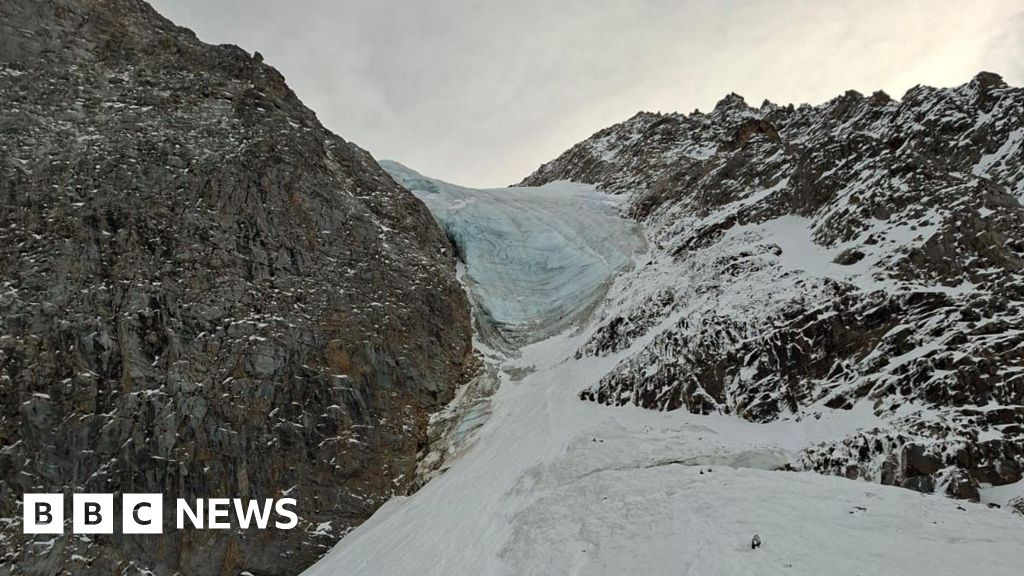
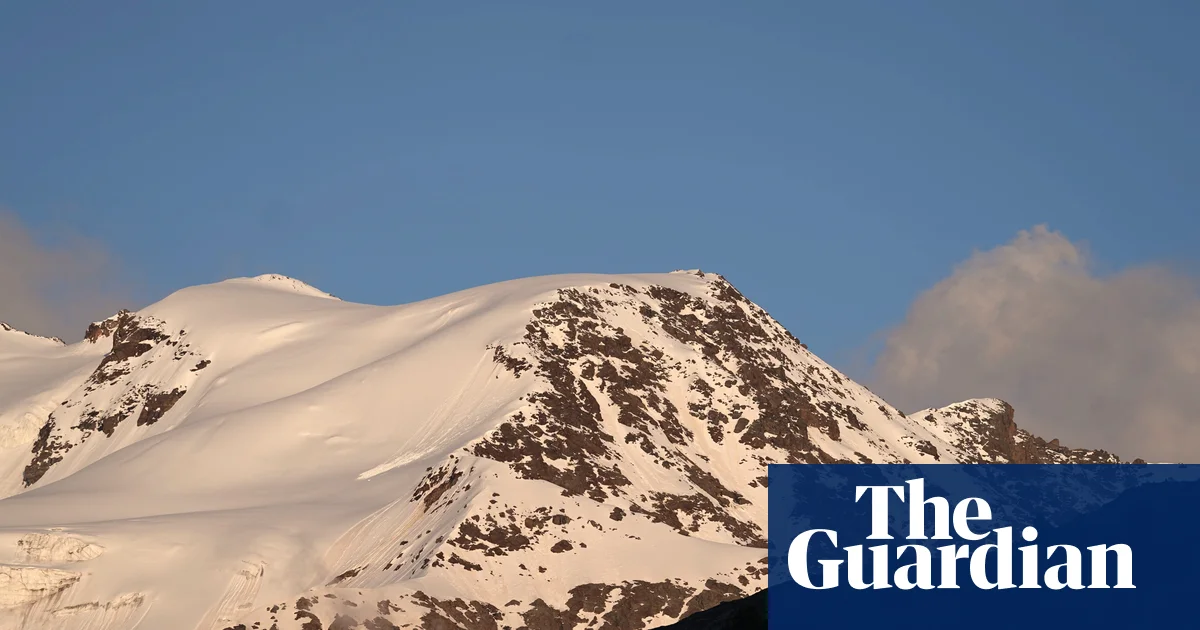
The recent avalanche tragedy in Italy’s Dolomite mountains has cast a stark light on the growing dangers posed by shifting climatic conditions in iconic alpine regions. Five German mountaineers, including a 17-year-old girl and her father, lost their lives amid a sudden and destructive snowslide on Cima Vertana in the spectacular yet perilous Ortler Alps. This incident underscores the multilateral risks confronting modern mountain sports, even as thousands of enthusiasts continue to pursue adventure in these treacherous terrains. The event has ignited alarm within international mountaineering circles and has prompted urgent questions about how climate anomalies are magnifying the risks faced by climbers worldwide.

According to rescue officials, the avalanche was likely triggered by recent snowdrifts that had failed to bond with the underlying ice, a phenomena increasingly associated with the unpredictable impacts of climate change. Olaf Reinstadler, spokesperson for the Sulden Mountain Rescue Service, pointed out that weather conditions had been generally favorable, yet the timing of the climbers’ ascent—late in the afternoon—may have contributed to the tragedy. This detail raises questions about safety protocols and the decision-making processes of climbers venturing into high-risk terrain when visibility and daylight are waning. As rescue efforts resumed after initial delays caused by fog and low visibility, the bodies of the father and daughter were recovered at 2,600 meters, leaving the international community to grapple with the implications of such incidents amid a changing climate.

The geopolitical impact of rising mountain hazards extends beyond individual tragedies, affecting tourism, regional economies, and international perceptions of risk. The European Union, along with regional authorities, must grapple with how to adapt mountaineering safety standards in light of climate irregularities and unpredictable weather patterns. These events have sparked debate among environmental analysts and historians—some warn that the allure of mountain adventure may be increasingly overshadowed by danger, calling for tighter regulations and better forecasting tools. Organizations such as the United Nations Environmental Programme have emphasized the pressing need to consider the broader environmental shifts contributing to such disasters, framing climate change as a threat to human safety and cultural heritage in alpine zones.

As the echoes of this tragedy fade into memory, the unfolding story of climate variability and human resilience continues to write itself into the annals of history. The mountain’s silent verdict — a reminder that uncontrolled natural forces are reshaping our world — hangs heavy over Europe, urging nations and communities to reconsider how they coexist with the increasingly unpredictable natural landscape. Each rescue mission, each loss, pushes this narrative forward: the question of how society can adapt and survive in a world where even the majesty of the mountains can turn deadly in a heartbeat.

Five German climbers tragically killed in avalanche in northern Italy

The Italian Alps, long a playground for European thrill-seekers, have recently claimed another tragic chapter in their storied history of mountaineering accidents. Five German mountaineers lost their lives after being caught in a deadly avalanche near the summit of Cima Vertana in the Ortles mountain range. The harsh realities of the high-altitude environment and the increase in dangerous backcountry activities highlight a broader issue that resonates far beyond Italy’s borders.

Rescue authorities reported that the avalanche struck around 4 pm on a Saturday, an hour when many climbers are seeking to reach or descend from the peaks. The victims belonged to three separate groups, each pursuing their own ascent independently—an indication of the expanding appeal and accessibility of alpine mountaineering among amateurs from Germany and neighboring nations. The bodies of three hikers—two men and a woman—had been recovered by Saturday evening, while two others— a man and his 17-year-old daughter—were tragically found the following morning. The incident illustrates how a single event can cascade into a national tragedy, emphasizing how choices to pursue dangerous pursuits without regard for conditions can have fatal consequences.

This tragic event is not isolated but instead underscores a persistent risk that endures across the European mountain regions. Avalanche accidents remain a significant concern in the Italian Alps, where fatalities average higher than in other major ski nations over the past decade. According to international hazard assessments, these tragedies are often compounded by factors such as unpredictable weather, increased snowpack, and rising numbers of adventure tourism enthusiasts heading into remote, less-charted terrains. European mountaineering experts warn that the increase in accidents correlates with more adventurous tourists eager to exploit fresh snow—an unfortunate risk that highlights the ongoing struggle between human ambition and nature’s unforgiving power.

The geopolitical impact of such incidents extends beyond individual tragedies, stirring debates over safety regulations, tourism policies, and regional cooperation in mountain rescue operations. As the Alpine regions attract record numbers of visitors from across the continent—to boost local economies and foster international camaraderie—the responsibility to ensure safety becomes a shared issue among nations. European organizations, including the European Avalanche Warning Services and Mountaineering Federations, are increasingly calling for standardized safety protocols and better risk education, yet gaps persist in enforcement and resource allocation. Meanwhile, the Italian government and local authorities are under pressure to balance economic interests—such as tourism—with the imperative to protect lives in increasingly perilous environments.

International analysts point to a broader climate shift and changing weather patterns that threaten to escalate the frequency and severity of natural disasters in mountainous regions, making the call for international cooperation even more urgent. In the words of historians, such as John Lewis Gaddis, history often teaches that human hubris and underestimation of nature’s power can have profound consequences. The recent avalanche serves as a stark reminder that in regions where nature’s beauty masks its ruthlessness, decisions by a few can alter the course of history—not just for those directly involved, but for entire societies watching from afar. As rescue teams brace for more adverse weather conditions, the stories of these five mountaineers become part of a larger narrative—one of ambition, vulnerability, and the relentless call of the mountain, echoing across borders and generations, whispering that the unfolding story of our highlands remains unwritten, and the weight of history presses ever closer.”

Social Media Auto Publish Powered By : XYZScripts.com