
Rallying for Power: Czech Republic’s Political Future in Flux
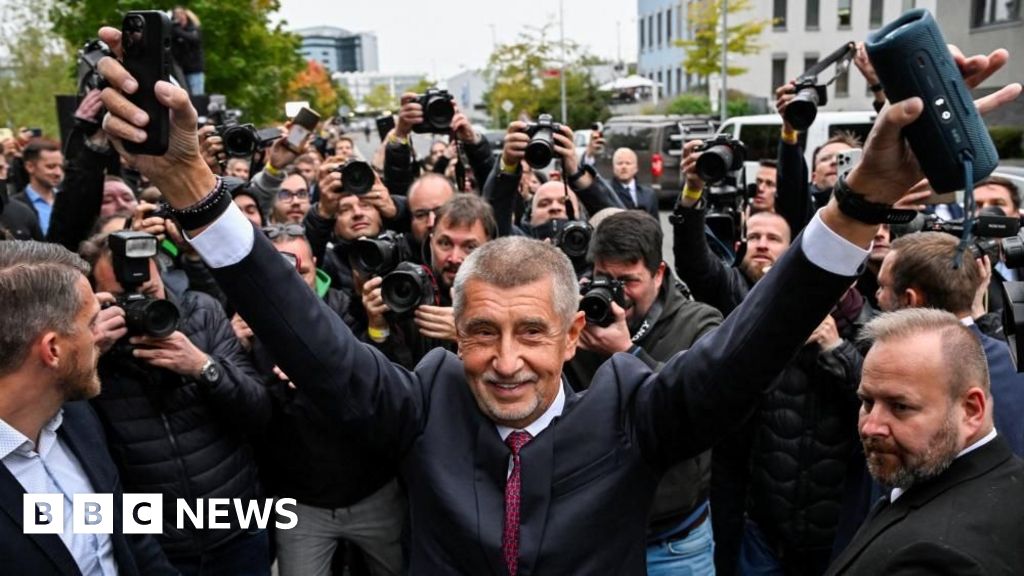
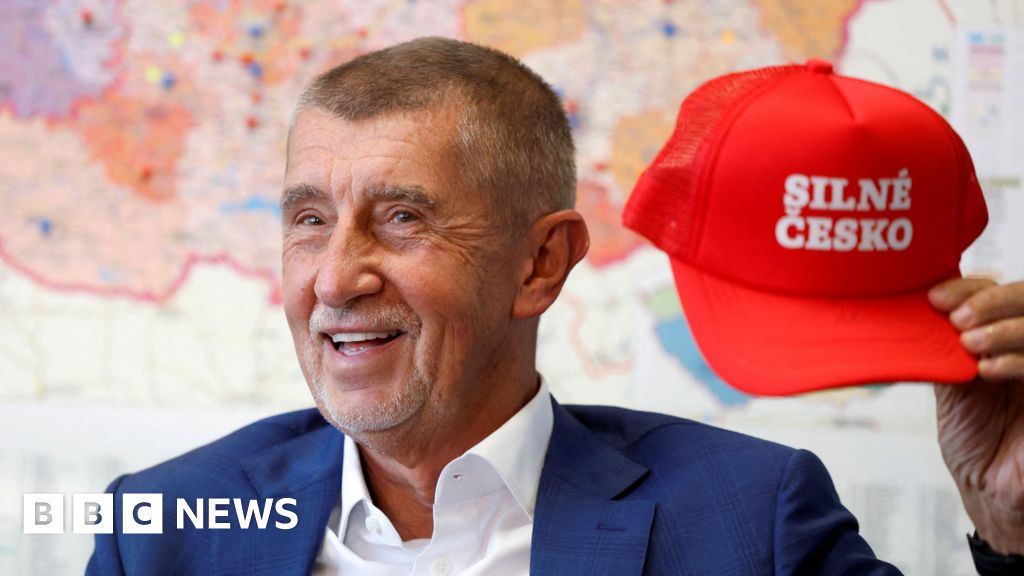
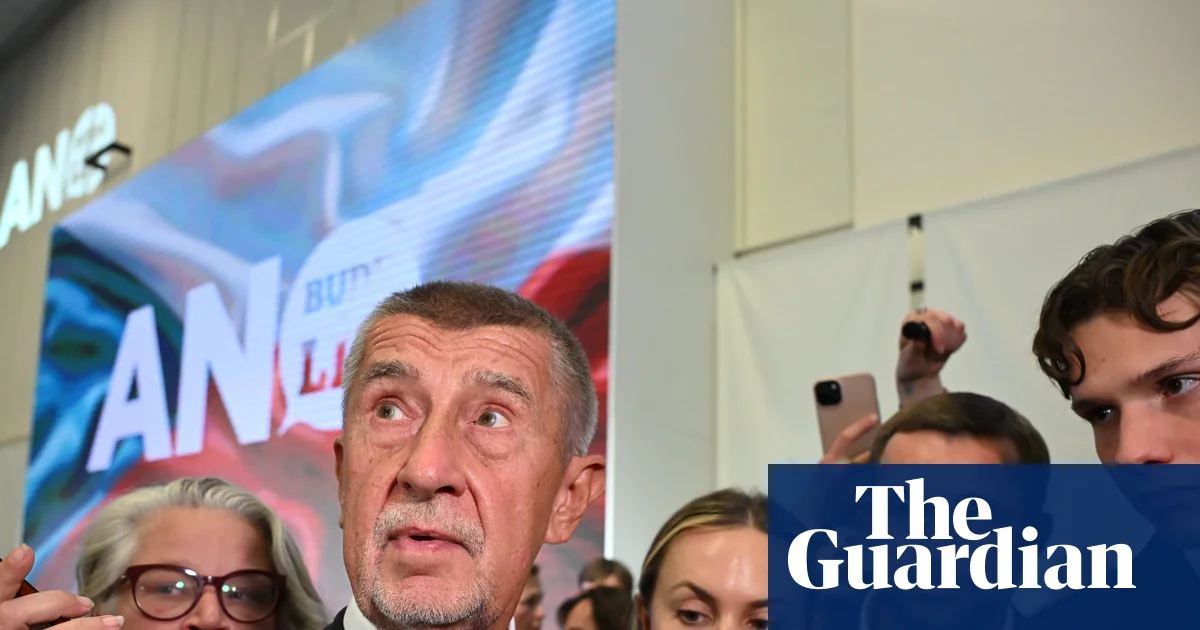
In a critical moment of European politics, Andrej Babiš, the billionaire populist and former prime minister, is maneuvering through the intricate parliamentary landscape of the Czech Republic. Following the recent elections, Babiš’s ANO party emerged as the largest bloc, capturing 34.5% of the vote—an impressive victory that nonetheless fell short of an outright majority in the 200-member parliament. This electoral outcome underscores the persistent divide within Czech society, where populist sentiments and traditional European values collide amid the ongoing reshuffling of the continent’s political order. With opposition parties ruling out coalition with ANO, Babiš’s task becomes a high-stakes game of diplomacy and political brinkmanship involving fringe right-wing groups such as SPD and the Motorists.
As President Petr Pavel holds meetings with party leaders, the broader geopolitical impact becomes increasingly evident. Pavel has signaled his intent to steer the nation in a “pro-western direction” and uphold the core democratic institutions that it shares with the European Union and NATO. Importantly, Pavel’s stance reflects a strategic counter to the populist rhetoric of Babiš, who has publicly vowed to oppose EU migration policies and green initiatives, advocating instead for a more nationalist, sovereignty-focused approach. This impending power struggle is pivotal not just for the Czech Republic but for the stability of the EU, especially considering the recent comments from European factions and the warnings from international analysts about how domestic politics can influence EU cohesion.
The international community remains vigilant as Babiš seeks to solidify his position. European far-right leaders like Orbán of Hungary and Marine Le Pen of France have rushed to praise Babiš, framing his success as a broader surge of patriotic parties across Europe. This wave of nationalism risks further fracturing the European project, especially if Babiš manages to form a government that echoes anti-EU sentiment—despite his repeated protests of being “pro-European” and “pro-Nato.” The analysts from the European Parliament and think tanks warn that such alliances could threaten the unity of the bloc, challenging its collective response to external threats and migration crises.
According to historians and geopolitical analysts, the future of Czech politics could significantly reshape regional alliances and influence EU strategy. The possible emergence of a minority government supported by fringe right-wing parties may destabilize Czech deliverables on European and Atlantic commitments. The risks extend beyond domestic politics; a shift towards more nationalist, Eurosceptic policies could embolden similar movements in neighboring states, fostering uncertainty in a critical corner of Europe. As the nation’s leaders scramble for power, the corridors of European influence are echoing with cautionary warnings. This internal clash, rooted in contrasting visions for national sovereignty versus European integration, signals a tense prelude to what could be a defining chapter for Czech society and its role within the broader international order.
This unfolding drama is more than a local political saga; it is a microcosm of the ongoing battle over the soul of Europe. The decisions made in Prague will reverberate across continents, testing the resilience of alliances and the resolve of democratic institutions. As history continues to unfold with the weight of consequence, the world watches—standing at the precipice of change, where the future is forged not just in elections but in the enduring struggles over identity, sovereignty, and the path of nations on the global stage.