Matox News

Truth Over Trends, always!

Tories pledge to cut student loan interest rates, backing young Britain’s future

Educational Debt and the Strain on Families and Communities

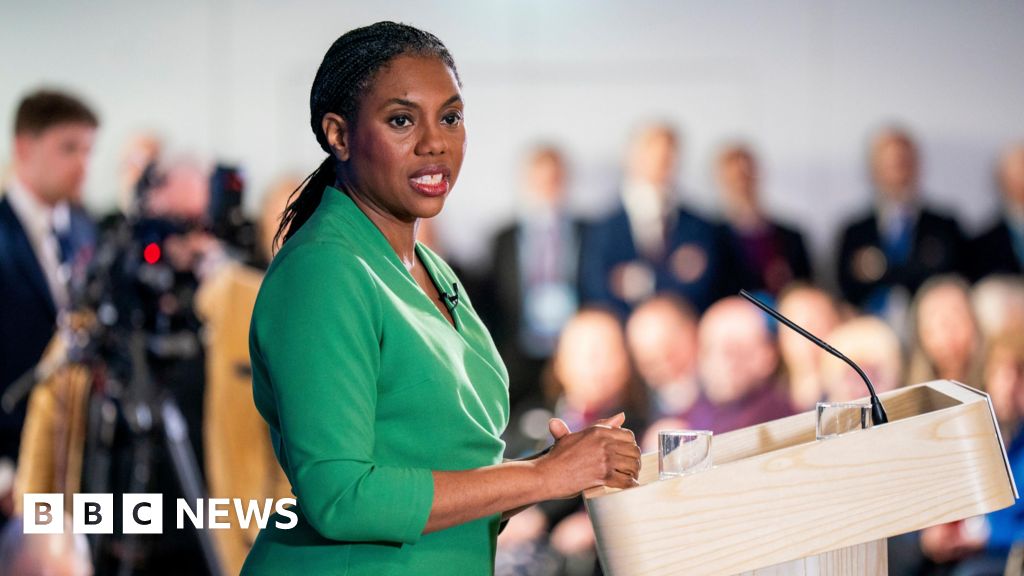
Recent comments by Kemi Badenoch, a prominent political figure, highlight a significant concern shared by many young graduates: the burden of student loans. Badenoch described the feelings of graduates as being “stitched up,” underscoring a pervasive sense of economic disillusionment that threatens to destabilize the social fabric. Her pledge to cut interest charges on Plan 2 loans signals an acknowledgment of the profound impact that rising educational costs have on recent entrants into the workforce. For families in working-class and middle-income communities, student debt often translates into delayed milestones such as homeownership and family formation, extending the cycle of economic hardship.

Shifts in Educational Access and Societal Divide

The escalating costs of higher education serve as a barrier for many aspiring students, especially amid demographic changes and cultural shifts that favor increased diversity but challenge conventional funding models. Sociologists like Dr. David Brooks argue that the increasing reliance on student loans contributes to widening social inequality, as only those from more privileged backgrounds can afford the luxury of higher education without crippling debt. This disparity perpetuates social stratification, making educational attainment less about talent and more about financial capacity. The socio-economic divide risks further fracturing communities, eroding the social cohesion necessary for collective progress.

Educational Reform and the Role of Society

Understanding the social ramifications of debt, some experts advocate reforms aimed at creating a more equitable and accessible system.

  • Implementing more comprehensive public funding for higher education.
  • Introducing income-based repayment schemes that lessen the burden on graduates.
  • Enhancing vocational training and apprenticeships to diversify pathways to economic stability.

By addressing these structural issues, society can foster environments where families are encouraged to thrive without the overshadowing anxiety of debt. Furthermore, institutions must recognize their role in broadening educational access, ensuring that talent and ambition are not stifled by financial barriers. As historian Dr. Margaret MacMillan notes, societal progress hinges upon equitable opportunities that empower all youth to contribute meaningfully to their communities.

Hope Amidst Challenges

While the societal challenges are undeniable, recent political commitments provide a glimmer of hope. Badenoch’s promise to reform student loan policies signifies a step toward restoring fairness in an often inequitable system. Yet, true change demands concerted efforts across all levels of society, from policymakers and educators to families and youth themselves. Initiatives aimed at reducing educational costs, improving employability, and fostering social mobility are essential for nurturing resilient communities. As history has shown—through periods of upheaval and reform—social transformation begins with recognizing shared struggles and united action. The hope remains that future generations will look back on this era not only as a time of hardship but as a turning point—when society chose to invest in its people and, in doing so, redefined its moral foundation.
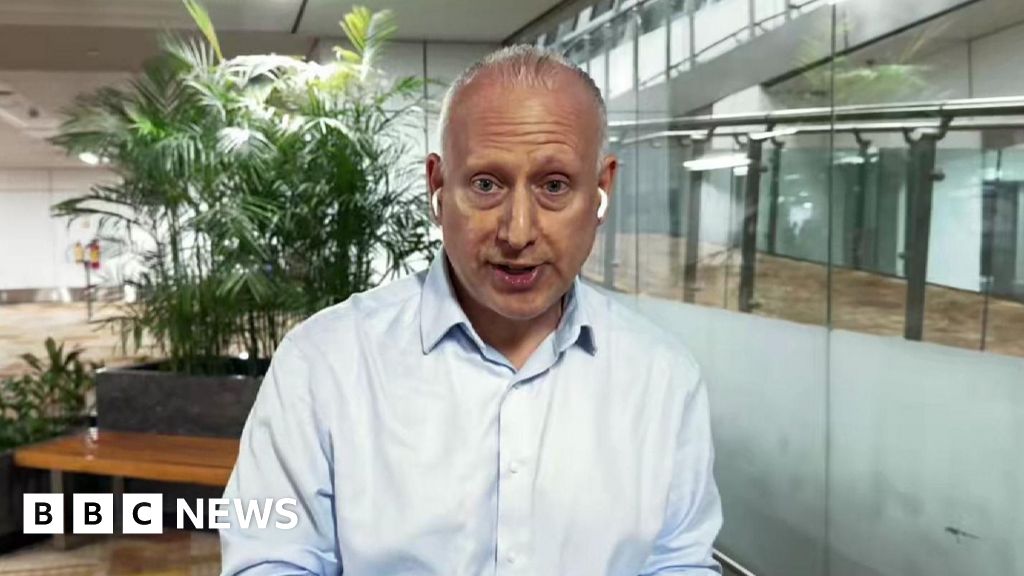
Putin stands firm—no signs of backing down

Russia’s Unyielding Stance in Ukraine: A Turning Point in Global Diplomacy

Amidst persistent international concern, Russian President Vladimir Putin has signaled a firm and unwavering stance in ongoing negotiations related to the conflict in Ukraine. According to reports from the BBC’s Russia Editor Steve Rosenberg, Putin’s government exhibits no signs of compromise, especially after recent talks with the United States envoy Steve Witkoff, which reportedly concluded with no agreement reached. These negotiations, lasting five hours, underscore a critical moment in the evolution of the crisis, revealing Moscow’s intent to maintain control over its strategic objectives without conceding ground to Western diplomatic pressures.

This resistant posture is rooted in the belief that Russia currently holds the initiative on the battlefield, a perspective echoed by many geopolitical analysts who observe that Putin interprets recent military developments as a strategic advantage. As Rosenberg notes, Putin perceives himself as the principal architect of the conflict’s future terms, confidently asserting that Russia will dictate the conditions of any forthcoming peace agreement. This approach, fueled by a mix of nationalistic fervor and strategic calculus, threatens to prolong the hostilities and deepen the international divide, raising urgent questions about the prospects for resolution and the potential for escalation.

From an international perspective, these developments wield profound geopolitical impact. Western nations, particularly in NATO, have watched with increasing concern as Russia entrenches its positions, arguably risking a prolonged confrontation that could spark broader instability. Critics and security specialists warn that such unyielding negotiations risk emboldening Russia’s military posture, complicating diplomatic efforts and destabilizing the carefully balanced power structures in Europe and beyond. Meanwhile, world leaders and historians—such as Angela Stent, a former National Intelligence Officer for Russia and Eurasia—have emphasized that Russia’s refusal to concede underscores a wider strategic gamble: that patience and firmness may be the only way to counter Putin’s vision of regional dominance.

In the larger narrative of global diplomacy, this confrontation marks a turning point, echoing past conflicts that shifted the course of history. How the Western alliance responds to such stiff resistance will determine whether diplomacy can eventually prevail or if the conflict will enter a protracted stalemate or active escalation. The stakes extend beyond Ukraine’s borders, portending a redefinition of international order and sovereignty, with nations watching every move, every negotiation, every escalation. As Putin’s government shows no sign of retreat, the world stands on the precipice of a new and uncertain chapter—one where the decisions made today will shape the geopolitical landscape for generations to come.

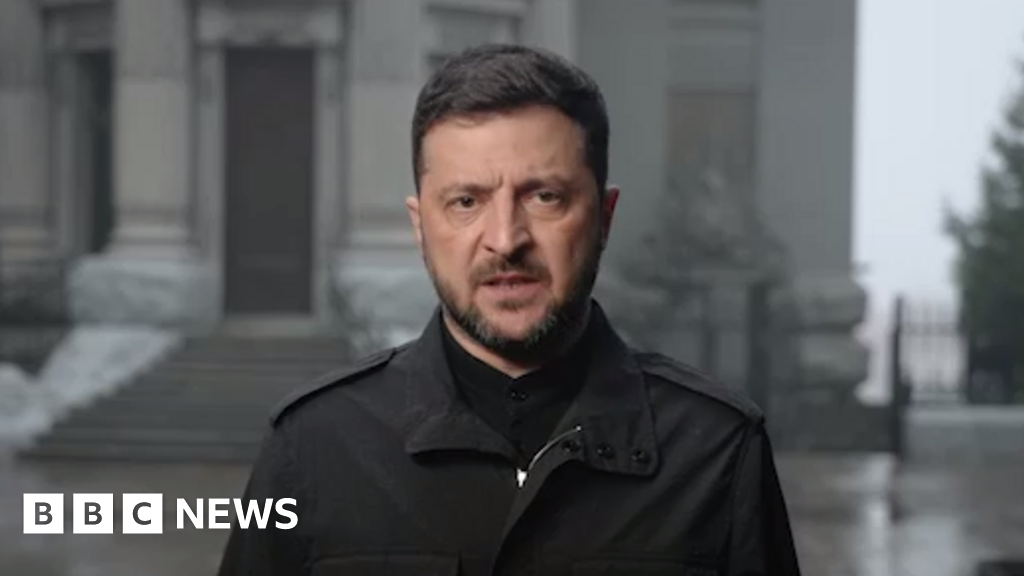
Zelensky warns Ukraine could lose US backing over White House peace plan

In a tense spectacle of international diplomacy and conflict escalation, Ukraine finds itself at a crossroads, entangled in a geopolitical turbulence that threatens to reshape the global order. Ukrainian President Volodymyr Zelensky has issued stark warnings, asserting that Kyiv risks the loss of critical US support over a controversial peace plan leaked from Washington. The plan—widely considered as heavily skewed toward Russian interests—calls for Ukraine to cede territories, significantly reduce its military, and forswear NATO membership. Zelensky, in a poignant address, underscored that Ukraine faces a “very difficult choice: either losing dignity, or risking the loss of a key partner,” revealing the internal crisis and mounting international pressure Kyiv must confront amidst ongoing conflict.

Meanwhile, Russia, under the leadership of Vladimir Putin, remains resolute in its aims despite mounting casualties and international criticism. President Putin, clad in military uniform, openly declared his commitment to the “unconditional achievement” of Russia’s strategic objectives—most notably, the full-scale continuation of the special military operation in Ukraine. Analysts and historians such as Dr. Elizabeth Moore from the International Institute of Strategic Studies have warned that Russia’s recent gains in southeastern Ukraine, though limited and slow, reflect a calculated effort to reshape the battlefield in Moscow’s favor. The Kremlin’s unwillingness to consider diplomatic concessions signals a dangerous gamble that could prolong the war and trigger unintended consequences for regional stability and global security.

Added to the complexity of this international chess game is the leaked US peace plan, a 28-point proposal that has ignited fierce debate. The draft suggests the withdrawal of Ukrainian troops from key eastern regions, de facto Russian control over territories, and a freeze on Ukraine’s southern borders—further solidifying Russia’s territorial gains. The plan also proposes a limit on Ukraine’s armed forces and hints at reintegration of Russia into the global economy, including potential lifting of sanctions and the reformation of the G7 into a G8, with Russia rejoining. Critics argue that such concessions could effectively capitulate Ukraine’s sovereignty, but Washington maintains it is a strategic move aimed at ending hostilities. The pivotal response from Kyiv, amidst strong nationalist sentiments, has been rejection and accusations of a plan designed “to continue the war,” stirring fears that negotiations are veering toward betrayal rather than peace.

Beyond the battlefield and diplomatic arena, the wider geopolitical impact resonates through alliances and international order itself. The G20 summit in South Africa becomes a critical stage where world leaders, including Prime Minister Sir Keir Starmer and others, are scheduled to deliberate on the peace proposal, with some issuing warnings that time is running out for a meaningful resolution. Meanwhile, US President Donald Trump has thrown a wrench into diplomatic efforts, warning that Ukraine could lose further territory in a “short amount of time,” and insisting that Kyiv must accept a deal by late November or face unacceptable loss. Such statements underline a broader struggle: whether the West will continue to stand firmly with Ukraine or accept a new geopolitical landscape profoundly altered by concessions and strategic re-alignments. History is watching, its pen ready to inscribe whether this moment marks a turning point toward renewed peace or the ignition of a protracted conflict that will echo through generations to come—a reminder that, in the theater of nations, the weight of decisions today shapes the world of tomorrow.

Tories demand probe into Labour Together’s backing of Starmer.

Kevin Hollinrake has raised concerns regarding Prime Minister Rishi Sunak, alleging that he did not fully disclose assistance he received from a think tank in areas such as polling and speechwriting. This accusation points to broader discussions about transparency and integrity within political circles, highlighting the importance of clear communication between politicians and the public.

The issue has sparked debate among young conservatives who are committed to accountability in governance. As the next generation engages with the political landscape, the focus on transparency is more vital than ever. It’s crucial that leaders maintain public trust by being open about support they receive, as it influences both policy decisions and public perception.

Social Media Auto Publish Powered By : XYZScripts.com