Matox News

Truth Over Trends, always!

Ontario Premier Pulls Back on Anti-Tariff Ads After Trump Backlash

In recent weeks, the political landscape between Canada and the United States has been anything but predictable. Ontario’s Premier Doug Ford took a bold stance by launching an anti-tariff campaign aimed at highlighting the detrimental effects of US levies on Canadian industries. This move, rooted in a desire to *spark a broader conversation about fair trade policies*, unfortunately, ignited a diplomatic firestorm when President Donald Trump reacted sharply, ultimately leading to the termination of trade talks. Ford’s decision to pause the advert—scheduled to run during the Major League Baseball World Series—was a strategic attempt to open space for future negotiations, reflecting a complex balancing act between assertive nationalism and pragmatic diplomacy.

At the heart of the turmoil lies a broader narrative of shifted trade policies and economic vulnerabilities. Canada’s economy, heavily dependent on US markets—selling about 75% of its exports—finds itself at the mercy of fluctuating tariffs and unpredictable political rhetoric. With US levies reaching 35% on Canadian goods and specific sector tariffs hitting metals and automobiles particularly hard, Ontario, Canada’s manufacturing hub, bears the brunt of this economic tension. While Prime Minister Mark Carney has advocated for friendly, face-to-face negotiations—emphasizing Canada’s readiness to resume talks when the US is prepared—Ford’s more confrontational approach underscores a broader, vocal frustration among certain Canadian leaders who believe that standing firm might rally support domestically. However, experts like Mahmood Nanji suggest that this theatrics and hyperbole may not serve Canada’s long-term economic interests, highlighting the importance of consistent, strategic engagement over fiery rhetoric.

Amidst these turbulent negotiations, Canada’s leadership faces a crucial crossroads. The broader context reveals that the US has imposed sector-specific tariffs, with Canada’s auto industry and metals sector suffering significant setbacks. These tariffs threaten jobs, economic growth, and the country’s industrial sovereignty. While some argue that resilient, unapologetic defiance embodies a *true patriot’s spirit*—echoing sentiments rooted in classical American conservatism as articulated by figures like Ronald Reagan—others warn that such strategies risk alienating allies and complicating future trade negotiations. As Canada explores new partnerships in Asia during Prime Minister Carney’s upcoming visit to the ASEAN Summit, it is clear that a diversified approach may be essential to gaining *greater independence* and protecting its economic interests long-term.

Ultimately, the unfolding saga reminds us that lifestyle and economy are intertwined. The decisions made in the chambers of political leaders ripple through communities—affecting jobs, family livelihoods, and national strength. Yet, beyond the headlines, there is an undercurrent of resilience—a collective commitment to *embracing a new era of economic sovereignty*. As Canadians reflect on their journey, it becomes evident that building a resilient future demands not just strategic negotiations but also a mindset rooted in confidence, adaptability, and hope. Perhaps, as Reagan once said, tariffs hurt everyone—but it is the indomitable spirit of a people, driven by purpose and perseverance, that will chart the course toward a brighter, more independent tomorrow.

Sydney gay nightclub apologizes after backlash over ‘Pink Pony’ name referencing hit lesbian pop song

Shifting Cultural Norms and Their Broader Geopolitical Impact

In recent times, societies around the world have witnessed profound shifts in cultural norms, reflecting an ongoing debate over identity, community, and tolerance. A striking example emerges from Sydney, where a newly launched LGBTQ+ nightclub faced backlash over its choice of name and target demographic. The venue, initially dubbed “Pink Pony“, aimed to create a safe space for young gay men but soon encountered criticism, prompting the owners to withdraw the name and issue a heartfelt apology. This controversy underscores not merely a local cultural clash but exemplifies how internal debates within societies can ripple outward, influencing the global narrative on social cohesion and national identity.

This incident is more than a local or even national concern; it signals a deeper underlying tension about how nations navigate with evolving social standards and the expectations of their communities. Critics argue that the name “Pink Pony” and the specified audience reflect a broader tendency towards identity politicization that some perceive as divisive. International organizations such as the United Nations and various human rights bodies have long debated the balance between protecting individual freedoms and maintaining societal cohesion—an issue at the core of this controversy. As nations grapple with this tension, their external diplomatic posture often becomes entangled in internal social dynamics, impacting regional stability and diplomatic relations.

Historian and geopolitical analyst Dr. John Reynolds highlights that such cultural conflicts have a direct impact on geopolitical stability. He asserts that when societies are torn between traditional values and progressive ideologies, the resulting discord can influence international alliances and trade policies. Moreover, Australia’s position in the Indo-Pacific region, often seen as a Western-leaning democracy, is now under scrutiny for how it manages these social debates publicly. Countries like China and Russia observe such internal debates, often leveraging them to criticize Western liberalism, which they argue fosters social fragmentation. This, in turn, influences the global power dynamic, where cultural values are increasingly becoming a facet of geopolitical rivalry.

Furthermore, the controversy surrounding the Sydney nightclub offers a lens into how decision-making processes at the community level can serve as microcosms of larger international trends. The owners’ attempt to define a “preferred clientele” raises questions about free association and discrimination laws, which vary by jurisdiction but are often rooted in the broader framework of international human rights standards. The Australian Human Rights Commission has maintained that discrimination based on gender identity or sexual orientation must be carefully balanced against anti-discrimination laws. Such legal debates reflect broader tensions in many democracies: how to uphold individual rights without encouraging exclusion or marginalization. As the debate continues, it reveals underlying issues of societal values, national sovereignty, and the role of law in fostering social harmony or division.

In the unfolding story of cultural change, history reminds us of the profound outcomes that can emerge from seemingly localized conflicts. The Pink Pony incident underscores the critical importance of both societal introspection and international dialogue as nations forge their paths through social evolution. Like a volatile geopolitical chessboard, where each move echoes beyond national borders, society’s choices today shape the very fabric of future history. As this story continues to unfold, it leaves us with a poignant reminder: in the theater of global politics, the stage of cultural identity is perhaps the most unpredictable and consequential arena of all. The weight of history still presses forward, silent but inexorable, shaping the world that we inherit and pass on—an uncertain future amid the moral and social upheaval of the present.

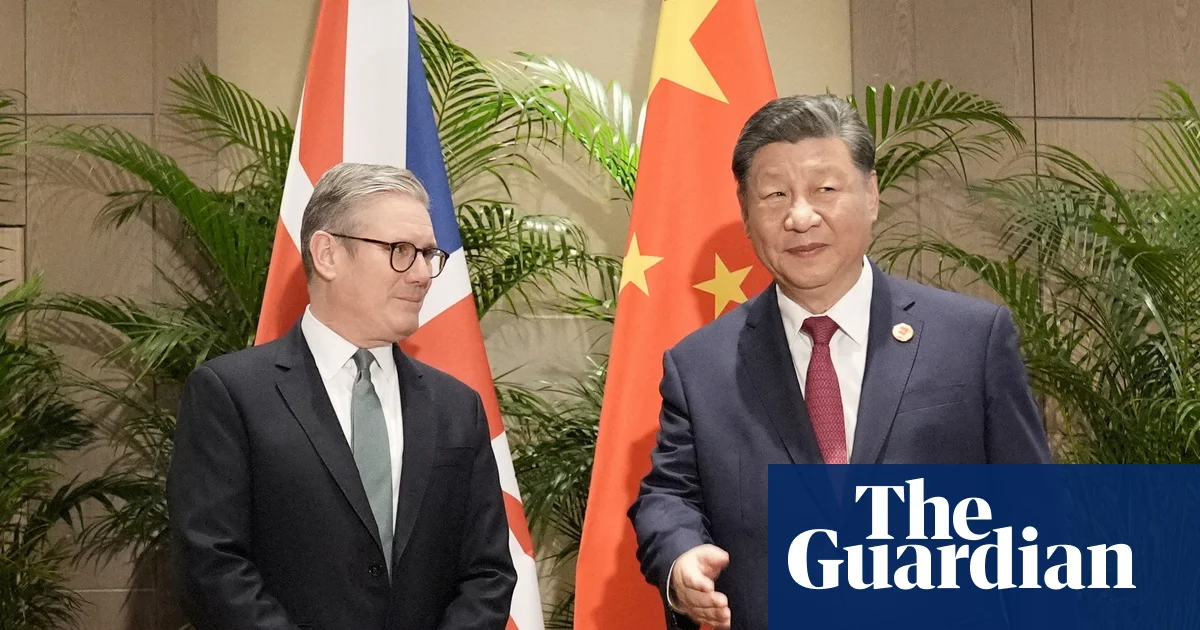
Ministers gear up for China visits amid spying trial backlash, Labour critics warn

The United Kingdom is charting a precarious course in its renewed engagement with China amidst the turbulence of global power shifts and internal controversy. Despite simmering tensions sparked by the recent abandonment of espionage charges against two individuals accused of spying for Beijing, UK ministers have signaled a strategic intention to resume high-level talks before the year’s end. This includes plans for Jonathan Powell, the national security adviser, to visit Beijing in November—an effort aimed at fostering a “long-term and strategic” relationship, as emphasized by government officials. Such moves are not merely diplomatic gestures but carry profound geopolitical impact, signaling the UK’s attempt to balance economic interests with national security concerns amid China’s global rise.

This renewed diplomatic pursuit comes at a critical juncture. While official statements insist that engagement is rooted in “UK interests,” critics argue that this signals a recalibration—possibly a capitulation—to Beijing’s influence. Notably, the recent controversy involving the dismantling of charges against individuals linked to espionage suggests a possible diplomatic *trade-off*. Leaders like Keir Starmer are navigating a complex landscape, balancing the desire to reopen channels with fears of China’s expansionist reach and surveillance overtures. Many analysts, including security experts and historians, warn that this strategy risks emboldening Beijing at a time when U.S.-China tensions are intensifying. Global institutions such as the IMF and diplomatic commentators have voiced concerns that the UK’s embrace could undermine the collective effort to contain China’s geopolitical ambitions, thereby threatening regional stability.

Furthermore, these diplomatic overtures extend beyond government talks. Key figures like Rachel Reeves and Oliver Robbins have undertaken visits to China, promoting economic investment and revitalizing bilateral ties. Reeves’s recent involvement in unveiling £600 million of Chinese-backed investments underscores Britain’s attempt to capitalize on economic opportunities—yet such moves are fraught with risks. Chinese officials have openly communicated their displeasure over UK restrictions targeting their security apparatus, warning of potential retaliation that could destabilize diplomatic efforts. As international organizations track this evolving saga, they emphasize that decisions made today will shape the future of global power dynamics, with the UK caught squarely in the crossfire of a new Cold War landscape.

The unfolding developments evoke reflections from foreign policy analysts and historians who see this as a defining moment in 21st-century geopolitics. The last British Prime Minister to visit ChinaTheresa May in 2018—once spoke optimistically about a “golden era,” yet recent events reveal how swiftly that narrative has unraveled. The proximity of Kemi Badenoch and other senior officials to the Chinese government indicates a profound shift, perhaps towards a pragmatic yet perilous engagement policy. As Starmer’s alleged plans for a bilateral visit in February and Trump’s own sudden interest in China demonstrate, the global chessboard is realigning rapidly, with the UK positioning itself delicately amidst the rising tide of Chinese influence.

In the shadow of these high-stakes negotiations, history warns that such pivotal moments are often fraught with unforeseen consequences. The decisions taken in Parliament’s chambers and diplomatic suites will resonate through decades, shaping the balance of power in the Indo-Pacific and beyond. As the world watches, the UK’s future hinges on whether these diplomatic gambits will uphold sovereignty and security or succumb to the seductive allure of economic gains at a perilous geopolitical cost. The pages of history are turning once more, and the weight of global destiny hangs in the balance—an intricate dance of strategy, influence, and power, with the world on the edge of a new epoch.”

Affinity Education executives step down amid childcare scandal backlash

In what can only be described as a sobering wake-up call for the Australian childcare sector, the recent crisis at Affinity Education Group underscores the dangerous intersection of corporate misconduct and societal safety standards. The resignation of its CEO, Tim Hickey, and COO, Nishad Alani, signals a pivotal moment in an ongoing saga that has captured national attention, but the implications extend far beyond Australia’s borders.

The scandal erupted in July when police in Victoria charged Joshua Brown with over 70 offenses linked to multiple victims aged between five months and two years. Brown worked across 11 Affinity centres, raising serious questions about oversight, safety protocols, and corporate responsibility. Critics have pointed out the troubling fact that high executives, including Hickey, received bonuses reportedly up to $300,000, despite evident lapses in safety and staff conduct—a revelation that has incited outrage across communities and calls for accountability from shareholders and regulators alike.

From an international perspective, this crisis highlights the broader vulnerabilities within for-profit childcare providers and their governance standards, which are of concern to global institutions like UNICEF and the OECD. Historians, such as Dr. Raymond Williams, warn that prioritizing profit over child welfare creates dangerous cultures of complacency, especially when executive bonuses are tied to performance metrics that may neglect safety. The New South Wales parliamentary inquiry revealed that breach rates at Affinity were 70% higher than the state average in 2024, further exposing systemic failures that threaten societal norms surrounding child protection and corporate ethics.

The repercussions from this scandal extend beyond Australia’s shores, affecting how nations scrutinize their own daycare and educational subsidies. For instance, Canada and the UK are observing these developments closely, contemplating reforms in licensing and oversight procedures. How decisions made in the boardrooms of multinational corporations influence societal trust and social stability on a global scale becomes a vital concern. The International Labour Organization emphasizes that the safety of vulnerable populations—especially children—must be prioritized if social cohesion is to be maintained in an increasingly interconnected world.

As the saga of Affinity unfolds, the weight of history presses down—a reminder that unchecked corporate greed and lax oversight can have devastating consequences. With each resignation and each new revelation, societies are called to reflect on their ethical benchmarks and the true cost of prioritizing profit over progress. Whether this tragedy will stimulate meaningful reform or merely serve as a cautionary tale remains to be seen, but the global watch is now focused on how nations uphold their promises to protect the most vulnerable amid a landscape marked by greed and bureaucratic complacency. The world’s children, after all, are the most precious legacy—yet their safety often hinges on the decisions made in chambers far removed from the playgrounds where innocence should thrive.

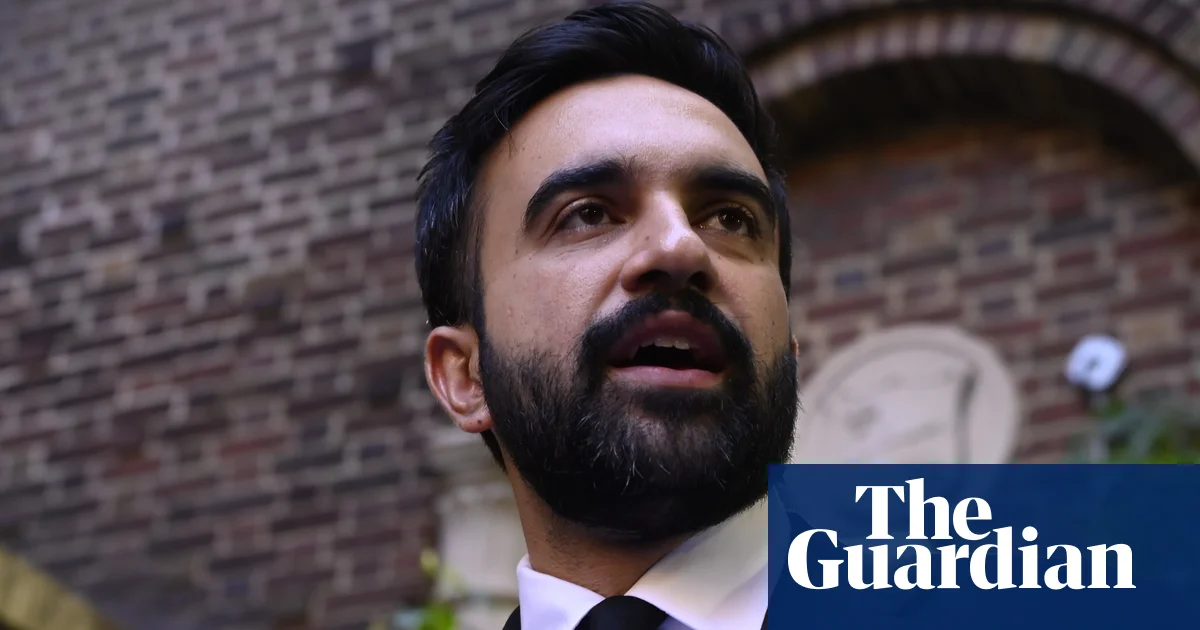
Zohran Mamdani's October 7 Remarks Sparks Backlash from Israel
Zohran Mamdani’s October 7 Remarks Sparks Backlash from Israel

In a period where geopolitical tensions are intensifying globally, the recent statements by Zohran Mamdani, a leading Democratic mayoral candidate in New York City, have sparked an international debate on the ethics and politics surrounding the ongoing Israeli-Gaza conflict. Mamdani’s remarks, commemorating both Israeli victims of the October 7 Hamas attacks and Palestinian casualties since Israel’s military escalation, have become a flashpoint revealing the deep divisions within American society and the powerplay shaping the world stage. His call to recognize Palestinian suffering and criticism of Benjamin Netanyahu and the United States’ role in the conflict represents a broader narrative that is resonating not just locally but also echoing in global political discourse.

Analysts from the International Crisis Group and other think tanks warn that such narratives are fueling the divisiveness over Israel’s actions in Gaza, where reports indicate that tens of thousands of civilians, including a significant number of children, have fallen victim to extensive military operations. Israel’s government, led by Netanyahu, faces accusations from various international bodies, including the International Criminal Court, of committing war crimes and crimes against humanity—charges that Israel dismiss as “self-defense”. Meanwhile, Israel’s military campaign, which has razed substantial parts of Gaza, has been characterized by critics as a form of genocide signified by mass starvation and urban destruction. The United States, a critical ally of Israel, continues to supply military aid, arguably making it complicit in the suffering—an implication that Mamdani explicitly brought into his critique, asserting US complicity in what he terms a “genocidal war.”

The reaction from Israeli officials was swift and sharp. The Israeli foreign ministry condemned Mamdani’s remarks as “spreading Hamas propaganda”, accusing him of undermining efforts to portray the conflict in a solely defensive light. This response underscores the global contestation over the narrative—where pro-Israel voices emphasize Israel’s right to defend itself against terrorist aggression, while critics highlight what they perceive as disproportionate use of force and violations of human rights. Such dichotomous views are fueling a battle for international legitimacy, with geopolitical consequences that stretch beyond domestic politics. Experts note that these disputes over language and morality could influence future diplomatic alignments and international resolutions.

The American political landscape itself is deeply affected by these debates. Mamdani’s stance has gained traction among youthful, progressive voters who seek to challenge traditional American support for Israel’s policies, reflecting a broader shift in opinion among younger generations worldwide. Conversely, more conservative factions view his remarks as dangerous and damaging to America’s alliance with Israel. International organizations and seasoned strategists warn that such internal divisions could have lasting repercussions, destabilizing diplomatic efforts and fueling radical narratives on both sides of the Israel-Palestine divide. As history unfolds, the world watches with bated breath, realizing that the decisions made in this crucible of conflict could determine the geopolitical blueprint for decades to come, with the shadows of today’s rhetoric shaping tomorrow’s realities.

US plans to deport 11 to Eswatini amid legal and NGO backlash

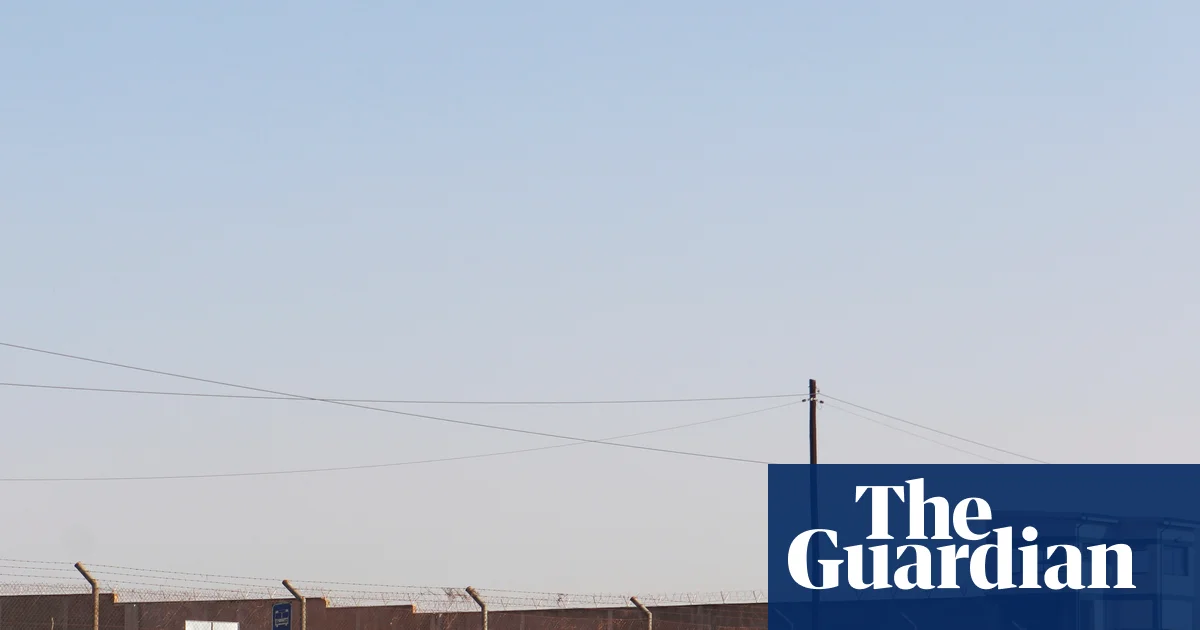
The ongoing wave of authoritarian-driven deportations orchestrated by the United States under the Trump administration marks a significant shift in international migration policy—one that poses profound geopolitical impacts across Africa and beyond. This movement, characterized by accelerating efforts to send migrants to third countries such as Eswatini, is viewed by critics as a dangerous departure from international norms and human rights standards. The decision to deport at least 11 migrants to Eswatini—an economically fragile, landlocked kingdom—raises urgent questions about the morality and legality of such actions, with implications far beyond the immediate recipients.

Since early 2022, the US has engaged in a controversial strategy that involves striking deals with third nations like Rwanda, Uganda, El Salvador, and South Sudan. These agreements aim to circumvent traditional asylum pathways, effectively outsourcing the “problem” of migration to nations with questionable human rights records. Analysts warn that this approach shifts responsibility onto countries that are often unequipped or unwilling to uphold basic protections for migrants. It’s a clear manifestation of how geopolitical leverage is being wielded in service of right-wing political goals, portraying immigration as a threat to national sovereignty and security.

Significantly, these deportations have already led to alarmingly inhumane conditions for migrants. For example, five men from Cambodia, Cuba, Jamaica, Vietnam, and Yemen were deported in July and initially placed in a maximum-security prison in Eswatini—an institution ill-equipped to meet international standards for humane treatment. Critics contend that such actions demonstrate a blatant disregard for … human rights, as many of these migrants face fears of torture, persecution, or other forms of inhumane treatment upon return. The case of Orville Etoria, who served 24 years in US prisons before being deported to Jamaica, exemplifies the complex and often tragic outcomes of this driven—yet morally ambiguous—migration policy.

Meanwhile, the international community, including ethics-focused organizations and legal advocates, has voiced alarm over what they see as a blatant abdication of moral responsibility. Amnesty International and other NGOs have called on governments to respect international treaties, such as the 1951 Refugee Convention, emphasizing that mass deportations with little regard for individual circumstances violate the very core of international human rights law. Meanwhile, legal proceedings in Eswatini are tangled in delays, with NGOs challenging the legality of these deportations and pressing for transparency. The ongoing legal battles underscore how these government actions threaten to destabilize the fragile legal frameworks designed to protect migrant rights.

In the backdrop, historians and geopolitical analysts warn that the prevalent trend reveals a broader pattern of authoritarian consolidation and geopolitical realignment. As Western powers fragment their commitment to international law, smaller nations are increasingly caught in the crossfire, forced to serve as pawns in a larger game of geopolitical dominance. The story of Eswatini, under the thumb of Africa’s last absolute monarch, King Mswati III, embodies this dangerous power dynamic—where sovereignty becomes a container for silence, and human rights are sidelined in the pursuit of political expediency.

In the end, the unfolding saga of US-led deportations and the resultant strain on nations like Eswatini reminds us that history is not static; it is fiercely contested and deeply consequential. The decisions made today echo through the corridors of international law and morality, shaping the future of global migration policy. As the tides of political calculation continue to shift, humanity must confront whether the players in this game truly serve justice or merely perpetuate a cycle of cruelty—a narrative still being written on the dark pages of history.

Social Media Auto Publish Powered By : XYZScripts.com