Matox News

Truth Over Trends, always!

AG questions if Kemi Badenoch supports Jewish public prayer — conservatives raise the stakes

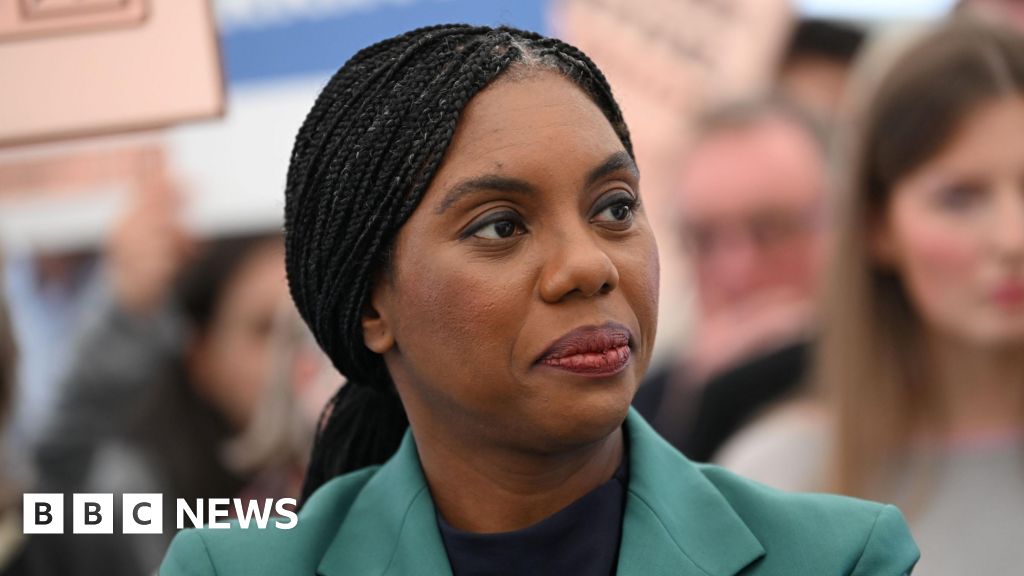
Across Europe and the Anglosphere, recent political debates have cast a stark light on the shifting landscape of cultural identity, religious expression, and national sovereignty. The controversy centered on the UK’s thought-provoking clash involving Kemi Badenoch and her stance on the public display of Islamic prayers in Trafalgar Square has prompted international scrutiny. While the UK’s conservative circles rally around the idea of “British values,” critics argue that this national debate has transcended local context, threatening to deepen societal divisions and weaken the principles of multiculturalism that have historically defined the nation.

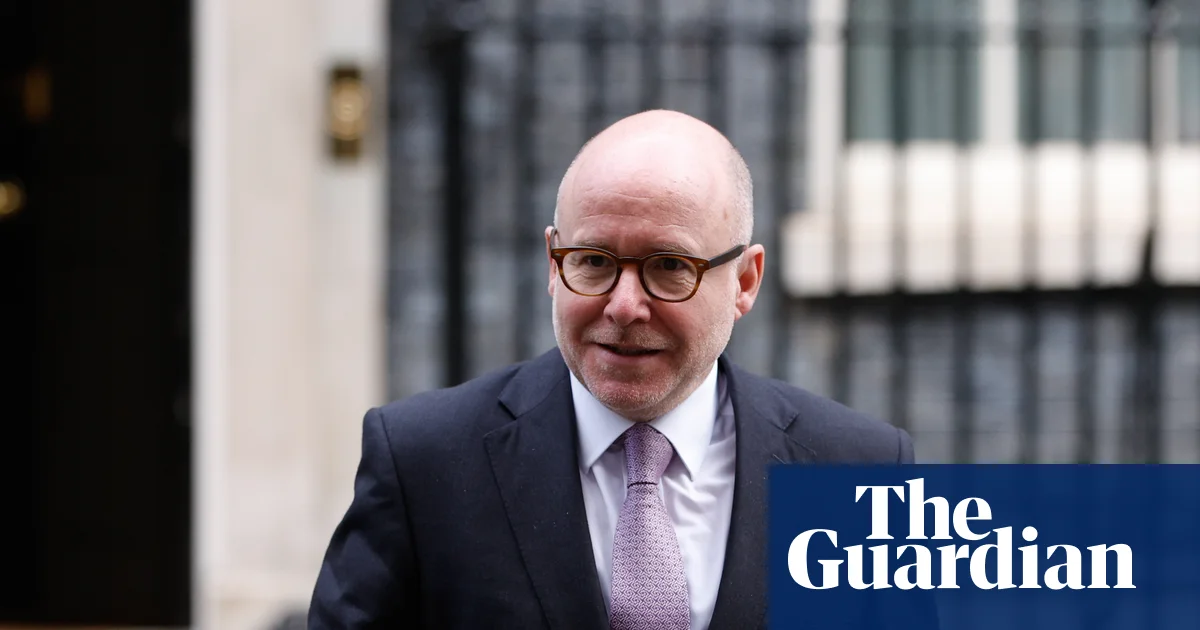
Notably, the UK is witnessing a push-and-pull between traditionalism and multicultural inclusiveness, with voices like Nigel Farage and Richard Hermer warning of an erosion of social cohesion. Timothy’s call to ban the Ramadan event, framing it as an act of “domination,” echoes broader conservative anxieties about the perceived rise of political Islam and its challenge to Christian-centric values. Such rhetoric fuels fears of cultural dominance and prompts concerns about societal fragmentation, which analysts warn could embolden far-right currents and undermine the principles of religious tolerance—an ideal championed by international organizations like the European Court of Human Rights.

Historians like Dr. Andrew Roberts warn that this debate is emblematic of a larger pattern seen in early 20th-century Europe, where national identity was often conflated with cultural and religious homogeneity, leading to societal conflict. Meanwhile, some international institutions suggest that the UK’s internal struggles may reflect a broader global trend: the tension between sovereignty and multiculturalism. If sustained, these disputes threaten to weaken the resilience of fragile democracies amid rising populist movements and threaten transatlantic alliances with destabilizing consequences. Such events spotlight how local decisions can ripple into global consequences, shaping nation-states’ futures in unpredictable ways.

As the UK navigates these turbulent waters, the story remains far from over. The battle over public morality, religious expression, and national identity is part of a larger contest—one that will determine whether societies can find a sustainable balance between tradition and pluralism. History serves as a warning: the decisions made today, whether to uphold or suppress religious freedoms, will resonate through generations. The weight of history continues to unfold, with the global community watching closely, as the future of nations hangs in the balance amidst this profound struggle for defining what it means to be truly British in an era of relentless change.

Badenoch taps into tax cuts, humor, and pig-wrestling to fight for her future at Conservative conference—episode inside

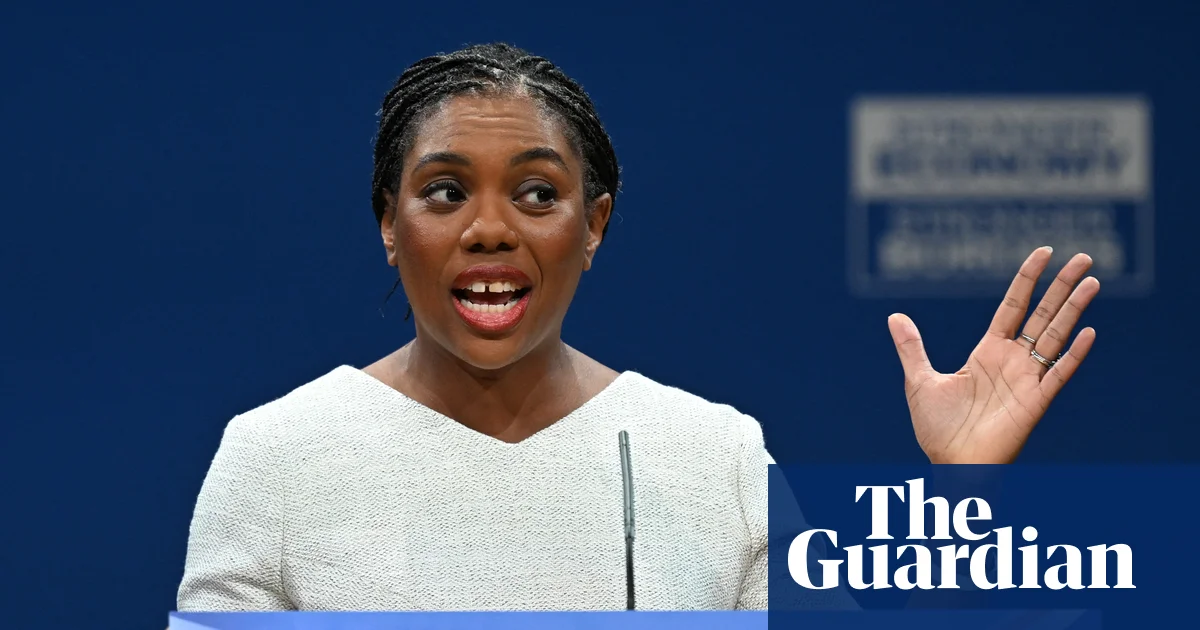
In a rapidly transforming international landscape, the political maneuvers of Britain’s Conservative Party resonate far beyond its borders. During her recent party conference, the leader unveiled ambitious domestic policies, such as plans to scrap stamp duty, aimed at revitalizing the economy and stimulating homeownership. However, what drew less attention was the conspicuous absence of discussion regarding the most pressing threat confronting her party—the rising tide of global instability and shifting geopolitical tensions. As analysts break down the tone and substance of her speech, the underlying question persists: can mere policy promises contain the larger, more complex forces at play?

International organizations and political historians warn that political strategies focused primarily on domestic issues may not be enough to shield nations from the multifold threats that now define our era. The European Union, alongside the United States, faces persistent challenges from aggressive state actors pursuing regional dominance, economic coercion, and cyber warfare—factors that threaten to reshape the global order. For the UK, this means that internal political battles—such as leadership contests within the Conservative Party—must now contend with a geopolitical environment where security and diplomatic resilience are paramount. Yet, recent conference season has largely focused on traditional party politics rather than addressing the broader, turbulent international context.

The question of leadership purity amid these external pressures echoes throughout British political discourse. Veteran analysts and international institutions underscore the significance of internal stability in the face of global upheaval. As Robert Jenrick and other potential rivals challenge the current leadership, many believe that the party’s future hinges on broader strategic vision—one that goes beyond tax cuts and campaign rhetoric.

  • Experts from Chatham House highlight the interconnectedness of domestic policy and international security.
  • British political commentators from Financial Times suggest that leadership debates now serve as a reflection of the nation’s preparedness to engage with an unpredictable world.

Regardless of internal contests, the larger consequence is whether the UK will emerge resilient or fragmented amidst a constellation of global crises that seem to intensify each day. As the echoes of policy promises fade into the cacophony of international conflict, the act of leadership—both political and strategic—remains the defining challenge of our time.

History watches, and history’s weight presses down heavily. In the unfolding chapters of the 21st century, the decisions made within these political chambers may well determine not only national fate but also the trajectory of global stability. Will Britain, under its current leadership, rise to meet the formidable challenges ahead? Or will it falter, lost in the shadows of a shifting world order that continues to redefine what is possible—and what is at stake. As the world teeters on the brink of unpredictable change, one thing remains certain: the future is still being written, and time waits for no nation.

Social Media Auto Publish Powered By : XYZScripts.com