
Revolutionizing Travel Gear: The Future of Business Innovation in Personal Accessories
The world of travel accessories, historically characterized by simple, utilitarian designs, is undergoing a profound shift driven by cutting-edge materials and disruptive manufacturing techniques. Industry leaders such as Monos, Beis, and Aer are spearheading a competitive race to redefine what consumers expect from everyday travel essentials. In an era where innovation is no longer ancillary but fundamental, these brands are leveraging new fabric technologies, sophisticated construction, and strategic design to both elevate their market position and challenge established giants.
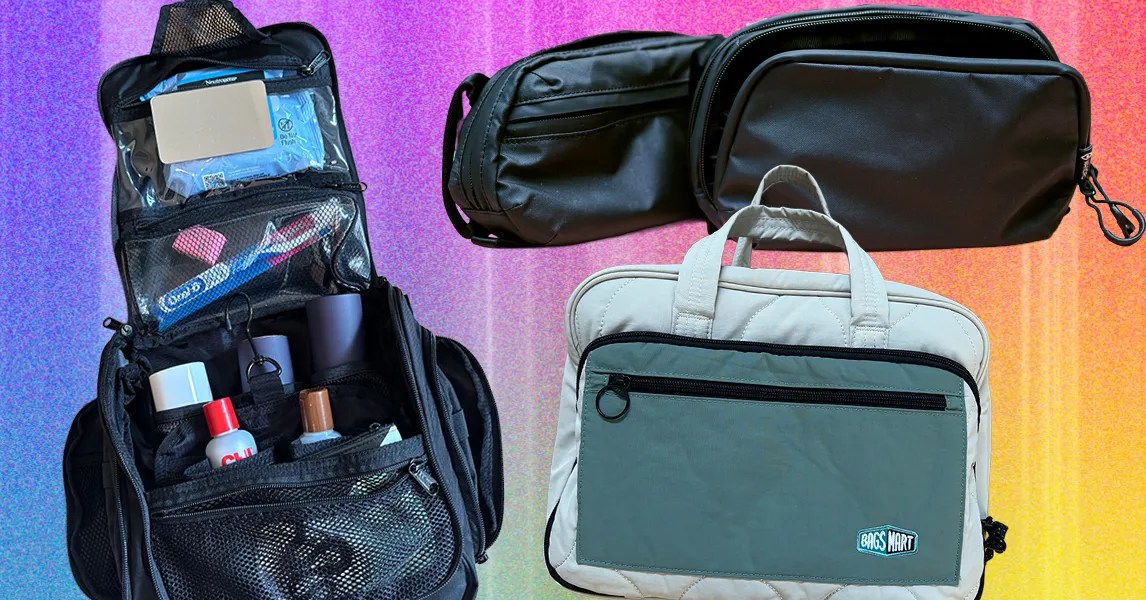
For instance, Monos’ Metro Toiletry Case exemplifies material innovation by incorporating ultra-durable vegan leather that balances resilience with lightweight portability. Its structured yet flexible design exemplifies disruption in product form factor—melding protection with packability—a paradigm shift recognized by analysts from Gartner and notable brands like Apple in embracing form-meets-function. Meanwhile, Beis’ Dopp kit exemplifies the application of advanced manufacturing processes such as seamless water-resistant compartments, raising the bar for durability and ease of cleaning—an essential for the burgeoning clean and sustainable travel trend.
Beyond material innovation, the integration of smart features signifies an industry-wide pivot towards business disruption. Brands like Tumi with their Alpha Bravo Response Kit embed tech integrations such as antimicrobial linings and tracking capabilities, setting a new standard in security and hygiene—key concerns for millennial and Gen Z consumers. Such features not only heighten user convenience but also create new revenue streams, as companies explore subscription-based models for accessories and complementary services, mimicking successful tech giants operating at the intersection of hardware and software.
Industry-Wide Impacts and Market Shifts
According to recent industry reports, the market for premium travel accessories is projected to grow at a CAGR of 8-10% over the next five years, spurred by disruption in traditional supply chains and consumer demand for innovation-driven products. This industry shift threatens legacy brands that rely on outdated manufacturing and minimal feature differentiation, while favoring those that embrace disruption and technological integration. Notably, startups adopting sustainable materials and digital diagnostics are already experiencing rapid growth, echoing strategies recommended by Peter Thiel’s insights regarding first-mover advantages in technology markets.
Furthermore, industry consolidation is gradually giving way to an ecosystem of niche, agile brands that focus intensely on innovation and customer engagement. The rise of manufacturers utilizing AI-driven design and advanced composites signifies a potential paradigm shift, reminiscent of Industry 4.0 trends transforming manufacturing sectors across the board. For consumers, this translates to more personalized, durable, and tech-enabled products, driving expectations that modern products must serve both form and function in a disruptive manner unparalleled in previous decades.
The Dynamic Outlook and Urgency for Innovation
As the boundaries of material science and digital integration continue to blur, the future of travel gear appears inexorably linked with business innovation and technological disruption. Industry leaders and startups alike face the imperative of staying ahead by investing in R&D, embracing sustainable practices, and deploying next-generation manufacturing processes. With big tech convergence on the horizon—such as AI-powered design tools and blockchain-enabled supply chains—the push for disruption should be accelerating, not stagnating.
The ongoing evolution in travel accessories serves as a mirror to the broader landscape of technological disruption affecting every sector. As Elon Musk and Peter Thiel have emphasized, those who leverage innovation and act swiftly will not only redefine market standards but also seize the exhilarating economic opportunities of the next frontier. The message is clear: disruption is no longer optional; it is the only way forward in an ever-accelerating technological race. The companies that recognize and adapt to this reality today will be the industry titans of tomorrow, shaping the future of consumer technology and global commerce.