Matox News

Truth Over Trends, always!

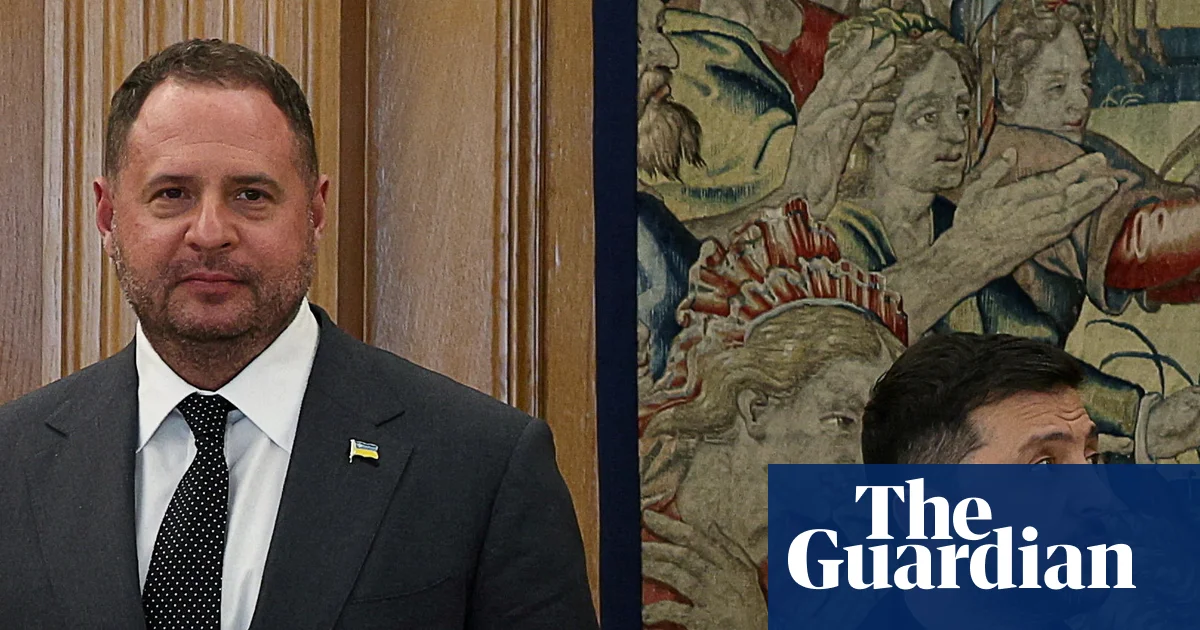
Zelenskyy Confronts Rising Chaos as Yermak’s Fall Reshapes Ukraine’s Power Balance

Ukraine stands on the brink of a major political upheaval, as it grapples with the fallout from the recent resignation of Andriy Yermak, President Volodymyr Zelenskyy‘s closest adviser and key figure in domestic and international negotiations. Yermak’s departure, triggered by anti-corruption searches of his residence, signals a disruption of the carefully balanced power structure in Kyiv—a city already under immense pressure from the ongoing conflict with Russia. Renowned analysts warn that this event could serve as a watershed moment in Ukraine’s internal governance, with reverberations felt across its international alliances and peace prospects.

  • Yermak, a former lawyer and film producer-turned-politician, became the backbone of Zelenskyy’s inner circle, wielding influence over foreign policy, security talks, and political strategy.
  • The anti-corruption probe, which seized laptops and phones from his residence, has cast a shadow over Ukraine’s leadership, threatening to unravel years of political consolidation and shaking public confidence.
  • Political insiders highlight that Yermak’s control over sensitive connections and information made him an indispensable gatekeeper, effectively limiting access to the president from the wider elite and opposition elements.

Historians and international observers cite the anti-corruption crackdown in Ukraine as a potential turning point that could either pave the way for reform or deepen societal division. The scandal follows years of popular discontent with endemic corruption—a persistent problem that undermines Ukraine’s democracy and deters foreign investment crucial for recovery. As Kyiv attempts to strike a delicate balance between internal stability and external support, the fallout from Yermak’s demise underscores the broader geopolitical struggle between Western interests and entrenched local elites. commentators like veteran analyst Michael Lee have warned that losing a figure like Yermak may weaken Ukraine’s bargaining position in ongoing peace negotiations with Russia, making the prospect of a negotiated settlement even more tenuous.

International organizations such as the International Monetary Fund and the European Union have been pushing Kyiv for political reforms and transparency, viewing the recent developments as evidence of the urgent need for structural change. The scandal has exposed how intertwined Ukraine’s political elite are with vested interests, chipping away at the fragile trust necessary for sustained reform. Many experts believe that if Kyiv is to maintain Western support, it must confront these internal fissures head-on, even if it means a painful reorganization of its political hierarchy. Meanwhile, the events in Ukraine serve as a sobering reminder of how internal power struggles and corruption can threaten to undo years of international efforts aimed at stabilization and democratization.

As the dust settles, the nation faces a period of uncertainty—some fearing that further revelations could ignite instability, others hopeful for a second chance at reform. The echoes of this crisis will resonate well beyond Ukraine’s borders, shaping regional stability and the global strategic calculus. The unfolding saga of Yermak’s fall is more than a domestic story; it is a chapter in the larger narrative of a nation fighting not only external enemies but also confronting the corrosive effects of corruption within. The true test will be whether Ukraine’s leadership can harness this moment to forge a more transparent and resilient political future — or whether this turbulence will become yet another scar in the evolving history of a nation determined to forge its destiny amid the chaos of a world still at war.
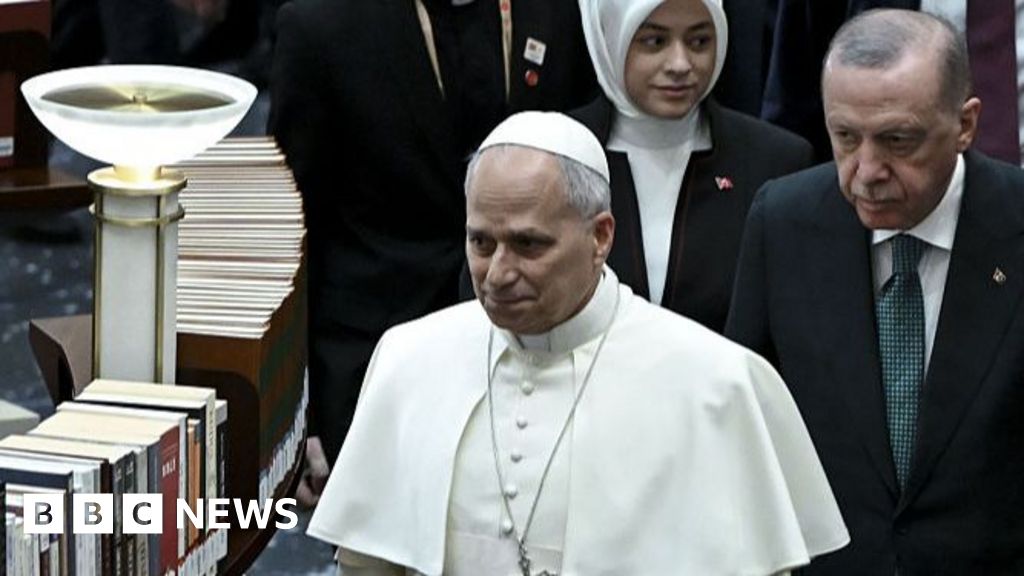

Pope Leo Visits Turkey, Warns Humanity’s Future Hangs in the Balance amid Rising Conflict

Global Implications of Pope Leo XIV’s Historic Diplomatic Trip

Amid mounting global tensions and an accelerating geopolitical chess game, Pope Leo XIV has embarked on a trip that carries significant weight beyond religious corridors. His visit to Turkey and Lebanon represents a conscious effort to foster interfaith dialogue, regional stability, and unity across fractured Christian communities. As he was welcomed by President Recep Tayyip Erdogan in Ankara, the pope issued a stern warning against “a heightened level of conflict on the global level,” emphasizing the importance of dialogue in shaping humanity’s future. This move is not just diplomatic window dressing; analysts suggest it could influence the shifting alliances and tensions that threaten to destabilize the Middle East and beyond.

This trip carries a weight of historical significance, highlighting the Pope’s desire to heal ancient schisms within Christianity while acting as a moral anchor amid regional turmoil. One of the pivotal moments took place in Iznik, the site of the ancient Council of Nicaea. There, amidst relics of early Christian unity, leaders of various traditions gathered to mark the 1,700-year anniversary of the Nicene Creed—an anchor point for Christian doctrine. In the current climate, where regional conflicts are increasingly entangled with religious identity, the pope’s call for “messages of togetherness and healing,” aims to remind the world of the enduring power of unity. Leaders and historians, including those from the Vatican and international think tanks, see this as a decisive attempt to rekindle dialogue and possibly curb future conflicts rooted in doctrinal divisions.

Meanwhile, in Turkey, Pope Leo’s visit to iconic sites such as the Blue Mosque symbolizes an effort to promote inter-religious dialogue. His meetings with other faith leaders are viewed by many analysts as strategic acts of soft diplomacy, aimed at fostering mutual respect in a region often scarred by religious tensions. This approach reflects a broader shift toward *practical engagement* amidst a sea of instability—particularly as regional alliances shift in response to rising conflicts and international disputes. The Pope’s cautious diplomacy continues to shape the *geopolitical landscape*, signaling a nuanced effort to prevent escalation and promote peace. The significance lies in how such gestures, often overlooked in the realm of geopolitics, can ripple outward and inspire societal resilience or, conversely, deepen fractures if misinterpreted.

The regional context has been further complicated by recent Israeli airstrikes on Beirut, an act that critics argue underscores the fragility of Lebanon’s stability. Despite this, the Vatican has affirmed that Pope Leo XIV’s plans for his Lebanon visit remain unchanged. He plans to meet with civic leaders and voice support for Lebanon’s besieged Christian community—an influential minority struggling for recognition amid chaos. His final Mass at the Beirut waterfront, on the anniversary of the 2020 port explosion, is expected to serve as a powerful act of remembrance and a plea for peace. International observers, including strategic analysts from NATO and the World Council of Churches, note that this act—and the overall trip—may be subtly pushing back against the rising tide of regional instability, seeking to remind global powers of their moral responsibility.

As the world watches this carefully calibrated diplomatic dance, the weight of history presses heavily upon each step. Pope Leo XIV’s trip is more than spiritual outreach; it is an act of moral diplomacy that may influence the geopolitical currents shaping future decades. The decisions made in these quiet corridors of dialogue will echo through generations, dictating whether nations can build bridges over centuries-old divides or descend further into chaos. The world remains poised at a crossroads, and history, ever-watchful, continues to unfold its story—an enduring saga of hope, conflict, and the relentless pursuit of peace amid chaos.

Scottish Teachers Push for Four-Day Week to Boost Work-Life Balance

Society at a Crossroads: The Struggle for Fairness, Workload, and Quality Education in Scotland

Across Scotland’s communities, the ongoing debate surrounding the future of education reveals broader societal tensions rooted in demographic shifts and theurgent need for reform. The Scottish government’s recent proposal to implement a “flexible” four-day teaching week has ignited both hope and concern among educators, parents, and policymakers alike. While officials tout this initiative as a step toward lightening teachers’ workload and fostering professional development, critics insist it does not adequately address the deeper issues that plague the nation’s education system, especially the unfair burden placed on teachers and the repercussions felt by families and students.

At the heart of the debate lie

  • Teachers’ workload that many deem “unfair, unhealthy, and unsustainable,”
  • The promises made by the government to reduce classroom contact time,
  • The ongoing strike ballots among key teachers’ unions such as the EIS and NASUWT,
  • And the challenge of translating policy proposals into meaningful change on the ground.

These issues strike at the moral core of education—how can society ensure that families are supported, that teachers are valued, and that children receive quality instruction without overburdening staff? The historian and social commentator Christopher Lasch once warned of a society where institutions become hollow, rendering community trust brittle. Today, the fissures in Scotland’s education framework threaten to undermine community cohesion, challenging the moral fabric that sustains future generations.

While the Scottish government emphasizes its commitment with promises of a “National Deal” and pragmatic solutions, union leaders express skepticism. Union representatives demand clarity: any restructured timetable must prioritize teachers’ autonomy over their allocated time, ensuring it is used effectively for lesson preparation, marking, and training. The discontent reflects a broader societal truth: when families see educators struggling and communities divided over how best to serve their young, societal trust in the system diminishes. The question remains whether these reforms will stave off strikes and foster genuine community support or simply mask deeper systemic failures.

Ultimately, the societal challenge extends beyond mere policy. It calls us to reflect on the moral obligation of society—to nurture families, invest in education, and respect the labor of those shaping our collective future. As the social commentator Jonathan Sachs noted, moral leadership in times of crisis must be rooted in empathy and justice. Perhaps what Scotland’s teachers seek is not just a modified timetable but a reaffirmation of society’s commitment to nurturing its next generation through fairness, respect, and shared responsibility. In this moment of societal flux, hope lies in the possibility that, through honest debate and genuine collaboration, a society can transform its challenges into a foundation for renewal—one where every child is valued, every teacher is empowered, and communities thrive in resilience and unity. Only then can the society evolve beyond mere policies into a true community of shared purpose, lighting a path toward lasting societal renewal.

Social Media Auto Publish Powered By : XYZScripts.com



