Matox News

Truth Over Trends, always!

Retail Spending Slumps in March as Young Consumers Tighten the Belt

The United States economy is experiencing a crucial inflection point that could have profound geopolitical repercussions in the coming years. Recent data from the Commerce Department reveal a decline in retail sales for March, with spending dropping by 1% compared to the previous month. While seemingly small, this decline exceeds analysts’ expectations and signals a potential slowdown in the world’s largest consumer market. The fall in consumer expenditure, particularly in departments such as general merchandise and gas stations, underscores a broader shift driven by retreating income expectations and lingering recession fears. Central to this economic shift is the impact of recent banking crises, which have fundamentally shaken investor confidence and prompted households to curb spending.

Economists and analysts note that this decline is not solely a short-term anomaly. Bank of America analysts suggest that the lull in refunds issued by the IRS—down by approximately $25 billion relative to last year—has dampened household liquidity, further constraining consumer activity. Simultaneously, the expiration of pandemic-era benefits has taken a toll on disposable income and spending power. How these decisions ripple through society becomes evident as household savings rates potentially decline and the specter of an impending recession looms larger. Despite these setbacks, some resilient fundamentals remain—such as a 2.9% year-over-year rise in retail spending and steady wage growth, albeit at a slower pace—yet the overall picture indicates signs of faltering consumer confidence.

The Federal Reserve and other global institutions watch these signals with caution. The latest employment figures do not indicate a collapsing labor market; employers added 236,000 jobs in March, yet the pace of growth is diminishing, and the Job Openings and Labor Turnover Survey reflects a 17% decrease from last year’s peak. Additionally, higher inflation expectations, fueled by rising gas prices, threaten to erode real wages and consumer purchasing power. This combination of tightening labor markets and inflationary pressures is forcing policymakers into a delicate balancing act, trying to stave off a recession while combatting inflation. Historian analyses point out that history shows such periods often precede significant geopolitical shifts, as economic downturns tend to strain international alliances and domestic stability.

The international community remains alert to the potential geopolitical fallout of America’s economic trajectory. Declining consumer confidence and rising inflation could prompt China and other rival powers to accelerate their strategic ambitions, sensing for opportunity as the U.S. grapples with internal uncertainties. Major global institutions like the IMF warn that a U.S. recession could destabilize emerging markets, which rely heavily on American trade and investment. This delicate web of interconnected economic and geopolitical forces underscores the vital importance of decisions made today. As analysts warn that the effects of recent banking turmoil and fiscal policies are still unfolding, the specter of history—where economic tremors evolve into full-blown crisis—serves as a stark reminder: the world’s balance of power is increasingly defined by these subtle yet profound shifts. The narrative of this ongoing chapter is written in the language of uncertainty, and only time will reveal whether the U.S.—and indeed the global order—can navigate this turbulent period without succumbing to the chaos of the fall.
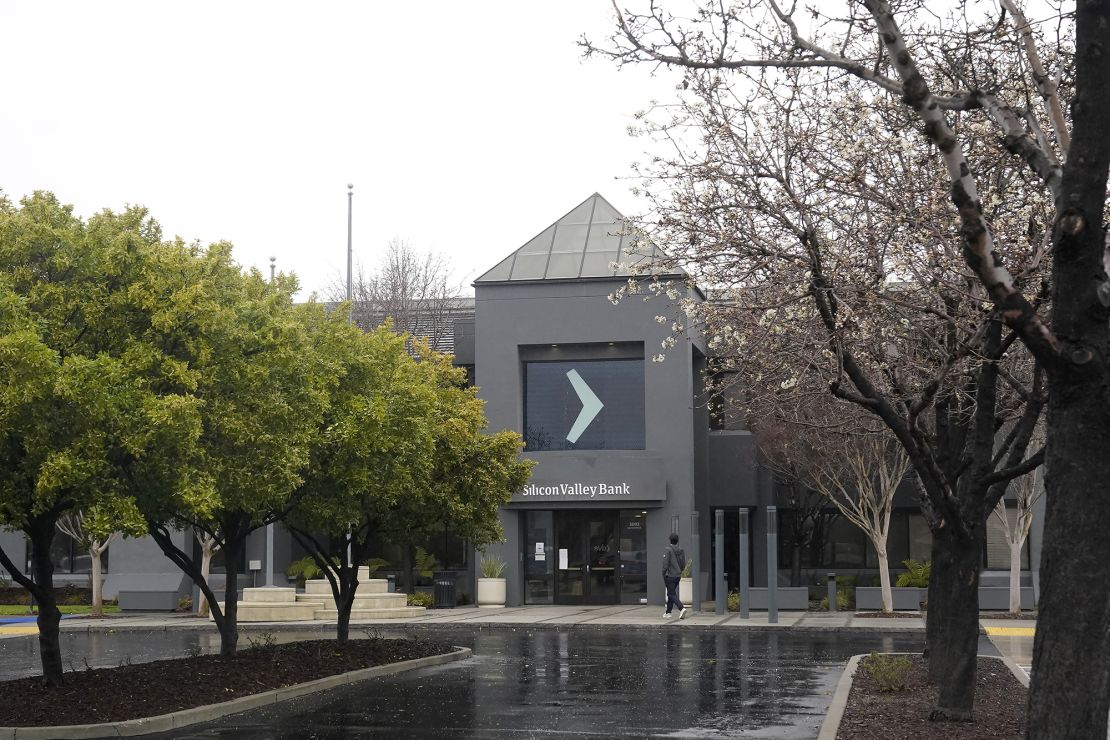

Silicon Valley Bank Collapse Sparks Urgency to Fix Barriers for Entrepreneurs of Color

Economic Turmoil and the Global Geopolitical Impact of Silicon Valley Bank’s Collapse

The recent collapse of Silicon Valley Bank (SVB), once a powerhouse in the American financial sector and a pillar supporting minority entrepreneurs, stands as a stark reminder of the fragile interconnectedness of global markets. Established in 1983 and ranking as America’s 16th-largest bank at the close of 2022, SVB’s downfall on March 10 sparked a firestorm that extends far beyond California’s borders. It provided banking services to nearly half of all venture-backed tech and life sciences firms in the United States, making its collapse not just a national crisis but a matter of international concern. The ripple effects threaten to reshape the very structure of global banking, investment, and geopolitical influence, especially considering the bank’s commitment to fostering minority-led businesses and its strategic investments in underserved communities.

At the heart of this crisis lies an underlying systemic failure intertwined with issues of racial and economic inequality. Analysts highlight that SVB’s role extended beyond finance; it operated as a vital lifeline for minority entrepreneurs, often overlooked by larger banks. Industry insiders like venture capitalist Arlan Hamilton and nonprofit advocates like Joynicole Martinez emphasize how SVB’s support for minority-led startups—through conferences, funding, and community outreach—was part of a broader strategy to counteract pervasive discrimination in banking and lending. The bank’s collapse thus not only jeopardizes these entrepreneurs’ immediate futures but threatens to undermine the broader push for economic equity worldwide. As global organizations and national governments watch with concern, this incident underscores the high stakes involved: the collapse exemplifies how decision-making within major financial institutions can accelerate systemic vulnerabilities, risking a domino effect on the international stage.

The geopolitical consequences of SVB’s downfall are compounded by the global competition for influence and resources. Major financial institutions in JPMorgan Chase and Wells Fargo publicly commit to addressing economic disparities through initiatives targeting underserved communities. Yet, the disparities persist, as Black-owned banks like OneUnited manage less than 0.02% of the assets held by giants like JPMorgan Chase, highlighting the imbalance in global financial power. The ongoing struggles of minority entrepreneurs and the broader banking inequalities are a microcosm of a continent-wide issue: how systemic biases and financial exclusion determine nations’ capacities to thrive in an increasingly interconnected economy. Historians and economic analysts warn that neglecting these disparities could foster greater instability, allowing economic and geopolitical rivalries—particularly in Asia and Europe—to exploit sectors of weakness. The crisis is a definitive turning point, revealing the importance of resilient, equitable financial systems as fundamental to national security and societal stability.

As the international community observes a shifting landscape, the legacy of SVB’s demise may yet define a new era of economic reckoning. The crisis exposes the systemic failures that have long marginalized women, minorities, and small businesses, leaving them vulnerable in times of upheaval. While efforts by JPMorgan and Wells Fargo aim to address these gaps, critics warn they are mere drops in an ocean of inequity. Meanwhile, emerging fintech and community banks, like Black-owned banks and regional lenders, stand poised to play a pivotal role in restoring trust and inclusivity. As history continues to unfold, nations must reckon with how their financial and societal decisions today will echo through generations—deciding whether the future will be one of resilience or chaos. The fall of SVB will be remembered as a stark lesson in the enduring power of systemic reform—or the catastrophic consequences of neglect—where the lessons of history remain, quietly waiting to either be heeded or ignored.

Social Media Auto Publish Powered By : XYZScripts.com


