Matox News

Truth Over Trends, always!

Indonesia plans crackdown: banning social media for under 16s to protect the youth

In a move that signals a significant shift in the global digital landscape, Indonesia has announced an unprecedented plan to restrict access to major social media platforms for minors. Platforms such as YouTube, TikTok, Facebook, Instagram, Threads, X, Bigo Live, and Roblox are poised to face new age-based limitations, marking what officials describe as a pioneering effort among non-Western nations. This decision underscores a broader trend of emerging economies asserting greater control over digital spaces within their borders, blending concerns over cultural sovereignty with national security.

According to Hafid, Indonesia’s digital minister, the proposed ban will commence with platforms popular among youth, effectively delaying children’s access based on age. The cryptic phrase that Indonesia will become “the first non-Western country to delay children’s access to digital spaces according to age” highlights an emerging global realignment of digital sovereignty, contrasting with the laissez-faire approach traditionally championed by Western digital giants. The move is not only about safeguarding societal values but also about asserting sovereignty in an era where technology has often outpaced regulatory frameworks—and where Western standards of digital freedom face mounting scrutiny outside of their home regions.

International analysts and historians see this as a critical turning point. Several experts suggest that U.S.-led Silicon Valley giants must reckon with increasing geopolitical pressure, especially from nations eager to craft digital policies aligned with their cultural and security priorities. Organizations such as the International Telecommunication Union and the World Economic Forum have long debated how to harmonize technological innovation with national interests. Yet, Indonesia’s stance signals a departure from the global consensus on open access, emphasizing instead a cautious, states’ rights-oriented approach that could ripple across developing nations. This burgeoning trend hints at a future where digital sovereignty becomes a key front in geopolitical conflicts, with nations reclaiming control over their digital borders.

As the world watches, the decision holds ramifications far beyond Indonesia’s borders. How other nations respond will shape the next chapter in the ongoing struggle between global technology giants and sovereign states. The move also raises profound questions about the societal impact on youth—who, in a world increasingly driven by digital engagement, may find their access to information and opportunity curtailed or manipulated by state interests. The debate is now as much about cultural preservation as it is about technological control. With each policy shift, history continues to be written—an unfolding narrative of power, identity, and the incessant pursuit of sovereignty in a borderless digital age. As Indonesia boldly asserts its domestic authority over the digital realm, the geopolitical stage is set for a new era—one where nations must navigate the treacherous waters of global digital influence, with history awaiting their next move.

Australia Ponders Banning Kids from Social Media—Is This the Future?

Australia’s Bold Attempt at Online Child Safety Sparks Global Debate

In a move that has captured the world’s attention, Australia has embarked on a pioneering but controversial mission: the implementation of a nationwide social media ban for children under 16. Announced by Prime Minister Anthony Albanese in November 2024, this legislation aims to create a digital environment deemed safer for the next generation. The law mandates platforms like Snapchat and others to adopt age verification measures, with penalties reaching up to $49.5 million in fines for serious breaches. Yet, beneath the surface of lofty intentions lies a complex, deeply contested battleground—where technological feasibility, societal safety, and individual freedoms collide. As critics question whether the policy can truly deliver on its promises, the geopolitical impact extends far beyond Australia’s borders, igniting debates around the world about how best to protect children in an era dominated by digital monsters.

Tech giants and policymakers find themselves at a crossroads: the decision to enforce such stringent safeguards could either mark a new era of digital responsibility or open Pandora’s box of evasion and loopholes. Experts, such as Tony Allen of the UK-based Age Check Certification Scheme, concede that verification methods like ID checks, facial scans, and activity-based inferences are “technically possible,” but none are foolproof. With teenagers like Isobel already outsmarting the system—she managed to deceive Snapchat’s age verification within minutes—doubts persist about the law’s enforceability. Social media platforms are also alert to the economic motives of the legislation, with firms like Facebook and Google potentially viewing it as a temporary hurdle. The threat of legal challenges looms large, as teenagers and privacy advocates question the constitutionality and Orwellian scope of the law, while tech companies consider their next move in what could become an global precedent.

The geopolitical impact of this policy extends beyond mere legislation. Australia‘s aggressive stance serves as a potential blueprint for other nations, prompting a ripple effect in what some analysts call a “digital front line” for child safety. Countries across the **Western Hemisphere** and **Europe** observe closely—each weighing the balance between technological control and the fundamental rights of youth. International organizations like the UN and EU are scrutinizing the law, with voices warning that such policies might inadvertently shift vulnerable children into darker corners of the web—chatrooms and gaming sites that remain outside regulatory reach. Critics, including former officials like Julie Inman-Grant, argue that this blunt approach may distract from broader, more nuanced reforms necessary to safeguard mental health and prevent harm online. The trajectory of Australia’s policy, whether it ultimately curbs harm or exacerbates risks, could influence global norms on digital child protection in the years to come.

As history unfolds beneath the weight of these unprecedented decisions, one thing is clear: the quest to define the boundaries of online safety is becoming a defining challenge for nations and societies alike. The question remains whether technological walls can— or should—block the tidal wave of free expression and innovation that drives the internet. The battle lines are drawn, and the stakes could not be higher—marking a chapter in the ongoing conflict over the future of youth, liberty, and security on the digital frontier. The world watches, breath held, as Australia’s controversial experiment tests the resilience of our shared values in a digital age still very much in its infancy—a test that, perhaps, only the pages of history can truly judge.

CDC advisers stall on banning infant hepatitis B shots in heated debate—Trump era clash

US Vaccine Debates and Their Geopolitical Impact

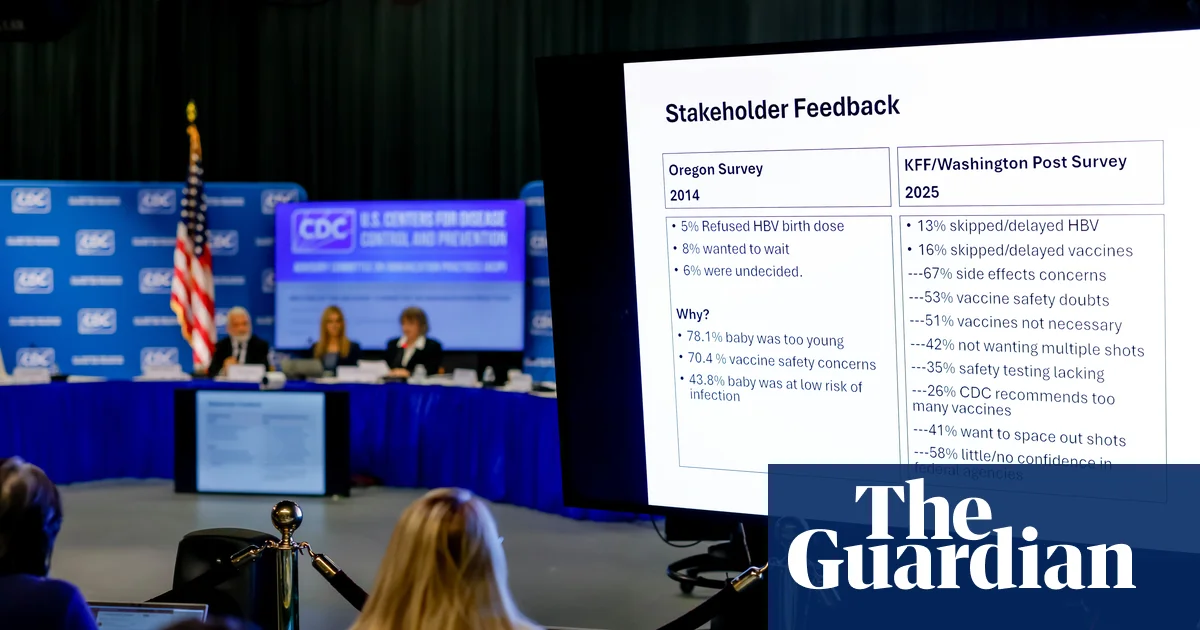
The recent convergence of United States healthcare decisions has underscored a profound shift in the nation’s approach to childhood immunizations. During a contentious meeting of the Advisory Committee on Immunization Practices (ACIP), a pivotal vote was postponed on restricting hepatitis B vaccination for infants. This unprecedented standoff reflected deep divisions that reach beyond domestic health policies, resonating across global health dynamics and geopolitical stability. The decision, or rather its delay, follows a series of recent recommendations that signal a retreat from the consensus historically practiced in vaccine administration, raising alarms about the future health sovereignty of the United States.

Critically, the debate was not rooted in new scientific evidence—no data demonstrating harm from the vaccine was presented—yet it spotlighted ideological rifts. Some members, appointed under controversial political influences, challenged the established safety record of the vaccine, which has protected over 1.4 billion people worldwide for more than three decades. The inclusion of vaccine skeptics within the advisory panels mirrors broader cultural and political tensions, often fueled by figures like Robert F. Kennedy Jr., whose anti-vaccine advocacy has gained notable traction among segments of the American youth. Analysts warn that such associations could erode trust in public health at a crucial juncture, potentially reversing decades of progress in childhood disease prevention.

Implications on National and Global Health Policies

  • In recent months, the ACIP has recommended more restrictive guidelines, including limiting access to vaccines for diseases such as measles, mumps, rubella, and chickenpox, echoing a shift that could challenge international childhood health standards.
  • This trend is compounded by the resignation of Martin Kulldorff, the former ACIP chair, who transitioned to the U.S. Department of Health and Human Services. His replacement, Kirk Milhoan, a pediatric cardiologist with a record of opposing some COVID-19 vaccination mandates, exemplifies a deliberate move away from scientific consensus and towards political influence.
  • World health experts and international organizations have expressed concern over the declining vaccination rates—amid rising vaccine hesitancy and the fallout of the COVID-19 pandemic. The recent surge in measles outbreaks across the U.S. underscores how policy shifts—whether to restrict or promote vaccination—directly influence national and how societies manage emerging health threats.

Historians and public health analysts emphasize that such decisions carry far-reaching geopolitical consequences. Countries worldwide watch as the U.S., a leader in vaccine development, grapples with internal divisions that threaten to weaken collective immunity and global disease control efforts. The focus on vaccine skepticism and political meddling in scientific institutions could redefine the international standing of American health diplomacy. As America navigates this precarious path, the weight of history presses heavily upon its shoulders, with the unfolding narrative of vaccine policies poised to leave an indelible mark on future generations.

In the shadow of these turbulent debates, the capstone remains clear: history continues to be written not just by the decisions of today’s leaders, but by the societal values they choose to uphold. The question remains—will the United States reaffirm its commitment to science and public health, or will it succumb to the divisiveness that threatens to unravel decades of progress? As the world watches with bated breath, the outcome of this internal struggle will undoubtedly shape the global health landscape for generations to come. The pages of history turn, and with them, the very fabric of societal trust and international stability hang in the balance.

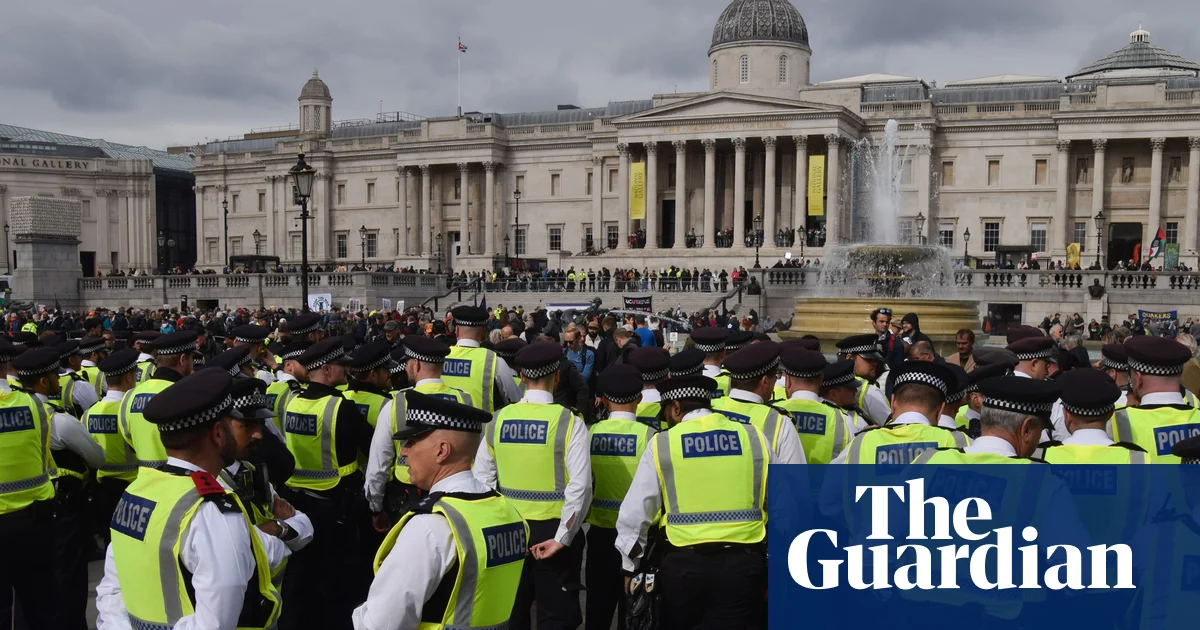
Advisers Warn Ministers: Banning Palestine Action Might Backfire Among Youth

In recent weeks, the United Kingdom has taken a contentious step by banning Palestine Action, a grassroots organization dedicated to confronting the UK’s arms trade with Israel. Despite advice from officials warning that such a prohibition could inadvertently elevate the group’s profile, policymakers proceeded with proscription under terrorism laws. This decision marks a significant chapter in the ongoing global debate over civil liberties versus national security, illustrating the complex interplay between domestic policy and international tensions, especially in Britain’s role in the Israeli-Palestinian conflict.

The decision was underpinned by a secretive community impact assessment, revealing internal debates about the potential repercussions of a ban. Officials cautioned that proscription might exacerbate Muslim-Jewish tensions within Britain, deepen societal divisions, and be perceived as government bias favoring Israel. Moreover, polling data indicated that a significant portion of the British public supported bans on arms shipments to Israel, reflecting a growing frustration with the military actions in Gaza. Nonetheless, the advisors warned that such a move could “become a flashpoint for controversy and criticism,” highlighting the perilous balancing act that policymakers face—demanding security while avoiding alienating critical segments of society.

Critics argue that the government’s crackdown on Palestine Action has backfired, boosting the organization’s visibility and support rather than diminishing it. Huda Ammori, co-founder of Palestine Action, expressed that “awareness of the issues and the group’s popularity has grown exponentially,” indicating that the ban has inadvertently strengthened their stature. This outcome underscores how decisions rooted in security fears and political expediency can often generate unintended consequences, further entrenching the divisions they seek to quell.

The policy shift also sheds light on the geopolitical impact of Britain’s internal security measures. Proscription under terrorism laws frames the conflict in moral and legal terms but also risks alienating Muslim communities and fueling anti-government sentiments. This, in turn, influences Britain’s international standing, complicating diplomatic relations with Middle Eastern nations and global organizations advocating for Palestinian rights. As analysts point out, the UK’s overt involvement in Israel’s defense industry—an issue that the government actively suppresses—has become a source of tension with other Western nations that are questioning the equity of their support for Israel.

In the broader context, Britain’s internal conflict over Palestine reflects a wider geopolitical contest. How Western democracies choose to engage—whether through silence, activism, or suppression—shapes the global narrative surrounding the Israeli-Palestinian dispute. The recent ban represents a symbolic battleground for values—security versus civil liberties, activism versus state control—marking a decisive moment where internal policy decisions echo into the larger arena of international diplomacy. The unfolding saga leaves history’s watchful eyes pondering: will this be a turning point towards greater governmental control, or a catalyst that emboldens those fighting for justice? The answer remains shrouded in the shadow of history, as the world watches, and the story continues to unfold.

Social Media Auto Publish Powered By : XYZScripts.com