Matox News

Truth Over Trends, always!

Bad Bunny breaks barriers as Trump laments ‘terrible’ Super Bowl performance

The latest chapter in the global cultural landscape was written not through traditional political declarations, but via the unprecedented presence of Puerto Rican artist Bad Bunny on the world’s biggest sporting stage. Breaking the mold of language barriers, Bad Bunny’s performance, entirely conducted in Spanish, marks a significant milestone in the ongoing cultural shift within international sports and entertainment. As global audiences tuned in, this act of artistic assertion transcended entertainment, signaling a broader undercurrent of regional influence gaining prominence in a landscape often dominated by English-language narratives.

International organizations and sports forums, long viewed as symbols of global unity, have historically favored English as the lingua franca to facilitate communication across diverse nations. However, in recent years, there has been a palpable push towards greater inclusion of diverse cultures and languages, driven by burgeoning regional markets and an increasingly interconnected world. The Tension between globalization and regional identity is now palpable; Bad Bunny’s historic performance exemplifies how this cultural assertiveness challenges the traditional dominance of Anglo-American influence. Historians like Dr. Marco Ríos, a noted analyst of Latin American cultural movements, assert that this moment marks a turning point where “regional voices are asserting their rightful place on the world stage, reshaping cultural dominance.”

From a geopolitical perspective, the rising prominence of Spanish-language entertainment figures directly impacts the economic and political balances within the international arena. As nations like Spain and Latin American countries enhance their soft power, their cultural exports become not just sources of pride but strategic tools—particularly in regions of the world seeking alternatives to Western-dominated narratives. Experts from organizations such as the United Nations have acknowledged this cultural shift as part of a broader reassertion of regional identities. The implications are profound; geopolitical influence, economic prowess, and even diplomatic leverage are increasingly intertwined with cultural production, making events like Bad Bunny’s historic performance a symbolic battleground of influence.

How nations and societies respond to these shifts will shape the future of international relations. The decision of a single artist or event to embrace and elevate regional identity can rally millions, challenge established power structures, and redraw the cultural map of the world. As history continues to be written in this new era, the importance of such moments cannot be overstated. Ultimately, the unfolding narrative suggests that the struggle for cultural supremacy remains at the heart of geopolitics—a contest that can no longer be ignored but demands acknowledgment, for it carries the weight of history yet to be fully realized.

India’s First Female Train Driver: Breaking Barriers and Leading the Way Forward

India’s Trailblazer: Surekha Yadav and the Broader Impact on Gender Equality in Critical Sectors

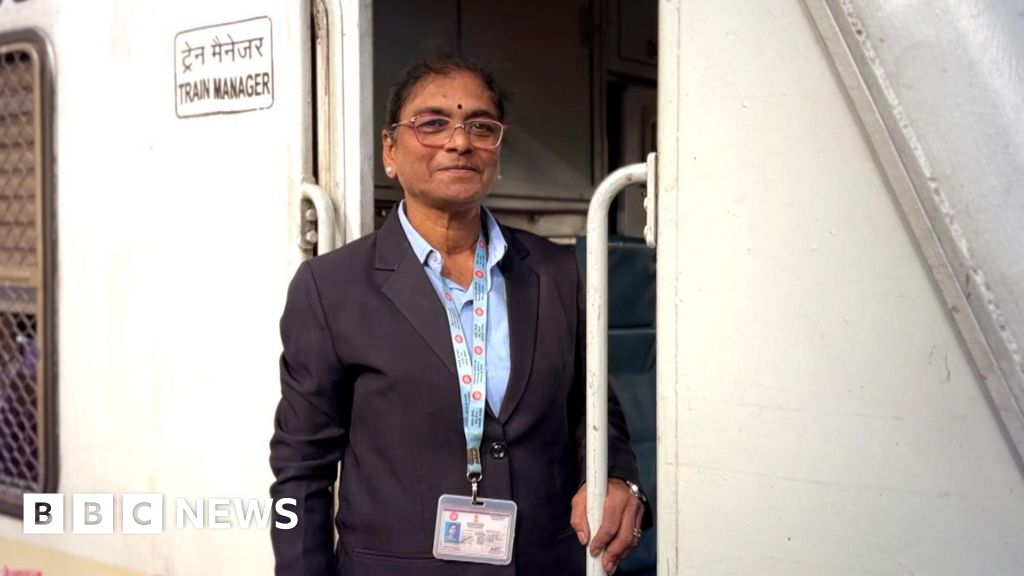
In a groundbreaking testament to persistence and progressive change, Surekha Yadav recently bid farewell after 36 years of service as India’s first female train driver. Her remarkable career, which began in 1989, symbolizes more than personal achievement—it underscores a shifting tide in gender roles within India’s traditionally male-dominated infrastructure sectors. Yadav’s journey from rural Maharashtra to operating the nation’s railways highlights the critical *geopolitical impact* of fostering equal opportunities in industries vital to economic development.

When Yadav first took to the locomotive, her decision defied societal norms. She entered into a profession then unthinkable for women, particularly in India, where government jobs are among the most coveted for the security and perks they offer. Her success challenged entrenched stereotypes, paving the way for a new generation of women amid a system historically reserved for men. Increasingly, international organizations, including the United Nations and global labor advocates, emphasize the importance of integrating women into strategic sectors such as transportation and engineering — a move that directly influences social stability and economic resilience in developing nations.

Unpacking the international significance of Yadav’s career

  • Her story has become a symbol of *progressive social change*, inspiring industries worldwide to break gender barriers and adopt inclusive recruitment policies.
  • As one of over 2,000 women now operating Indian Railways, her influence extends beyond individual achievement to national strategies aimed at empowering women in critical roles.
  • Historians and analysts, including Dr. Rajeev Malhotra, argue that Yadav embodies the *turning point* in India’s social fabric, where economic necessity meets evolving perceptions of gender roles.

Furthermore, the *geopolitical impact* resonates globally, as nations observe India’s efforts to modernize and diversify its workforce. India, with its sprawling rail network and strategic position as a rising economic power, aims to project an image of progressiveness and gender equality. This not only enhances India’s soft power but also sets a precedent for other developing nations attempting to balance modernization with traditional values. International organizations increasingly recognize the importance of such domestic shifts, as they bolster the global fight against gender discrimination, which remains embedded in many sectors worldwide.

How decisions at the policy level influence societies and nations

The Indian government’s recognition of jobs like train-driving as *winnable battles for social inclusion* illustrates a broader international trend towards sustainable development and gender parity. Ms. Yadav’s mentorship of aspiring women operators exemplifies how individual careers catalyze societal change, challenging societal norms and expanding the horizons of what is considered possible for women. These stories foster an environment where gender becomes less of a barrier to participation in vital sectors—enhancing economic productivity and social cohesion.

Experts from the World Economic Forum emphasize that such shifts in employment patterns not only empower women but also serve as a *game-changer* in addressing unemployment and economic inequality. By breaking ceilings in transportation and engineering, nations reinforce their commitment to cultivating resilient societies capable of adapting to global challenges, including climate change, urbanization, and technological disruption. As India continues to interlace its development goals with gender inclusivity, the international community watches closely, poised to learn and emulate this model of transformation.

The Ongoing Archive of Meaning

As Ms. Yadav’s locomotive finally pulls into the station after decades of service, she leaves behind more than just a legacy of skill and determination. Her retirement marks a *significant point in history*, yet the odyssey of gender equality in India’s infrastructure remains incomplete. The weight of her story underscores that decisions—local, national, and international—shape the societal landscape and write the next chapter of history. With each train that departs and arrives, there is a silent acknowledgment that every mile driven is a mile towards a more inclusive and resilient future—an indelible mark in the ongoing march of progress.

Breaking Barriers: I Launched the World's First Deaf Rave, Empowering Our Community
Breaking Barriers: I Launched the World’s First Deaf Rave, Empowering Our Community

Social Innovation in Youth Culture: The Deaf Rave Movement Sparks Change

Across communities in the UK, a quiet revolution is unfolding—one that challenges longstanding social divides and redefines what it means to unite through music and culture. At the forefront is a vibrant movement led by deaf communities who are reclaiming spaces for themselves, especially through the groundbreaking initiative known as Deaf Rave. This innovative approach exemplifies a broader societal shift towards inclusive entertainment and demonstrates how addressing social issues can profoundly impact families, education, and community cohesion.

Historically, social exclusion has marginalized deaf individuals, often confining them to the peripheries of vibrant youth movements such as dance clubs and festivals. Sociologists like Dr. Mark P. Block have noted that such marginalization fosters a sense of alienation, intensifying societal divides. Yet, deaf pioneers like the individual whose story this article follows are creating change from within—organizing events that integrate visual and tactile elements with traditional music forms. Their efforts are not just about recreation but are a form of cultural assertion and a vital step toward societal equity. By adapting venues with vibrating floors and tactile vibrations, they transform music from a purely auditory experience into a multisensory celebration accessible to all.

This movement highlights how educational and familial landscapes are being reshaped. Programs like DJ workshops for deaf children signal a significant cultural shift, emphasizing that developmental opportunities and creative expression should not be predicated on hearing ability alone. Such initiatives foster family bonds through shared participation and break down misconceptions about deafness as a barrier rather than a different way of experiencing the world. As Dr. Ruth L. Okediji argues, nurturing diverse cultural expressions in youth is essential for cultivating a society where every child feels valued and heard, regardless of their sensory abilities.

However, the road to true inclusivity faces challenges. Organizers often encounter resistance from venue owners unfamiliar with the needs of deaf attendees, fearing issues surrounding noise levels or safety. These hurdles reflect a broader societal reluctance to adapt traditional spaces, which often default to auditory-centric paradigms that exclude deaf individuals. Yet, stories of success demonstrate that change is possible. The Deaf Rave movement has garnered support from public figures, earning honors such as an honorary Master of the Arts and an MBE, achievements that symbolize growing recognition of deaf culture’s vibrancy and significance. With initiatives like schools’ DJ workshops and festivals, the movement exemplifies how social issues can be addressed creatively to nurture communication, community, and belonging.

As society stands at this crossroads, the story of Deaf Rave invites us to consider our collective responsibility. Society’s ongoing challenge is to foster environments where diversity is celebrated and social inclusion becomes the norm—not the exception. Serious reflection on our cultural infrastructure, educational methods, and community practices reveals the possibility of transformation. It is in these moments of resilience and innovation that society’s true potential reveals itself—a testament to human ingenuity and our capacity for collective empathy. In the silent yet vibrant beats of these deaf raves, society finds a hope— a promise that through understanding and adaptation, we can create a future where everyone’s voice, regardless of how it is heard, is truly heard.

Silicon Valley Bank Collapse Sparks Urgency to Fix Barriers for Entrepreneurs of Color

Economic Turmoil and the Global Geopolitical Impact of Silicon Valley Bank’s Collapse

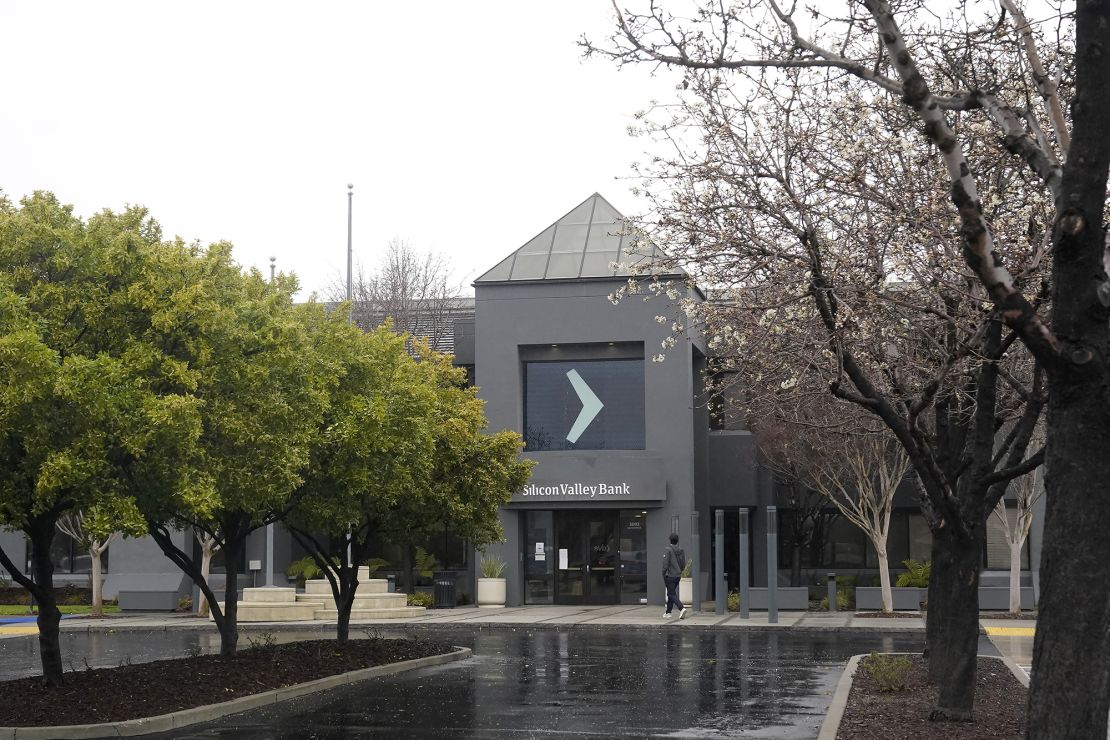
The recent collapse of Silicon Valley Bank (SVB), once a powerhouse in the American financial sector and a pillar supporting minority entrepreneurs, stands as a stark reminder of the fragile interconnectedness of global markets. Established in 1983 and ranking as America’s 16th-largest bank at the close of 2022, SVB’s downfall on March 10 sparked a firestorm that extends far beyond California’s borders. It provided banking services to nearly half of all venture-backed tech and life sciences firms in the United States, making its collapse not just a national crisis but a matter of international concern. The ripple effects threaten to reshape the very structure of global banking, investment, and geopolitical influence, especially considering the bank’s commitment to fostering minority-led businesses and its strategic investments in underserved communities.

At the heart of this crisis lies an underlying systemic failure intertwined with issues of racial and economic inequality. Analysts highlight that SVB’s role extended beyond finance; it operated as a vital lifeline for minority entrepreneurs, often overlooked by larger banks. Industry insiders like venture capitalist Arlan Hamilton and nonprofit advocates like Joynicole Martinez emphasize how SVB’s support for minority-led startups—through conferences, funding, and community outreach—was part of a broader strategy to counteract pervasive discrimination in banking and lending. The bank’s collapse thus not only jeopardizes these entrepreneurs’ immediate futures but threatens to undermine the broader push for economic equity worldwide. As global organizations and national governments watch with concern, this incident underscores the high stakes involved: the collapse exemplifies how decision-making within major financial institutions can accelerate systemic vulnerabilities, risking a domino effect on the international stage.

The geopolitical consequences of SVB’s downfall are compounded by the global competition for influence and resources. Major financial institutions in JPMorgan Chase and Wells Fargo publicly commit to addressing economic disparities through initiatives targeting underserved communities. Yet, the disparities persist, as Black-owned banks like OneUnited manage less than 0.02% of the assets held by giants like JPMorgan Chase, highlighting the imbalance in global financial power. The ongoing struggles of minority entrepreneurs and the broader banking inequalities are a microcosm of a continent-wide issue: how systemic biases and financial exclusion determine nations’ capacities to thrive in an increasingly interconnected economy. Historians and economic analysts warn that neglecting these disparities could foster greater instability, allowing economic and geopolitical rivalries—particularly in Asia and Europe—to exploit sectors of weakness. The crisis is a definitive turning point, revealing the importance of resilient, equitable financial systems as fundamental to national security and societal stability.

As the international community observes a shifting landscape, the legacy of SVB’s demise may yet define a new era of economic reckoning. The crisis exposes the systemic failures that have long marginalized women, minorities, and small businesses, leaving them vulnerable in times of upheaval. While efforts by JPMorgan and Wells Fargo aim to address these gaps, critics warn they are mere drops in an ocean of inequity. Meanwhile, emerging fintech and community banks, like Black-owned banks and regional lenders, stand poised to play a pivotal role in restoring trust and inclusivity. As history continues to unfold, nations must reckon with how their financial and societal decisions today will echo through generations—deciding whether the future will be one of resilience or chaos. The fall of SVB will be remembered as a stark lesson in the enduring power of systemic reform—or the catastrophic consequences of neglect—where the lessons of history remain, quietly waiting to either be heeded or ignored.

Social Media Auto Publish Powered By : XYZScripts.com