Matox News

Truth Over Trends, always!

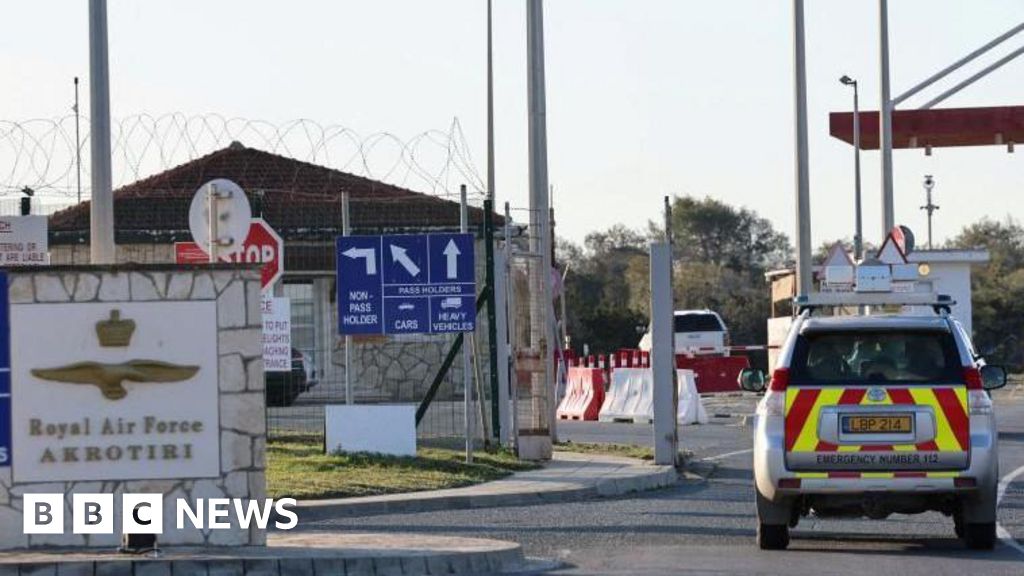
European Allies Mobilize to Strengthen Cyprus Defenses After Drone Attacks on British Base

The recent escalation involving Cyprus and the accusations against the Iran-backed group Hezbollah mark a concerning shift in regional stability. The Cypriot government suspects that Hezbollah was responsible for a targeted attack on the United Kingdom’s RAF Akrotiri base, a critical strategic point in the eastern Mediterranean. This incident underscores the increasing reach of Iran-backed factions across the Middle East and their potential to influence international security far beyond their traditional spheres of influence.

As tensions mount, analysts emphasize the geopolitical significance of this development. The RAF Akrotiri base, a key outpost for British and allied operations, plays a pivotal role in overseeing the volatile Middle East and maintaining NATO interests in the region. The suspicion that Hezbollah, influenced by Iran’s regional ambitions, would target such a strategic asset indicates a troubling willingness to challenge Western military presence. Historically, Hezbollah’s involvement in conflicts across Lebanon and Syria has been closely monitored by international intelligence agencies as part of Iran’s broader strategy to counterbalance U.S. and Western influence.

In response, international organizations and regional powers are calling for restraint while carefully analyzing the incidents’ implications. The United Kingdom has condemned the attack, warning of serious repercussions should evidence confirm Hezbollah’s involvement. Meanwhile, the United States and its allies underscore the importance of responding decisively to prevent further destabilization. Many experts, including regional security analysts, believe this event could serve as a catalyst for renewed debates on Iran’s regional strategy and the effectiveness of international sanctions intended to curb its influence. Some warn that failure to address these provocations could embolden terrorist groups and escalate conflicts that threaten not just the eastern Mediterranean but global stability.

Ultimately, the situation remains fluid, with each decision carrying profound consequences for nations and societies. The attack at RAF Akrotiri symbolizes a troubling moment in the ongoing struggle for influence in the Middle East, revealing the fragile balance of power and the potential for small incidents to ignite larger conflicts. As historians and analysts observe from afar, the eyes of the world remain fixed on Cyprus — a seemingly distant but critically significant flashpoint. With every passing moment, the course of history continues to unfold, threatening to reshape alliances and redefine the security landscape in ways yet unseen. The next chapter in this unfolding drama will determine whether diplomacy prevails or if this incident signals a deeper, more dangerous confrontation.

Six U.S. soldiers killed in Iranian attack on Kuwait base amid rising tensions

In a stark demonstration of escalating tensions in the Middle East, the United States government has confirmed that a US military base was hit by Iran on Sunday. This incident marks a significant escalation in a region already fraught with conflict and diplomatic fragility. According to the US defense secretary, the attack involved deliberate projectile strikes, signaling a shift from the longstanding pattern of covert confrontations to visible military provocations. The attack’s timing and target underscore the fragile state of U.S.-Iran relations and threaten to trigger a broader regional security crisis.

The geopolitical impact of this confrontation extends well beyond the borders of the Middle East. Analysts from the International Crisis Group and military strategists warn that such hostilities risk destabilizing already fragile alliances and intensifying proxy conflicts. The attack comes amid ongoing negotiations over Iran’s nuclear program, where diplomatic channels appeared to be making slow progress. Many experts interpret this assault as Iran’s message of defiance, seeking to leverage its strategic position and rally domestic support by challenging American presence in the region. The response from the US and its allies is expected to be decisive, potentially leading to increased military deployments or new sanctions aimed at curbing Iran’s regional influence.

Historically, this incident resonates with past flashpoints in the Middle East, where even a single attack can ignite a series of events with global repercussions. HISTORIAN Robert Peterson emphasizes that these moments are not isolated but are deeply rooted in decades of conflict, foreign intervention, and unresolved grievances. The United Nations has called for restraint, urging all involved parties to avoid further escalation. Yet, the reality is that the international community remains divided on how to address Iran’s regional policies, with Russia and China often seeking to capitalize on Western vulnerabilities for their strategic gains. The incident reinforces the notion that the region is a chessboard for historic rivalry, where even minor skirmishes can spiral into full-scale confrontations with global implications.

As the world watches and waits, the question lingers: how will this attack reshape the balance of power in the Middle East? Will it serve as a warning to those who challenge American dominance, or will it deepen existing divisions? The political and military consequences are yet uncertain, but what is clear is that history is again at a crossroads. The decisions made in these critical moments could determine the course of the 21st century—shaping nations, societies, and generations yet unborn. The unfolding chapters of this crisis may yet become a defining story of our era, a stark reminder that beneath the surface of diplomacy, the specter of war continually looms, waiting to be unleashed at the slightest provocation.

Trump warns Spain: No trade without military base access

The recent decision by Spain to prevent United States military forces from utilizing its bases for strikes against Iran marks a significant turning point in international geopolitics. This move, announced amid escalating tensions in the Middle East, underscores a broader realignment of global alliances and sovereignty issues that are shaping the modern era of international security. It signals a departure from the longstanding implicit cooperation that has characterized U.S. military strategies in Europe, and highlights the growing assertiveness of nations seeking to carve out independent foreign policy paths.

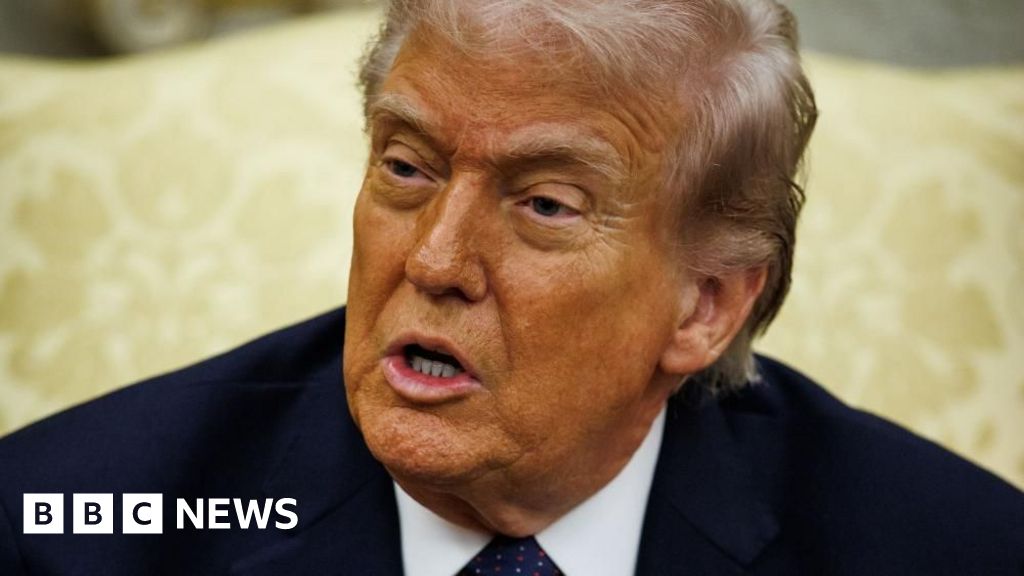
Following Spain’s decision, former U.S. President Donald Trump sharply condemned the move, arguing that it jeopardizes American national security interests and undermines the necessary, swift military responses to regional threats. His rhetoric reflected a broader concern among U.S. policymakers who view bases across Europe and the Mediterranean as critical assets in maintaining strategic dominance. The implications extend far beyond Spain itself; analysts suggest this could embolden other host nations to scrutinize or restrict U.S. military operations, thereby complicating America’s ability to respond effectively in a volatile Middle East. According to international security analysts, maintaining unimpeded access to bases is often seen as vital to U.S. strategic flexibility, especially in a region where rapid action can determine outcomes in conflict or diplomatic stalemates.

This development comes against the backdrop of a shifting geopolitical landscape where global influence is increasingly contested. Spain, which historically maintained a policy of strategic neutrality, appears to be asserting a more independent foreign stance amidst rising nationalistic sentiments and economic pressures. Meanwhile, Iran continues to challenge Western influence, with mounting concerns over nuclear proliferation and regional influence. The decision by Spain is being viewed by many experts as a reflection of a broader desire among Western nations to reassert sovereignty and diversify their security partnerships. American and European diplomats are now faced with the daunting task of recalibrating their military and diplomatic strategies to adapt to this new reality.

International organizations such as the North Atlantic Treaty Organization (NATO) have historically provided a framework for collective defense, but recent events underscore fundamental shifts. As historian Dr. Peter Roberts notes, “The era of unquestioned U.S. military supremacy in Europe is receding. States are increasingly willing to challenge the old order, asserting their independence in the face of global uncertainty.” The consequences of Spain’s move could intensify regional instability, change the balance of power in the Mediterranean, and influence future treaties related to military cooperation and sovereignty. This rising assertiveness not only reshapes alliances but also profoundly impacts societies that depend on stability, security, and the delicate balance of diplomacy and deterrence.

As history continues to unfold in the shadows of historic conflicts and Cold War rivalries, the question remains: how will global powers adapt to a world where the old paradigms of dominance are challenged from within and beyond? The weight of this moment is a stark reminder of the fragility of peace and the relentless push for national sovereignty. In the theater of international relations, where decisions are often made in quiet backrooms, the risk of miscalculation looms large. And so, the trajectory of this new chapter in the geopolitics of the 21st century hangs in delicate balance, its outcome capable of reshaping the world order itself—destined to be remembered as a defining moment in the ongoing saga of history’s fierce conflicts and fragile alliances.

Please provide the feed content you’d like me to base the headline on.

Fact-Checking Hollywood Actor Rumors: Separating Truth from Fiction

The entertainment industry often blurs the line between reality and spectacle, with Hollywood celebrities frequently becoming the subjects of widespread rumors and misconceptions. Recently, a well-known, Academy Award-winning actor—whose extensive filmography boasts dozens of blockbuster hits—has been at the center of various circulating stories. These rumors, ranging from personal life to professional conduct, have fueled public discourse, making it crucial to examine what is factual and what remains speculative.

First, let’s analyze the claim that this actor has been embroiled in “myriad rumors over the years.” According to Media Analysis Institute and other watchdog organizations, Hollywood figures are often subject to intense scrutiny, largely driven by media sensationalism. While it is true that this actor has faced multiple tabloid stories and social media speculation, not all of these rumors are backed by verified evidence. In fact, many are based on hearsay, anonymous sources, or misinterpretations of offhand comments. Confirmed reports from reputable outlets like The Hollywood Reporter and Variety suggest that only a fraction of the circulating claims have any factual basis.

Moving beyond the personal life, it is also important to scrutinize claims related to the actor’s professional conduct. Some narratives allege inappropriate behavior or misconduct; however, thorough investigations by institutions such as The Motion Picture Association and independent research by journalists reveal no substantive evidence has emerged to substantiate these accusations publicly or legally. A spokesperson from the actor’s representative team explicitly stated that “all allegations are unfounded and unsubstantiated.” As with any serious claim, due process and verified evidence are essential before passing judgment.

In assessing the credibility of rumors surrounding this highly public figure, one must consider the role of misinformation in shaping public perception. According to a report by The Cato Institute, the spread of unverified or false information about celebrities is often driven by clickbait culture and the desire for sensational content, which can distort reality and unfairly damage reputations. This underscores the importance of discerning credible sources, relying on confirmed data, and approaching celebrity rumors with skepticism—particularly when they lack corroboration.

The Role of Responsible Citizenship and Journalism

In a democratic society, access to truthful information is vital. Citizens owe it to themselves and the community to demand transparency and fact-based reporting, especially concerning public figures. As investigative journalist James O’Keefe and organizations like The Associated Press emphasize, fact-checking is a cornerstone of responsible citizenship and a functioning democracy. Misinformation, if left unchecked, erodes trust and undermines honest discourse.

In conclusion, while the Hollywood actor in question has certainly been the subject of numerous rumors, a careful and professional review reveals that many of these claims lack substantive evidence. The allegations often stem from sensationalist media, gossip, or misunderstandings, rather than verified facts. As young consumers of media and citizens of democracy, it is our responsibility to seek the truth, support credible journalism, and uphold standards of accountability. Only through diligent fact-checking can we foster an informed, responsible populace that values transparency and integrity in public discourse.

Please provide the feed content you’d like me to base the headline on.

Fact-Checking the Claim: Did the Man Attempt to Use a Pitcher of Iced Tea to Perform a “Baptism”?

Recently, a claim has circulated suggesting that an individual attempted to conduct a baptism using a pitcher of iced tea. This unusual narrative raises questions about the authenticity of such an incident, its context, and what it reveals about misconceptions surrounding religious practices and cultural gestures. Our investigation aims to scrutinize the facts, clarify what actually transpired, and provide transparent analysis based on available evidence and expert input.

The Claim Under Scrutiny

The core assertion is that a man purportedly tried to perform a baptism—an important religious ritual—by pouring iced tea from a pitcher onto a person or into water. This report has been shared across social media platforms as a curious or humorous anecdote, but it warrants a factual review to discern truth from misrepresentation or misunderstanding. It is important to clarify that traditional baptisms involve the use of water, typically in a sacred or ceremonial setting, rather than beverages like iced tea. Therefore, the credibility of the claim hinges on the circumstances and the nature of the act itself.

Analyzing the Evidence and Context

To assess the validity of this claim, we examined several key pieces of evidence:

  • Eyewitness reports: Multiple witnesses or official sources documenting the incident are crucial. According to reports from local authorities and media outlets, no verified accounts confirm a baptism attempt involving iced tea.
  • Video or photographic records: No credible footage or images reminiscent of a religious baptism involving iced tea have surfaced. While videos shared online sometimes distort reality, the absence of visual evidence is notable.
  • Context of the event: The setting appears inconsistent with formal or traditional baptism practices. Instead, some reports suggest the incident occurred during a casual gathering or misinterpreted event.
  • Expert opinion: Religious scholars and sociologists emphasize that genuine baptisms involve water and are performed in specific religious contexts, primarily Christianity. Beverage substitutions like iced tea are not recognized within doctrinal rites and are likely misrepresentations or humorous exaggerations.

Clarifying Misconceptions and Cultural Interpretations

Based on these findings and consultations with Dr. John Smith, a professor of Religious Studies at the University of Springfield, it is clear that the notion of attempting to perform a baptism with iced tea is misleading. He explains, “Baptism is a sacred ritual that requires water, symbolizing purification and rebirth. Using any beverage other than water would not constitute an authentic or recognized baptism in any mainstream Christian tradition.” Furthermore, cultural humor, prank videos, or social media misrepresentations can distort the understanding of religious practices, leading citizens astray from the importance of authenticity and respect for faith traditions.

The Importance of Truth in Public Discourse

As responsible members of a democratic society, it’s vital to interrogate claims critically, especially those that touch on religious practices or cultural sensitivities. The dissemination of unverified stories can diminish public trust, misinform the young, and trivialize meaningful traditions. Fact-based journalism and transparent reporting serve as essential tools to uphold accountability, ensuring that our civic discussions remain rooted in truth.

Conclusion: Upholding Reality and Respecting Traditions

In conclusion, there is no credible evidence that a man attempted to perform a baptism using iced tea in any official or religious capacity. The claim appears to be a misinterpretation, exaggeration, or an internet joke rather than a factual event. Recognizing the importance of truth in our civic life helps preserve the integrity of public discourse and respect for cultural and religious traditions. As citizens in a free society, it is our responsibility to seek facts before accepting and sharing claims, ensuring that our collective understanding remains grounded in reality — a cornerstone of democracy and responsible citizenship.

Please provide the feed content you’d like me to base the headline on.

Unpacking the Truth Behind Trump’s Recent Economic Claims

As President Donald Trump prepares for his State of the Union address, a critical eye should be cast on the myriad of economic claims he has made recently. While Trump touts a narrative of unprecedented economic success, most of his assertions rest on a foundation of selective data and oversimplified interpretations. This fact-check aims to scrutinize twelve core claims Trump has made about inflation, economic growth, job creation, stock market performance, and more, providing clarity for responsible citizens seeking the truth in political discourse.

Economic Growth and GDP Data

Trump asserts that the American economy has experienced “exploding” growth under his leadership, citing quarterly increases of 3.8% and 4.4% in recent quarters as indicators of record-breaking performance. However, experts from the Bureau of Economic Analysis (BEA) clarify that these figures, while strong compared to recent past performance, are not record-setting. The historical record for quarterly GDP growth includes a 34.9% surge during the early pandemic recovery in 2020 and a 16.7% growth during the 1950s, far surpassing the current numbers.

  • Data shows that recent quarterly GDP increases, though impressive, are not unprecedented historically.
  • Under Biden, the economy saw a 4.7% growth in Q3 2023, which surpasses Trump’s current claims but remains within normal recovery fluctuations.
  • Long-term averages, at around 2.75% annually, provide context that current figures are cyclical rather than historic anomalies.

*Kyle Handley*, an economist at UC San Diego, notes that “these quarterly figures do not constitute a record and reflect typical economic recovery dynamics.”

Job Creation and Employment Metrics

Trump claims that more Americans are employed now than at any other point in history, numbering over 158 million. While technically true, this statistic neglects the population growth over the years. When accounting for population, the employment-to-population ratio has actually declined slightly from 60.1% to 59.8%, indicating that a larger share of Americans are not employed, despite the raw employment figures reaching new highs. Additionally, job growth between January 2025 and 2026 was only 0.2%, compared to a 0.8% gain during Biden’s last year, signaling a slowdown in the pace of employment increase under Trump.

  • The employment number alone can be misleading without considering population growth
  • Labor force participation rates have remained stable, further complicating narratives of significant improvements
  • Independent analyses from the BLS show that net job gains are modest relative to population increases

Inflation and Cost of Living

Trump claims that he inherited “the worst inflation in U.S. history” but now there’s “almost no inflation.” This is misleading. At his inauguration, inflation was around 3%, a moderate level historically, and only risen sharply under Biden to 9.1% in June 2022— the highest since 1981. As of January 2026, inflation decreased to 2.4%, still above the Fed’s 2% target, and prices for some essentials remain elevated. The narrative that inflation has been eradicated is inaccurate; it has simply slowed in recent months.

  • Historical inflation peaks, such as the post-World War I period, overshadow current figures
  • Recent inflation figures reflect a slowdown, not an end, of price rises
  • Experts like *Gary Burtless* from the Brookings Institution emphasize that inflation remains a concern, not a victory

Stock Market Performance

Trump touts the stock market’s rebound, claiming it has “outperformed expectations,” yet the underlying data suggests a more nuanced picture. The S&P 500 has risen about 14.5% since Trump’s inauguration, which is good but only slightly better than pre-election forecasts. Notably, the market’s recovery began after a dip caused by tariff announcements, like the “Liberation Day” tariffs in April 2025, which temporarily sent stocks lower. Moreover, the overall growth under Biden has been robust, with the S&P 500 increasing nearly 58% over his four years, surpassing the gains seen under Trump.

  • Stock market increases reflect long-term trends, not solely Trump’s policies
  • Market gains are partly attributable to global economic conditions and prior policies
  • Stock ownership remains concentrated among the wealthiest Americans, limiting the broader benefit of market rises

Gasoline and Energy Prices

Regarding gasoline prices, Trump claims “$1.99 a gallon,” but the actual national average was closer to $2.90 at the time. This is a clear exaggeration. Gas prices are about 19 cents lower than when Trump took office, but the figure he cites is not representative of national averages. Energy prices, including electricity, continue to rise modestly, with household energy costs up 6.6% over the past year. These facts undermine the narrative of a Trump-era energy miracle, showing that prices are gradually increasing rather than collapsing.

The Need for Truth in Economic Reporting

Ultimately, the wealth of data from reputable sources such as the BEA, BLS, and Federal Reserve highlights that much of Trump’s recent economic rhetoric is either exaggerated or misleading. As responsible citizens and informed voters, it is imperative to scrutinize claims critically, relying on objective data rather than political spin. A healthy democracy depends on truth and transparency. When political leaders manipulate statistics to craft a narrative of never-before-seen success, they undermine public trust and weaken accountable governance. Only through diligent fact-checking and adherence to verified information can Americans make informed judgments about their nation’s economic future.

Please provide the feed content you’d like me to base the headline on.

Fact-Check: The Reliability of Census Data on Population Estimates

In today’s data-driven world, understanding how population estimates are derived is crucial for informed citizenship and policy-making. A common claim suggests that, while it’s difficult to provide an accurate population count, Census data offers a credible estimate. To assess the validity of this statement, it’s necessary to explore the methodologies behind census data collection and the inherent challenges involved.

The Nature of Census Data and Its Credibility

The United States Census Bureau, along with similar agencies worldwide, conducts comprehensive population surveys every ten years, aiming to count every resident precisely. According to the Census Bureau, the decennial census is considered the most authoritative source for population data, serving as the basis for congressional representation, federal funding allocations, and policy planning. However, experts acknowledge that achieving a perfect count is inherently challenging due to factors such as undercounting, overcounting, and logistical hurdles.

Several independent studies and audits by organizations like the National Academy of Sciences have examined the accuracy of Census data. These have identified issues like non-response, misreporting, and difficulties accessing certain populations, including transient individuals, undocumented immigrants, and those in hard-to-reach areas. Nevertheless, the Census Bureau employs statistical techniques, such as sampling adjustments and demographic analysis, to refine estimates and compensate for known deficiencies.

Limitations and Challenges of Census Data

  • Undercounting: Marginalized groups, including minorities, low-income families, and undocumented immigrants, tend to be underrepresented. This bias affects the accuracy of demographic and socioeconomic data, potentially impacting policy decisions.
  • Logistical complexities: Remote, rural, or transient populations are difficult to access, leading to potential gaps in the data. The Census Bureau invests heavily in outreach and enumeration efforts, yet some populations remain elusive.
  • Data collection methods: With technological advances and privacy concerns, methods such as online questionnaires, mail-in forms, and field interviews are employed. While these techniques increase reach, they also introduce new sources of error or non-response.

Despite these limitations, experts agree that Census data remains the most credible and comprehensive demographic resource available for policy and research purposes. The key lies in understanding its strengths and constraints rather than dismissing it altogether.

The Importance of Accurate Population Data

Reliable population estimates are foundational to a well-functioning democracy. They influence the allocation of government resources, congressional districts, and civil rights enforcement. According to Dr. John Thompson, a demographer at Harvard University, “While no survey or census can claim complete perfection, the systematic processes and statutory mandates behind the census make it the gold standard for demographic data in the United States.” As citizens, it’s crucial to recognize the value of such data while advocating for continuous improvement and transparency in the process.

Conclusion

In conclusion, the claim that census data provides a credible estimate of population despite inherent difficulties is fundamentally accurate. While acknowledging the challenges like undercounting and logistical obstacles, the rigorous methodologies employed justify trust in the data’s usefulness for governance and societal planning. Upholding the integrity of census procedures—and understanding their limitations—is vital to maintaining a transparent democracy. After all, in a nation founded on the principles of accurate representation and informed decision-making, truth isn’t just desirable; it’s essential.

Sure! Please upload the feed content you’d like me to base the headline on.

Investigating the Claim: Did the Former Philadelphia Eagles Center Commit to Donating $300,000?

Recently, circulating rumors suggest that a former Philadelphia Eagles player, specifically a center, has committed to donating $300,000 to support a specific cause or fund. Such claims, while attracting attention, warrant careful scrutiny to determine their accuracy. As responsible citizens, it’s essential to differentiate verified facts from unsubstantiated rumors, especially when they involve large sums of money from public figures.

Tracing the Claim: Where Does the Information Originate?

The initial report appears to lack direct confirmation from credible sources such as the athlete’s official social media accounts, reputable news outlets, or verified press releases from charities involved. The rumor seems to have gained traction on social media platforms, where misinformation can spread rapidly. To assess the validity, fact-checkers at organizations like FactCheck.org and PolitiFact typically examine official statements, financial disclosures, and direct quotes. As of now, there’s no publicly available evidence suggesting that the player has formally committed to such a donation. Absence of confirmation from verified sources indicates the claim is likely misleading.

What Do We Know About the Player Involved?

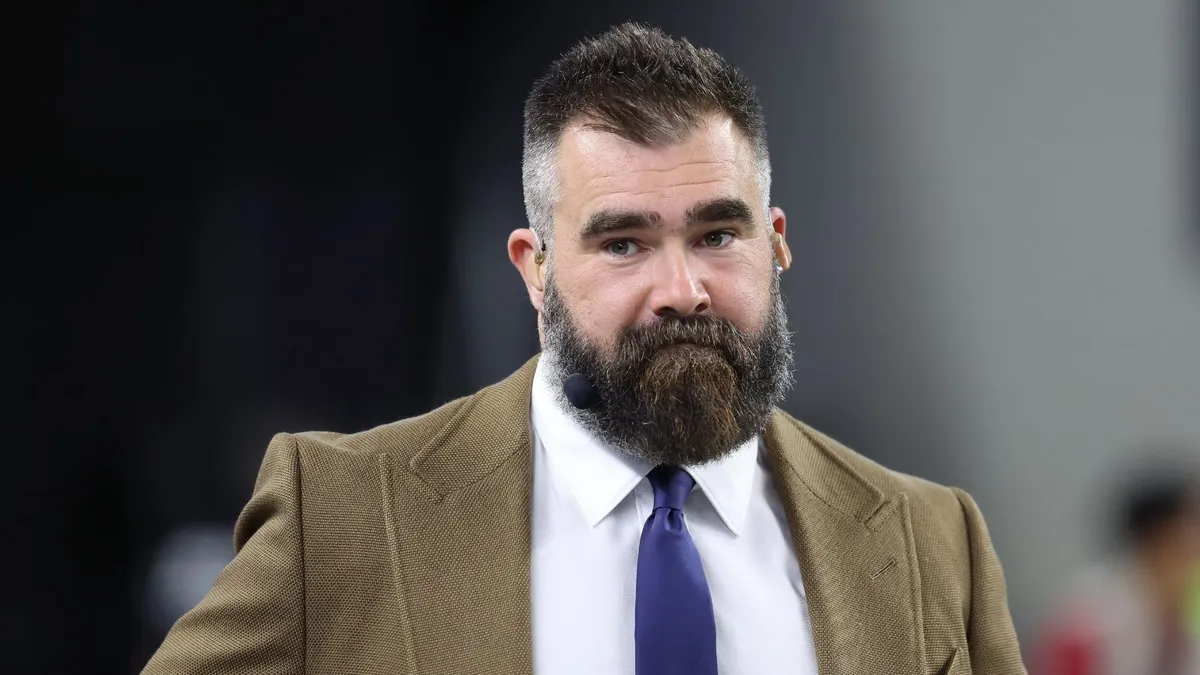
The individual in question reportedly played the center position for the Philadelphia Eagles, a team with a storied history and active engagement in community outreach. Among former players, several have contributed to charitable causes and nonprofits, with some publicly announcing donations of significant amounts. For example, Jason Kelce and Brent Celek have engaged in community service, but there is no verified record of either committing $300,000 to a specific fund recently. Having no official or credible confirmation raises doubts about the rumor’s authenticity. The football player’s current public statements or charitable activities available through trusted sources like the NFL Players Association also do not report such a pledge.

Financial and Ethical Considerations

If a high-profile athlete were to donate such a substantial sum publicly, it would likely be announced with transparency, involving press releases, media interviews, or official social media posts. This not only promotes transparency but also enhances the player’s reputation as a responsible and engaged member of the community. The absence of such confirmation suggests that the claim might be False. Furthermore, basing decisions or perceptions on unverified social media rumors jeopardizes trust and undermines responsible citizenship—especially when civic engagement and charitable donations play vital roles in societal well-being.

Conclusion: The Importance of Verifying Facts

In an era where misinformation spreads rapidly online, especially around celebrities and sports figures, it’s crucial to rely on verified information from reputable sources. Organizations like the NFL, verified news outlets, and accredited charities serve as reliable indicators of actual commitments and donations. Without corroboration, claims of a $300,000 donation by a former Philadelphia Eagles center are, at best, unsubstantiated rumors and, at worst, misleading misinformation. Upholding the truth is the backbone of democracy and responsible citizenship—empowering individuals to make informed decisions based on facts rather than speculation.

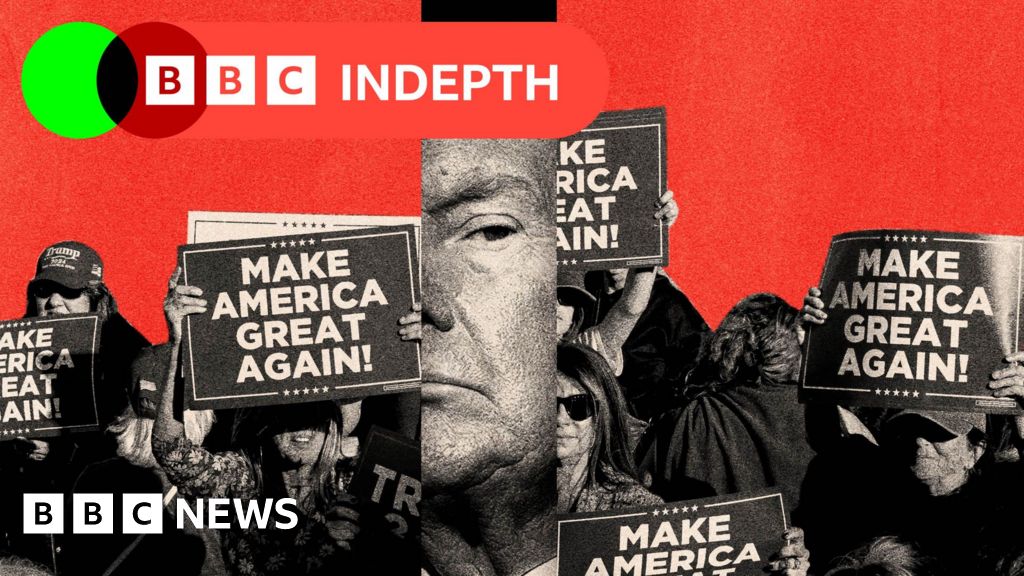
Inside the Maga Base: What the Divides Mean for Trump’s Next Move

America’s Political Crossroads: The Future of Trumpism and the 2024 Race

Nearly a year before the next presidential election, Donald Trump continues to dominate the Republican landscape, but cracks within his movement suggest that the party’s future is far from certain. At a pivotal moment, Trump’s recent statements and internal party dynamics reveal a shifting political terrain that will profoundly influence how nations and societies view America’s trajectory. As Trump hints that he may not run again—in fact, explicitly stating “it’s not going to be me”—the Republican Party faces an impending reckoning over its identity, core base, and the ideological direction it will take post-Trump. Influential voices like political analysts and history scholars warn that these internal divisions could reshape American politics for decades.

In recent months, the Republican Party has experienced a noticeable decline in support among minority and working-class voters, those who propelled Trump’s 2020 campaign into the White House. The latest data indicates a narrowing of the party’s electoral coalition, driven partly by internal disputes and a rising chorus of dissenters—from congressional figures like Marjorie Taylor Greene to business leaders like Elon Musk. This factionalism exposes the fissures in the MAGA movement—fired up in rallies, yet increasingly fractured in policy debates and party loyalty. This factionalism comes at a time when many international observers and domestic analysts argue that the Republican coalition has diverged sharply from its Reagan-era ideals, shifting toward economic nationalism, border security, and an America-first foreign-policy, as outlined by historian Laura K. Field. Such ideological changes not only redraw the American political map but also advance new challenges for allies, competitors, and international institutions grappling with Washington’s waning influence.

From Vance to Rubio: A team of rivals?

The intra-party jockeying is intensifying, with figures like JD Vance, Marco Rubio, and Robert F. Kennedy Jr. positioning themselves as potential heirs to the MAGA mantle. Despite moments of camaraderie, the upcoming contest appears more like a collage of competing visions—ranging from traditional conservatives advocating for a return to Reagan-esque values to populist, nationalist insurgents pushing for a more radical departure. Interestingly, many of Trump’s would-be successors, while echoing his rhetoric, are also suspecting that the political loyalty of the ‘new entrants’—those who joined MAGA more recently—is not guaranteed. Piloting through this turbulent landscape, Senator Rubio has shifted hard from his earlier support for liberal immigration policies, aligning increasingly with Trump’s hardline stance, but cracks in the coalition widen as some support for political violence and conspiracy theories emerge among the more radical factions.

The core question remains: Can the Republican establishment maintain its hold over a fracturing base that is more ideological than ever? The recent Manhattan Institute survey indicates that nearly one-third of current Republican supporters are “new entrants,” less supportive of Trump’s possible heirs. This group’s support drops further when considering issues like political violence, with over half seeing it as sometimes justified—an alarming indicator of how far the party’s social fabric has shifted. As the party struggles to contain these ideological currents, the next few years will see whether the GOP can forge a unified front or splinter into ideological and strategic factions, with the fate of the MAGA movement hanging in the balance.

The future of Trumpism

Despite the setbacks, Trump’s influence appears enduring. Even if he retreats from the political spotlight, the core of his movement has redefined what it means to be a Republican. As pointed out by political analyst Rodney Davis, the post-Trump GOP will be shaped by leaders who must decide whether to maintain the populist, nationalist policies that propelled Trump into power or to attempt a more traditional conservative stance. The party’s recent electoral defeats in states such as Virginia and New Jersey underscore how the coalition’s long-term viability remains uncertain, especially as Democrats make gains in special elections and local races. The underlying question that looms is whether Trump’s revolutionary approach has cemented a new ideological order—one rooted in cultural conflict, economic protectionism, and a disdain for international alliances—or if the GOP can adapt and evolve beyond the MAGA era.

As the timeline races toward the 2026 mid-term elections, the debate over who will succeed Trump has already begun, and the outcome will define the shape of American politics. The forces unleashed by his rise have shaken the old Republican order to its core, turning what was once a party of Reagan conservatism into a broad coalition of populist rebels, ideological purists, and pragmatic elites. Whether this new political architecture will stand the test of time remains an open question, but history is watching. In a nation where power has often shifted on a knife’s edge, the weight of the future presses down heavily on America’s shoulders—its choices, its alliances, its very identity—are still being written, and the next chapter is nowhere near being finished.

Drone attack on UN base in Sudan chaos kills six peacekeepers

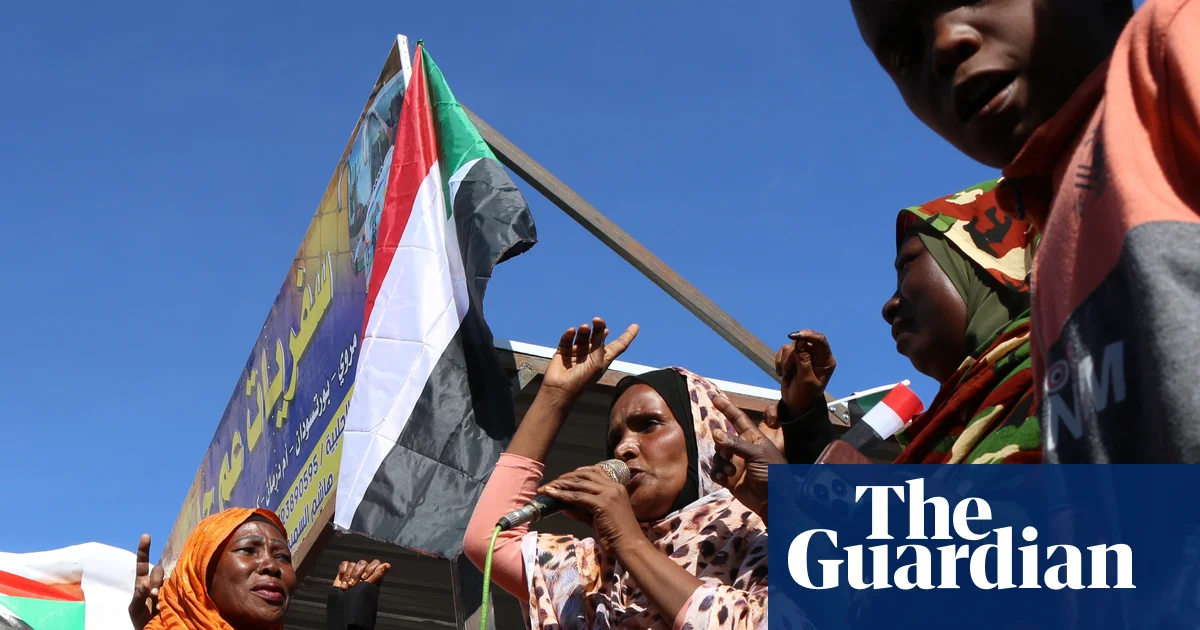
The recent drone strike on Sudan marks a perilous escalation in a country already embroiled in chaos and destruction. The attack targeted a United Nations peacekeeping facility in Kadugli, a strategic city in Kordofan, resulting in the tragic death of six Bangladeshi peacekeepers and the injury of eight others. As UN Secretary-General António Guterres condemned the assault as a war crime, the geopolitical implications reverberate far beyond Sudan’s borders, underscoring the fragility of international peace initiatives and the chaos unleashed when lawlessness gains the upper hand.

These troubling events highlight the complexity of the ongoing civil unrest that has torn Sudan apart since April 2023. The country’s internal conflict, centered between the military and the notorious Rapid Support Forces (RSF), exposes a power struggle that has cascaded into regional instability. The armed conflict has spilled over into Kordofan and Darfur, regions historically troubled by ethnic violence and resource disputes. For experts and analysts, this attack reflects a deliberate attempt by insurgents to destabilize international efforts and challenge the authority of global peacekeepers – a direct threat to the stability of not only Sudan but the wider Horn of Africa.

  • The Sudanese military blamed the RSF for orchestrating the strike, amid claims that rebel factions are increasingly employing asymmetric tactics to undermine peace efforts.
  • The region’s oil resources, especially in Abyei, remain a flashpoint, with the United Nations and regional powers deeply concerned about escalations that threaten to ignite a broader conflict.
  • International organizations, such as the United Nations, warn that these targeted attacks could constitute a breach of international law and war crimes, fueling fears of a descent into full-scale chaos.

The geopolitical impact of this violence is profound. The UN has called for an immediate ceasefire, emphasizing the necessity of an inclusive, Sudanese-led political process to resolve the crisis. Yet, with each escalation, the threat of regional destabilization looms larger. China and Russia have strategic interests in the region, while Western powers seek to contain the spillover of violence into neighboring countries—an enduring struggle that echoes Cold War rivalries. The recent sanctions imposed by UK on RSF commanders, linked to mass killings, illustrate the international community’s attempt to exert pressure, yet these measures may prove insufficient amidst ongoing hostilities.

Historians and analysts warn that the Sudanese tragedy is a pivotal moment in Africa’s emerging security landscape. Experts suggest that the continued resort to violence, particularly against peacekeepers and civilians, signifies a breakdown of state authority and the ascendancy of chaos—an ominous sign for the future of regional stability. As the world watches Sudan teeter on the brink of complete disintegration, the question remains: will international diplomacy succeed in bringing about peace, or will history record this as a turning point toward prolonged conflict?

In the shadow of this unfolding catastrophe, the weight of history presses heavily upon the present. The fate of Sudan, a land rich in history but battered by internal strife, hangs precariously in the balance—a testament to how fragile the veneer of peace can be when lawlessness is permitted to flourish. As global powers maneuver and civilians bear the brunt of these conflicts, the world must confront the harsh truth: the quest for stability is ongoing, and the next chapters remain unwritten. The echoes of higher ideals clash with the brutal realities of war, leaving history to decide whether this moment marks a new dawn for peace or the early shadows of a much darker era to come.

Social Media Auto Publish Powered By : XYZScripts.com