
Matox News

Truth Over Trends, always!

Dark Web Agent Finds Bedroom Clue, Rescues Girl from Years of Harm

In a harrowing case that underscores the alarming proliferation of online abuse, detectives around the world are racing against time to locate a 12-year-old believed to have been subjected to horrific content circulating across digital platforms. The child’s disappearance has sparked international concern, prompting law enforcement agencies and child protection organizations to collaborate on an unprecedented scale. What initially appeared as a routine investigation has unveiled a surprising lead, revealing how the digital realm continues to serve as a battleground for safeguarding vulnerable populations, especially minors.

The case has garnered attention far beyond local jurisdictions, highlighting the globally interconnected nature of modern crimes. Authorities in multiple nations have intensified efforts, leveraging technological intelligence and international cooperation mechanisms. The emergence of a promising lead came after detectives analyzed a series of digital footprints, which intriguingly pointed to a complex web of online exploitation that transcends borders. Experts from INTERPOL and Europol have emphasized the crucial role of cross-border intelligence-sharing in such cases, underscoring the urgent need for comprehensive digital safeguards. This case also underlines the importance of digital literacy and proactive measures in protecting children from predators lurking behind screens, which has become an increasingly pressing public-policy challenge.

Analysts and historians note that the current wave of online exploitation reflects broader societal and geopolitical shifts. The rise of encrypted communication channels, dark web markets, and anonymous social media platforms have enabled predators to operate with relative impunity. Moreover, the case reveals how regulatory gaps in various jurisdictions allow traffickers to exploit legal loopholes, which international institutions like the United Nations have criticized as an urgent issue requiring coordinated policy intervention. Such incidents emphasize a critical truth identified by security experts: as technology advances, so too must global responses to ensure the safety of future generations.

Elsewhere, political leaders have responded with decisive rhetoric, vowing to strengthen laws and increase surveillance to prevent similar tragedies. Yet, these efforts often clash with civil liberties concerns, raising complex questions about individual privacy versus collective safety. The case serves as a stark reminder to nations worldwide that the battle against online child exploitation isn’t just a local issue but a defining moral and geopolitical challenge of the digital age. With each new lead, the investigation narrows, but the shadows cast by digital predators continue to loom. As history unfolds, the world watches as brave agencies navigate these treacherous waters, knowing that the fight isn’t merely about catching authorities’ targets; it’s about safeguarding the future from the abyss that lies behind the glowing screens.
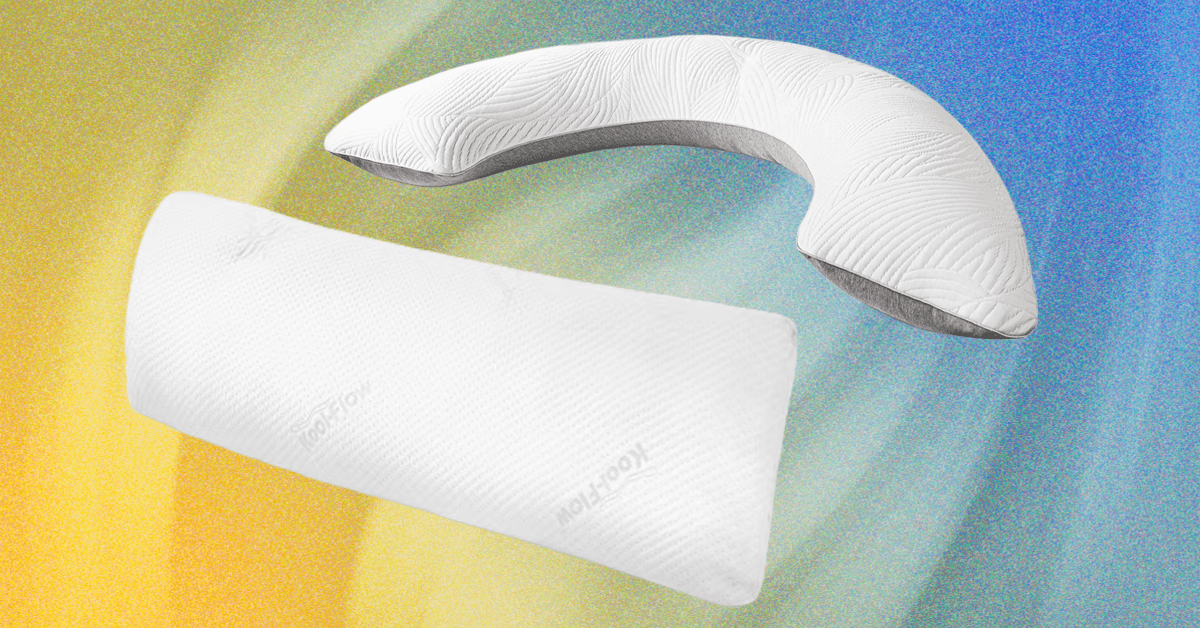
Top Body Pillows of 2025: The Ultimate Youth-Focused Review

Revolutionizing Rest: How Innovation Is Disrupting the Sleep Industry and Shaping Business Strategies

In an era defined by rapid technological advancement, innovative sleep solutions exemplify how disruptive technologies are reshaping consumer markets. Companies like Pillow Cube and Leacho are pioneering personalized, support-focused sleep products that challenge traditional pillow and mattress manufacturing. This shift underscores a broader industry trend where customer-centric design, driven by AI and material science, offers unparalleled support, comfort, and health benefits wired directly into mainstream sleep technology.

Notably, Pillow Cube has introduced a side-sleeper-specific pillow that emphasizes innovation in ergonomic support. Instead of generic, weighty memory foam mattresses, the company leverages breathable AeroPluff foam and modular design to address individual needs—a clear disruptor to the conventional one-size-fits-all approach entrenched in the industry. Similarly, Leacho offers the versatile Snoogle, a multi-shape, customizable pregnancy pillow that epitomizes consumer-driven innovation. Such products are not only redefining comfort but also heralding a new era where tailored support and temperature regulation become key competitive advantages.

The implications for business are profound: companies that leverage emerging technologies such as advanced foam composites, adaptable shapes, and breathable textiles are gaining a competitive edge. Industry giants like Gartner are already emphasizing the importance of “smart materials” and personalized health data in future product development, revealing a market trajectory favoring disruptive innovation over incremental improvements. These advancements signal a shift toward *industry realignment*, where traditional manufacturers risk obsolescence if they do not adopt flexible, support-oriented designs rooted in science and technology. Market disruption is accelerating as startups focus on user-specific solutions, challenging entrenched players to innovate or fade into irrelevance.

However, not all products will survive this wave of innovation. For example, conventional head pillows made largely from memory foam or traditional polyester fillings are increasingly seen as inadequate. As MIT researchers highlight, fill type—supportive, breathable, and adaptable—is crucial for consumer satisfaction, especially for sleep-optimizing devices. The market’s pivot toward materials that promote airflow, support, and temperature regulation underscores an urgent need for companies to innovate or face declining relevance. The era of one-dimensional sleep products is waning, replaced by a dynamic landscape demanding agility and technological integration to meet evolving consumer expectations.

Looking ahead, the industry faces a pivotal moment where **disruption is inevitable**. The integration of AI, IoT-enabled customizations, and advanced materials will catalyze new business models centered around personalized health and sleep optimization. Companies that harness these trends—like Pillow Cube and emerging startups—are positioned to redefine market standards. Industry leaders such as Elon Musk and Peter Thiel have long emphasized the importance of innovation as a foundation for future prosperity, and the sleep industry is no exception. The urgency for established players to pivot toward science-driven, user-focused fabrications is underscored by the rising market share of disruptive entrants.

As we look toward the future, the message is clear: **those who leverage innovation, disruption, and business agility now will define the next era of sleep technology**. The market is ripe for bold moves—unmatched customization, advanced materials, and integration with health data promise not only better sleep but also a competitive edge that could lead to industry dominance. The clock is ticking on traditional sleep solutions, and the window for meaningful transformation is closing fast. Forward-thinking companies must act swiftly—because the future belongs to the innovators willing to challenge industry norms and embrace a new frontier of support and comfort.

Social Media Auto Publish Powered By : XYZScripts.com



