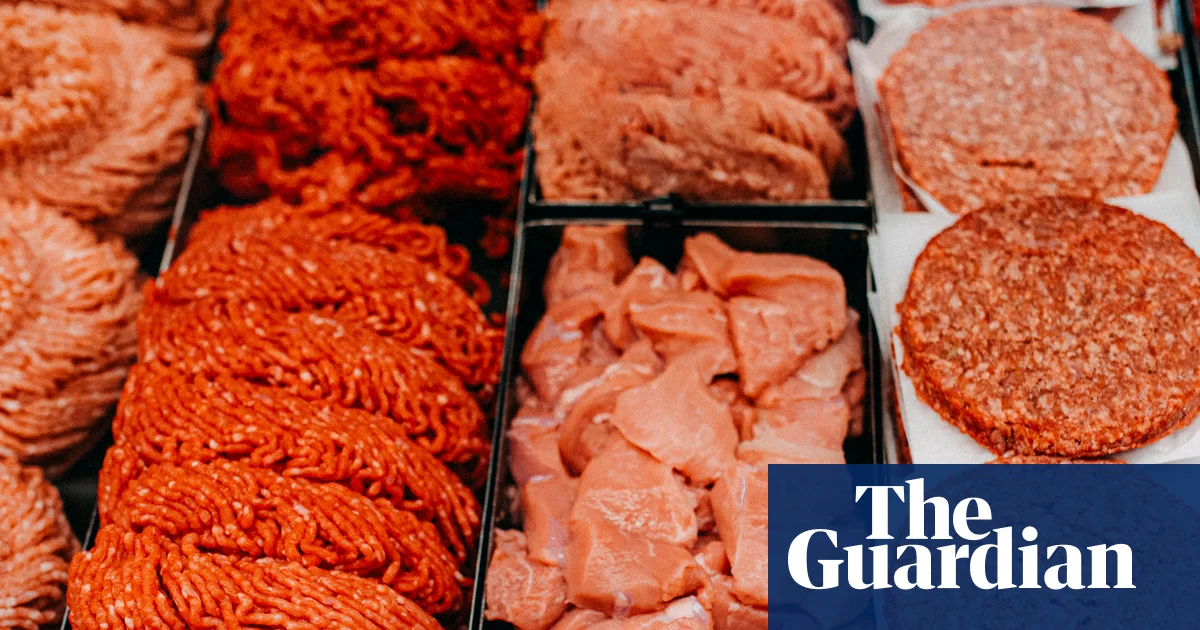

The recent flurry of political rhetoric surrounding the U.S. meat industry underscores a broader geopolitical tension that extends far beyond domestic economic concerns. Donald Trump has accused foreign-owned meat packers of artificially driving up beef prices in the United States, prompting a demand for a Department of Justice investigation into what he claims is illicit collusion and price fixing. This sharp stance, announced days after electoral setbacks for the Republican Party, reveals how intertwined economic security and political narratives have become in the current global climate. While Trump has not provided concrete evidence, his claims resonate with longstanding fears of foreign influence and monopolistic practices in vital sectors, exacerbating doubts over the integrity of global supply chains.
What makes this controversy particularly significant is its potential geopolitical impact. The beef industry, a critical component of both the American economy and its food security, is now entangled with international trade dynamics. Trump’s earlier proposal to surge Argentinian beef imports to curb high prices exemplifies a broader strategy of leveraging trade policy to address domestic economic challenges. Such tactics could risk international partnerships, especially with nations like Argentina and Brazil, which are major global exporters of beef but may face increased tariffs or trade restrictions. These punitive measures could send shockwaves through international markets, prompting retaliatory tariffs and escalating tensions within transnational trade agreements, thereby undermining the stability of the *U.S.-Latin America* regional relations.
The ongoing debate over food security and trade policy also holds profound implications for geopolitical alliances. Critics, including international trade analysts and historians, warn that actions perceived as protectionist could weaken free trade principles and foster a cycle of economic nationalism. In the context of a world increasingly polarized by ideological conflicts and supply chain vulnerabilities, the U.S. is walking a fine line between protecting domestic industries and exposing itself to diplomatic fallout. Furthermore, global institutions like the World Trade Organization could be pushed into contentious disputes that threaten to erode the rules-based international order. As nations scramble to fortify their economic resilience, the decisions made in Washington could either catalyze a new era of cooperation or ignite a contest over resources and markets—a contest that history warns favor the more strategic and united actors.
Ultimately, as world leaders navigate these turbulent waters, the legacy of this moment will be shaped by whether they prioritize unilateral measures over multilateral diplomacy. The unfolding story of the U.S. beef industry dispute mirrors larger struggles for sovereignty, economic independence, and cultural identity in an interconnected world. Historians and geopolitical analysts observe that decisions made today—whether to escalate tariffs, impose sanctions, or foster cooperation—will, in time, define the geopolitical landscape for generations. As the smoke of political posturing begins to clear, the silent weight of history presses relentlessly onward, reminding us that every economic move carries the potential to reshape the fabric of international relations, forging new alliances or deepening old wounds. The world watches with bated breath, aware that in this arena of high stakes, not only cattle but entire nations are pawns on a chessboard of global power struggles.