
UK Adjusts its Inflation Calculation in Light of Changing Consumer Trends
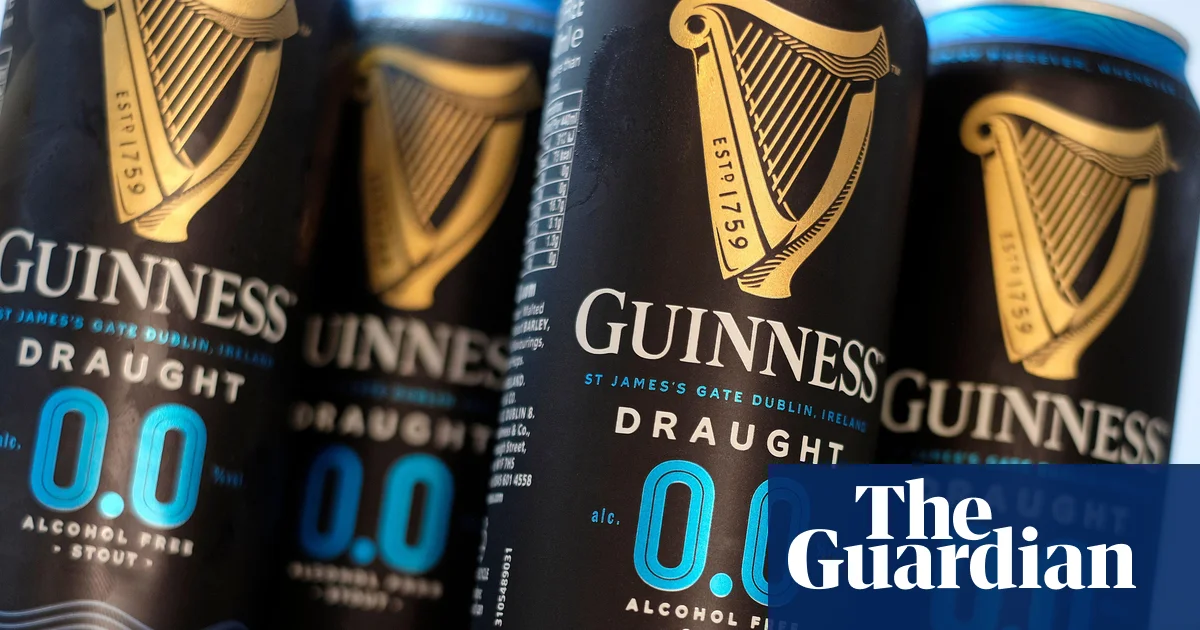
In a move that underscores the evolving landscape of consumer behavior and economic measurement, the Office for National Statistics (ONS) in the United Kingdom announced the inclusion of new items in its basket of goods used to calculate inflation metrics. Effective from the upcoming reporting period, alcohol-free beer, hummus, dashboard cameras, and pet grooming services will now be part of the index, reflecting recent shifts in lifestyle and purchasing patterns. This recalibration is not merely about numbers; it encapsulates a broader economic narrative resonating across the global financial landscape.
Historically, inflation calculations serve as economic barometers that influence monetary policy, societal costs, and political stability. The redefinition of the UK’s CPI, RPI, and CPIH—the latter being the government’s preferred measure—signals a recognition that consumer priorities are changing. As the ONS explained, the inclusion of alcohol-free beer was driven by a marked increase in sales and shelf space, illustrating a shift toward healthier lifestyles and moderation. Similarly, the rise in hummus consumption, estimated at around £170 million in expenditure for 2024, highlights the growing demand among health-conscious populations. These figures are not isolated; they influence inflation’s trajectory and, by extension, how economic stability is maintained—or threatened—in the face of rising costs.
Global Feedback: How Are Nations Responding?
The UK’s decision has resonated internationally, with analysts noting that evolving consumer habits—such as the preference for low- and no-alcohol products and healthy snacks—are comparable trends observed across various nations. The shift reflects a broader cultural transformation that impacts not just domestic markets but also international trade and supply chains. The International Monetary Fund (IMF) and World Bank have warned that these changing consumption patterns could dampen traditional inflation indicators, forcing central banks to re-evaluate their policies amid a more complex global economic backdrop.
Moreover, the expansion of data collection methods, including the integration of electronic feedback from retailers to replace labor-intensive in-store checks, exemplifies technological adaptation. The ONS plans to tap into over 300 million price points across more than a billion products each month, signaling a move toward more granular, real-time economic monitoring. Such innovations could potentially recalibrate global inflation measures, emphasizing the importance of accurate, dynamic data in a world where geopolitical events—like conflicts or oil price shocks—have immediate ripple effects.
Geopolitical Impact and Societal Consequences
This recalibration of the UK’s inflation calculations occurs against the backdrop of ongoing geopolitical tensions, with the Iran war and fluctuating oil prices threatening to push inflation upward again. As the Bank of England targets a 2% inflation rate, policymakers are acutely aware that how a nation measures its costs can influence economic resilience, social stability, and international credibility. The broader geopolitical impact extends beyond economic data; it affects everything from household budgets to national security, as countries navigate global supply chain disruptions and energy crises.
As economic analysts like Danni Hewson note, a rise in health-conscious expenditure, pet services, and security measures underscores a society adapting to uncertain times. The decisions of the UK—progressively accounting for these new metrics—set a precedent that could shape international standards, raising questions about how nations will define and confront inflation in an era of rapid cultural and technological change. The unfolding story is a testament to a world where every statistical adjustment, every policy shift, carries a weight far beyond the numbers, echoing into the fabric of societies and the legacy of history itself.