Matox News

Truth Over Trends, always!

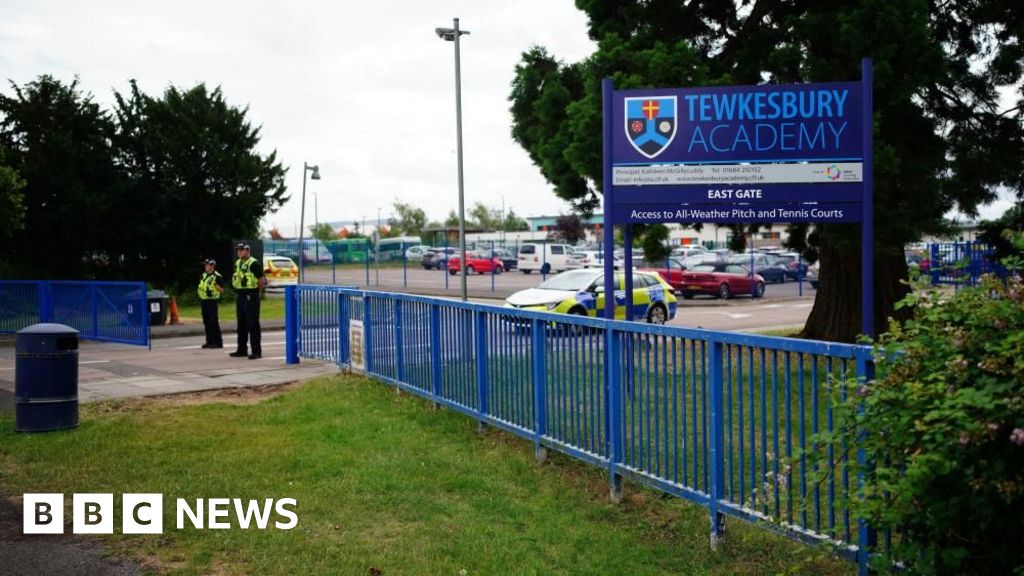
Tewkesbury Academy Teachers Strike Again Over Rising Behavior Issues Affecting Youth Development

In recent times, our educational institutions have become a microcosm of broader societal upheavals, revealing underlying tensions that threaten to destabilize the fabric of families, communities, and the future generations. As reports surface from schools across the country, it becomes evident that behavioral issues and disruptions are not isolated incidents but reflections of deeper social shifts. A striking example emerged recently when PE teacher Ian Brownhill, with over three decades of experience, expressed concern over the school’s declining discipline. Brownhill highlighted that the institution is “losing good kids” amidst rampant unruly behavior, including students going “on the rampage around site most lessons.”

This phenomenon underscores a wider societal malaise that impacts not just the educational environment but also the moral fabric of our younger generations. Sociologists such as Christopher Lasch have warned that the erosion of community values and the decline in social cohesion have a corrosive effect on youth, often manifesting as aggression and indiscipline within schools. Many experts argue that inadequate family stability, declining civic engagement, and the pervasive influence of social media contribute significantly to this decline, creating an atmosphere where respect for authority and discipline are increasingly subordinate to immediate gratification and peer validation. The social isolation and moral relativism that pervade contemporary society threaten to undermine the very core of educational discipline and community trust.

Moreover, the disruption resonates deeply with families who are trying to navigate the challenges of raising well-rounded individuals amid these chaotic influences. The disconnection between home and school environments creates a cycle where behavioral issues at school often mirror familial and societal dysfunctions. Without cohesive guidance and community support, schools become battlegrounds rather than places of learning. Historian Dr. David Hollinger emphasizes that today’s student unrest signals a need for resilient, value-driven societal structures — ones that reinforce shared responsibility among families, educators, and policy makers to restore order and moral purpose.

While these issues pose significant challenges, they also open a window for transformative change. Education authorities and communities must collaborate to foster environments that emphasize respect, accountability, and moral clarity. Solutions like increased engagement in civic education, mentoring programs, and community outreach can serve as anchors in turbulent waters. As we observe this ongoing societal saga, a question lingers: can we, as a collective, rekindle the moral compass that guides our youth and rebuild the bonds of trust and discipline critical to societal stability? The answer depends on our resilience and willingness to confront uncomfortable truths, recognizing that the future of our families and communities hinges on the moral and social groundwork we lay today. Society’s capacity to evolve, fostering hope amid adversity, remains the ultimate testament to our enduring commitment to a better tomorrow.

Hexham Hayden Bridge High Students Walk Out Over Bad Behavior

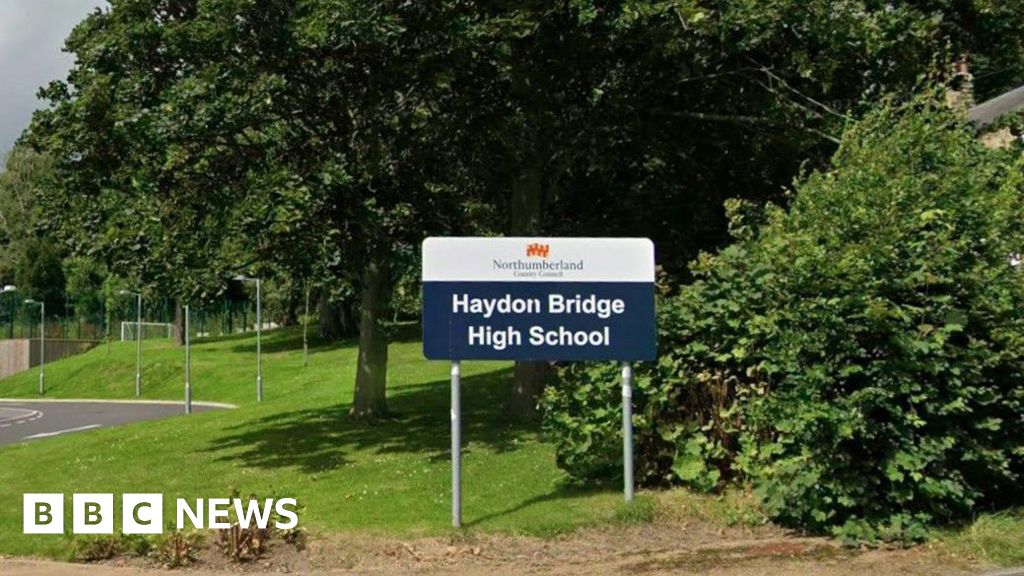
Strikes at Haydon Bridge High School Expose Broader Social Tensions in Education

In Northumberland, teachers and support staff at Haydon Bridge High School are preparing to walk out on two days—November 19 and 25—in a move driven by unresolved issues surrounding disruptive student behaviour and perceived management failures. This industrial action highlights a critical challenge facing many schools nationwide: how social issues directly impact families, education, and community stability. As union representatives from the National Education Union (NEU) and NASUWT rally behind their members, concerns over high suspension levels and an ongoing struggle to maintain safe, productive learning environments have come to the forefront. Headteacher David Nisbet emphasizes that “it is important that the education of the young people we serve is not disrupted by industrial action,” underscoring the delicate balance educators try to maintain amid rising tensions.

Yet, beneath these immediate disputes lies a deeper societal narrative—a demographic and cultural shift impacting school communities, family dynamics, and moral expectations. According to recent Ofsted reports, Haydon Bridge High School, like many institutions across the country, faces challenges stemming from a minority of pupils exhibiting persistent disruptive behaviour, which has led to “high levels of suspension.” The school’s leadership admits that resources are limited, and behavior management remains an ongoing struggle. Sociologists such as Peter Smith have observed that when students face social and economic hardships—factors often linked to broader issues like poverty and family instability—schools become battlegrounds where the societal fabric is stretched thin. The unions’ repeated calls for a “comprehensive behaviour management policy” reveal a demand not only for order inside classrooms but also for the social support systems that underpin community well-being.

This ongoing crisis underscores the real-world consequences for families and communities. Disruptions in education ripple outward, affecting parental engagement, community cohesion, and the future prospects of young people. When schools are forced to suspend students frequently or struggle with safety, it diminishes the confidence families have in their local institutions. Moreover, the challenge emphasizes the importance of fostering an environment where moral and ethical standards are reinforced, and every child is supported in overcoming personal adversities. As historian Dr. James Miller points out, society’s moral health is reflected in how well schools can serve as safe havens for development, especially amid a landscape increasingly marred by social tensions.

  • Union representatives have repeatedly raised alarms about pupil behaviour and its impact on safety, teaching quality, and overall school climate.
  • The school has made recent strides in improving teaching and attendance but continues to grapple with behavioral issues.
  • Government and local authorities are involved, aiming to find solutions before the situation deteriorates further.

As the debate continues, the broader societal narrative remains clear: the stability of our educational institutions reflects the strength of our communities and their moral fiber. The ongoing tensions at Haydon Bridge serve as a microcosm of a society at a crossroads—whether it will resolve its social divides through investment, moral leadership, and community engagement, or succumb to a cycle of disillusionment and disorder. As society stands at this juncture, hope persists in the conviction that through collective effort and moral clarity, the fabric of community life can be mended—restoring a sense of purpose, safety, and hope for future generations. In this delicate dance, the challenge is not only in managing behaviour but in nurturing the moral backbone necessary for society’s resilience and renewal.

Social Media Auto Publish Powered By : XYZScripts.com


