
Matox News

Truth Over Trends, always!

Beirut Evacuees Forced to Sleep in Tents and Cars Amid Crisis

The ongoing confrontation in the Middle East has once again exposed the fragile geopolitical stability of the region, with Lebanon and Israel at its heart. Recently, residents in the southern Beirut suburb of Dahieh, a known Hezbollah stronghold, have been forced to abandon their homes following escalated air strikes by Israel. Reports from BBC Arabic’s Carine Torbey depict a scene of chaos, with displaced civilians taking refuge in makeshift shelters—tents and cars—highlighting the human toll of this conflict. This latest wave of violence underlines how regional tensions threaten to spiral into a broader conflict with devastating consequences for the Lebanese society and beyond.

The escalation in Lebanon represents a pivotal point amid ongoing regional instability. Hezbollah, backed by Iran and considered a formidable militant organization, maintains an influential presence in Lebanon’s political landscape. Its involvement has long complicated efforts toward peace and stability in the Levant, often drawing Israel into dangerous confrontations. Historically, analysts like Middle East expert Dr. Jonathan Spyer warn that any military escalation risks transforming into a wider regional conflict, especially given the fragile balance of power among global actors. The recent strikes, reportedly targeting missile caches and militant infrastructure, exemplify Israel’s strategic aim to weaken Hezbollah’s operational capabilities—yet, this approach risks igniting a larger, unpredictable conflagration.

International institutions and governments are watching with grave concern. The United Nations has issued cautious statements, urging restraint but offering little to prevent the mounting violence. Meanwhile, regional powers such as Iran and Saudi Arabia navigate their own interests—balancing support for allies with the urgent need to prevent full-scale war. The escalation in Dahieh not only reflects localized tensions but also signals the potential for broader upheaval across the Levant, where history repeatedly reminds us that conflicts here have long-reaching repercussions. European and American policymakers are urged by security analysts to prepare for the possibility that these clashes could destabilize markets, refugee flows, and diplomatic efforts for years to come.

As the dawn breaks over Beirut, the human cost continues to mount, while geopolitical chess moves unfold behind the scenes. History has repeatedly shown that moments of unchecked conflict can spiral into unstoppable forces, reshaping nations and defining eras. The fate of Lebanon and the broader Middle East now hangs in the balance—an unfolding narrative of resistance, resilience, and the relentless pursuit of peace amid chaos. The weight of history presses down, reminding the world that the decisions made today will echo through generations, shaping the course of history in ways yet to be revealed. The sands of the Levant run deep with the blood of those caught in its storm, and as events unfold, it becomes painfully clear: the world watches, waiting for what may come next in this ongoing saga of conflict and hope.
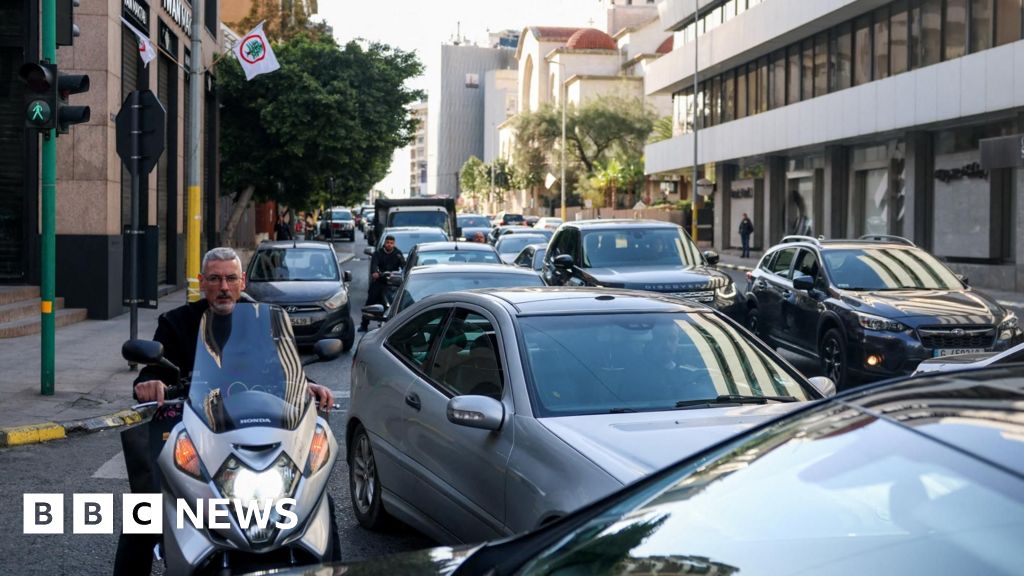
Israel hits Beirut as evacuation alarm sparks chaos

In a stark display of increasing regional instability, Lebanon is experiencing unprecedented chaos as massive traffic jams snake through the streets of key cities, a direct consequence of the urgent evacuation orders issued by authorities. The government’s plea for civilians to evacuate the Hezbollah stronghold signals a significant escalation in the ongoing conflict, which has seen Israel intensify its military operations across Lebanon. These developments have not only heightened tensions within Lebanon but have also sent ripples through the geopolitical landscape of the Middle East, risking a broader regional confrontation.

Israeli forces have launched a series of targeted strikes designed to weaken Hezbollah’s military capabilities, which are believed to be fortified inside the Lebanon. Analysts suggest these actions are a critical phase in what many call a long-brewing effort by Israel to dismantle what it perceives as an existential threat from the Shiite militant group. The escalation has drawn international attention, with United Nations representatives calling for restraint and urging all parties to avoid further civilian casualties. Yet, the situation remains volatile, with the possibility of widening conflict serving as a grim warning to global powers.

Historians and geopolitical analysts warn that this surge of violence could have far-reaching consequences. According to international security experts, the decision to escalate military action marks a pivotal moment that may redefine the balance of power within Lebanon and the broader Middle East. The United States and European Union are closely monitoring the situation, balancing their condemnation of violence with diplomatic efforts aimed at de-escalation. However, some regional analysts argue that such measures are insufficient, emphasizing that history shows how minor conflicts often spiral into full-scale regional wars with devastating impacts for generations.

The geopolitical impact of this ongoing conflict extends well beyond the borders of Lebanon. As international organizations grapple with the fallout, neighboring countries are ramping up military preparedness, and global markets tremble at the prospect of wider destabilization. Many schools of thought, from conservative strategists to cautious diplomats, warn that this current trajectory could ignite a new chapter of hostility and harsh divisions that threaten to engulf the entire Middle East in chaos. The unfolding events challenge traditional paradigms of peace and security, demanding urgent and coordinated international responses that may ultimately alter the fabric of regional alliances and global diplomacy.

As the dust settles on this tumultuous chapter, history bears witness to the profound impact of every decision made in moments of crisis. The world now watches with bated breath, understanding that this is not merely a regional skirmish but a turning point that could very well shape the course of history for decades to come. One thing remains clear: in a world where geopolitical shifts happen in the blink of an eye, the true cost of conflict is measured not just in territory, but in the fragile hopes of a future undisturbed by the shadows of war.

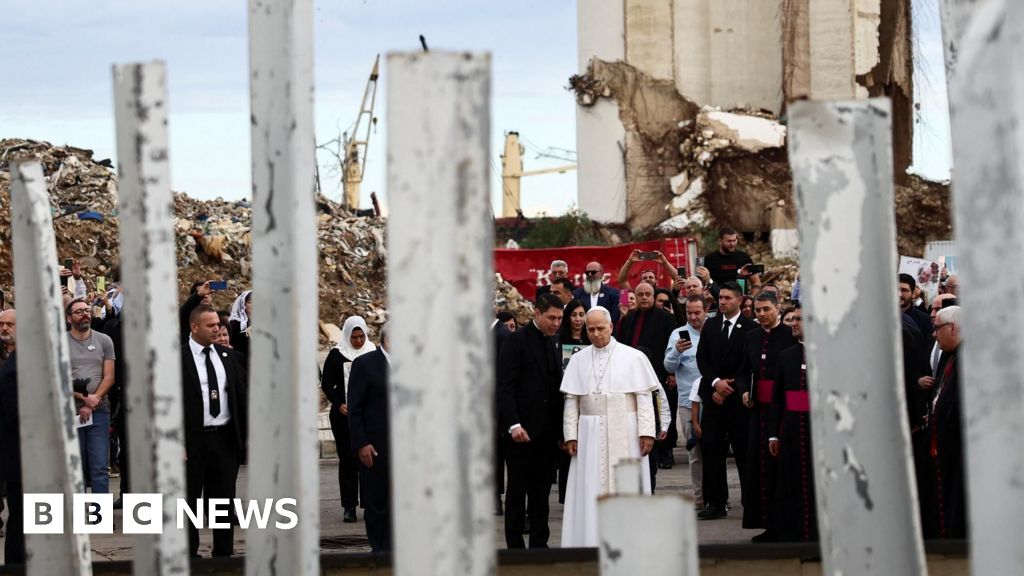
Pope Prays for Lebanon at Beirut Port Blast Site on Final Day of Visit

In a poignant act of remembrance and call for justice, Pope Leo XIV concluded his recent visit to Lebanon with a silent prayer at the site of the devastating Beirut port explosion. This tragedy, which struck in August 2020, claimed 218 lives and left an indelible scar on the city’s fabric. The Pope’s failure to condemn the gross negligence involved in storing nearly 2,750 tonnes of ammonium nitrate without proper safety measures highlights the worldwide concern over accountability and governance in fragile states. Derided by critics as symptomatic of endemic corruption, this disaster exemplifies how failed leadership can escalate into humanitarian crises that ripple across borders, affecting regional stability and international perceptions of Lebanon.

The ongoing struggle for justice reflects a broader crisis of governance that continues to undermine Lebanese sovereignty and social cohesion. Victims’ families, such as Cecile Roukoz and Tatiana Hasrouty, are voicing frustrations that their pleas have fallen on deaf ears, hindered by a political elite more intent on self-preservation than addressing structural failures. Analysts from the International Crisis Group warn that such impunity not only erodes public trust but also emboldens regional actors with vested interests in Lebanon’s instability—an issue impacting neighboring countries and international peace efforts. The failure to prosecute those responsible redefines the crisis as one of moral decline and lost opportunity for reform, which risks devolving into an enduring cycle of chaos and despair.

Meanwhile, Lebanon remains under the shadow of division and conflict. Since the last papal visit in 2012, the nation has been battered by compounded crises including an unprecedented economic depression that plunged millions into poverty, widespread protests, and the aftermath of a lengthy war involving Hezbollah and Israel. A fragile ceasefire now holds, but persistent Israeli strikes targeting alleged Hezbollah rearmament threaten to unravel these diplomatic gains. How the Lebanese political system navigates these unresolved issues will decisively shape their future, and perhaps, their very survival. The international community is calling for structural reforms and renewed efforts at reconciliation, but their requests are often dismissed or delayed, fueling skepticism about real change.

This turmoil is not isolated; it embodies a broader geopolitical contest, with Iran backing Hezbollah and Israel defending its borders, all within a region where external powers jockey for influence. As security analysts warn of a potential escalation, the stability of Lebanon becomes a litmus test for regional peace, with the global implications of unchecked conflict growing starkly evident. The echoes of history are loud, and the delicate balance of power teeters on the brink—each decision made by leaders has profound consequences for the daily lives of Lebanese citizens and the wider Middle Eastern landscape. Today, as Lebanese households grapple with economic hardship and uncertainty, the weight of geopolitics looms heavy, reminding the world that the pages of history continue to turn—sometimes silently, sometimes with the ominous roar of war.

Social Media Auto Publish Powered By : XYZScripts.com



