Matox News

Truth Over Trends, always!

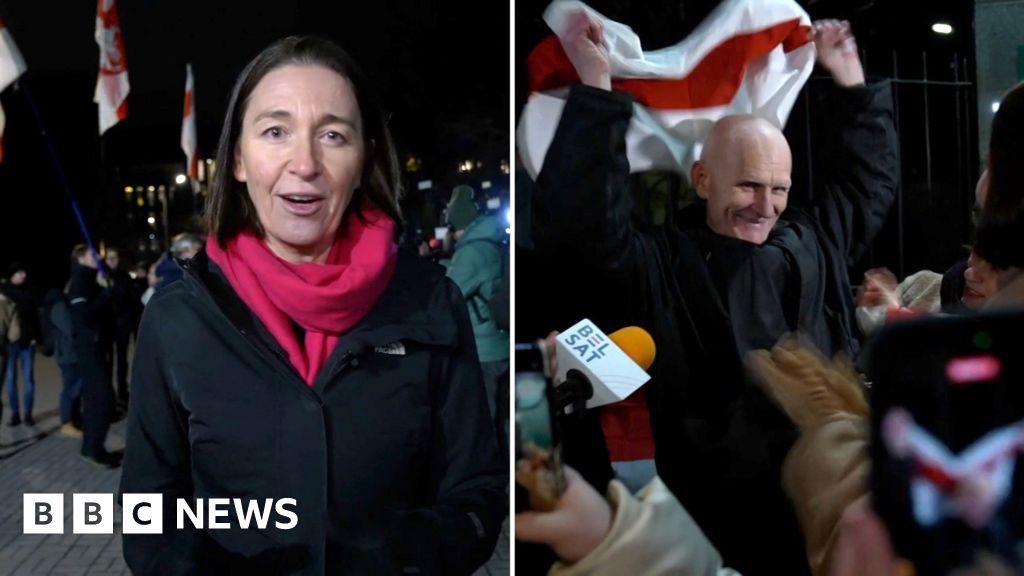
BBC reports Belarus releasing political prisoners amid celebrations

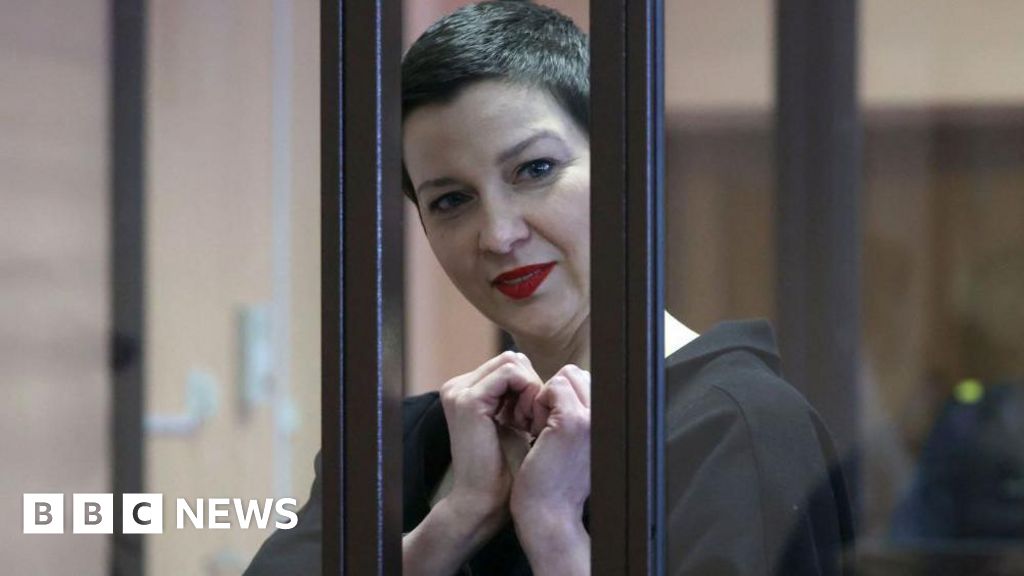
In a striking development that signals a potential recalibration of Belarusian politics and international relations, the authoritarian regime in Belarus has released 123 prisoners following an abrupt change in U.S. foreign policy. Central to this move are figures like Maria Kolesnikova, a recognized opposition activist, and Ales Bialiatski, the Nobel Peace Prize laureate whose imprisonment had drawn widespread international condemnation. This decision marks a significant turning point in the ongoing conflict between the West and Lukashenko’s government, emphasizing how economic sanctions and diplomatic pressure influence political trajectories.

The U.S. government’s decision to lift sanctions appears to be a strategic maneuver designed to foster dialogue and stability within the region, yet it also signals a shift in Washington’s approach toward Belarus. Analysts from the International Crisis Group suggest this move could open the door for greater engagement, but it also raises suspicions about whether Minsk’s leadership might exploit this gesture to consolidate power. From the perspective of Russia, which continues to wield indirect influence over Minsk, this development could serve as a means to tighten its own grip in Eastern Europe, especially as geopolitical tensions remain heightened over Ukraine and NATO’s eastern flank.

Correspondents such as Sarah Rainsford from the BBC report from Lithuania, where some of the released prisoners have been taken, indicating the broader regional implications. Lithuania, along with the Baltic states, has long viewed Belarus as a security concern, particularly due to Lukashenko’s cozy ties with Moscow. The prisoner releases underscore the fragile negotiations taking shape, but they also threaten to destabilize the existing equilibrium, prompting concerns that the international community’s efforts to promote democracy and human rights in Belarus could be compromised by diplomatic realpolitik.

Historically, Belarus has been a key piece in the geopolitical chess game between Russia and the West. As noted by geopolitical analysts, previous attempts to influence Minsk were often met with skepticism, given the regime’s resilience and strategic alliances. While the recent prisoner release might seem like a reciprocal gesture, it remains to be seen whether this is a fleeting diplomatic gesture or a genuine step toward reform. Many international experts warn that without substantive reforms, the underlying issues of authoritarianism and regional instability will remain unresolved, leaving history poised at a dangerous crossroads.

As Belarus treads this delicate path toward potential détente, the weighing of its decisions extends far beyond its borders. The decisions made today—whether they lead to genuine change or temporary appeasement—will ripple across the Eastern European landscape. The unfolding story remains a testament to how history’s pendulum swings, driven by the relentless forces of geopolitics and the enduring quest for power, sovereignty, and stability. In the shadow of the U.S.-Belarus deal, each step forward carries the weight of a continent watching, waiting—an epoch’s destiny hanging in the balance, as the future of collective freedom and authoritarian endurance continues to be written in the margins of history.
Belarus Releases 123 Prisoners Following US Sanctions Rollback

In a significant development that signals a potential shift in geopolitical dynamics, Belarus has released 123 prisoners, including prominent opposition figures such as Maria Kolesnikova and Nobel Peace Prize laureate Ales Bialiatski. This move follows an agreement with the United States to lift key economic sanctions, notably those targeting Belarus’s vital potash exports, which are crucial to the country’s economy and global fertilizer markets. The diplomatic negotiations, held in Minsk with US special envoy John Coale, mark an unusual departure from the longstanding Western policy of isolation and sanctions towards Minsk, and suggest a recalibration of international relations amid evolving regional priorities.

Historically, Belarus, under Alexander Lukashenko, has faced persistent international criticism, especially from the European Union, which does not recognize his presidency following contested elections in 2020 that sparked mass protests. Yet, the recent prisoner releases and the easing of sanctions reveal a strategic pivot by Lukashenko to re-establish economic ties and secure external support, despite internal repression and ongoing political repression. Analysts suggest that these moves serve to bolster the regime’s legitimacy and prepare Belarus for a more negotiated future, while Lukashenko’s government attempts to reframe itself as a pragmatic player in regional security, particularly amidst Russia’s expanding influence.

The geopolitical impact of this shift extends well beyond Minsk, especially in the context of the ongoing conflict in Ukraine. The US and its allies have long sought to isolate Minsk due to its close ties with Russia; however, recent developments involving Minsk’s negotiations with Washington and the potential offering of assistance in Ukrainian peace talks signal a more complex dynamic. The US has indicated that further sanctions relief could follow, a move that is likely to generate tension with European partners committed to maintaining pressure on Minsk for its role in Moscow’s regional ambitions. Notably, the cooperation with Lukashenko also comes at a time when Western powers are recalibrating their strategies, balancing sanctions with diplomatic engagement in pursuit of broader stability and peace.

The historical scrutiny from international bodies and geopolitical strategists underscores the significance of these recent developments. Historian and international analysts have debated whether this signals a genuine change in Belarus’s foreign policy or a tactical maneuver by Lukashenko to withstand pressure from domestic opposition and regional threats. Meanwhile, the United Nations and European Union are watching closely, aware that decisions made now will shape the trajectory of Eastern Europe’s stability for years to come. As the international community grapples with these shifts, one thing remains clear: the future of Belarus, Russia, and Ukraine’s borders is a chapter still being written, with each move adding new layers to a complex geopolitical puzzle. The unfolding story reminds us that history’s pen is never truly still, and that tomorrow’s outcome rests on today’s pivotal decisions—decisions that will echo across continents for generations.

Lithuania shuts border with Belarus after balloon chaos halts Vilnius airport — Europe reacts

Europe’s Turbulence: Lithuania’s Bold Response to Hybrid Threats

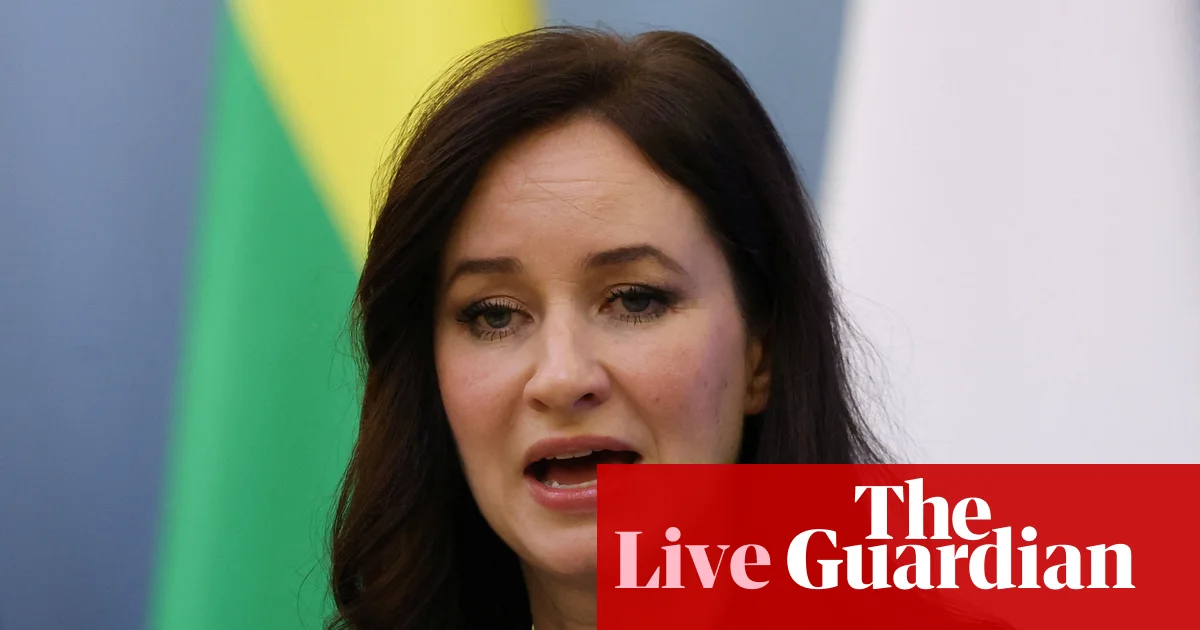
Amid rising geopolitical tensions in Eastern Europe, Lithuania has taken a formidable stance against what it perceives as concerted hybrid warfare efforts from Belarus and Russia. This strategic shift comes in the wake of a week marked by unprecedented disruptions at Vilnius Airport, where nearly 30,000 passengers faced cancellations and delays—triggered by what authorities believe to be helium balloons used by smugglers and intelligence operations aiming to destabilize the region. Lithuanian Prime Minister Inga Ruginienė announced a decisive plan to close the border with Belarus, save for diplomatic and EU transit, and to shoot down any further balloons intruding on Lithuanian airspace—a move that underscores a broader escalation in Europe’s response to hybrid threats.

This development signals a significant turning point for NATO and EU security paradigms. Lithuania’s government, echoing concerns raised by national security centers, views the balloon incidents not merely as smuggling but as part of a “hybrid psychological operation”, aimed at testing Lithuania’s resilience and military readiness. Vilmantas Vitkauskas, head of the National Crisis Management Center, reported radar detections of up to 66 objects over a single night—clear indicators that these tactics are states’ attempts at psychological warfare. International analysts have warned that such unconventional methods, while seemingly minor, are indicative of a broader strategy by Russia and Belarus to weaken NATO’s eastern flank, creating instability that could embolden further aggressive actions in the region.

In this context, NATO has only invoked Article 4 of its treaty nine times in history—most recently following Russian violations of airspace in Poland and Estonia—and Lithuania’s move to escalate its security measures could very well be the next chapter in this ongoing saga. Lithuanian officials are actively considering diplomatic and legal actions alongside territorial defenses, warning that the hybrid operations seek to sow chaos and test NATO’s collective resolve. As foreign ministers and military leaders convene in Brussels and other capitals, the weight of history presses heavily on Europe’s shoulders. Analysts from the International Crisis Group and various military strategists highlight that decisions taken in the coming days will inevitably influence the broader security architecture, potentially recalibrating NATO’s response to covert and overt aggression from Russia and its allies.

As Lithuania braces for further provocations, the unfolding scenario leaves the continent at a crossroads—where diplomacy, military readiness, and the unity of democratic nations will be tested more severely than ever. The shadows cast by these balloons may seem insubstantial, yet they pierce the fabric of European stability—reminding all that the cost of complacency can be distinctively steep. In the face of evolving hybrid tactics, the region’s next steps will echo through the annals of history, setting a precedent for how the West confronts a new era of subtle but relentless aggression.

Social Media Auto Publish Powered By : XYZScripts.com



