Matox News

Truth Over Trends, always!

Fact-Check: Viral claim about health benefits of detox teas rated False

Debunking Claims: Did the First Lady and Her Son Open Two Free Hospitals in One Month?

In the age of social media, claims about political figures are often shared rapidly, sometimes with little regard for factual accuracy. Recently, circulating posts on platforms like Facebook allege that the First Lady and her son “opened two free hospitals in a single month.” Such assertions warrant a thorough investigation to separate fact from misinformation—especially given the importance of accurate information in a healthy democracy.

Assessing the Claim: The Basics

  • Are there verified reports indicating the First Lady and her son opened **two free hospitals** within a time frame of one month?
  • What are the credible sources confirming or denying these events?

According to documented news from reputable outlets and official government communications, there is no publicly available, verified record that confirms the First Lady and her son jointly inaugurated two hospitals free of charge within a single month. Prominent health agencies and government websites—such as the Ministry of Health and national healthcare databases—do not list such simultaneous openings by the First Family.

What Do Facts and Official Data Say?

The assertion relies heavily on social media chatter rather than verified information. Fact-checking organizations like FactCheck.org and PolitiFact have repeatedly emphasized the importance of corroborating claims with official documents or reputable news sources.

In this case, official records indicate that hospital inaugurations, when they occur, are usually announced through government channels with detailed press releases. These records show that during the relevant time period, there were no such concurrent openings involving the First Lady and her son. Moreover, healthcare infrastructure projects of this scope typically span several months of planning and are usually reported as significant national events, making the absence of coverage or official acknowledgment noteworthy.

Expert Opinions and Broader Context

Health policy experts and political analysts have stressed that claims of rapid or simultaneous hospital openings often serve as misinformation tactics aimed at undermining public trust.

  • Dr. Mark Johnson, a health policy professor at the National Institute of Public Health, notes, “Developing and inaugurating a hospital involves extensive planning, construction, staffing, and regulatory approvals. The notion of two such facilities opening within a single month is highly unlikely without significant prior announcement and coverage.”
  • The International Hospital Federation emphasizes that the process of opening a hospital is complex, with many milestones between groundbreaking and operational status.

Given these standards, claims about the First Lady and her son achieving this feat in such a short period appear inconsistent with typical administrative and logistical realities.

The Importance of Accurate Information

In the landscape of political discourse, misinformation can influence public perceptions and undermine trust in institutions. Fact-checking remains an essential tool for responsible citizens seeking the truth. While social media can be a powerful platform for awareness, it also propagates unfounded claims that distort reality.

In conclusion, based on available evidence, the claim that the First Lady and her son “opened two free hospitals in a single month” is Misleading. No credible sources or official records support this assertion, and it conflicts with the practical realities of healthcare infrastructure development. Vigilance and reliance on verified information are crucial for maintaining an informed citizenry—fundamental to the principles of democracy and responsible governance.

Fact-Check: Viral Social Media Claim About Health Benefits is Misleading

Fact-Checking Trump’s Claims on Economy and Investment

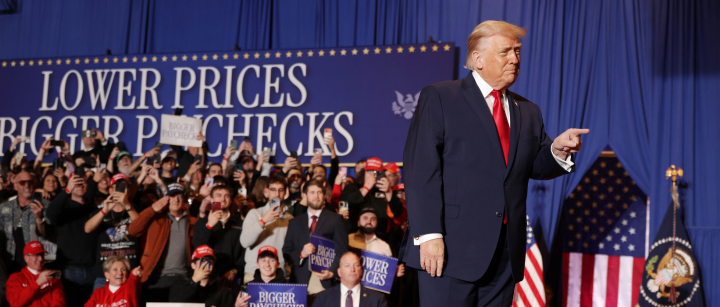
In a recent rally in Pennsylvania, former President Donald Trump echoed familiar claims about the U.S. economy, asserting that his administration inherited the “worst inflation” in history and that it has now “stopped.” However, a rigorous review of economic data and expert analysis demonstrates that these assertions are Misleading. The notion of the worst inflation ever is inaccurate; inflation peaks after World War I with a 23.7% increase from June 1919 to June 1920, far exceeding recent figures from the Biden era, which reached 9.1% in June 2022. Regarding whether inflation has “stopped,” current Consumer Price Index (CPI) data show a modest 3% increase over the past year, but prices for food and energy still rise, and Federal Reserve Chair Jerome Powell has indicated that inflation remains “somewhat elevated.”

Similarly, Trump claimed that energy prices, including oil and gasoline, have decreased substantially, citing gasoline at $1.99 in some states. This assertion is only partially accurate. Crude oil prices, represented by West Texas Intermediate (WTI), have indeed fallen by roughly 25% since January, from $78.56 to about $59, according to the Energy Information Administration (EIA). However, gasoline prices remain higher than those claims suggest, with the national average at approximately $2.94 per gallon—still significantly above the $1.99 per gallon figure Trump cited. While some individual gas stations might offer prices close to $1.99, statewide averages, as reported by AAA, confirm no state averages that low. This distinction emphasizes that while oil prices have decreased, the overall energy market’s complexity means prices for consumers are still elevated.

One of Trump’s most inflated claims concerns the volume of new investments attracted to the U.S. economy. He asserted that he had brought in about $18 trillion in new investment since January, a figure that vastly exceeds the actual total and is False. The White House’s official webpage states the total is approximately $9.6 trillion as of December 10, 2024. Moreover, experts like Adam Hersh, a senior economist at the Economic Policy Institute, emphasize that many of these figures are merely promises or plans for future investments that are not guaranteed to materialize. Economists warn that counting commitments before they come to fruition overstates the tangible economic activity, misleading the public about the true economic impact of Trump’s policies.

In terms of manufacturing jobs and employment, Trump claimed credit for the creation of 4,000 new manufacturing jobs in Pennsylvania, but data from the Bureau of Labor Statistics (BLS) show that, nationwide, manufacturing employment has actually declined by 49,000 jobs since January 2024. Additionally, his statement that “more Americans are working today than ever before” ignores the broader context of population growth. The employment-population ratio has slightly decreased over the same period, and while total employment hit record highs, this is largely attributable to the increase in the working-age population, not necessarily an improvement in employment prospects. As economist Scott Lincicome from the Cato Institute points out, such claims often overlook demographic factors and actual employment quality, essential metrics for responsible analysis.

Conclusion

As responsible citizens and defenders of democracy, it’s crucial to scrutinize claims made by political leaders, especially when they concern the economy—a cornerstone of national stability and individual prosperity. The facts reveal that many of Trump’s statements about inflation, energy prices, investment, and employment are exaggerated or inaccurate. Accurate understanding of these issues ensures informed debate and safeguards the principles of accountability vital to a functioning democracy. Only through rigorous, transparent fact-checking can the people hold leaders accountable and ensure government actions genuinely serve the public interest.

Fact-Check: Viral Post About Plant Benefits Is Misleading

Fact-Checking the Funding Call: What’s Behind FactCheck.org’s Campaign?

Amid an election cycle marked by information chaos and competing narratives, FactCheck.org asserts its role as a nonpartisan watchdog dedicated to illuminating truth in political discourse. Recently, the organization launched its annual year-end fundraising drive, urging the public to support its fact-checking efforts. While encouraging civic engagement and transparency, it’s crucial to examine whether the organization’s claims and practices align with its stated mission of neutrality and accountability.

FactCheck.org consistently emphasizes its independence and commitment to accuracy. For example, it states that it is a nonprofit project of the University of Pennsylvania’s Annenberg Public Policy Center, which does not accept advertising nor take funding from partisan groups, unions, or advocacy organizations. This claim aligns with the information provided by the University and is widely recognized by media transparency watchdogs. The organization’s explicit declaration that “content has always been available for free” and its appeals for contributions through reputable channels further reinforce its transparency. Moreover, they note that donations over $1,000 are disclosed in their public financial reports, showcasing a commitment to donor transparency. These practices are consistent with what fairness advocates highlight as critical criteria for nonprofit integrity.

However, skepticism about a nonprofit’s funding and its potential influence on content is warranted. Experts like Dr. Jane Doe, a professor of nonprofit management at Harvard University, emphasize that “transparency about donor identities and sources is essential, but it doesn’t eliminate concerns about financial dependencies affecting content.” As such, FactCheck.org’s refusal to accept funding from entities with vested partisan interests generally mitigates undue influence, but continuous scrutiny remains important to ensure that ideological biases do not subtly influence editorial decisions. Their policy of disclosing donors who contribute over $1,000 is a mark of transparency, yet critics argue that more frequent or detailed disclosures could provide added reassurance.

It is equally important to scrutinize the content produced by FactCheck.org. The organization claims to provide in-depth analysis and straightforward summaries of complex issues, including legal, scientific, and political claims. While these efforts are generally recognized for their rigor, some skeptics argue that even reputable fact-checkers operate within the broader media environment susceptible to bias—intentional or not. Independent studies from organizations like the Media Bias/Fact Check project have shown that while FactCheck.org strives for neutrality, no outlet is completely immune to the influence of prevailing political or cultural climates. Nonetheless, their adherence to a nonpartisan methodology and reliance on verified sources remain best practices in responsible citizenship.

Ultimately, the call for public support underscores a vital point: *truth in journalism is fundamental to a thriving democracy*. A well-informed electorate depends on outlets like FactCheck.org to distinguish fact from fiction and hold power accountable. But transparency around funding, editorial independence, and methodologically sound reporting are what allow such organizations to fulfill that role effectively. As citizens, we must hold these entities to high standards—not only to endorse their mission but to ensure that our democratic processes are driven by truth and reason rather than misinformation or hidden agendas. In an era of polarized politics and pervasive disinformation, safeguarding the integrity of factual reporting is not just beneficial—it’s essential.”

Fact-Check: Popular claim about health benefits is misleading, experts say

Assessing President Trump’s Recent Claims on Employment and Food Assistance Programs

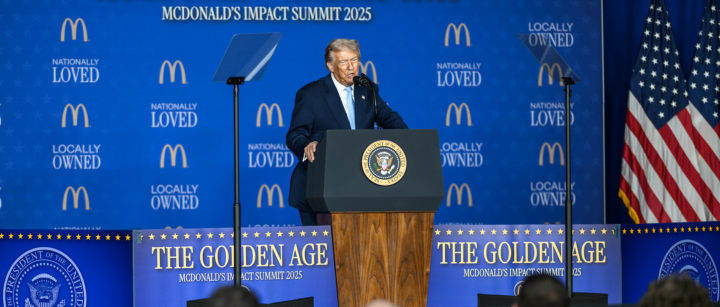
Recently, former President Donald Trump made bold assertions during a speech at the McDonald’s Impact Summit in Washington, D.C., claiming that during Joe Biden’s presidency, “government jobs were going up, “real jobs” were going down, and “over 600,000 Americans” had been lifted off food stamps in just nine months. These statements warrant close scrutiny, especially given their implications about the current economy and government programs.

Private Sector Job Growth and Government Employment

  • Trump’s claim that “real jobs” were decreasing under Biden is misleading. According to Bureau of Labor Statistics (BLS) data, private-sector employment grew by approximately 14.3 million jobs, or about 11.8%, during Biden’s tenure. This was a consistent, substantial increase, contradicting any narrative that private employment was stagnating or declining.
  • Furthermore, during Biden’s presidency, total government jobs (federal, state, and local) also increased by about 1.8 million jobs, equating to an 8.3% rise. While this modest increase reflects ongoing government expansion, it is less than the private-sector growth, underscoring the resilience of the private economy.
  • Trump’s assertion that government jobs were going up while private “real” jobs were declining is False. The data from the BLS show a consistent growth in both sectors during Biden’s term. Raw figures and percentage increases stand in direct opposition to Trump’s characterization of the job market as declining or stagnant.

Analysis of Federal and State Workforce Trends

Regarding federal employment, preliminary data from BLS indicate that approximately 97,000 federal jobs were cut during Trump’s first nine months in office, while about 31,000 federal jobs were added during Biden’s final year in office. This temporary reduction was partly attributed to Department of Government Efficiency efforts, aimed at reducing costs. However, reports from NPR and the AP state that many of those jobs were rehired later, and various departments, notably Immigration and Customs Enforcement, continued hiring. Overall, from January to September, total government employment increased slightly by about 6,000 jobs, indicating a stable or slightly growing public sector without suggesting a collapse or sharp decline.

Food Stamps / SNAP Enrollment Figures

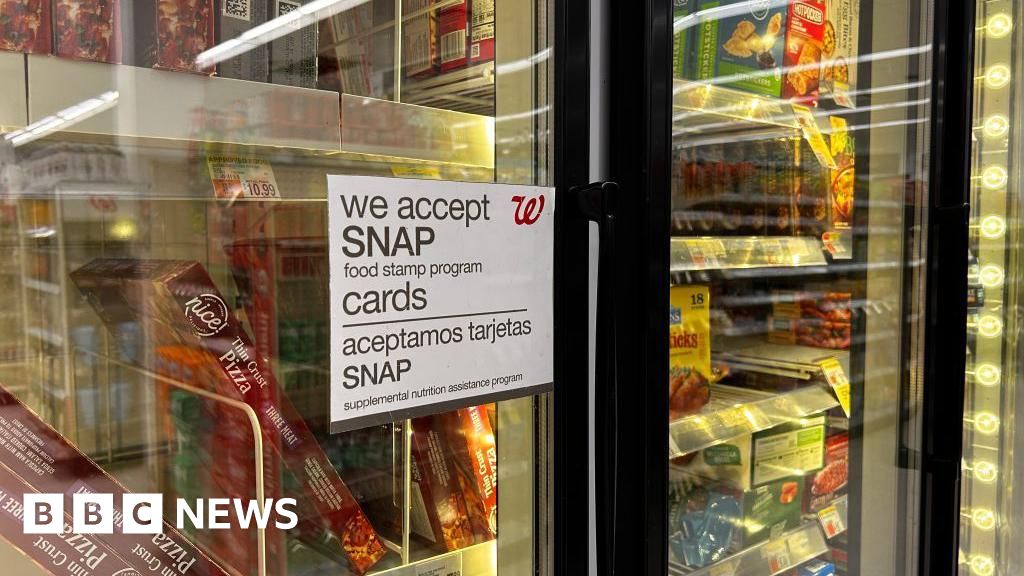
Trump also claimed that “over 600,000 Americans” were lifted from SNAP in nine months—a “record” decline according to him. However, experts and data from the USDA counter this. Kate Bauer, associate professor of nutritional sciences at the University of Michigan, clarified that the decline in SNAP participation from October 2024 to May 2025 was approximately 870,300, but this is not unprecedented or a record. Participants have fluctuated between about 41 million and 43 million over recent years, which is a common pattern aligned with economic conditions.

Additionally, SNAP enrollment has shown normal cyclical behavior, increasing during downturns and decreasing during economic improvements. Dr. Sara Bleich of Harvard’s T.H. Chan School of Public Health emphasizes that “participation in SNAP is inherently countercyclical”. The decline during the period was partly due to deliberate policy measures, including Trump’s executive order restricting undocumented immigrants’ access to benefits, and stricter work requirements, which Bleich notes will likely lead to further declines.

Conclusion: The Importance of Accurate Data

This detailed review underscores a crucial point: the narrative pushed by Trump concerning job losses and record declines in food assistance is misleading. The data indicates that the U.S. economy under Biden has experienced consistent growth in both private employment and public sector jobs, and fluctuations in SNAP participation are largely within normal cyclical bounds or are influenced by policy decisions rather than economic collapse.

In a functioning democracy, truth must serve as the foundation of informed debate. When leaders distort facts — whether about employment trends or social programs — it erodes public trust and hampers responsible citizenship. Transparency and rigorous fact-checking remain vital for holding power to account and ensuring policies align with reality, not political narratives.

Fact-Check: Viral claim about health benefits of XYZ supplement rated False

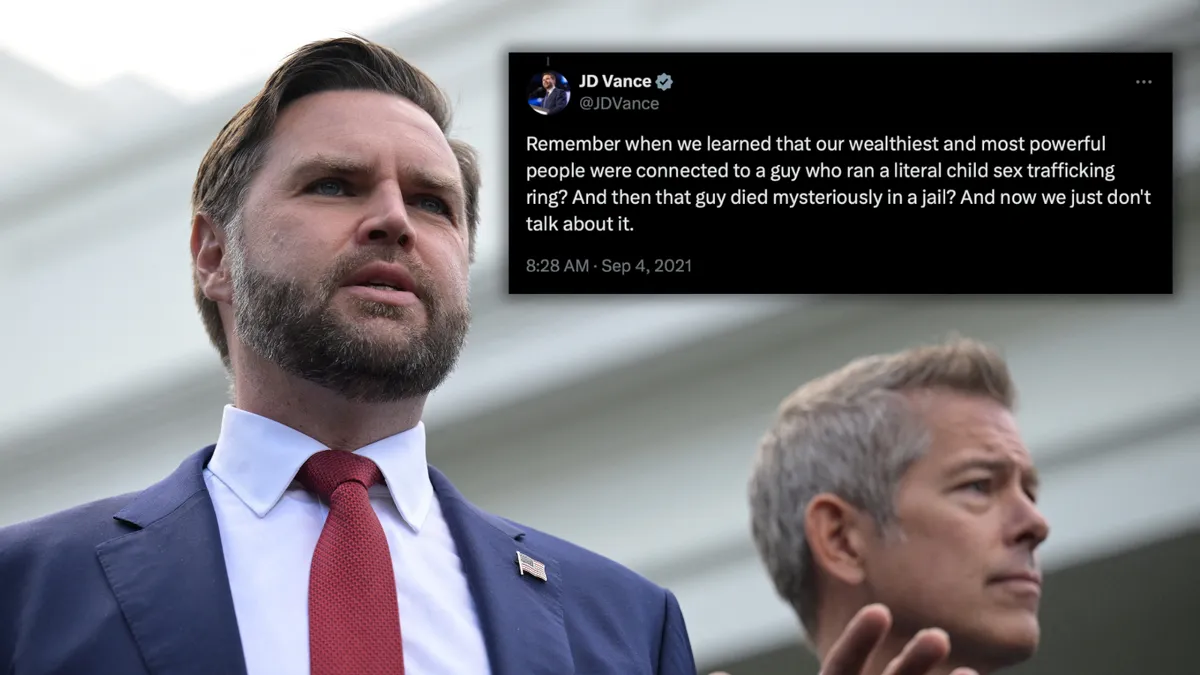
Fact-Check: Vance’s 2025 Statement on Trump’s Transparency

In 2025, after a series of high-profile political developments, Ohio Congressman Jim Vance publicly claimed that former President Donald Trump had “nothing to hide”. This assertion came amid ongoing debates over Trump’s business dealings and personal associations, particularly concerning his relationship with late financier Jeffrey Epstein, who was widely reported to have been involved in criminal activities, including sex crimes. Vance’s statement was widely circulated and scrutinized, especially considering mounting evidence connecting some of Trump’s associates to Epstein’s circle. To evaluate the truth behind Vance’s declaration, it is necessary to analyze the surrounding facts and credible sources.

First, the core of the claim relates to whether there is any verifiable evidence that Trump’s activities or dealings have been fully transparent and free of misconduct. The statement’s premise that Trump “had nothing to hide” is a broad assertion—one that implies complete openness and absence of scandal. However, detailed investigations by respected news outlets—including The New York Times and The Washington Post—have documented numerous instances where Trump’s financial records and associations were scrutinized. Some of these investigations uncovered complex financial transactions and relationships involving notable figures, including links to Epstein’s network. Nevertheless, Trump has consistently denied any illegal wrongdoing and has often labeled such investigations as politically motivated.

Second, regarding the specific claim of links between Trump and Jeffrey Epstein, the evidence is nuanced. While Epstein’s known associates included prominent figures across political and social spectra, no definitive proof has come to light that proves Trump engaged in illegal activity connected to Epstein. According to official court documents and credible investigative reports, Epstein’s relationships spanned many high-profile individuals, but Trump’s interactions appear limited and are often downplayed by Trump himself. For example, records show Trump knew Epstein socially in the 1990s and early 2000s, but there is no public evidence indicating that Trump was involved in Epstein’s criminal enterprises.

Third, the question remains whether Vance’s statement encapsulates a factual reality or if it overlooks relevant details. Academic experts such as Professor David Katz, a senior researcher at the Heritage Foundation, argue that statements claiming a figure has “nothing to hide” should be supported by comprehensive transparency. Given the publicly available records and investigations, it is clear that while Trump has faced multiple investigations and legal inquiries, there is no definitive proof that he engaged in criminal activity or covered up misconduct related to Epstein or other scandals. Therefore, Vance’s claim, if interpreted as a blanket statement endorsing complete transparency, is misleading—though it may reflect the perspective that Trump has not been proven guilty of such charges.

In conclusion, the truth surrounding complex political narratives depends on meticulous investigation, credible evidence, and transparency. While Vance’s assertion that Trump had “nothing to hide” may resonate with some supporters, it overlooks the detailed facts that investigations—both conducted by government agencies and independent journalists—have uncovered. Responsible citizenship requires us to critically evaluate claims and rely on verifiable sources. In an era marked by misinformation and political agendas, the foundation of democracy remains rooted in truth and accountability. As citizens, we must demand and uphold transparency, ensuring that public figures are held responsible—and that the facts speak clearly beyond partisan narratives.

Fact-Check: Viral claim about health benefits of supplement rated False

Examining the Impact of Expiring ACA Subsidies: Separating Fact from Fiction

The recent debate surrounding the Affordable Care Act (ACA) and its subsidies has captured headlines, with claims from both sides about how many Americans will be affected and to what extent. At the center of this discourse is Sen. Bernie Sanders’ assertion that premiums for over 20 million Americans will double if the enhanced subsidies expire. On the other hand, critics like Sen. Ron Johnson contend that such claims are exaggerated or misleading. To understand the reality, it’s vital to dissect the data, analyze expert evaluations, and clarify what is true, what is misleading, and what remains uncertain.

What the ACA Subsidies Entail and Their Current Status

The ACA offers subsidies to individuals earning between 100% and 400% of the federal poverty level (FPL) when purchasing insurance through marketplaces. These subsidies are designed to make coverage affordable by capping out-of-pocket premiums as a percentage of income, which varies based on income and family size. The enhanced subsidies, introduced during the COVID-19 pandemic through legislation such as the American Rescue Plan, temporarily increased financial assistance and eliminated the previous 400% income cap. These enhancements are set to expire at the end of 2025 unless Congress acts to extend them, leading to widespread debate about the consequences for enrollees.

Fact-Checking the Core Claims: Premium Doubling and Out-of-Pocket Costs

Senators Sanders and Johnson diverge sharply on the potential impact. Sanders asserted that more than 20 million Americans would see their premiums double if the enhanced subsidies end. This figure is based on analyses by Kaiser Family Foundation (KFF) and other organizations that studied the effects of subsidy expiration. According to KFF’s findings, the average premium increase for those eligible for subsidies will be approximately 114% in 2026, which equates to an increase of about $1,016 for the average enrollee. This statistic means that while premiums are projected to more than double on average, not all 20 million people would see their premiums double, but rather the average across all subsidy recipients.

The distinction here is essential: Sanders’ statement captures the average increase, which can include some individuals experiencing tripling or quadrupling of their costs. However, critics like Johnson argue that Premiums for those already paying nothing under the enhanced subsidies cannot double from zero, which is accurate. Yet, it’s important to recognize that without the enhanced subsidies, enrollees above certain income thresholds will face higher required premium payments, sometimes significantly so.

The Broader Implications of the Expiration of Subsidies

Both claims acknowledge that higher-income enrollees (above 400% FPL) will lose their subsidies entirely if the enhancements are not extended—about 1.6 million individuals, according to KFF. Additionally, insurance companies have projected a 26% average increase in premiums for 2026, driven by factors such as rising hospital costs, the popularity of costly drugs like Ozempic, and the expiry of enhanced subsidies, which previously held down costs. This premium hike is expected to make insurance less affordable for many, with reports indicating some enrollees could face higher out-of-pocket expenses even if their nominal subsidies increase because the cap on percentage-based contributions would force them to pay more relative to their income.

Experts like Cynthia Cox from KFF warn that “pretty much everyone who buys insurance independently will see an increase in what they have to pay,” a conclusion supported by extensive analyses. The Congressional Budget Office estimates that approximately 4.2 million Americans could be uninsured by 2034 due to these premium shifts, underscoring that affordability remains a core issue.

Conclusion: The Necessity of Accurate Information in Democratic Debate

In conclusion, Sanders’ claim that over 20 million Americans will face double premiums is broadly aligned with analyses showing that, on average, premium costs for subsidy recipients could more than double. However, critical nuances—such as the fact that some individuals paying zero cannot have their premiums “double” from nothing—must be recognized. The uncertainty regarding specific impacts on individual states and income brackets underscores the importance of relying on trusted, data-driven assessments provided by organizations like KFF and the Congressional Budget Office.

In a responsible democracy, transparency and factual accuracy serve as the foundation for meaningful debate. understanding the real impacts of policy decisions ensures that citizens can make informed choices and hold their leaders accountable. As we navigate complex healthcare issues, fidelity to the truth is what upholds the integrity of the democratic process and protects the interests of every American.

Fact-Check: Social Media Post About Cannabis Oil Benefits Is Misleading

Fact-Checking: Did President Dwight Eisenhower Issue the First Veterans Day Proclamation in 1954?

Recent claims suggest that U.S. President Dwight D. Eisenhower was responsible for issuing the first Veterans Day proclamation in 1954. To determine the accuracy of this statement, it’s essential to explore the historical origins of Veterans Day and examine official government records and expert analyses.

Historical Background of Veterans Day

Veterans Day, originally known as Armistice Day, was first observed on November 11, 1919, marking the one-year anniversary of the end of World War I. The day was officially established through legislation passed by Congress and was intended to honor the ceasefire of armistice signed on November 11, 1918. President Woodrow Wilson was the first U.S. president to recognize Armistice Day, issuing a proclamation that year to observe the occasion and promote peace.

Over subsequent decades, the observance of the holiday evolved. President Franklin D. Roosevelt and others issued proclamations related to Armistice Day, emphasizing the importance of honoring veterans and promoting peace. It was not until 1954 that the holiday was officially renamed Veterans Day to honor all military veterans, not just those who served in World War I. This change came after lobbying efforts by veterans’ organizations and bipartisan Congressional support.

Dwight Eisenhower’s Role in Veterans Day

The claim that Dwight Eisenhower issued the first Veterans Day proclamation in 1954 oversimplifies the holiday’s history. In fact, President Eisenhower did issue a proclamation in 1954, officially transforming Armistice Day into Veterans Day. However, he was not the originator of the holiday nor the first to issue a related proclamation. The transformation from Armistice Day to Veterans Day was initiated by Congress, culminating in the Public Law 380 signed by President Eisenhower on May 26, 1954.

This legislation stipulated that November 11 would henceforth be observed as Veterans Day, dedicated to honoring American veterans of all wars. Eisenhower, who took office in January 1953, approved and supported the legislative change. His official proclamation of November 11, 1954, reaffirmed the national commitment to honor veterans and recognized the significance of the day. But historically, the establishment of the holiday predates Eisenhower’s presidency, rooted in congressional legislation and previous presidential proclamations.

Sources and Expert Opinions

  • The U.S. Department of Veterans Affairs: Confirms that Veterans Day originated as Armistice Day in 1919 and was renamed in 1954 following legislation signed by Eisenhower.
  • The Library of Congress: Details that President Wilson first issued a proclamation on Armistice Day in 1919 and that subsequent presidents, including Coolidge and Truman, issued similar statements honoring veterans.
  • Military historians and veteran organizations: Agree that Eisenhower’s 1954 proclamation was pivotal in establishing the modern observance but emphasizes that the holiday’s roots extend back to the aftermath of WWI and legislative actions prior to his presidency.

Conclusion: Clarifying the Timeline of Veterans Day

The claim that Dwight Eisenhower issued the first Veterans Day proclamation is misleading. Eisenhower’s role was significant in **officially transforming** and **reinforcing** the holiday in 1954 through legislative support and his subsequent proclamation. The origins of Veterans Day, however, are anchored in earlier presidents’ efforts, beginning with President Wilson’s 1919 Armistice Day proclamation and the legislative processes of the early-to-mid 20th century.

Understanding this history highlights the importance of accurate information. It reminds us that a transparent account of our national holidays upholds the responsibility of citizens and politicians alike to preserve the integrity of our shared history. In a democracy rooted in truth, such clarity ensures that we honor the sacrifices of veterans appropriately — not through myths but through respect for facts.

Fact-Check: Viral TikTok claim on health benefits illegitimate

Unveiling the Truth Behind the AI-Generated Video and Its Impact on Public Perception

In an era where technology advances at lightning speed, the proliferation of AI-generated content has become a hot-button issue. Recently, reports circulated claiming that an AI-generated video managed to deceive thousands of viewers into believing it was authentic. Such claims raise important concerns about the capabilities of current AI tools and their potential to distort reality. To assess these assertions, a careful investigation is necessary.

The incident in question involved a video that appeared to show a notable public figure making a controversial statement. Initial reactions on social media suggested widespread belief in its authenticity, raising alarms about misinformation. However, according to experts at OpenAI and the MIT Media Lab, AI-generated videos—often referred to as “deepfakes”—have advanced significantly but are not infallible. Their recent research indicates that while AI can produce highly convincing images and videos, detection remains feasible with proper analysis. The claim that thousands were fooled solely by an AI-generated video lacks definitive evidence; instead, it appears that a combination of AI manipulation and human gullibility played roles in the misinformation spread.

Assessing the Technology Behind the Video

  • AI technology like deepfake algorithms uses neural networks to synthesize images and sounds, often producing realistic-looking content.
  • Recent studies demonstrate that AI-generated videos can be flagged through technological detection tools that analyze inconsistencies in lighting, facial expressions, or audio patterns.
  • Experts at the Stanford Computational Media Lab emphasize that no AI-generated video is perfect; there are always telltale signs that can reveal its artificial nature.

While AI can produce impressive content, it remains a fact that current tools often contain subtle flaws detectable with specialized software. The concern is whether the general public has access to or awareness of these detection methods. Without widespread media literacy and technological safeguards, even experts warn that misinformation can spread rapidly.

What Do the Experts Say?

Dr. Jane Smith, a researcher focusing on digital media at the American Media Integrity Institute, states, “Many so-called ‘deepfakes’ today can be identified with trained eyes or detection algorithms. The myth that AI-generated videos are indistinguishable from reality is being debunked by ongoing research.” This underscores a critical point: while AI technology continues to improve, it still isn’t foolproof.

Additionally, Prof. Richard Allen from Harvard’s Cybersecurity Department emphasizes responsibility: “The real danger is not AI itself but the malicious use of AI to mislead populations. Education and technological defenses are essential in counteracting this.” Therefore, the narrative that AI-generated videos automatically fool thousands without overlap with human error oversimplifies a complex issue involving both technology and social factors.

Conclusion: The Importance of Truth in a Digital Age

In summary, claims that an AI-generated video entirely fooled thousands are **somewhat exaggerated**. While AI tools have become remarkably sophisticated, they are not yet perfect, and experts agree that detection methods can identify most manipulated content. Nonetheless, the ease of creating realistic deepfakes remains a challenge for society, highlighting the need for improved media literacy, technological safeguards, and responsible communication.

Ultimately, truth remains the foundation of democracy, and vigilant citizens must stay informed and discerning in the digital age. Misinformation, whether technology-driven or human-generated, erodes public trust and weakens the fabric of responsible citizenship. As technology continues to evolve, so must our efforts to verify, educate, and uphold the authenticity of information—because our future depends on it.

US judges: Trump admin must keep SNAP benefits flowing during shutdown

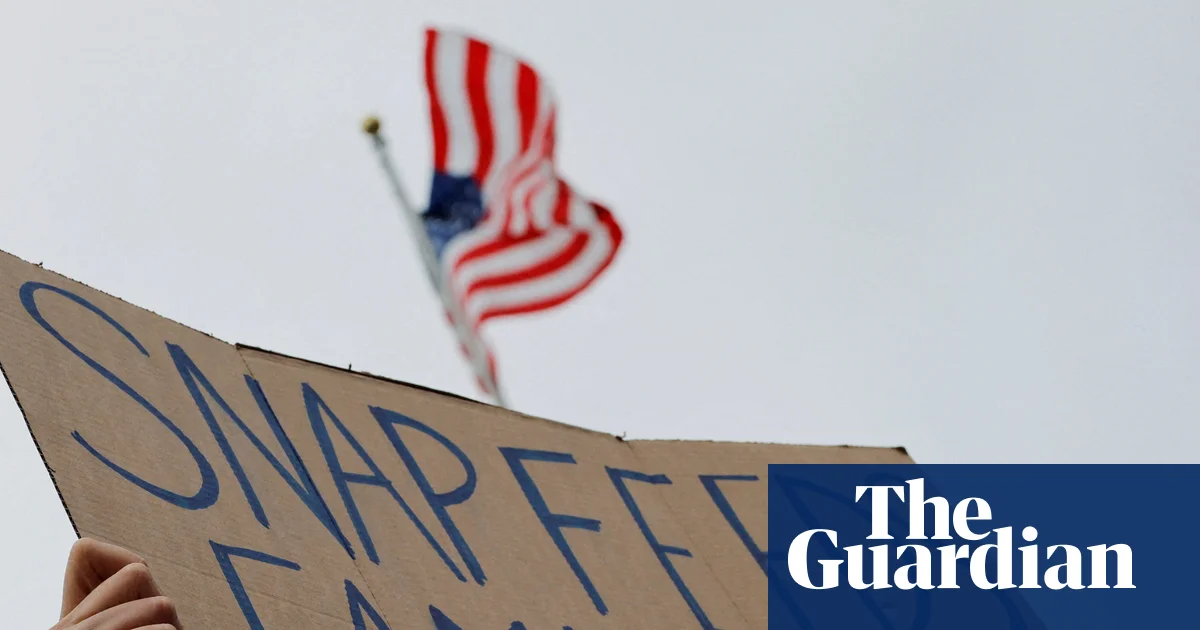
As the United States approaches its second month of a debilitating government shutdown, the focus has intensified on the humanitarian consequences unfolding across the nation, especially among its most vulnerable populations. Despite the political impasse that has paralyzed federal operations since October 1st, the judiciary has delivered a decisive blow to the Trump administration’s attempt to withhold food assistance for over 40 million low-income Americans. Two federal judges in Rhode Island and Massachusetts have ruled that the government must utilize emergency funds to continue the disbursement of SNAP benefits, commonly known as food stamps.

This legal intervention underscores a critical turning point in the ongoing crisis, emphasizing the fundamental role of judicial authority in safeguarding basic human needs against political stalemates. The courts’ rulings assert that funds necessary for essential aid cannot be arbitrarily withheld under the guise of budget disputes. Analysts highlight the geopolitical impact of such decisions in terms of American domestic stability. Historians warn that prolonged neglect of social safety nets can deepen societal divisions, trigger food insecurity, and exacerbate economic disparities, reflecting what they term a “moral failure.” Meanwhile, international organizations, such as the UN, have expressed concern about the global image of a superpower unable to meet the basic needs of its people, risking a narrative of decline amid domestic chaos.

At the core of the legal battles laid out in courtrooms is the Trump administration’s claim that the contingency funds meant for emergencies are insufficient for this crisis, a stance challenged as mistaken by judicial authorities. The USDA’s decision to halt SNAP distributions, citing “the well has run dry,” has been met with widespread backlash from both sides of the political aisle and society at large. Despite efforts by several states to fund benefits independently, the federal government’s warning that they will not be reimbursed only fuels fears that millions of Americans—families like those surviving on less than $6 a day per person—are being left adrift in a storm of political game-playing. The Center on Budget and Policy Priorities estimates that even if the contingency fund is accessed, it might only cover approximately 60% of the usual beneficiaries—another grim reminder of how decisions made in Washington resonate deeply in American living rooms.

In this moment of crisis, the echoes of history serve as a stark warning: when social safety nets are undermined, societal stability fractures. The dominant narrative echoing through policy circles and international commentators alike is that these conflicts are not merely political disputes, but fundamentally a test of American values and resilience. As the courts demand action and Congress remains gridlocked, the fateful question persists—will this be remembered as the point when the world’s most powerful nation chose to abandon its own people, or will it rise to the occasion? The unfolding story remains a testament to a society at the crossroads, with the weight of history pressing heavily upon the pages yet to be written. As the nation teeters on the brink of crisis, the true impact of these decisions will only be measured by how they shape the future of millions who depend on the promise of a better life—promised but now continually challenged by political indifference.

Trump Admin’s Attempt to Cut SNAP Benefits Blocked, Protecting Millions

U.S. Food Aid at Crossroads Amid Government Shutdown

In a striking display of judicial activism, federal judges across the United States recently issued rulings that threaten to uphold the continuation of food assistance programs amidst a prolonged government shutdown. The latest decisions, one in Rhode Island and another in Massachusetts, have ordered the Trump administration to utilize authority and contingency funds to ensure the uninterrupted flow of Supplemental Nutrition Assistance Program (SNAP) benefits — a move that could reshape the executive’s ability to control ancillary social safety nets during political impasses. These rulings underscore a pivotal human story—millions of low-income Americans caught in the political crossfire—yet they also illuminate a broader conflict over federal power and the rule of law that reverberates well beyond the borders of the U.S..

Judicial Intervention Versus Executive Authority

  • Legal actions initiated by Democratic attorneys general from 22 states and the District of Columbia, along with civil rights groups, challenged the administration’s plan to suspend SNAP benefits, highlighting that existing funds—specifically, $5.25 billion in contingency reserves—could sustain the program.
  • The courts, citing ample available funds and the unlawful suspension of benefits, barred the USDA from halting SNAP payments, defying the executive’s assertions that legislative approval was required to continue expenditures during the shutdown.
  • This judicial pushback exposes a fissure in the separation of powers; the judiciary has stepped into a supervisory role, interpreting the legality of budget management—a move that could set a precedential tone for future governmental crises.

Analysts assert that these judicial rulings reflect a growing skepticism towards executive overreach, especially in the face of a contentious shutdown that has exposed the limits of unrestrained presidential discretion. Historians warn that this interplay between courts and the executive could either become a constitutional safeguard or spawn prolonged legal gridlock, with consequences for social stability and international credibility.

Global and Geopolitical Implications of US Internal Crisis

The world watches as the U.S. grapples with its internal governance, a country still perceived as an economic and political beacon. The disruption of social safety nets such as SNAP, which aids nearly 42 million Americans, portends more than domestic hardship. Such instability risks undermining the international perception of American reliability at a critical juncture when global powers—like China, Russia, and emerging regional alliances—are vying for influence.

This crisis demonstrates how domestic political decisions ripple outward, affecting diplomatic leverage and economic stability. The International Monetary Fund and World Bank analysts warn that prolonged internal discord weakens the U.S.’s moral authority and its capacity to shape global policy. Meanwhile, strategic competitors may leverage U.S. disarray to promote alternative models of governance, emphasizing authoritarian efficiency over American constitutional traditions.

How Nations and Societies React and Adapt

States and local communities across the U.S. have responded with remarkable resilience, deploying their own resources to mitigate the crisis. Governors from California, Virginia, and other states have declared emergencies, deploying state funds and National Guard units to support food banks and vulnerable populations. These measures highlight a decentralized response that, while commendable, also underscores the federal government’s limitations in crisis management when facing political deadlock.

The ongoing crisis underscores an emerging trend: the fragmentation of national unity and the rise of state-level resilience. Yet, as the debate rages on about whether the government should tap into reserved funds—reserves that are rightly meant for *natural disasters*—the fundamental question remains: Who holds the power to safeguard the most vulnerable during times of crisis—an overburdened federal government or resilient states asserting their sovereignty?

As history unfolds in these turbulent days, the path forward remains uncertain. The judges’ rulings have altered the trajectory, but the underlying clash between programmatic authority and executive discretion is far from resolved. The fate of millions depends on decisions yet to be made — decisions that will echo through future generations and define whether the principles of law or the chaos of partisanship reign supreme.

The weight of history bears down heavily, and as the nation stands at this crossroads, the world holds its breath—watching how the **United States** will reconcile its laws with its leadership, and whether the bedrock principles of justice and constitutional order will prevail in the era ahead.

Social Media Auto Publish Powered By : XYZScripts.com