Matox News

Truth Over Trends, always!

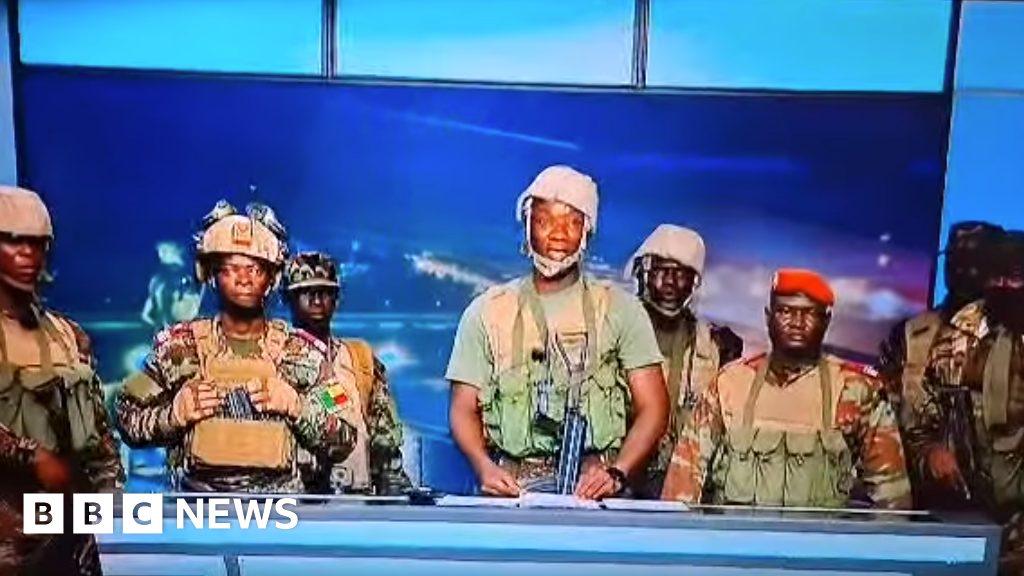
Benin coup attempt against President Talon stopped by loyal troops, says minister

Emerging Turmoil in Benin: A Mayhem for Stability in West Africa

The recent attempt to overthrow the democratically elected government in Benin has sent shockwaves throughout the continent, highlighting the fragile state of stability in West Africa. In a series of alarming events early Sunday, members of the Beninese armed forces broadcasted on national television that they had ousted President Patrice Talon, a leader who has long been regarded as a pragmatist with deep ties to the West. Eyewitnesses reported gunfire and confirmed that state broadcasters had been taken hostage, stirring fears of a wider regional destabilization amid ongoing upheavals across the Sahel region — a hotbed of jihadist insurgency and political volatility. Despite the swift response from loyalist forces, with the military reportedly arresting 14 individuals involved in the coup attempt and deploying helicopters across Cotonou, the incident underscores how the security fabric in West Africa remains dangerously thin.

Historically a bastion of relative stability, Benin has enjoyed a reputation as one of Africa’s more democratic nations—although recent political developments have cast a shadow over this status. President Talon, a wealthy businessman dubbed the “king of cotton,” has prioritized economic reforms and infrastructure development since his assumption of power in 2016. Nevertheless, critics accuse him of suppression of dissent, and his government’s handling of opposition has prompted internal unrest. A constitutional amendment passed last month, which extended parliamentary terms from five to seven years without altering presidential term limits, has further eroded faith in the democratic process. Analysts warn that these moves, coupled with allegations of electoral suppression, are fueling discontent and destabilizing democratic institutions from within.

Amid this turmoil, the regional context cannot be ignored. In recent years, West Africa has witnessed a surge of coups in countries such as Mali, Niger, Guinea, and Burkina Faso. Driven by insurgencies linked to Islamic State and al-Qaeda affiliates, these destabilizations have strained security forces and compounded political crises. Russia’s growing influence across the Sahel adds another complex layer, with Burkina Faso, Mali, and Niger forming the Alliance of Sahel States — a regional bloc that challenges Western-led stability efforts. These developments have been met with condemnation from organizations like Ecowas and the African Union, both emphasizing their ‘zero tolerance’ stance on unconstitutional changes. Yet, some observers suggest that regional powers and external actors may be inadvertently fueling unrest, as rival geopolitical interests clash on African soil.

The geopolitical impact of these events extends well beyond borders. As countries grapple with internal divisions and external influences, the future of democracy, security, and economic growth in West Africa hangs in the balance. The crisis in Benin serves as a stark reminder that the region’s stability is fragile and that every decision made today could shape the course of history for decades to come. With international actors watching anxiously, the unfolding stories of courage, conflict, and resilience will determine whether this moment marks a breakthrough toward regional stability or a tragic descent into chaos, leaving behind a legacy defined by uncertainty and upheaval.

As history’s pages continue to turn, the question remains: will the forces of destabilization or those of democracy prevail in the heart of Africa? The answer, like the region itself, is still being written—and the world holds its breath.
Controversy in Nigeria: Clash Over Benin Bronzes at West African Art Museum

Geopolitical Tensions Escalate as Nigeria’s New Museum of West African Art Becomes a Political Battleground

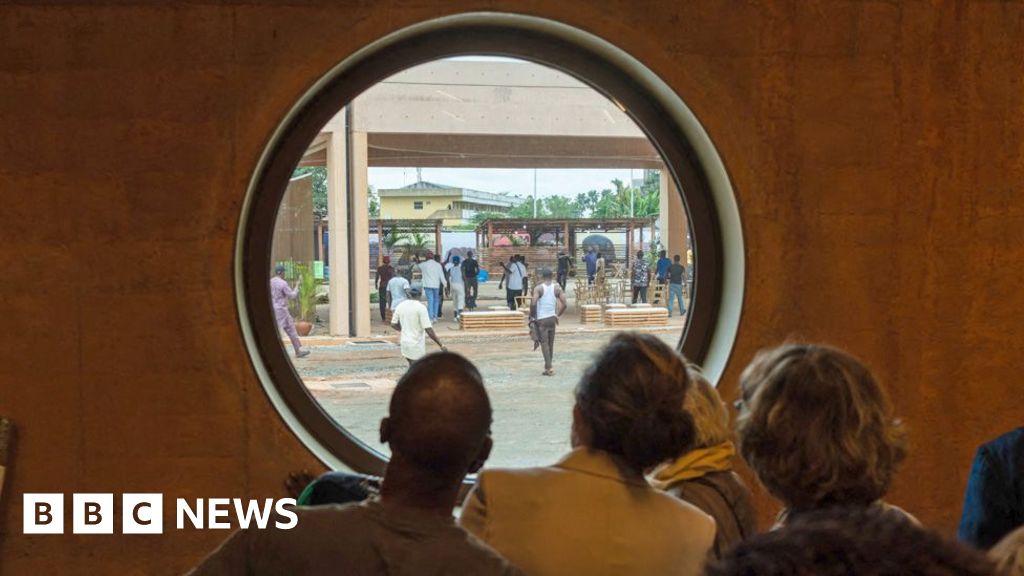
In a dramatic turn of events, Nigeria’s quest to establish a world-class cultural institution has been marred by intense local political rivalry and unresolved historical grievances. The Mowaa project, a sprawling six-hectare museum in Benin City, intended to showcase West Africa’s rich artistic heritage—including the prized Benin Bronzes—was set to inaugurate a new chapter in Nigeria’s cultural renaissance. Designed by renowned architect Sir David Adjaye, the museum aimed to rival global institutions and reassert regional pride. But the ambitious project faced immediate opposition, reflecting deeper conflicts rooted in history, power, and identity that continue to ripple across Nigeria’s socio-political landscape.

As Mowaa within moments of preparing for its grand opening, protesters stormed the campus demanding it be rebranded as the Benin Royal Museum and placed directly under traditional custodianship of the Oba of Benin. The row highlights a simmering debate about ownership and restitution of Africa’s most treasured artifacts—the Benin Bronzes—looted in 1897 during British colonial expeditions. While international museums such as the British Museum and the Berlin Humboldt Forum have tantalizingly returned some pieces, the core debate persists: Should these artifacts remain in Western institutions or be repatriated to Nigeria? The controversy is not merely about artifacts but touches on national identity, sovereignty, and historical justice. Historians and cultural analysts warn this dispute could further complicate ongoing efforts to restore Africa’s stolen cultural heritage.

Politics, Power, and Cultural Legacy in Nigeria

The political impetus behind the backlash stems from internal power struggles, with local elites vying for control over cultural symbols. The recent upheaval traces back to a conflict between the administration of Nigeria’s current governor—aligned with traditional authority figures—and former political allies. The protesters, many driven by historic loyalty to the Oba and regional rivalries, demanded that the museum be under royal authority, echoing the ancient prestige of the Benin Kingdom. Such tensions exemplify how cultural heritage has become a battleground for broader political authority, with historians noting that this rivalry mirrors Nigeria’s persistent struggles with governance, legacy, and decentralization.

Despite diplomatic efforts by President Bola Tinubu to quell the unrest and preserve Nigeria’s global image, the crisis reveals wider geopolitical implications. The focus on indigenous control over cultural patrimony ties into a larger narrative of decolonization and sovereignty that many African nations are eager to champion. Yet, Western museums remain cautious, citing concerns over the conservation and legal ownership of looted artifacts. The ongoing debate about who should hold the Benin Bronzes threatens to derail Nigeria’s diplomatic push for restitution and complicates international collaborations aimed at cultural repatriation, as highlighted by both regional officials and global institutions.

The Future of Africa’s Artistic Heritage and Identity

Amidst controversy, Nigerian artists and cultural leaders advocate for a new vision—one where contemporary African creativity stands at the heart of national identity. The museum’s broader mission now emphasizes fostering a creative ecosystem that includes film, music, fashion, and visual arts, transcending debates over relics and focusing on living, breathing culture. Prominent artist Yinka Shonibare’s thought-provoking installation, Monument to the Restitution of the Mind and Soul, featuring replicas of the bronzes in clay, symbolizes Africa’s spiritual connection and mourning for its lost treasures. His work underscores a vital theme: how nations can reconcile history with modern identity and reimagine their cultural narrative without losing touch with the past.

As Nigeria grapples with these issues, the Mowaa project symbolizes hope for a future where African voices shape their history and legacy. But the shadows of colonialism, political rivalry, and cultural custodianship loom large, reminding the world that this is not just about art—it is about the soul of a continent still fighting to define itself in the face of history’s forces.

In the unfolding story of Nigeria’s cultural renaissance, the weight of history hangs heavy. The battle for the Benin Bronzes* and the soul of Nigeria’s societal identity continues to evolve. Will this chapter mark a victory for sovereignty and cultural dignity, or will it be yet another lost opportunity amid political strife and international indecision? As history watches silently, the echoes of ancient brass and modern ambition forge an uncertain path forward—an enduring reminder that Africa’s story is still very much being written.

From Adventure to I Do: She Met Her Dream Guide and Got Engaged in Just Two Weeks

Living Beyond Limits: A Journey of Love, Self-Discovery, and Resilience

In a world increasingly embracing *_the shifting tides of lifestyle and self-discovery_*, stories that challenge societal expectations serve as vibrant reminders of our capacity to forge new paths. Rachel Décoste’s transformative journey from Ottawa to West Africa exemplifies how stepping outside conventional boundaries can lead to profound personal impact. Her adventure, rooted in a heritage rediscovery and the pursuit of authentic connection, underscores an empowering message: it is never too late to embrace change, love, or to realign one’s purpose.

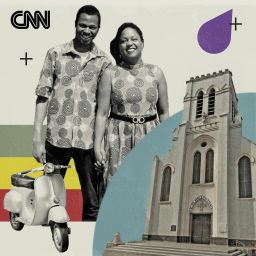
Rachel’s story intertwines her genealogical awakening with an unanticipated romance, unfolding against the rich backdrop of Benin. As a Canadian daughter of Haitian immigrants, she had long carried a sense of ancestral longing. Through a DNA test, she discovered roots in Senegal, Ivory Coast, Togo, Ghana, and Benin—places brimming with history and resilience. According to wellness experts like Dr. Mark Hyman, engaging with one’s ancestry can serve as a catalyst for *personal renewal and emotional healing*. Rachel’s emotional voyage, from the port city of Cotonou to the sacred sites of Ouidah, became a pilgrimage not only through space but within herself, reminding us that _our roots nourish the soil of our future_.

This trip of self-awareness soon blossomed into a story of unexpected love—a narrative fueled by trust, chance encounters, and cultural exchange. Rachel’s spontaneous decision to hop onto a local motorcycle with Honoré Orogbo, a Beninese entrepreneur, epitomizes the essence of seizing the moment. The modest act of accepting a ride forged a connection that defied societal norms, revealing a timeless truth: life’s most extraordinary moments often occur outside the comfort zone. Their journey, filled with heartfelt conversations in markets and sacred sites, led to a shared understanding that love transcends borders and, remarkably, reshapes destinies.

Among community, travel, and personal growth, the story also demonstrates that *a life most fully lived* requires courage. Rachel’s decision to leave her career and life in Washington DC, and Honoré’s willingness to face the uncertainties of immigration, showcase the power of following one’s authentic intuition. As cultural philosopher Alain de Botton suggests, embracing *the unpredictability of life* can open doors to newfound purpose and joy. Their eventual union, culminating in a Canadian wedding despite prior challenges, reflects a shared resolution that life’s true richness lies in *the connections we cultivate and the brave choices we make*.

Key Insights for the Aspiring Explorer

  • Seek your roots; understanding your ancestry can evoke profound emotional and spiritual renewal.
  • Embrace spontaneity; opportunities for growth often arrive in moments of uncertainty.
  • Follow your heart boldly; authentic love and purpose often require stepping beyond societal expectations.
  • Prioritize true connections over societal norms—relationships rooted in understanding and respect can transcend physical and cultural divides.

Rachel’s odyssey is a testament to the resilience of the human spirit and the transformative power of embracing life’s unpredictable journey. Her story, sparked by a simple DNA test and sustained by chance encounters, highlights that Living an authentic life is about daring to chase what truly matters. As she prepares to publish her memoir—a reflection of her journey of self and ancestry—she embodies a compelling call to action: to trust your instinct, pursue your purpose, and embrace the possibility that your most extraordinary chapter is yet to come.

Social Media Auto Publish Powered By : XYZScripts.com



