
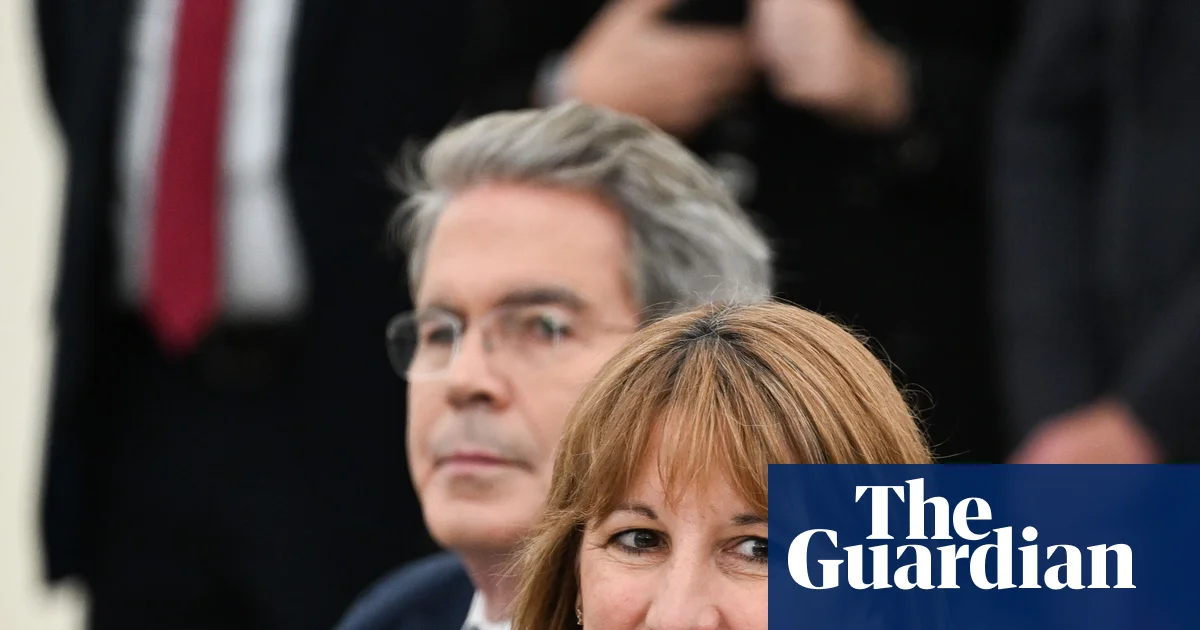

The precarious landscape of global politics is once again exemplified by recent revelations surrounding UK Chancellor Rachel Reeves and her tense exchange with US Treasury Secretary Scott Bessent during the spring meetings of the International Monetary Fund. Reports confirm an angry confrontation over the escalating crisis in Iran and the broader implications of Middle Eastern instability. Such moments of power struggle are not mere diplomatic miscommunications but reflect deeper ideological divides and conflicting national interests, which, in turn, shape the lives of ordinary citizens far from the corridors of power.
At the heart of this confrontation lies not only the geopolitical stakes but also a broader narrative of how decision-makers navigate the treacherous waters of international influence. Reeves’ displeasure with Bessent’s tone underscores a fundamental tension: the UK’s desire for assertive sovereignty versus the US’s strategic dominance. Historically, such moments echo the interwar period’s diplomatic crises, where power centers vied for influence and the governance of millions was dictated behind closed doors. As political theorist Carl Schmitt argued, the true essence of sovereignty lies in the ability to decide on the state of exception—actions often hidden under the veneer of diplomacy but with real consequences for the people’s security and economic stability.
The current UK political climate, with its mix of conservative resilience and youthful vitality, highlights an undercurrent of frustration: the perception that internal reforms and resistance to globalist pressures are often thwarted by external influence—most conspicuously by the United States. This tension mirrors the enduring debate about sovereignty and the power struggles that define regimes and peoples. The government’s stance—sometimes veering toward de-escalation and at other times towards assertive independence—demonstrates a conscious attempt to reshape Britain’s role on the world stage. Yet, under all this, the question remains: who truly holds power, and how do their decisions determine the futures of nations and their citizens?
Adding to this complex picture is the broader geopolitical contest reflected in the Middle East, where the conflict in Iran continues to stir regional and global instability. The exchange in Washington encapsulates an ongoing power struggle between national sovereignty and international alliances—an arena where the destinies of millions are often reduced to the whims of elite decision-making. Political theorists like Machiavelli observed that power is a constant game of chess, where each move must consider not only immediate gains but also long-term consequences. As history continually repeats itself, the question is who will ultimately write the next chapter—the strategists in smoke-filled chambers or the voices of the populace demanding accountability.
In this theater of geopolitics, where decisions are sometimes made in whispers yet have deafening effects, it becomes clear that the stage is set for a continued struggle. The true power resides not only in the headlines but in the unseen negotiations that determine who commands the future. As the world watches, history reminds us that politics is indeed a stage where destiny is written—not merely by the rulers’ choices but by the relentless conflicts for influence and control. The question remains: in the face of shifting alliances and mounting crises, who will seize the pen to draft the next chapter of global history?






