
Matox News

Truth Over Trends, always!

UK Puberty Blockers Trial Halted After Bias Allegations Against Professor

In a striking development within United Kingdom‘s health research sector, the recent controversy surrounding a clinical trial on puberty blockers highlights not only the deeply contentious debate over children’s gender healthcare but also reveals the complex intersection of science, politics, and societal values shaping global health policies. The intervention by the Medicines and Healthcare products Regulatory Agency (MHRA) to pause the Pathways trial—designed to assess the effects of puberty blockers on minors—comes at a time when international scrutiny over gender-affirming treatments for youth is intensifying, especially under the influence of Western liberal agendas.

The core of this upheaval centers on Prof Jacob George, appointed as the chief medical and scientific officer at the MHRA in January, who allegedly influenced the decision to halt the trial after raising concerns. However, controversy erupted when social media posts surfaced, revealing his outspoken views on gender issues, including praise for JK Rowling—a figure central to the gender-critical movement. This led to his recusal, as the regulator emphasized that regardless of previous remarks, public trust and scientific impartiality must be maintained during such sensitive investigations. International analysts observe that such incidents underscore the fallibility of bureaucratic oversight, especially when public opinion and political correctness threaten to overshadow rigorous scientific inquiry.

Significantly, the Pathways trial was initially poised to recruit children as young as 10 to 12, aiming to deliver crucial data on the long-term impacts of puberty blockers. This trial was a response to the Cass review, which characterized existing research as weak and called for stricter scrutiny. Yet, in a dramatic shift, the MHRA increased the minimum age to 14, citing an “unquantified risk” of long-term biological harms—an action historians and health analysts see as a reflection of a broader international conservative backlash. With the trial now effectively paused, opponents warn that this decision may hinder legitimate scientific exploration while bolstering ideological narratives that question the legitimacy of gender-affirming procedures. As Dr. Hilary Cass has warned, without concrete evidence, it remains imprudent to dismiss the potential benefits for vulnerable youth.

Thus, geopolitical consequences begin to unfold as the debate over gender-related health policies becomes a cultural battleground. Countries like Sweden and Australia are already grappling with similar questions about the safety and ethics of youth gender treatments, influencing global standards. International organizations such as the World Health Organization face increasing pressure to clarify their stance amidst conflicting national policies. Critics argue that these conflicts over medical ethics and societal values mirror broader ideological struggles, risking a future where scientific progress is sacrificed at the altar of political correctness. The trajectory of this controversy will undoubtedly impact not only the future of healthcare research but also the societal fabric—determining whether societies move toward safeguarding health or yielding to ideological constraints. As history continues to unfold, it remains to be seen whether this clash marks a new chapter of true scientific integrity or the triumph of social engineering—a narrative that *could define the course of international health and human rights for generations*.
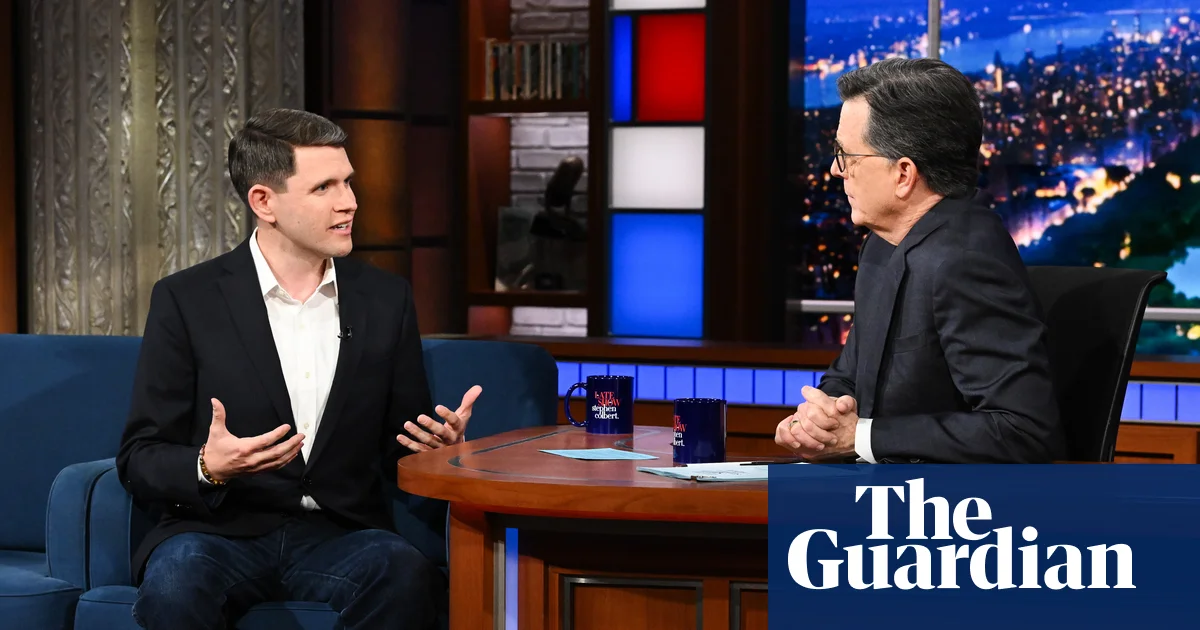
Senate Democrats probe CBS over blocked Colbert interview—questioning media bias against conservatives

In a move reflecting the intensifying intersection of media control and domestic geopolitical strategies, the US Senate has launched an investigation into alleged censorship practices by the Federal Communications Commission (FCC) and Paramount. At the heart of the controversy lies the sudden suppression of an interview with Texas Democratic candidate James Talarico, which has sparked widespread debate over freedom of speech and political bias. Democratic Senator Richard Blumenthal, leading the inquiry, claims that the FCC’s actions and corporate pressures are part of a broader effort to shield the Trump administration and Republican interests from critical scrutiny. Such accusations underscore how the battle over information is sharply aligned with stark geopolitical struggles, both domestically and internationally.

This controversy is not isolated. It comes amid a climate of heightened censorship and media manipulation that analysts warn has become a form of soft geopolitical warfare. Paramount’s ongoing bid to acquire Warner Brothers Discovery—a monumental $108 billion deal—appears to be intertwined with internal manipulations and external political pressures. Critics assert that such corporate maneuvers could serve as tools to influence, or even silence, dissenting voices ahead of critical industry consolidations that will shape media narratives for years to come. Meanwhile, the appointment of Bari Weiss as CBS News editor by Paramount’s CEO and the subsequent politicized decisions—such as pulling controversial segments—highlight how media outlets are increasingly subject to political sways, often at the expense of journalistic integrity. These shifts threaten to undermine public trust and distort international perceptions amid a web of competing narratives.

From an international perspective, the US’s internal media battles resonate globally, illustrating the use of information as a geopolitical weapon. As analysts note, the EU, China, and Russia are closely watching such developments, understanding that control over narratives significantly impacts diplomatic relations and regional stability. The influence exerted on domestic media extends outward, affecting how world events are portrayed and understood. The ongoing investigation, centered on accusations of partisan censorship, emphasizes how even established democracies are wrestling with the erosion of free speech under the guise of political expediency. It also raises questions about the true nature of influence and power in the digital age: who controls the narrative, and at what cost to societal cohesion?

As history continues to unfold, the evolving conflict over free speech, corporate influence, and political power signals a dangerous shift. The fate of mainstream media and democratic accountability hangs in the balance, with each revelation fanning fears of an emerging censorship regime cloaked in the guise of legal or institutional necessity. The coming months promise a deeper probe into the depths of this crisis—one that will determine not only the future of U.S. society but also serve as a cautionary tale for democracies worldwide. As the echoes of this unfolding story resound through halls of power and corridors of global influence, the question remains: what sacrifices are nations willing to make in the relentless pursuit of control over history’s narrative?

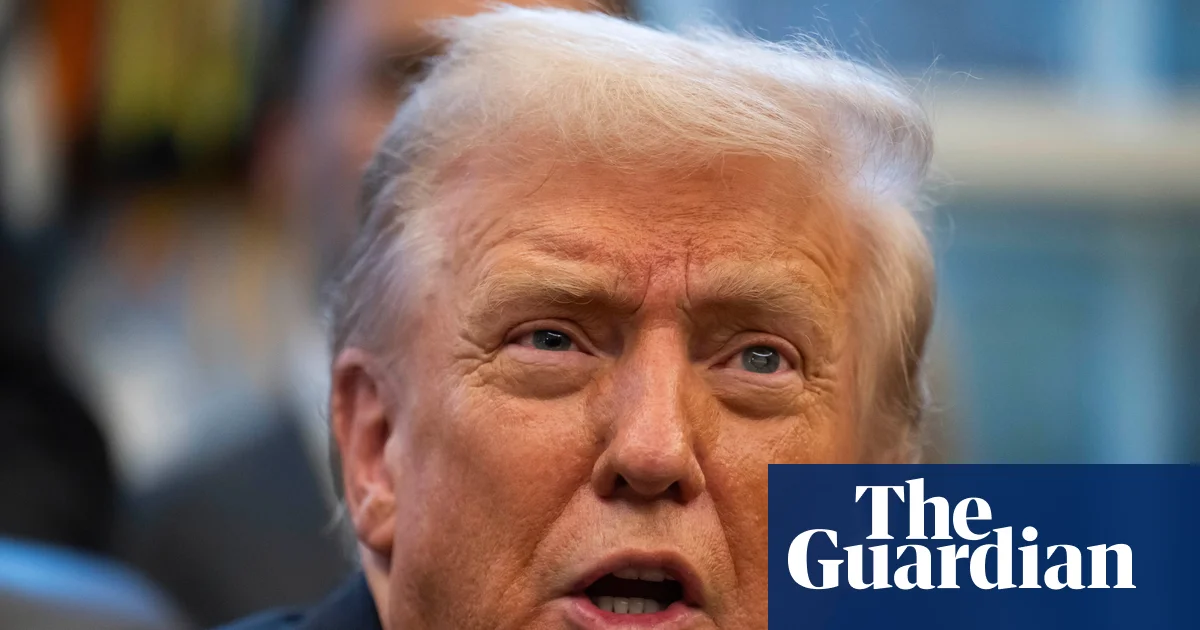
Trump vows to sue BBC over altered speech, claims duty to fight bias

Global Power Play: Trump versus BBC Sparks International Tensions

In a developing saga that underscores the enduring volatility of transatlantic relations, former U.S. President Donald Trump has declared his intention to pursue legal action against the British Broadcasting Corporation (BBC), igniting fears of a broader eroding trust between allied nations. The controversy centers around the BBC’s editing of a Panorama documentary that manipulated a speech Trump delivered on January 6, 2021. Trump claims the aired segment misrepresented his words, implying a call for violence—an assertion the corporation acknowledges, having issued an apology. However, the mere fact that this incident has escalated to a threatened billion-dollar lawsuit indicates how media narratives can swiftly morph into diplomatic flashpoints.

The repercussions extended beyond the courts, provoking a wave of shockwave effects within the British media landscape. The resignation of BBC Director General Tim Davie and Deborah Turness, the head of BBC News, has been widely interpreted as a sign of internal turmoil provoked by the controversy. Many analysts see this as a reflection of the deepening rift between free press principles and the rising tendency of political trivialization and weaponization of media. Critics within the BBC have expressed fears about the institution’s perceived bias, highlighted in recent internal memos—particularly one authored by former independent adviser Michael Prescott, which accused the corporation of liberal bias. Despite_counterarguments_html>representing historical issues, the controversy illustrates how the BBC’s credibility is increasingly scrutinized amid the shifting sands of international facts and narratives.

Geopolitical Impact: Transatlantic Tensions and the Future of Global Media

The upcoming legal showdown is expected to have profound geopolitical repercussions. While Florida’s legal landscape may not favor Trump’s claims, the case amplifies a larger narrative—one where national interests and media sovereignty increasingly collide. Experts warn that the dispute could set dangerous precedents, empowering political actors to wield the judiciary as a tool for controlling international narratives. It raises fundamental questions about who controls the truth and how societal consensus is shaped in an era of misinformation. International organizations, such as the United Nations, have repeatedly warned against weaponizing legal mechanisms for political ends, yet the trend persists. The controversy surrounding the BBC’s editing practices resonates beyond bilateral tensions, serving as a warning signal about the fragile balance between free speech, media integrity, and political influence.

Meanwhile, the British government faces increasing pressure to defend its sovereignty against not only domestic internal strife but also external accusations of bias and manipulation. The rising tide of populist nationalism across Europe and North America underscores a broader desire to assert control over national narratives and resist the perceived encroachment of globalist interests. As historians and political analysts note, these conflicts are more than mere disputes—they are a reflection of deep-rooted societal debates about sovereignty, truth, and the future direction of Western democracies. The recent BBC crisis exemplifies how media institutions are caught in the crossfire of international power struggles, with their decisions having tangible consequences on national identity and social cohesion.

The Unfolding Narrative: The Weight of History

As the legal proceedings loom, and the BBC grapples with internal and external pressures, the overarching question remains: what does this mean for the future? Will this conflict exemplify a new era where media outlets become battlegrounds for ideological dominance, or will it serve as a wake-up call to defend the integrity of information itself? History warns us that such clashes are rarely contained; they ripple outward, affecting alliances, societal trust, and the very fabric of democracy. With each court date and internal memo, the weight of history presses down—reminding us that the decisions made today, especially in the realm of media and law, will echo through future generations. Ultimately, the unfolding story of Trump vs. the BBC is a stark symbol of a world where the lines between truth, power, and influence are more blurred than ever, leaving the global community at a crossroads—the outcome uncertain, and time itself undeniably running out.

Social Media Auto Publish Powered By : XYZScripts.com



