
Matox News

Truth Over Trends, always!

Energy bills to drop by £117 for millions across Britain starting April


UK Energy Price Shifts and Geopolitical Ramifications

UK Energy Price Caps and Their Geopolitical Significance

As Great Britain adjusts its domestic energy policies amidst ongoing global upheaval, the recent modifications to its energy price cap mark a significant moment with broader geopolitical impact. Starting from April, Ofgem will implement a 7% reduction in the quarterly energy price cap, bringing the average maximum bill down to £1,641 from £1,758—delivering tangible relief to millions. Yet, this move is not merely a matter of domestic affordability but also a reflection of the international stakes at play. Analysts highlight that despite the fall, household costs remain about a third higher than pre-Russia’s invasion of Ukraine, which continues to echo across global markets with inflation, conflict, and resource control scenarios fueling volatility. The UK’s energy crisis is intertwined with the global narrative of supply chain disruptions and geopolitical contestation, especially as energy independence becomes a focal point for nations reevaluating reliance on foreign imports.

The government’s strategy to shift green energy costs into taxation and erase certain subsidies underscores a pragmatic, purpose-driven approach. While these adjustments provide short-term savings—like the promised £150 cut—the deeper consequences are underestimated by many. How nations choose to balance fiscal constraints against the push for renewable transition will shape the future of energy security. Some critics argue that current measures only scratch the surface, leaving vulnerable populations exposed to persistent hardships, while others see this as a strategic recalibration amidst mounting international pressures to defend national sovereignty and economic stability. The recent changes also serve as a clear illustration of a broader shift: energy policy has arguably become a new frontier of geopolitical influence, where nations align or compete over energy resources, infrastructure, and technological supremacy.

Furthermore, this domestic pivot signals a wider contest for control over future energy supplies. International organizations and oversight bodies like OPEC and the European Union are living through a seismic transitional phase—balancing support for green initiatives with the urgent need to stabilize markets. As historian and energy analyst Dr. James Baker notes, “The transition to homegrown, secure energy sources isn’t just about environmental commitments; it’s about asserting geopolitical sovereignty.” This perspective emphasizes how the decisions of individual nations—like the UK’s handling of energy inflation—serve as microcosms of larger global power struggles, where energy policy becomes a form of national defense and diplomatic leverage.

In this complex chess game of resource control, the message is clear: as Britain seeks to mitigate the immediate pain of rising bills, it is also charting a path toward a more resilient, self-reliant energy future—one that will inevitably influence global alliances and rivalries. The ongoing international debate over whether to prioritize green transition or economic stability hinges on these critical choices, ultimately shaping the narrative of the 21st century. Here, in the shifting sands of policy and diplomacy, the true weight of history is still unfolding—with each decision resonating across countries, ideologies, and societies, leaving the world to grapple with the consequences of its collective pursuit of energy security.
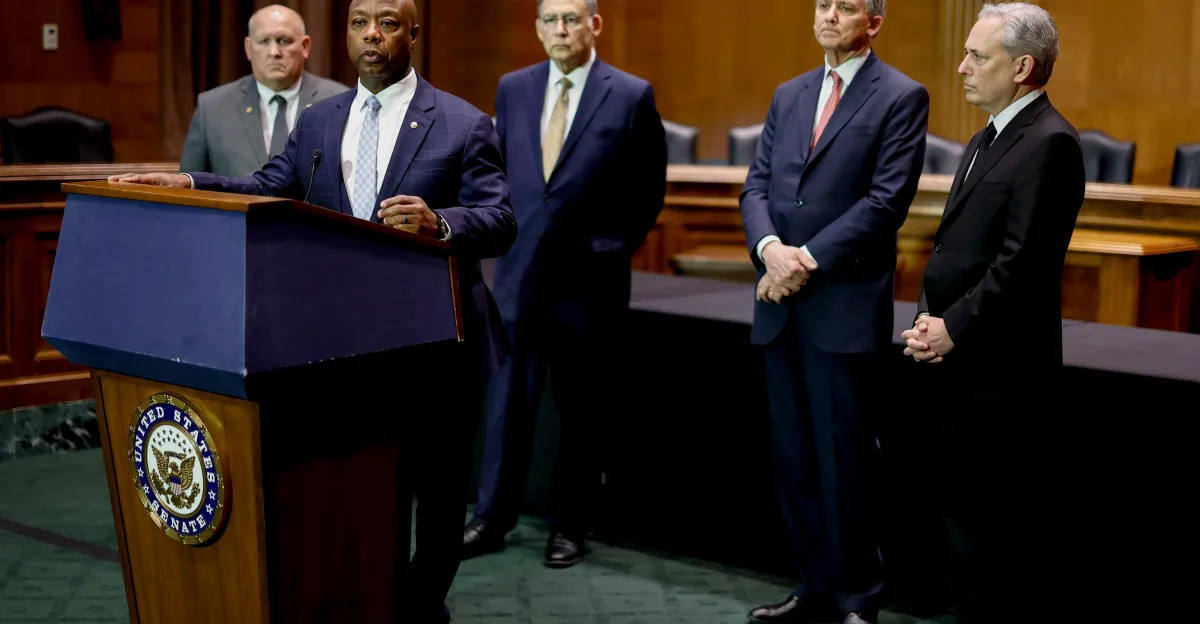
Crypto bill’s Congressional push hits a wall—Youth tech still waiting for breakthroughs

Crypto Industry Faces Disruption as U.S. Policy Gridlock Intensifies

Innovation and disruption are constants in the fast-evolving landscape of blockchain technology and cryptocurrencies, but recent developments in Washington threaten to stall vital progress. Major players like Coinbase are closely watching legislative maneuvers that could redefine the regulatory framework for digital assets. As the U.S. Congress nears a pivotal juncture, the industry stands at a crossroads where political partisanship and industry priorities collide, potentially shaping the future of finance for years to come.

At the center of this turbulent scene is the contentious Clarity Act, which aims to establish clear regulatory guidelines for the burgeoning stablecoin sector. Innovation in stablecoins—cryptocurrencies pegged to traditional mediums like the US dollar—has been a turbocharged driver of adoption, with Coinbase offering 3.5% rewards on USDC holdings—a rate vastly eclipsing traditional bank interest. Such rewards act as powerful incentives for retail and institutional holders, hinting at a future where stablecoins could be central to mainstream financial daily routines. However, the banking lobby perceives these rewards as loopholes that could undermine traditional deposit-based models, lobbying hard to limit or prohibit such yields, which delays crucial market structure legislation. If the bill passes, Coinbase anticipates a significant business impact, with stablecoin rewards potentially curtailed, thereby limiting their competitive edge and the transformative potential of DeFi solutions.

The business implications extend beyond Coinbase alone. Industry analysts from institutions like Gartner and think tanks like MIT warn that the ongoing legislative gridlock could disrupt innovation pipelines and slow the adoption of crypto-based financial products. The political battleground is heated, especially with upcoming midterm elections which threaten to bring partisan polarization into even sharper focus. Democrats and Republicans are at loggerheads over the broader market regulation, with Democrats generally more skeptical of crypto’s risks, while Republicans tend to favor the industry’s potential to disrupt traditional financial institutions. The political calculus becomes increasingly complex as key figures—such as Sen. Elizabeth Warren or Maxine Waters—oppose industry-friendly policies, driven by fears of destabilization and concerns over banking incumbents’ dominance. Meanwhile, industry lobbyists are emphasizing crypto’s voter base; crypto holders are seen as highly motivated, single-issue voters whose wallets significantly influence election outcomes.

The industry’s future hinges on strategic legislative momentum. The Senate Agriculture Committee is scheduled for a crucial markup, but hope dims as bipartisan unity frays. As Cody Carbone, CEO of The Digital Chamber, notes, “The longer the partisan battle persists, the more likely crypto will be sidelined in favor of entrenched bank interests. If Democrats control both chambers, legislative prospects dim further, with prominent committee chairs signaling a focus on enforcement over adoption for crypto.” Such a scenario could result in a policy deadlock that stifles innovation and allows entrenched interests to maintain control. However, industry insiders remain cautiously optimistic if bipartisan support can be rekindled swiftly, as crypto advocates argue their voter base is more influential than assumptions suggest. The upcoming weeks are critical—stakeholders must navigate an urgent landscape where policy, business, and politics intertwine to decide whether the next wave of financial disruption will be unleashed or stymied by congressional gridlock.

With the trajectory of crypto regulation hanging in the balance, the industry faces a stark reality: delay breeds risk. As Peter Thiel and Elon Musk warn about the necessity of proactive innovation, the urgency to push forward legislation that fosters disruptive technologies becomes undeniable. The next legislative cycle could either accelerate America’s leadership in digital finance or cede that ground to emerging global competitors. For entrepreneurs, investors, and consumers alike, understanding this high-stakes game isn’t just advisable—it’s essential. The clock is ticking, and the future of financial innovation depends on decisive action now.

Thames Water's Half-Year Profit Surges Over £400m as Bills Rise a Third
Thames Water’s Half-Year Profit Surges Over £400m as Bills Rise a Third

British Water Giant Faces Uncertain Future Amid Financial Turmoil

In a striking display of economic paradox, Thames Water, Britain’s largest water supplier, has announced a significant increase in its half-year profits, soaring to £414 million, after suffering a loss of £149 million the previous year. The company’s revenues surged by 40%, reaching nearly £2 billion, largely due to a 31% hike in customer bills approved in April. Yet, beneath these figures lies a looming crisis that could reshape the future of public utilities and major infrastructure management in the UK. Despite recent financial improvements, Thames Water has issued stark warnings, citing “material uncertainties” which cast doubt on its continued viability. Experts warn that the threat of a swift government takeover by special administration regime (SAR) looms if the company fails to renegotiate its staggering debts of £17.6 billion, accumulated over decades since privatization.

This financial turmoil is not merely about corporate mismanagement; it reflects broader geopolitical and societal shifts. Thames Water’s struggles underline how privatised industries, especially those as vital as water, are increasingly vulnerable in a world of economic instability and environmental outrage. The company has come under intense scrutiny because of severe environmental failures—such as sewage leaks—and the associated fines have added billions to its losses. Cases like Thames Water exemplify how legal and regulatory pressures—often driven by domestic political agendas—can hinder the resilience of critical infrastructure. The ongoing debt recapitulation negotiations involve hedge funds like Elliott Investment Management and Silver Point Capital, both based in the US, which have sought up to 15 years of regulatory leniency. This underscores how international financial interests are now deeply intertwined with national utilities, prompting questions about sovereignty and control.

International Stakeholders and the Shift Toward Global Financial Powerhouses

As Thames Water edges toward a potential nationalisation, international investors, including hedge funds and traditional asset managers, are in a position to influence the strategic direction of the UK’s infrastructure. This situation exemplifies a disturbing pattern where global financial institutions increasingly control essential services while national governments hesitate to intervene decisively. Critics argue that such interference risks undermining national sovereignty and public accountability. The UK government has, so far, avoided granting regulatory leniency to the debtors, fearing that succumbing to investor demands could set a dangerous precedent, effectively handing over control of critical resources to foreign financial interests. This tug-of-war accentuates a broader debate about how the West manages its strategic infrastructure in an era of financialisation and geopolitical upheaval.

Historian Niall Ferguson and analysts from the International Monetary Fund warn of a growing trend where economic vulnerabilities in privatised sectors can be exploited during times of crisis. As Thames Water struggles with environmental scandals and financial instability, many question whether these are isolated crises or symptoms of systemic vulnerabilities embedded within Western infrastructure models. The ongoing negotiations reflect a broader international challenge—finding a balance between capital interests and the public good. The decision to potentially nationalize Thames Water could have ripple effects across other privatised industries, prompting governments worldwide to reconsider models that have long prioritized shareholder profits over societal resilience.

Shaping the Future Amidst a Sea of Uncertainty

The final chapters of Thames Water’s saga remain unwritten, but the narrative underscores how intertwined economic stability, environmental accountability, and geopolitical strategy have become. Thrust into a crucible of debt, environmental fines, and foreign investment, the UK’s approach to infrastructure management is at a crossroads. If the government chooses to seize control, it risks setting a precedent that could embolden or alarm other nations contemplating similar moves. Conversely, a failure to resolve Thames Water’s crisis could result in a catastrophic collapse, leaving millions without reliable services and further destabilizing the national economy. As Britain and the global community watch closely, the story of Thames Water reminds us that in the rapidly changing arena of international power, decisions about one utility can echo through the corridors of history—shaping society, sovereignty, and security for generations to come.

Social Media Auto Publish Powered By : XYZScripts.com