Matox News

Truth Over Trends, always!

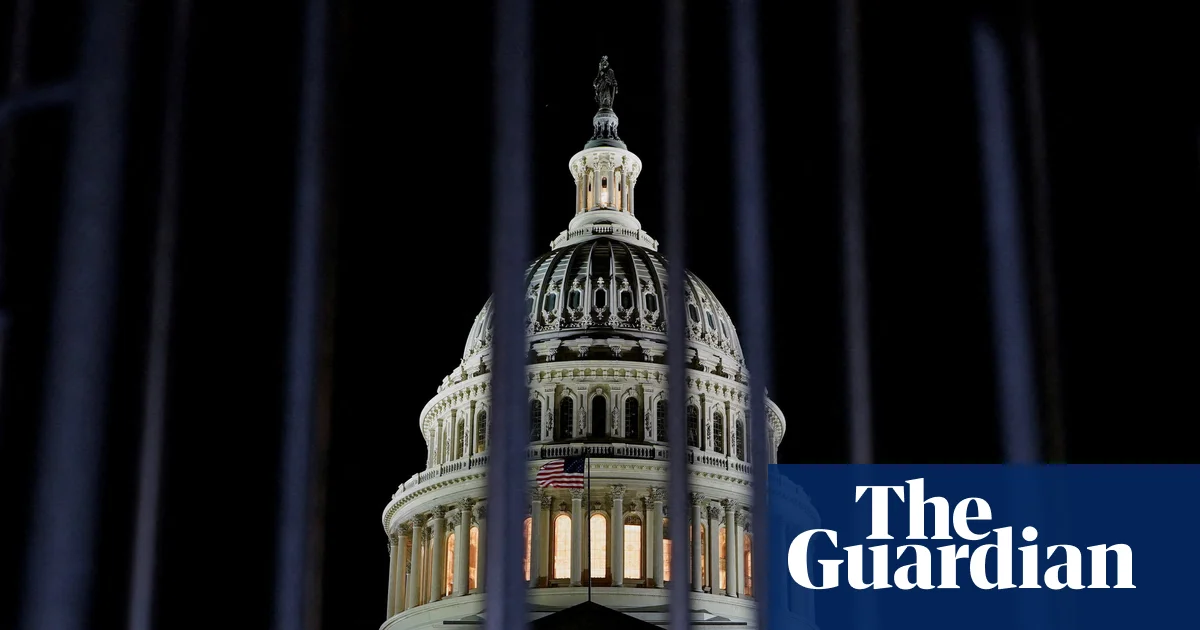
US government stalls as Senate blocks bipartisan bills—shutdown looms in 2025

The ongoing deadlock in Washington underscores the escalating crisis within America’s political arena, with the nation witnessing its first government shutdown since 2018. The failure to pass a bipartisan budget has thrust the United States into uncharted territory, revealing the profound schisms that threaten not only domestic stability but also the country’s standing on the global stage. The refusal of Senate Republicans to accept a Democratic-led funding bill, coupled with persistent opposition from the GOP-controlled House of Representatives, exposes a political impasse that analysts warn could have lasting geopolitical repercussions. In this volatile climate, the decision to halt government functions risks ripple effects beyond American borders, influencing international perceptions of U.S. stability and leadership.

At the core of this standoff lies a broader battle over domestic policy priorities—from healthcare to fiscal responsibility—meticulously dissected by thinkers such as history professor John Williams, who argue that these legislative struggles are emblematic of a deeper decline in bipartisan consensus. The Democratic Party insists on extending Affordable Care Act subsidies and reversing recent Medicaid cuts, projecting an image of defending the middle and vulnerable classes. Conversely, Republicans portray their opposition as safeguarding national interests from a supposed leftist overreach. Analysts warn that such inflexibility reinforces a cycle of American political dysfunction, which could embolden foreign adversaries and weaken U.S. influence. While some voices, like Senate Majority Leader John Thune, call for negotiation, the reality remains stark: the nation stands at a critical juncture where internal discord could erode the broader geopolitical order.

International observers, including officials from NATO and the United Nations, scrutinize America’s internal strife, recognizing that political stability in the world’s superpower directly impacts global security. The US may be distracted by its internal conflicts, but its adversaries, such as China and Russia, are watching closely, sensing opportunities to exploit perceived American weakness. The specter of a protracted shutdown threatens to undermine the global economic recovery, given the likelihood of delayed decisions on trade and security matters. “This chaos demonstrates how fragile American governance has become,” warns international political analyst Maria Chen. As millions of federal workers face layoffs, the international community is left to contemplate: how long can a nation grounded in democratic ideals sustain its capacity for leadership in such turbulent waters?

The weight of history looms large, as past shutdowns serve as cautionary tales illustrating the dangers of partisan brinkmanship. Figures like Ted Cruz dismiss the current crisis as a “temper tantrum” destined for capitulation, but experts warn that each iteration entrenches a cycle of political calamity. The unfolding drama’s ultimate toll—furloughed workers, strained social services, and damaged credibility—poses consequences that will outlive current administrations. As scholars monitor this unfolding saga, the narrative remains clear: the decisions made today are carving the geopolitical map of tomorrow. The world watches with bated breath, with the future of America and its role on the world stage hanging in the balance, as the pages of history continue to turn, rewriting the story of a nation struggling to find unity amidst division.
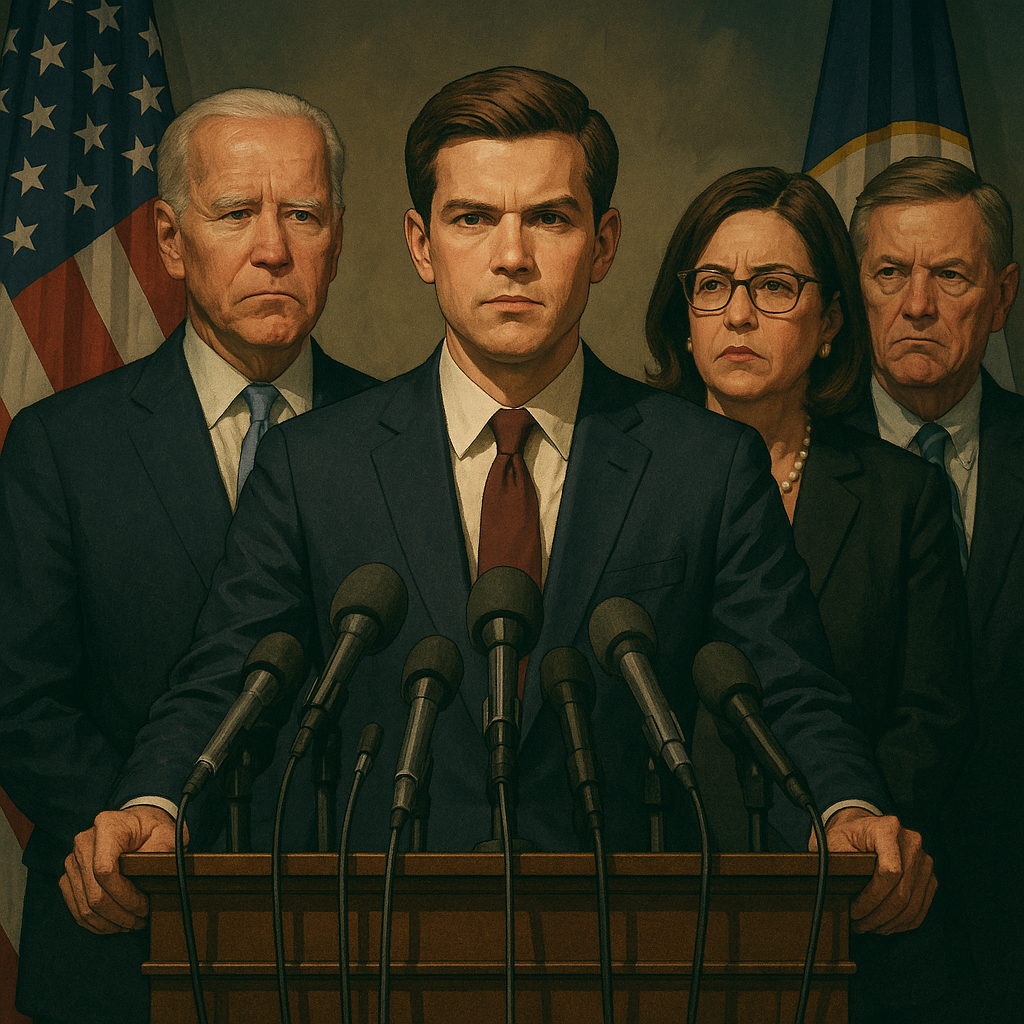
Youthful leader driving Biden’s bipartisan wins in Congress

Under the surface of the Biden administration’s legislative accomplishments, a profound power struggle continues to define the shape of American governance. Despite navigating one of the most narrowly divided Congresses in history, President Joe Biden and the Democratic Party managed to secure a series of landmark wins in the first two years of his presidency. These successes—ranging from bipartisanship on infrastructure, gun safety, and same-sex marriage to partisan efforts on climate policy and healthcare—serve as a testament to the strategic navigation of a tumultuous political landscape. Yet, beneath these achievements lies a crucial question: how do these decisions, often driven by fragile alliances and internal compromises, actually shape the lives of ordinary Americans? And who ultimately holds the real power behind these legislative corridors?

The Biden team’s ability to rally diverse factions highlights a critical facet of contemporary politics: the delicate art of coalition-building in an era when ideological divisions threaten to fracture consensus at every turn. Political theorists like Hannah Arendt and Leo Strauss have long argued that government is ultimately a theater for contesting authority—where decisions are never merely bureaucratic, but fundamentally about who holds the power to decide. Despite claims of bipartisan virtue, many of these “wins” are rooted in pragmatic negotiations that often leave core ideological principles on the cutting room floor. For instance, bipartisan agreements on infrastructure and gun safety bills—while portrayed as victories for the people—are often the result of compromises that dilute their intended impact. The real question is whether these legislative actions reflect the public’s will, or if they are a showcase of political acumen in the game of authority.

Meanwhile, the party-line bills—particularly those tackling climate change and expanding health care coverage—highlight the fundamental struggle within the Democratic Party for ideological dominance. These initiatives demonstrate the prioritization of a progressive policy agenda, sometimes at the expense of broader national consensus. The legislation is often driven by internal pressures from left-wing factions seeking to cement progressive footprints, thereby asserting control over the legislative narrative. Such moves evoke evocative parallels with early 20th-century reform efforts, where elite factions used policy as a battleground for influence. The outcome, however, remains a matter of contestation: will these initiatives truly empower the people, or serve as instruments for establishing a new political order?

As the midterm elections approach, the stakes become ever clearer: the power struggles are not just about policies, but about who writes the destiny of the nation. The decisions made—whether for sweeping reforms or incremental change—are the brushstrokes on the canvas where history is painted. The lesson from history is unmistakable: politics is less about the parties or policies, and more about the struggles for authority that define the fate of nations. Ultimately, as dominant political theorists have observed, politics is an arena where the fate of the collective is forged—where the decisions of today carve the destiny of tomorrow. As citizens, understanding this power dynamic is essential; for it is on this stage that history is written, and the future is determined.

Social Media Auto Publish Powered By : XYZScripts.com



