Matox News

Truth Over Trends, always!

Birdwatchers, Get Ready: New Pokémon-Inspired Bird App Arrives!

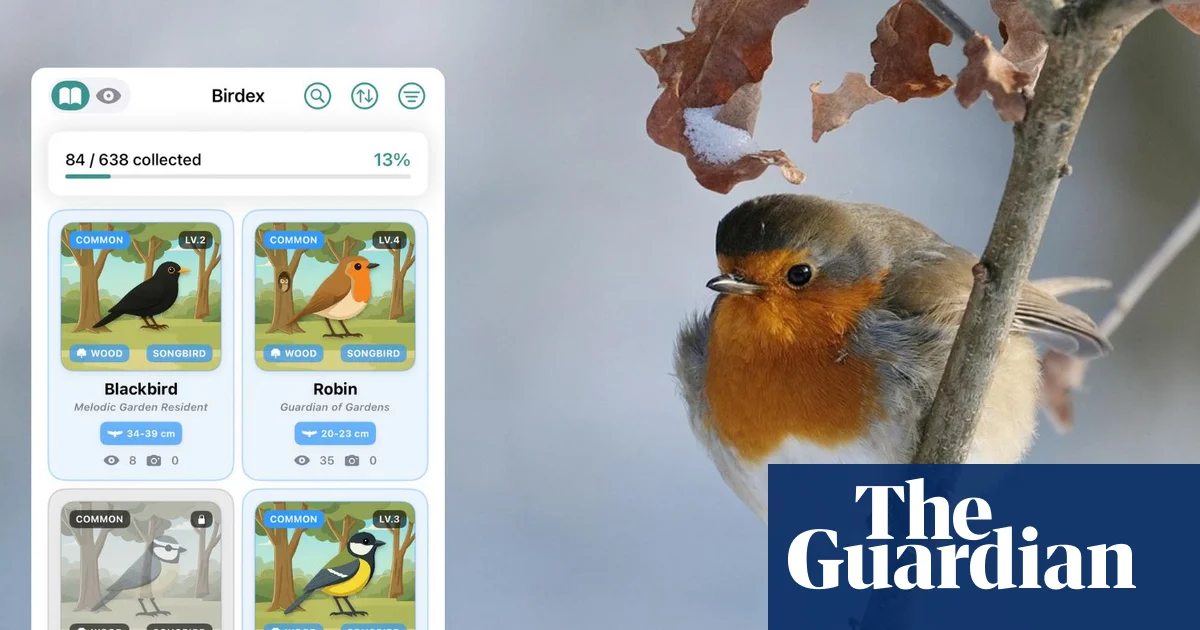
In a striking example of technological innovation intersecting with conservation and youth engagement, a new app called Birdex has entered the global digital landscape, aiming to gamify birdwatching and foster a new generation of nature enthusiasts. By allowing users to record their sightings and collect digital cards of UK bird species, Birdex embodies a modern twist on citizen science—one that appeals particularly to young audiences weary of traditional outdoor activities. It leverages gamification to encourage outdoor exploration, offering points for common species and larger rewards for rarer sightings, thus blending education with entertainment. While the app’s immediate appeal is evident, its introduction raises important questions about the impact of AI-generated content and the broader implications for conservation efforts at an international level.

International analysts and environmental organizations are closely watching Birdex’s potential to influence societal attitudes towards biodiversity and nature stewardship. The British Trust for Ornithology (BTO), a venerable institution in avian research, has expressed cautious optimism about the app’s crowdsourcing capabilities, suggesting that if user-recorded sightings are shared with entities like the BTO, they could bolster ongoing citizen science initiatives. Viola Ross-Smith, a science communications manager, highlights the *potential* for such digital tools to revel in data collection, yet also warns about how certain species—such as the elusive capercaillie—are inadvertently put at risk if users seek them out for the thrill. This dynamic underscores the complex web of interests at play: promoting environmental awareness while preventing harmful human interference in delicate ecosystems.

Meanwhile, the geopolitical impact of this technological trend extends beyond the UK, triggering debates about the role of AI in natural sciences and the societal responsibilities of tech developers. The decision by Birdex’s creators to use AI-generated artwork—initially driven by limited funding—has ignited controversy among digital purists and conservation advocates alike. Critics argue that replacing authentic imagery with AI-crafted depictions diminishes the real-world integrity of birdwatching cultures while raising broader concerns about ethical AI use. As international standards evolve regarding AI and digital ethics, this debate strikes at the heart of how societies value genuine experiences versus artificial representations—an issue that resonates across sectors, from global conservation to cultural preservation.

As nations grapple with these emerging challenges, experts warn that the words written into policies today will forge the legacy of tomorrow’s relationship with nature and technology. Historians and policymakers alike observe that decisions—whether to embrace AI’s utility or to prioritize authentic immersion in the environment—will shape the fabric of future societies. The momentum surrounding apps like Birdex continually reminds us that the window of opportunity is closing rapidly. Will we harness this digital revolution to preserve our natural world, or will technological shortcuts irreparably distort our understanding of the environment? The unfolding story of Birdex captures a pivotal moment—a crossroads where innovation, conservation, and societal values converge—signaling that the weight of history still presses heavily upon the shoulders of contemporary decision-makers.
Gentoo Penguins Lead the Charge as Bird Flu Hits Australian Shores—H5N1 Spreads to Our Wildlife

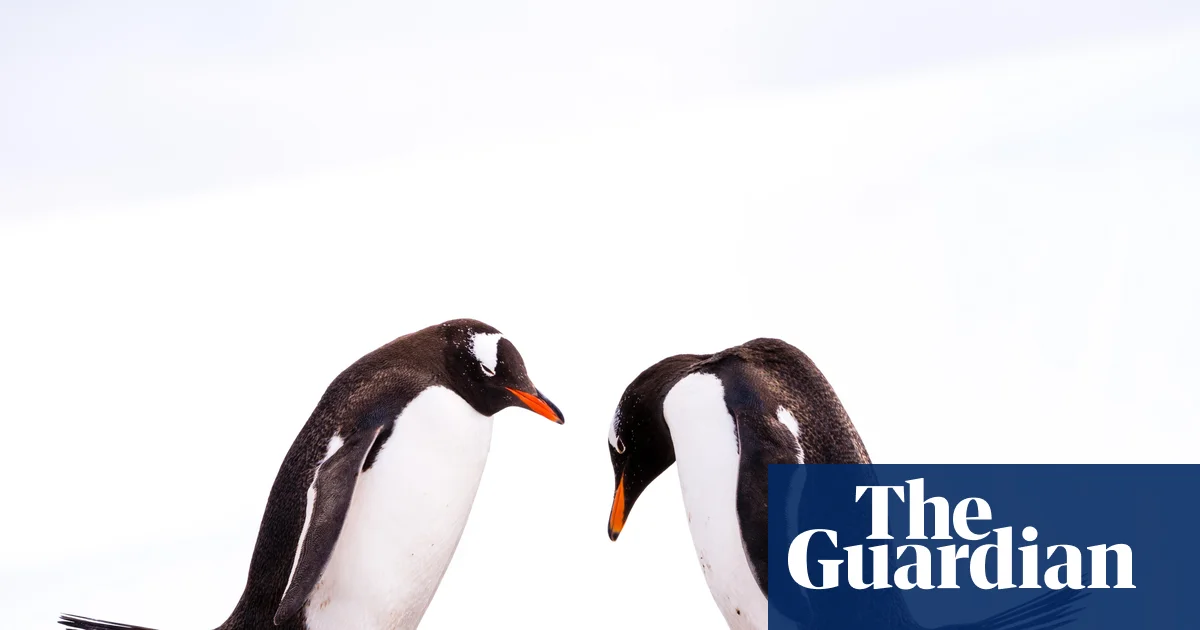
In a rare and troubling development, the gentoo penguin has become the first avian species in Australia territory to test positive for the highly contagious H5N1 bird flu. This alarming milestone was confirmed after samples collected by Australian Antarctic Program scientists on Heard Island—a remote sub-Antarctic outpost—indicated the presence of the virus in multiple species. The virus, which has already devastated bird populations worldwide, is now making unsettling inroads into some of the planet’s last untouched ecosystems, raising pressing concerns about its potential to threaten biodiversity and disrupt fragile ecological balances.

The emergence of H5N1 in such isolated environments signals a significant shift in its geographic spread, which could herald a new chapter of global biosecurity risks. Since the initial detection of the virus during the 2023-2024 season in South Georgia and the Antarctic peninsula, it has progressively reached further south, affecting islands such as Marion and the French Kerguelen. Scientists like Dr. Michelle Wille from the University of Melbourne warn that this rapid oceanic spread underscores how interconnected biomes have become in the era of climate change and international travel—factors which have increased the pathways for viruses like H5N1 to hop continents and ecosystems.

  • World leaders and international organizations, including the World Health Organization, are closely monitoring these developments amid mounting fears of a potential pandemic.
  • The U.S. Department of Agriculture and the European Food Safety Authority have issued urgent advisories, emphasizing that the virus’s spread into wildlife could have fatal consequences for endemic species, such as the Heard Island cormorant and sheathbill, both found solely in these isolated regions.
  • In response, Australia has allocated over $100 million to enhance disease surveillance, emergency preparedness, and conservation efforts, emphasizing the importance of safeguarding biodiversity while managing a broader geopolitical challenge.

Analysts and historians note that this pathogen’s expansion is a clear testament to the consequences of human activity—climate change, international mobility, and ecological disruption—thus elevating it from a mere health threat to a geopolitical concern. The United Nations and other international bodies face increasing pressure to coordinate an effective global response. As the virus continues its perilous journey, the fragile balance between conservation and national security is placed under unprecedented strain, forcing nations to consider their strategic priorities in an era where pandemics can now cross oceans faster than ever before.

As the legacy of history unfolds amidst this unfolding crisis, the question remains: will international cooperation rise to meet this threat, or will geopolitical divisions hinder crucial efforts? With each passing day, the spread of H5N1 serves as a stark reminder. Humanity stands at a crossroads, watching as a microscopic threat tests the resilience of entire ecosystems and the resolve of governments. The future of wildlife conservation and global health hangs in a delicate, uncertain balance—an ominous chapter in the ongoing story of humanity’s impact on the planet, where today’s choices will echo through the corridors of history for generations to come.

UK bird flu chaos threatens Christmas turkey supply—industry on edge

UK Bird Flu Outbreak Weighs Heavily on Christmas Supply Chain, Signaling Broader Geopolitical and Economic Shifts

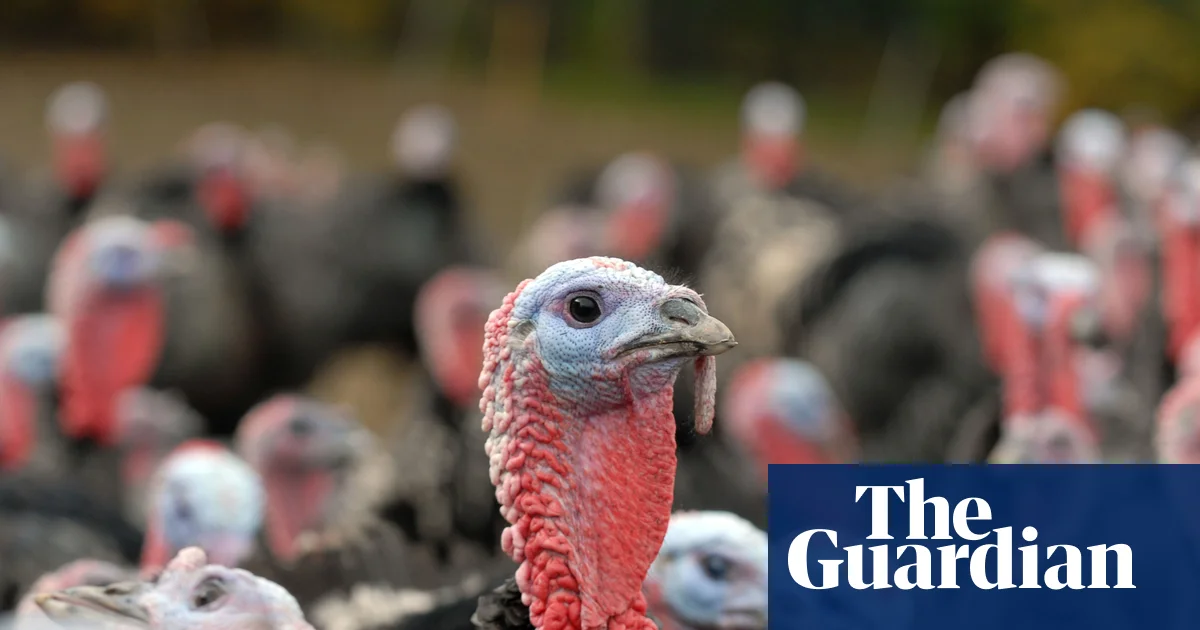
The ongoing avian influenza outbreak sweeping through the UK poultry industry exemplifies a crisis that extends far beyond farmyards and supermarkets. With cases surpassing last year’s toll, the impact on the Christmas supply chain is mounting, revealing vulnerabilities that could have wider geopolitical implications. The reality that approximately 300,000 birds—particularly organic and free-range—have already been culled underscores the severity of this health emergency. Though major retailers exhibit resilience, willing to absorb short-term losses on advance orders, the disruption signals a fragile global food network exposed to the unpredictability of zoonotic diseases.

This health crisis is more than a local story — it’s a stark warning of how risks from emerging infectious diseases could reshape international trade relations and national security strategies. With outbreaks confirmed in large-scale commercial poultry units across England and neighboring nations under stringent biosecurity mandates, authorities are racing against time to contain the virus. The Animal and Plant Health Agency reports nearly 50 cases since October, emphasizing that *crisis management remains a delicate balance.* Historians and analysts warn that if such outbreaks persist or amplify, they could precipitate a cascade of economic repercussions, jeopardizing global food security and intensifying political tensions over resource sovereignty and pandemic response coordination.

International Responses and the Broader Geopolitical Impact

While the UK strives to manage its farm crisis, the broader international landscape is not immune to the repercussions of emerging zoonoses. Countries with significant poultry industries—such as the US, China, and India—are closely monitoring developments, aware that the spread of avian flu can undermine global supply chains and trigger protective trade measures. The World Organisation for Animal Health (OIE) cautions that such outbreaks may catalyze stricter import restrictions, impacting international relations and trade agreements rooted in agricultural commodities. This scenario underscores the need for a cohesive multinational response, yet it also exposes vulnerabilities in existing treaties that often prioritize economic gains over health security.

Experts contend that shifting geopolitical alliances could influence future biosecurity protocols, especially as nations seek to safeguard their food sovereignty amid mounting ecological and health challenges. The UK’s experience serves as a trial run for how local health crises can ripple outward, forcing countries to reevaluate their strategic alliances and resource allocations—factors that will significantly influence future global governance. As a result, international organizations are called to step up their coordination efforts, fostering resilience in an interconnected world increasingly threatened by zoonotic spillovers and climate change.

Conclusion: The Unfolding Chapter of Global Crisis

As the UK battles its most severe bird flu outbreak in years, the world watches with bated breath. The decisions taken today—ranging from immediate containment measures to long-term policy shifts—will carve the path for future generations. Public health and economic stability hinge on swift, decisive actions, but history warns that such crises often reveal deeper geopolitical fault lines, exposing vulnerabilities in our interconnected fabric of society. With every cull and containment order, the narrative of global resilience continues to unfold, leaving nations to ponder whether they are prepared for the next shadow looming on the horizon—a threat that, if unchecked, could transform the course of history in ways yet unforeseen.

Canadian Ostrich Craze Sparks Buzz, Concludes with Bird Cull—RFK Jr. Watchdog That Got Everyone Talking

In a striking display of the intersection between government authority and individual rights, recent events at Universal Ostrich Farms in British Columbia have ignited passionate debates about animal welfare, public health, and national sovereignty. The farm, which raised ostriches for medical research, became the epicenter of a controversy when federal authorities ordered their cull following an avian flu outbreak. The decision, upheld by the Supreme Court, spotlighted the extensive reach of government agencies like the Canadian Food Inspection Agency (CFIA), and how their mandates to protect the public can sometimes clash with personal and economic interests. The emotional protests, tearful testimonials, and international attention underscore how personal convictions about life, health, and property remain central to such national debates.

The story deepens when considering the **health protocols** involved. After two birds tested positive for H5N1 avian flu, a virus with a potentially devastating impact on Canada’s *billion-dollar poultry industry*, authorities moved swiftly to quarantine and cull the entire flock. The banished ostriches, which had also been used for research, became symbols of the balance between *public safety and private enterprise*. Critics argue that the government’s approach—guided by the World Health Organization’s policies—embodies a broader theme of *overreach*, even as supporters emphasize the importance of protecting both human health and agricultural stability. Notable figures like Dr. Mehmet Oz, a celebrity doctor and advocate for alternative research avenues, voiced support for studying the ostriches’ immunity instead of their wholesale destruction, highlighting a shift towards *more nuanced, science-based approaches* to biosecurity.

Meanwhile, the controversy has transcended borders as powerful voices from across the United States have rallied to support the farm. Billionaire John Catsimatidis and others have called for investigations, asserting that the Canadian government’s actions are overly hasty and perhaps driven by political or bureaucratic motives rather than sound science. This cross-border engagement hints at a broader cultural tension—where the *American* emphasis on *individual rights and entrepreneurial spirit* stands in contrast to what some perceive as *state-led overregulation*. The story also reflects a *wider societal shift*—an *emerging desire for more autonomy* over health decisions, food sources, and environmental management, especially among younger demographics eager to challenge the status quo.

  • Travel Tip: Canada’s rugged landscapes and vibrant towns like Edgewood are ideal for weekends of exploration—experience its wilderness and gain perspective on local struggles.
  • Lifestyle Hack: Staying informed on food safety and biosecurity measures can empower consumers to advocate for balanced policies that respect personal rights and environmental health.
  • Main Takeaway: The ostrich saga underscores that *lifestyle choices are political*, and engaging with these issues can inspire a more conscious, proactive approach to personal and national well-being.

Ultimately, the fate of the ostriches embodies a broader narrative about *embracing personal impact*—whether through health choices, activism, or engagement with the policies that shape our daily lives. As leaders and communities grapple with how best to protect the *public good*, the conversation remains a reminder that true wellness extends beyond mere health—encompassing *freedom, responsibility,* and the pursuit of truth in a complex world. In this ongoing journey, each individual’s voice contributes to shaping a future where *lifestyle* is not just about personal comfort but also about fostering resilience, innovation, and a steadfast respect for life’s diverse expressions.

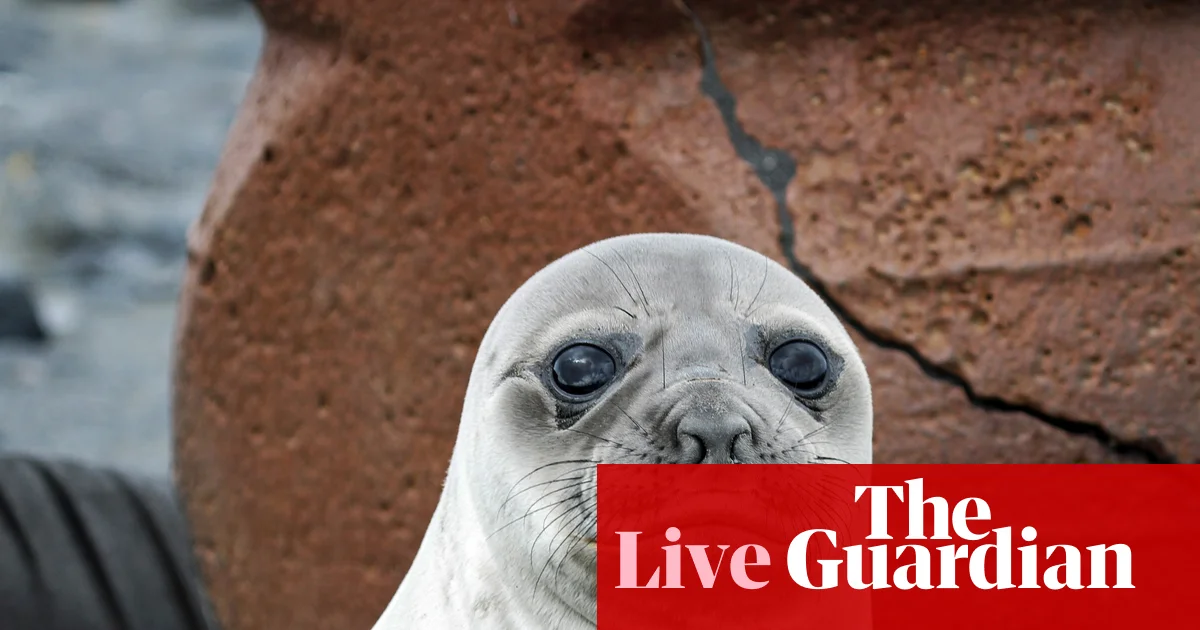
Breaking: Worry over H5 bird flu hitting elephant seals on remote Australian island

In a week marked by unprecedented scientific observations and intense geopolitical debates, the international community finds itself at a critical inflection point. Australian scientists have recently detected signs consistent with H5 avian influenza—commonly known as bird flu—in elephant seals on Heard Island, located more than 4,000 kilometers southwest of Perth. While officials from the Department of Agriculture, Fisheries and Forestry clarify that a definitive detection has yet to be confirmed, this finding underscores the persistent threat of zoonotic diseases crossing species and boundaries, especially in isolated regions. Of particular concern is the fact that Australia remains the only continent without the highly contagious H5 strain, a fact that both scientists and strategists highlight as a potential weakness in regional biosecurity.

Experts warn that such wildlife cases, while seemingly isolated, heighten the urgency for international cooperation in surveillance and preparedness. The detection on Heard Island, a sub-Antarctic enclave, signals that viruses may be quietly circulating in the most remote corners of the planet—yet the potential for spread to mainland populations still triggers alarm. The World Health Organization and regional bodies are closely monitoring developments, emphasizing that the potential spillover of H5 into human populations could alter the global landscape dramatically. Historian and analyst Dr. Samuel Rothenberg notes that “the interconnectedness of ecosystems and nations today amplifies the impact of such biological threats,” warning that in an age of rapid travel and climate change, what begins in isolated wildlife could soon become a global crisis.

Simultaneously, while health officials grapple with preventing a pandemic, political leaders face escalating challenges on the domestic front—particularly concerning law and order, where recent cases have shaken public confidence. In New South Wales, authorities are resuming their investigation into the decades-old cold case of Colleen Walker-Craig, a 16-year-old Indigenous girl last seen in 1990. The renewed effort to locate her remains, involving water searches along the Nambucca River, is emblematic of a broader societal struggle to address unresolved atrocities and ensure justice. As detectives reopen old wounds, the political implications resonate across the Pacific, fueling calls for reform and transparency. Analysts suggest that this is a testament not only to the persistence of local issues but also to the broader importance of justice in shaping national identity and sovereignty.

Adding to the complexity, the Australian government is considering large-scale reforms—lifting caps on major events at the historic Royal Randwick Racecourse and easing restrictions on concerts in Sydney—aimed at revitalizing the economy and boosting city vibrancy. However, critics from the opposition argue that such measures could be overshadowed by internal crises, including a surge of unfair dismissal claims that threaten to overwhelm the nation’s tribunal system. Opponents contend that these legal backlogs, which have increased by 27% over the past five years, symbolize deeper systemic issues—exposing an economy struggling under burdens of red tape and regulatory duplication. Opponent and Shadow Minister Andrew Bragg warns that these legislative changes, while well-intentioned, threaten to make it even more difficult for local businesses to thrive, thus impacting Australia’s geopolitical standing as a competitive hub in the Indo-Pacific region.

As the tide of crises and opportunities continue to unfold, from virus detection to justice and economic reform, history remains an unforgiving judge. The decisions taken in these critical moments will echo through generations, shaping the destiny of nations in an era defined by transnational challenges and resilience. The world watches with bated breath, knowing that history’s next chapter is still being written—its ink penned by policymakers, scientists, and societies daring to face the turbulent future with resolve or despair.

Social Media Auto Publish Powered By : XYZScripts.com